The intersection of art and architecture is an intriguing space where creativity and functionality merge. Art, defined as the expression or application of human creative skill and imagination, often produces works appreciated primarily for their beauty or emotional power. Meanwhile, architecture involves the planning, designing, and constructing of buildings or any other structures. The importance of this intersection is significant because it transforms the environments where people live, work, play, and reflect, enhancing their emotional and psychological well-being. By exploring the intersection of art and architecture, we can uncover how these disciplines enrich our built environment, make art more accessible, and inspire current and future generations of both artists and architects. This exploration matters because it fosters innovation, encourages interdisciplinary collaboration, and nurtures a cultural legacy that extends beyond the boundaries of time and geography.
The Historical Foundations of Art and Architecture
Historically, art and architecture have always been intertwined, serving as reflections of cultural values and technological advancements of their times. Ancient civilizations like the Egyptians and Greeks seamlessly integrated art with architecture. The Egyptian pyramids, adorned with intricate carvings and hieroglyphs, signify the unity of art and structural engineering. Similarly, the Parthenon in Athens epitomizes classical Greek values through its architectural precision and elaborate sculptures. These monumental structures served both aesthetic and practical purposes, embodying the society’s religious, political, and cultural ideologies.
In the Middle Ages, Gothic cathedrals such as Notre-Dame de Paris combined structural innovation with artistic expression. The intricate stained-glass windows and sculptural details exemplify this fusion, transforming religious edifices into immersive visual narratives. These developments underscored the role of art in augmenting the expressive capabilities of architecture, thus shaping the spiritual and communal experiences of their communities.
Modernism and the Role of Art in Urban Architecture
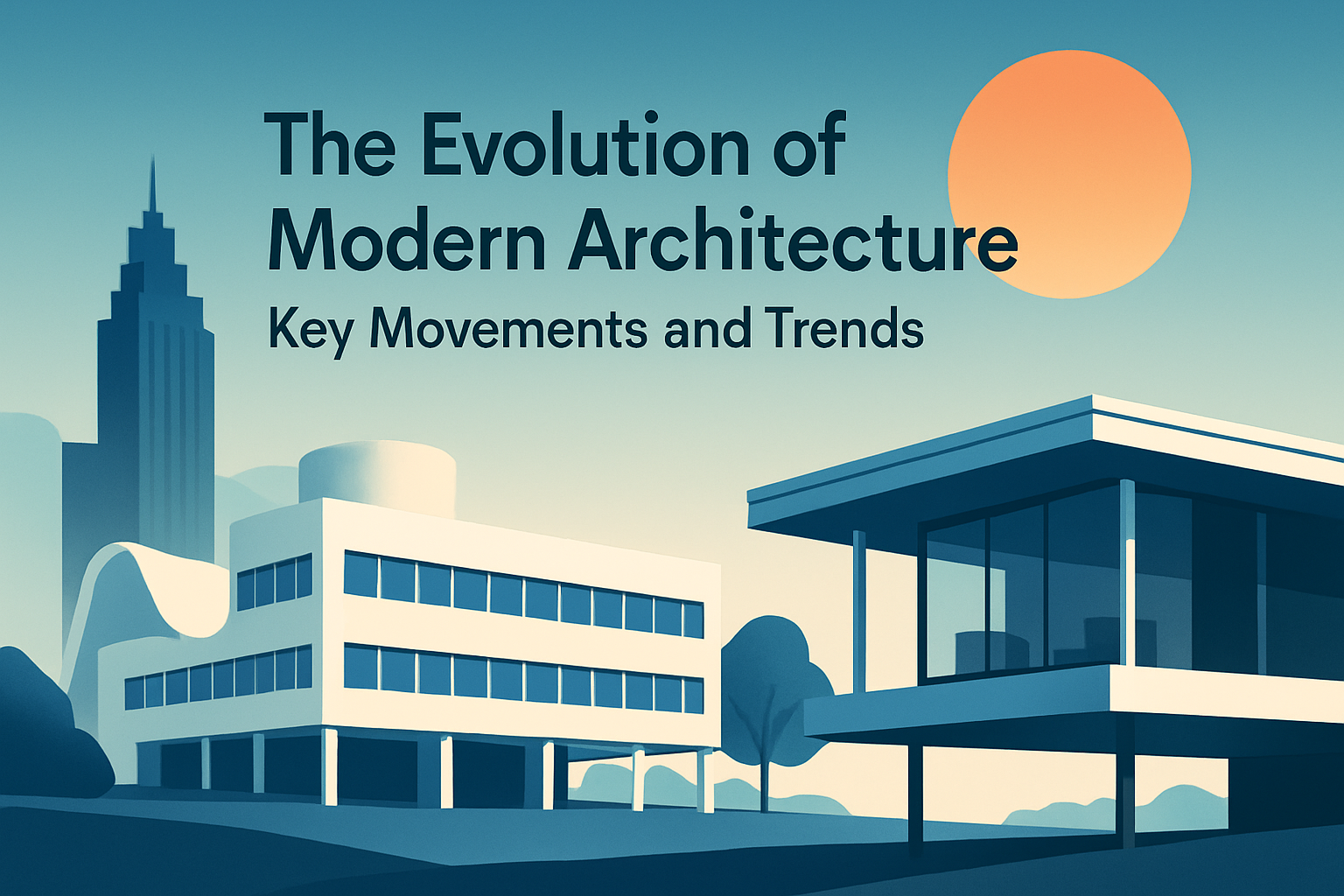
The turn of the twentieth century introduced modernist ideologies that reshaped the framework of architecture, prioritizing function and simplicity over ornamentation. However, this shift did not distantiate art from architecture; rather, it integrated modern art movements like Abstract Expressionism and Cubism into the architectural discipline. Architects such as Frank Lloyd Wright incorporated principles of harmony, form, and geometry derived from artistic movements into their designs. His masterpiece, Fallingwater, exemplifies this intersection, where the house is artfully integrated into its natural surroundings, creating a symbiotic relationship between human habitation and nature.
In urban architecture, large-scale murals and installations have become common, transforming bland urban spaces into vibrant artistic displays. New York City’s High Line project is an apt illustration of this. Initially an elevated railway, it was reimagined as a linear park that integrates art installations, plant life, and architectural design. Initiatives like these not only enhance the aesthetic appeal of urban areas but also make art accessible to a wider public, promoting community engagement and cultural enrichment.
The Role of Technology in the Fusion of Art and Architecture
The advent of digital technology has revolutionized how art and architecture intersect. Computers and modern software have afforded architects and artists novel tools to visualize and create more complex and innovative designs. For instance, 3D printing technology allows for the creation of intricate architectural components that were once inconceivable with traditional methods. This technology empowers both artists and architects to explore new forms and push the boundaries of design, creating structures that are as visually captivating as they are functional.
| Technology | Impact on Art and Architecture |
|---|---|
| 3D Printing | Enables intricate designs, reduces waste, and accelerates construction time. |
| Augmented Reality | Allows for immersive design visualization and enhanced client interaction. |
| Virtual Reality | Facilitates virtual walkthroughs and collaborative design modifications. |
Moreover, technologies like augmented reality (AR) and virtual reality (VR) provide immersive design experiences, enabling clients and designers to engage deeply with a project before its physical realization. These tools enhance collaboration between artists and architects by offering a shared digital platform for experimentation and refinement, ultimately leading to innovation and precision in design execution.
Environmental Sustainability as an Artistic Expression in Architecture
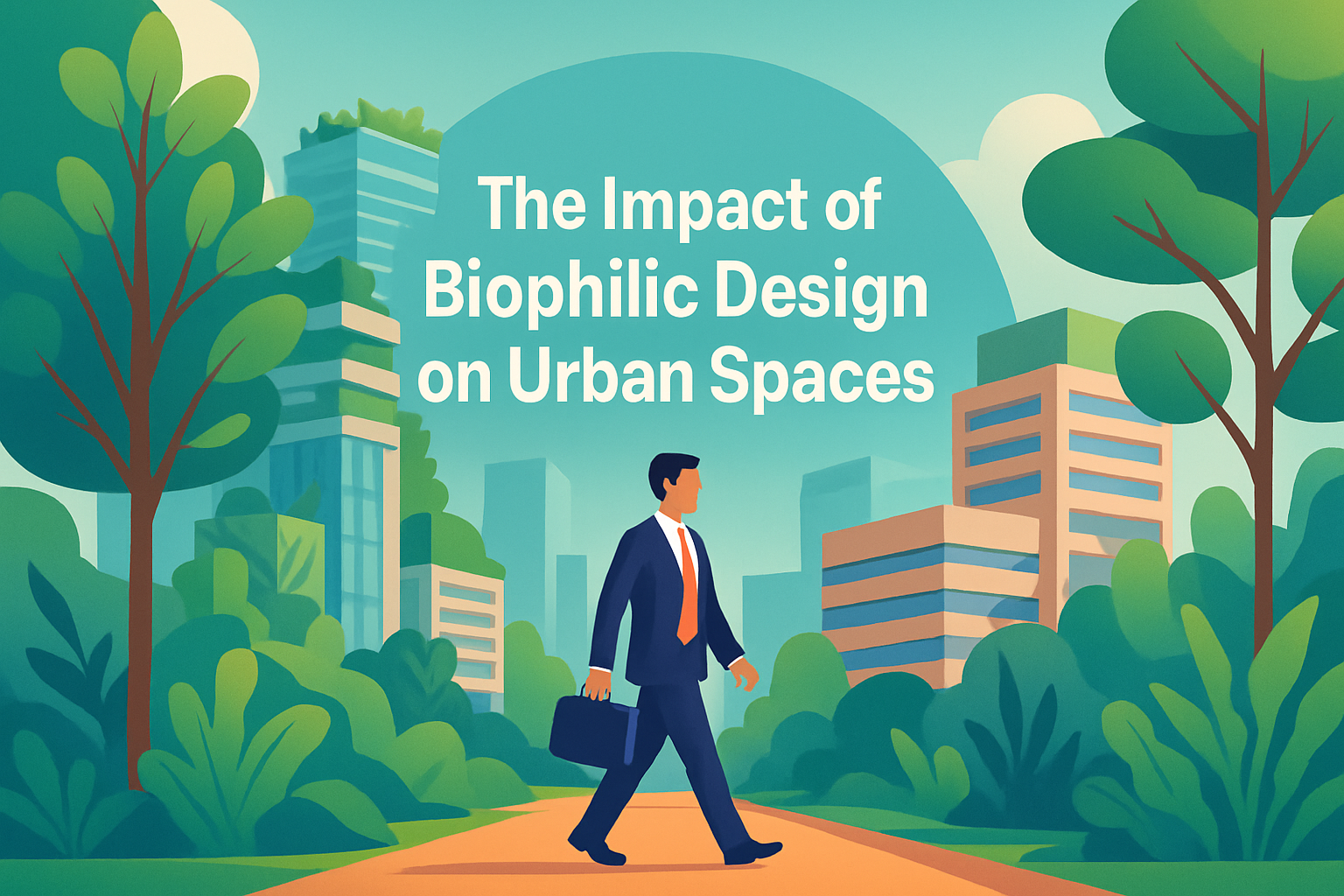
In recent years, environmental sustainability has emerged as a critical consideration in architectural design. The intersection of art and architecture plays a pivotal role in this domain by incorporating eco-friendly designs that are both functional and aesthetically appealing. Buildings like the Bosco Verticale in Milan, Italy, illustrate this fusion by integrating living trees and shrubs into their facades, creating a vertical forest that not only improves air quality but also offers residents a unique living experience enveloped in nature.
This approach demonstrates how environmental considerations can serve as a canvas for artistic expression, allowing architects to blend natural and built environments while addressing contemporary ecological challenges. Artists and architects collaborating on sustainable projects can inspire innovative solutions that reshape urban landscapes while reducing environmental footprints.
Influential Figures in the Art and Architecture Intersection
Several key figures have championed the fusion of art and architecture, leaving an indelible mark on the discipline. Renowned architect Antoni Gaudí is celebrated for his masterpiece, the Sagrada Família in Barcelona, where his visionary approach combines natural forms, elaborate mosaics, and religious symbolism into an architectural marvel. Gaudí’s work bridges art and architecture, offering a distinctive and immersive experience that has simultaneously become a cultural icon and tourist attraction.
Contemporary artist Ai Weiwei has also made significant contributions through his installations and architectural collaborations, using art as a means to comment on social and political issues. His work on the Beijing National Stadium, known as the “Bird’s Nest,” is a testament to this intersection, offering a blend of artistic ingenuity and architectural prowess that speaks to broader human narratives.
The Future of Art and Architecture Collaboration
Looking ahead, the collaboration between artists and architects holds immense potential for shaping future built environments. This intersection is evolving with new collaborative methodologies that incorporate interdisciplinary teams early in the project lifecycle. By fostering a culture of innovation and shared vision, these collaborations can address complex urban challenges and cultural aspirations.
Public art projects in urban planning present opportunities for communities to engage with their spaces creatively while fostering a sense of identity and belonging. As cities continue to expand, integrating art within the architectural fabric will enhance not only aesthetics but also the socioeconomic and cultural dynamics, promoting inclusive and vibrant urban experiences.
Conclusion: The Enduring Legacy of Art and Architecture
The fusion of art and architecture represents a powerful catalyst for creativity, innovation, and cultural expression. By examining how these disciplines interweave, it becomes clear that their relationship is not merely technical or aesthetic; it also shapes our cultural narratives, influences our emotional responses, and impacts our everyday lives. This exploration highlights the profound ways in which art and architecture can elevate human experiences, forge connections across disciplines, and address complex challenges in contemporary society.
For readers interested in exploring this intersection more deeply, consider visiting local architectural landmarks or participating in art exhibitions that focus on this theme. Engage with the architects and artists involved and consider how their collaborative efforts shape our understanding of space and beauty. Embracing the fusion of art and architecture will not only enrich your personal appreciation of these fields but also contribute to a broader cultural dialogue. As witnesses to this evolution, we are called to both appreciate and advocate for the creative synergy that art and architecture together offer to the world.
Frequently Asked Questions
1. What is the intersection of art and architecture?
The intersection of art and architecture is a captivating domain where the creative ingenuity of art meets the functional necessity of architecture. This intersection can be seen in structures where aesthetic elements are seamlessly integrated into the design. These aren’t just buildings or structures meant to serve a purpose – they are meant to inspire and evoke emotions, much like a work of art. Consider the iconic Sydney Opera House; its architectural form reflects both functionality and artistic creativity. This intersection is a space where both disciplines complement each other, resulting in environments that are not only practical but also visually and emotionally engaging.
2. Why is the relationship between art and architecture significant?
The relationship between art and architecture holds immense significance because it enhances the spaces we inhabit. Architecutre by itself addresses the physical needs of a building – shelter, safety, and functionality. However, when infused with art, architecture transcends its basic utility and begins to play an integral role in the cultural and emotional tapestry of our lives. A building with artistic elements can uplift communities, influence moods, and serve as a visual narrative of its history and surroundings. Consider Antoni Gaudí’s Sagrada Família in Barcelona; it is not just a church, but a manifestation of an artistic vision that continues to attract millions of visitors who seek to experience its unique and immersive beauty.
3. How does art influence architectural design?
Art influences architectural design in numerous ways. An architectural project often begins with a conceptual stage that is heavily influenced by artistic principles such as balance, harmony, contrast, and rhythm. These principles guide architects in their design process, leading to spaces that are not only functional but also aesthetically pleasing. Artistic influence can also be seen in the choice of materials, color schemes, and the textures used in buildings. The Guggenheim Museum Bilbao, designed by Frank Gehry, exemplifies this influence – its sweeping curves and innovative use of materials create an evocative and dynamic space that challenges traditional architectural norms.
4. Can architecture influence art?
Absolutely. While art can influence architecture, the reverse is also true. Architectural spaces can profoundly impact the way art is created and perceived. Galleries, museums, and installations are specifically designed to enhance the viewing experience and interaction of art. The use of light, shadow, scale, and acoustics can significantly alter an observer’s experience, leading to new interpretations and appreciation of the art. The Tate Modern in London, housed in the former Bankside Power Station, is a stunning example where the vast industrial space itself becomes a part of the artistic experience, influencing how works are displayed and perceived.
5. What are some examples of successful integration of art into architecture?
There are numerous examples worldwide where art and architecture have been successfully integrated to stunning effect. One standout example is the Louvre Pyramid in Paris, designed by I.M. Pei. The glass and metal pyramid serves as both a striking and modern entrance to the historic Louvre Museum, blending contemporary design with classic architecture. Another example is the Chichu Art Museum in Japan, designed by Tadao Ando. Here, architecture and art form a symbiotic relationship; Ando’s design uses natural light to optimize the display of the art within, creating a tranquil and contemplative environment for visitors. These examples demonstrate how art can elevate architectural spaces into immersive, thought-provoking experiences.