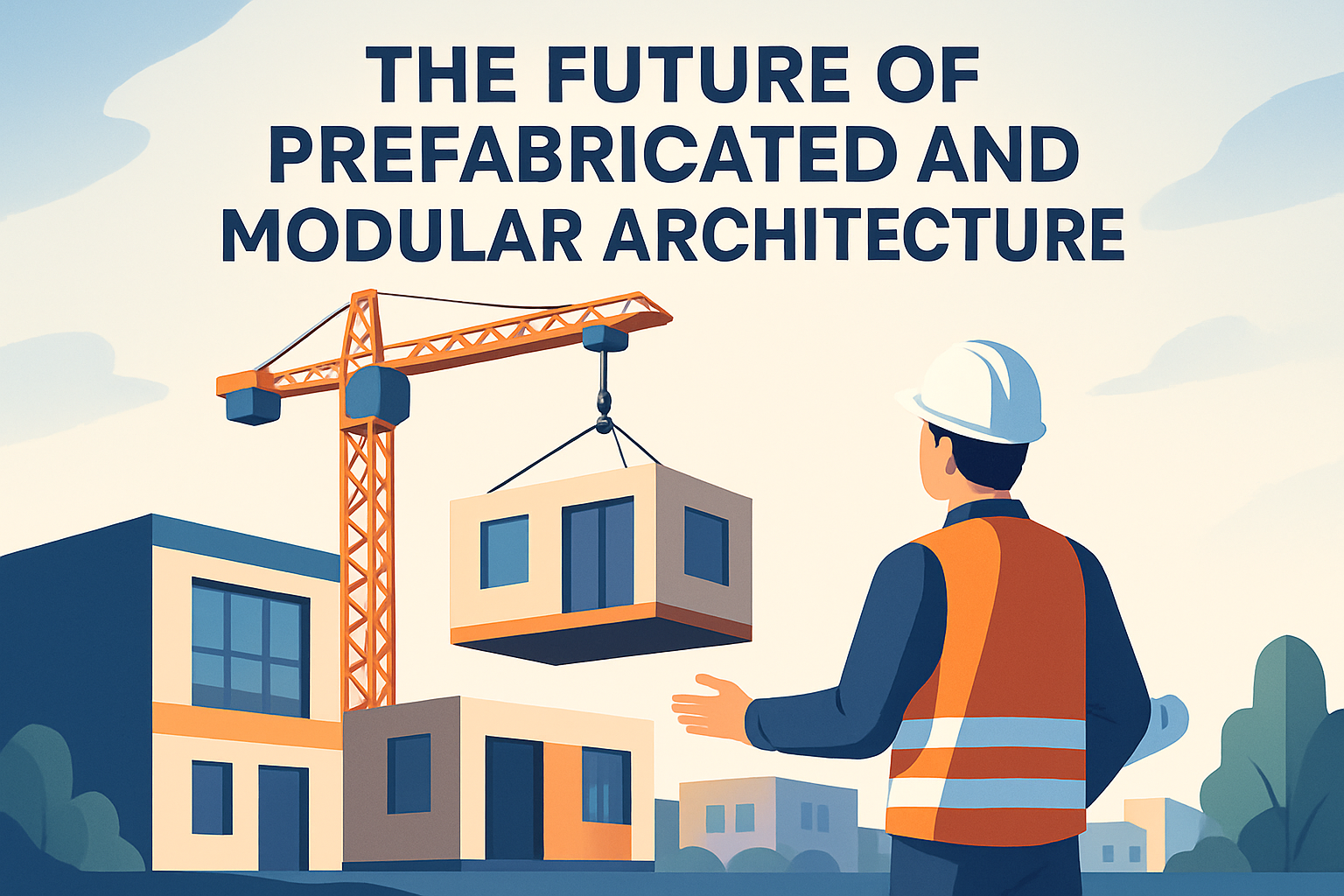
The concept of prefabricated and modular architecture has been quietly revolutionizing the construction industry for several years. At its core, these methods involve producing building components in a controlled factory environment and then transporting them to the construction site for assembly. This approach significantly deviates from traditional construction methods, where building occurs entirely on-site. The terms “prefabricated” and “modular” are often used interchangeably, but they have distinct meanings. Prefabrication typically refers to the pre-assembly of building components, whereas modular construction involves creating entire modules or sections of a building that can be pieced together like a puzzle.
Understanding the importance of prefabricated and modular architecture requires recognizing the myriad challenges facing the construction industry today. Increasing demands for sustainable building practices, the need to reduce construction timelines, and labor shortages have made it imperative to explore innovative solutions. Moreover, this method allows for enhanced design flexibility, improved quality control, and waste reduction, addressing some of the industry’s most pressing concerns.
As we explore the future of this transformative approach to building, we will delve deeper into current trends, benefits, challenges, and the far-reaching impacts of implementing prefabrication and modular methods in architecture.
The Advantages of Prefabricated and Modular Construction
One of the foremost advantages of prefabricated and modular construction is its ability to dramatically reduce project timelines. Because the components of a building are manufactured off-site in a factory setting, it allows for site preparation and component fabrication to occur simultaneously. This concurrent processing is a game-changer in timelines, enabling projects to be completed in nearly half the time compared to traditional construction methods.
Take the case study of the Mini Sky City in Changsha, China. Built by Broad Sustainable Building, this 57-story skyscraper was completed in just 19 days using modular construction techniques. That speed is staggering in any context, especially when juxtaposed against the years it typically takes to complete a high-rise structure. The quick assembly time was made possible by the prefabrication of about 90% of the building components, illustrating the potential of these methods to transform urban landscapes rapidly.
Sustainability in Prefabricated and Modular Architecture
Another critical area where prefabricated and modular methods shine is sustainability. As the global construction industry accounts for a significant portion of carbon emissions, the move towards more eco-friendly building practices is essential. Prefabricated and modular construction offers a way forward through reduced waste, as precise manufacturing results in less material offcuts. Additionally, this approach typically uses sustainable materials and energy-efficient designs that align with greener goals.
For example, the International House at Sydney’s Barangaroo precinct is a testament to the sustainability potential of modular construction. Constructed primarily from prefabricated timber, this office building has a much smaller carbon footprint than its counterparts constructed with steel and concrete. By utilizing sustainably-sourced wood, International House demonstrates how prefabrication can contribute to the fight against climate change by sequestering carbon and reducing reliance on non-renewable resources.
Innovations in Design and Technology
The realm of architectural design and technology is also seeing a wave of innovation sparked by prefabricated and modular construction. With access to advanced manufacturing technologies, architects and builders have an expanded toolkit to bring visionary designs to life. Computer-aided design (CAD) and Building Information Modeling (BIM) are extensively used in the prefabrication process, enabling meticulous planning and precision that reduce errors and optimize material usage.
IKEA’s BoKlok initiative encapsulates the innovative spirit driving prefabrication. BoKlok, translating to “smart living,” is a joint venture with construction firm Skanska. It focuses on producing affordable, sustainable homes with a quality design at an accessible price point. By leveraging modular production in factories, BoKlok homes are delivered quickly and efficiently, providing a viable solution to housing shortages without compromising on aesthetic appeal or environmental responsibility.
Economic Impact and Affordability
Economics and affordability are major factors propelling the growth of prefabricated and modular architecture. The streamlined manufacturing and reduced construction timelines contribute to lower costs, making these methods appealing for both private developers and government-funded projects aiming to tackle housing deficits.
Consider the example of Marriott International, which embraced modular construction in its hotel expansions worldwide. By implementing modular techniques, Marriott has been able to cut down both construction costs and time, which in turn provides financial benefits that can be passed on to their customers. Furthermore, this approach ensures that the hotel chain can meet its aggressive growth targets without sacrificing quality or guest comfort.
| Benefits | Details |
|---|---|
| Shortened Timelines | Project delivery in nearly half the traditional time |
| Sustainability | Reduced waste, use of sustainable materials, smaller carbon footprint |
| Design Innovation | Advanced technologies allow for unique and precise designs |
| Cost Efficiency | Lower construction costs through streamlined processes |
Addressing the Challenges
While prefabricated and modular construction holds immense promise, it is not without challenges. Issues such as logistic complexity, transportation costs, and public perception continue to pose hurdles. Transporting large modules requires careful planning and sometimes additional costs to manage oversized loads or navigate regulatory restrictions.
Involving communities and stakeholders early in the planning process can help alleviate public skepticism. Educational campaigns illustrating the benefits and environmental impacts of modular construction can shift perceptions and foster acceptance.
Looking towards the future, the prospects for prefabricated and modular architecture are illuminating. With continued advancements in technology and materials, as well as growing recognition of its benefits, these construction methods are set to play a pivotal role in shaping sustainable urban development globally.
The integration of smart technologies and the Internet of Things (IoT) within prefabricated modules offers a glimpse into homes and buildings that are not only quicker to produce but are also equipped to serve the tech-savvy inhabitants of tomorrow. The journey from concept to completed structure is becoming smoother and more efficient with each technological stride, promising a building landscape that is as dynamic as it is efficient.
Conclusion
As we have delved into the expansive potential of prefabricated and modular architecture, it is clear that these construction methods offer a compelling alternative to conventional building practices. From reduced timelines and increased sustainability to innovative designs and economic benefits, the advantages are substantial.
The shifting tides in the construction industry, underscored by the need for quick, reliable, and eco-friendly solutions, create a fertile ground for these developing technologies. However, their successful implementation rests on tackling existing challenges head-on and changing public perception through transparent and inclusive dialogues.
For those engaged in construction, architecture, or urban planning, the call to action is evident: embrace these emerging methodologies, deepen expertise, and actively contribute to a sustainable architectural future. Prefabrication and modular construction are not just trends but the building blocks of tomorrow’s cities, offering a smarter approach to global construction challenges.
With a keen emphasis on innovation, sustainability, and efficiency, prefabricated and modular architecture is heralding a new chapter. It’s a chapter marked by the transformative merging of technology with tradition, challenging us to rethink the possibilities of the built environment.
The future is modular, and it’s time to build it.
Frequently Asked Questions
1. What are the main differences between prefabricated and modular construction?
Prefabricated and modular construction each offer unique benefits, although they’re often discussed interchangeably. Prefabricated construction refers to building components made off-site in a factory setting. These components might include anything from walls, beams, or other structural parts down to smaller elements like windows or doors. On the other hand, modular construction involves assembling full sections or modules of a building in a factory before transporting them to the site for final assembly. Each module is typically a fully-enclosed section of a room or entire units such as a bathroom or bedroom. Upon arrival at the site, these modules come together like building blocks, forming the entirety of the structure. The prefabricated method streamlines construction by creating standardized parts and allowing for quicker assembly, while modular construction takes that efficiency to another level by fabricating large, finished sections with plumbing, electrical, and sometimes even furniture included.
2. How does prefabricated and modular construction benefit the environment?
Prefabricated and modular construction methods are inherently more sustainable than traditional construction techniques in several ways. By utilizing factory settings, builders can minimize material waste, as precise measurements lead to more efficient usage of resources. This precision reduces the excess materials that typically end up in landfills. Factories also allow for repeated recycling of leftover materials, further mitigating waste and reducing the environmental impact. Additionally, manufacturing in a controlled environment often uses less energy compared to on-site construction. With fewer environmental disruptions at the building site, the impact on local ecosystems is minimized. Moreover, prefabricated and modular structures often incorporate sustainable technologies more easily while in the factory setting, such as improved insulation, energy-efficient windows, or advanced HVAC systems, helping mitigate long-term environmental impacts during the building’s lifecycle.
3. Will prefabricated and modular buildings last as long as traditionally built structures?
The longevity and durability of prefabricated and modular buildings often match or even surpass those of traditionally built structures. This might surprise skeptics who see off-site construction as potentially lower in quality. However, creating building components in a factory allows for rigorous quality control under consistently monitored conditions, resulting in precision-crafted parts less prone to the errors often encountered with manual assembly on-site. Furthermore, modern modular and prefabricated designs utilize robust materials tested for long-lasting durability. Many companies engaged in this sector focus on using high-quality materials and cutting-edge technology to ensure their products withstand time and environmental factors. Additionally, the modular nature of these buildings means they can be easily upgraded or repaired, further enhancing their lifespan.
4. How do prefabricated and modular construction methods affect construction costs and timelines?
The efficiency of prefabricated and modular construction generally results in significant cost and time savings compared to traditional methods. In a factory environment, construction is not subjected to the same weather delays or unpredictable site conditions, contributing to a more consistent and expedited building schedule. The controlled production lines parallel an assembly in traditional manufacturing industries, streamlining production and assembly processes, minimizing labor hours, and reducing overall costs. For instance, the concurrent production of different building segments allows multiple contractors to work on a project simultaneously, further cutting down the timeline. Moreover, these methods typically require less onsite workforce compared to traditional builds, which prevents unforeseen expenses such as labor-related issues or prolonged project timelines. As developers and builders optimize these processes further, we are likely to see even greater reductions in construction time and cost.
5. What role does technology play in the future of prefabricated and modular architecture?
Technology is a driving force behind the rapid progression and future potential of prefabricated and modular architecture. The use of advanced software, such as BIM (Building Information Modeling), allows architects and engineers to design with unprecedented accuracy, ensuring that every prefabricated component or modular section fits precisely with the others. This technology minimizes errors during design and assembly phases, safeguarding against the costly and time-consuming problems that frequently arise in traditional construction. Furthermore, automation in factories further elevates the speed and precision of prefabricated components’ production. Robotics are increasingly utilized for tasks ranging from cutting materials to even assembling certain prefabricated parts. In addition to design and production, smart technology integration into prefabricated structures is becoming more prevalent, allowing these buildings to rise to the demands of modern sustainability, energy efficiency, and connectivity expectations. As AI, machine learning, and more advanced robotization continue to evolve, they will undoubtedly revolutionize prefabricated and modular construction even further, enhancing their practicality, efficiency, and proliferation in the architecture and construction industries.