Introduction: The Interplay Between Cultural Heritage and Modern Architecture
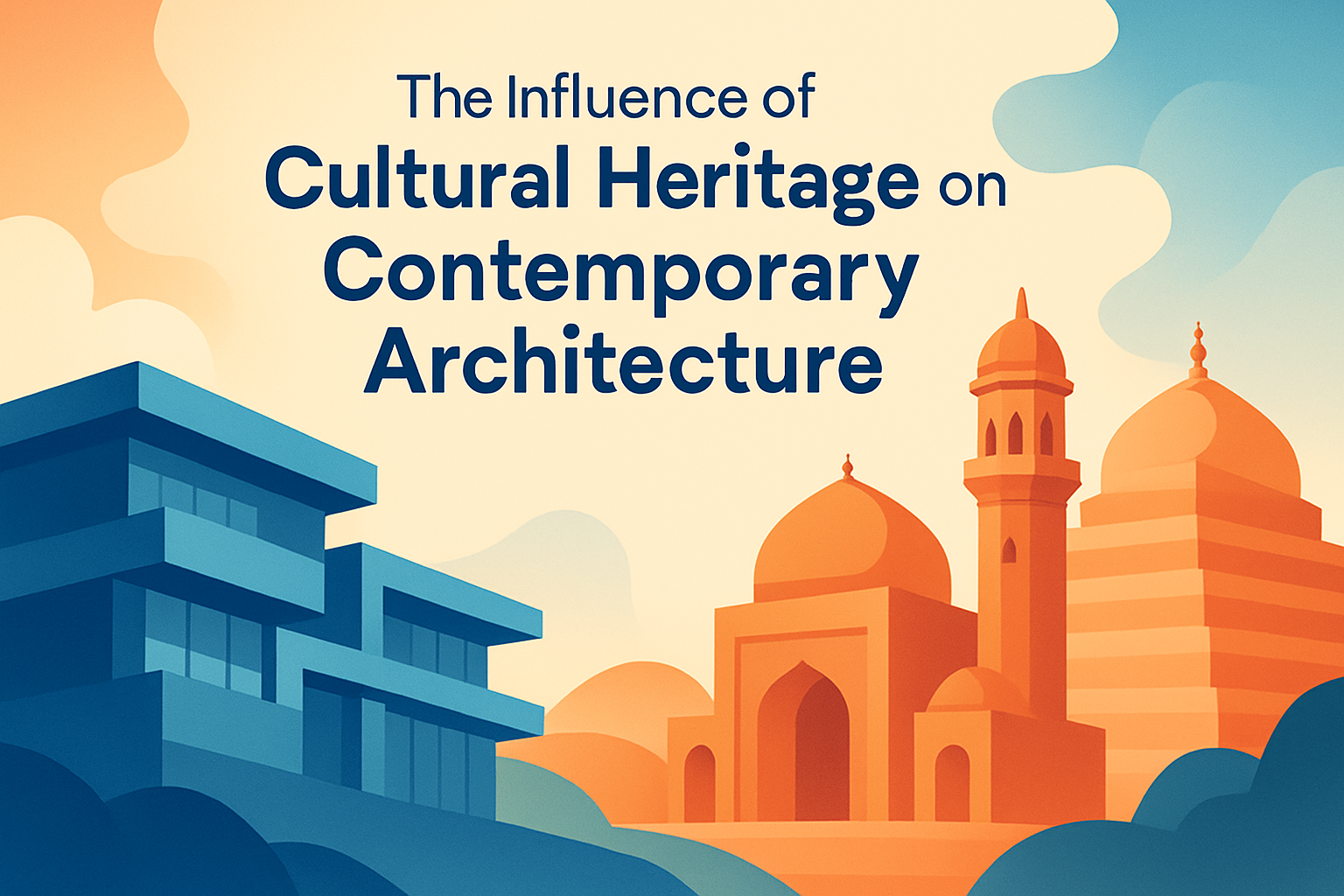
The landscapes of our cities and towns are a testament to a cultural journey that stretches across generations and geographies. This evolving narrative is encapsulated within the term “cultural heritage,” referring to the legacy of tangible artefacts and intangible attributes passed down through generations. Architecture is a physical manifestation of this cultural heritage, as buildings and structures often reflect the zeitgeist of their creators, shaped by historical contexts and local customs.
Cultural heritage greatly influences contemporary architecture, imbuing it with a sense of time and identity. In a rapidly globalizing world where architectural parallels emerge across continents, preserving cultural distinctiveness is crucial. This continuity between past sensibilities and present-day techniques allows for an architectural dialogue that respects tradition while embracing innovation. The study of cultural heritage’s influence on contemporary architecture not only helps in appreciating the aesthetics of buildings but also in fostering a sense of belonging and identity among communities.
This exploration will delve into how varying cultural elements, from historical building techniques to local materials and iconographies, shape modern architectural practices. We’ll look at how architects integrate heritage into their work to promote sustainability, cultural conservation, and aesthetic inspiration. Understanding this convergence is essential, as it empowers modern architects and urban planners to design with authenticity, ensuring that new constructions are not just functional, but also culturally resonant.
Sustainable Practices Inspired by Heritage Architecture
Traditional architecture often embodies sustainability principles that have evolved to make the most out of local materials and climatic conditions. In contemporary design, these time-proven methods inform cutting-edge sustainable solutions, demonstrating that going forward sometimes means looking back.
A prime example of this is the use of rammed earth and adobe in desert areas. These materials naturally regulate temperature, maintaining cool interiors in arid climates. Modern architects in regions such as the southwestern United States and parts of Africa incorporate these ancient techniques using contemporary aesthetics to create buildings that are both energy-efficient and culturally relevant.
Moreover, the design of vernacular architecture often features natural ventilation and passive solar heating, inspiring today’s architects to enhance building performance with minimal environmental impact. By studying traditional building methods, architects gain insights into energy-efficient designs. The British architect Anna Heringer, for instance, is renowned for her use of traditional mud and bamboo in modern buildings, illustrating how combining past wisdom with current technology can create structures that support sustainable futures.
The Use of Local Materials: Bridging Tradition with Innovation
Local materials are often a defining characteristic of culturally influenced architecture, dictating the aesthetic and structural qualities of buildings. In contemporary architecture, sourcing local materials is not only environmentally friendly but also pays homage to the cultural traditions of the region.
For example, the use of timber in Scandinavian architecture is not just a stylistic choice but a cultural one. Timber has been a traditional building material in this region due to its availability and insulating properties, which are ideal for cold climates. Today, architects continue this tradition, incorporating cross-laminated timber (CLT), a modern engineering innovation that enhances the strength and versatility of wood, into skyscrapers and urban projects. Structures like the Mjøstårnet in Norway showcase how contemporary innovations like CLT can push the boundaries of traditional materials while maintaining cultural continuity.
Integration of Traditional Aesthetical Elements in Modern Design
Aesthetic elements, such as patterns, shapes, and motifs from traditional architectural styles, often find new life in contemporary settings. These visual cues serve not only to beautify structures but also to transmit cultural narratives and values.
The incorporation of traditional motifs in modern architecture is evident in the work of Santiago Calatrava. His designs, such as the City of Arts and Sciences in Valencia, Spain, bring futuristic visions to life through forms reminiscent of nature and historic symbolism. Calatrava’s integration of sweeping lines and structural forms reflects a dialogue with Spain’s artistic heritage, providing a bridge between the old and the new while creating an emotional resonance with the local culture.
In another example, Islamic geometric patterns are often seamlessly integrated into contemporary designs globally, creating a sense of identity and continuity. These patterns, characterized by their intricacy and mathematical precision, are aesthetically pleasing and culturally significant, offering architects a palette from which to draw inspiration and maintain cultural dialogues.
Adaptive Reuse: Reviving Heritage Buildings for Modern Use
Adaptive reuse is a sustainable architectural practice that involves repurposing old buildings for new uses, preserving their cultural significance while adapting them for modern needs. This practice not only conserves resources and energy but also supports cultural continuity and historical preservation.
A notable example of adaptive reuse is the Tate Modern in London, which was transformed from the Bankside Power Station into a world-renowned modern art gallery. The architects retained the iconic chimney and the industrial façade, preserving the historical essence of the building while adapting its interior for contemporary functions. This project epitomizes how understanding and respecting past structures can enhance our urban environments, rendering them culturally significant and functional for present-day use.
| Location | Original Purpose | New Function |
|---|---|---|
| London, UK | Bankside Power Station | Tate Modern Art Gallery |
| New York, USA | American Express Carriage House | Luxury Condominium |
| Paris, France | Orsay Train Station | Musée d’Orsay |
The Role of Cultural Heritage in Shaping Urban Identity
Urban landscapes are physical narratives of the cultures that inhabit them, with each structure contributing to a city’s unique identity. Modern urban planning and architecture are increasingly recognizing the importance of integrating cultural heritage into the development process to maintain a city’s character and social cohesion.
Historic preservation laws and regulations often guide how cultural elements are maintained and incorporated into new structures. Cities like Kyoto in Japan have strict zoning laws that protect its architectural heritage, ensuring that new developments reflect traditional aesthetics and materials, thus safeguarding the cultural landscape.
Further, the integration of public art and culturally significant landmarks into urban planning enhances the cultural narrative of a city, promoting a sense of place and community pride. As cities continue to grow, the preservation of cultural narratives through architecture becomes a vital component in maintaining the soul and character of urban environments, providing residents and visitors alike with a continuous sense of history and identity.
Conclusion: Embracing the Legacy of Cultural Heritage in Modern Building Design
The interplay between cultural heritage and contemporary architecture is a dynamic continuum that enriches our built environment. By drawing on the past, modern architects and planners can create structures that are not only environmentally and aesthetically sustainable but also culturally resonant with the communities they serve.
The key takeaway is that honoring cultural heritage in architecture promotes both historical continuity and innovation, offering designs that serve functional needs while narrating cultural stories. This approach not only fosters cultural diversity in our cities but also strengthens our connection to the past, ensuring that architectural practices are ever more sustainable and socially relevant.
As we move forward, architects, designers, and urban planners must continue to explore new ways of integrating cultural heritage in practical and meaningful ways. Whether through sustainable practices, innovative use of materials, aesthetic integrations, or adaptive reuse, cultural heritage will remain a cornerstone of architectural innovation. Embracing this legacy offers a pathway not only to enriching our physical surroundings but also to deepening our understanding of who we are—architectural storytellers of the present and custodians of the past.
Let us take a conscious step toward appreciating and incorporating cultural heritage in every new project we undertake, preserving the diversity and richness of our global architectural tapestry.
Frequently Asked Questions
1. What is the relationship between cultural heritage and contemporary architecture?
Cultural heritage and contemporary architecture are intricately intertwined, like two sides of the same coin. Architectural design today often draws heavily from cultural heritage, which includes not only the physical remnants of past societies—such as historic buildings, monuments, and urban plans—but also the intangible traditions, languages, and social practices that have been perpetuated over generations. Contemporary architecture is rooted in cultural heritage because it acknowledges and respects the historical context while also innovating and adapting these traditions to meet the needs and aesthetics of the present era. This relationship is vital as it ensures that the built environment remains a living narrative, continually reflecting and shaping cultural identity. Through this dynamic interplay, architecture becomes a bridge connecting past, present, and future, fostering a sense of continuity and identity.
2. How does cultural heritage influence the design of modern buildings?
Cultural heritage influences modern building design in numerous ways, acting as a foundational source of inspiration and guidance. Architecturally, many modern structures incorporate either elements or motifs from traditional designs, recognizing them as both a homage to and a dialogue with the past. For instance, the use of local materials that were historically prevalent continues to be a popular way to honor heritage, enhance sustainability, and maintain regional aesthetic consistency. Beyond mere aesthetic inclusion, contemporary architects also adapt spatial configurations, structural systems, and technologies that evolve from historical precedents. Cultural narratives—stories that celebrate local customs, practices, or historical events—also significantly inform the architectural language, influencing how spaces are organized and used. In this way, architecture not only preserves the memory of the past but translates it to be relevant and functional in today’s world.
3. Can you give examples of contemporary buildings that incorporate cultural heritage?
Certainly, there are numerous examples around the globe where contemporary architecture successfully integrates cultural heritage, resulting in innovative and culturally resonant designs. The National Museum of African American History and Culture in Washington, DC, designed by David Adjaye and Associates, draws inspiration from traditional African forms, including the Yoruba crown, both in its silhouette and in its façade patterns, reflecting the cultural and historical significance of its exhibits. Similarly, the Louvre Abu Dhabi, designed by Jean Nouvel, is a masterpiece that harmoniously blends modern engineering with Arabian architectural traditions. Its dome features a complex geometric star pattern, which is reminiscent of traditional mashrabiya lattice screens, resulting in a “rain of light” effect inside the museum. These examples highlight how weaving cultural narratives into contemporary design offers not only a homage to history but also a vibrant and meaningful architectural experience.
4. Why is it important to preserve cultural heritage in architecture?
Preserving cultural heritage in architecture is crucial for several reasons. Primarily, it acts as a conduit of historical knowledge and collective identity, fostering a sense of community and continuity amidst rapid global changes. Buildings and spaces that reflect the nuances of a culture provide tangible links to history, promoting understanding and appreciation of shared heritage. This preservation also impacts our urban landscapes positively, offering a diversity of architectural styles that enrich the visual and experiential quality of our environments. Furthermore, maintaining cultural heritage emphasizes sustainable principles—by adapting and reusing historic structures creatively, we reduce the environmental impact associated with demolition and new construction. Ultimately, acknowledging and preserving cultural heritage in architecture ensures that the stories of the past guide our future, promoting an enriched, contextual, and culturally significant architectural practice.
5. How do architects balance innovation with traditional influences in their work?
Architects balance innovation and traditional influences by viewing each project as an evolving dialogue between the past and the present. This requires a deep understanding of the historical, cultural, and social contexts of the site and its people, allowing architects to draw selectively from these rich sources to inspire their designs. The creative process often involves reinterpreting traditional forms and motifs through the lens of modern technology and materials, leading to fresh perspectives while retaining cultural resonance. Architects are tasked with integrating modern functionalities such as energy efficiency, user comfort, and sustainability with the aesthetic and stylistic requirements rooted in tradition. Effective communication with stakeholders, particularly local communities, further ensures that the resulting design is respectful of heritage while being innovative and functional. This delicate balance is not achieved by merely mimicking past styles, but rather by understanding and celebrating their essence and translating it into a language fit for contemporary use.