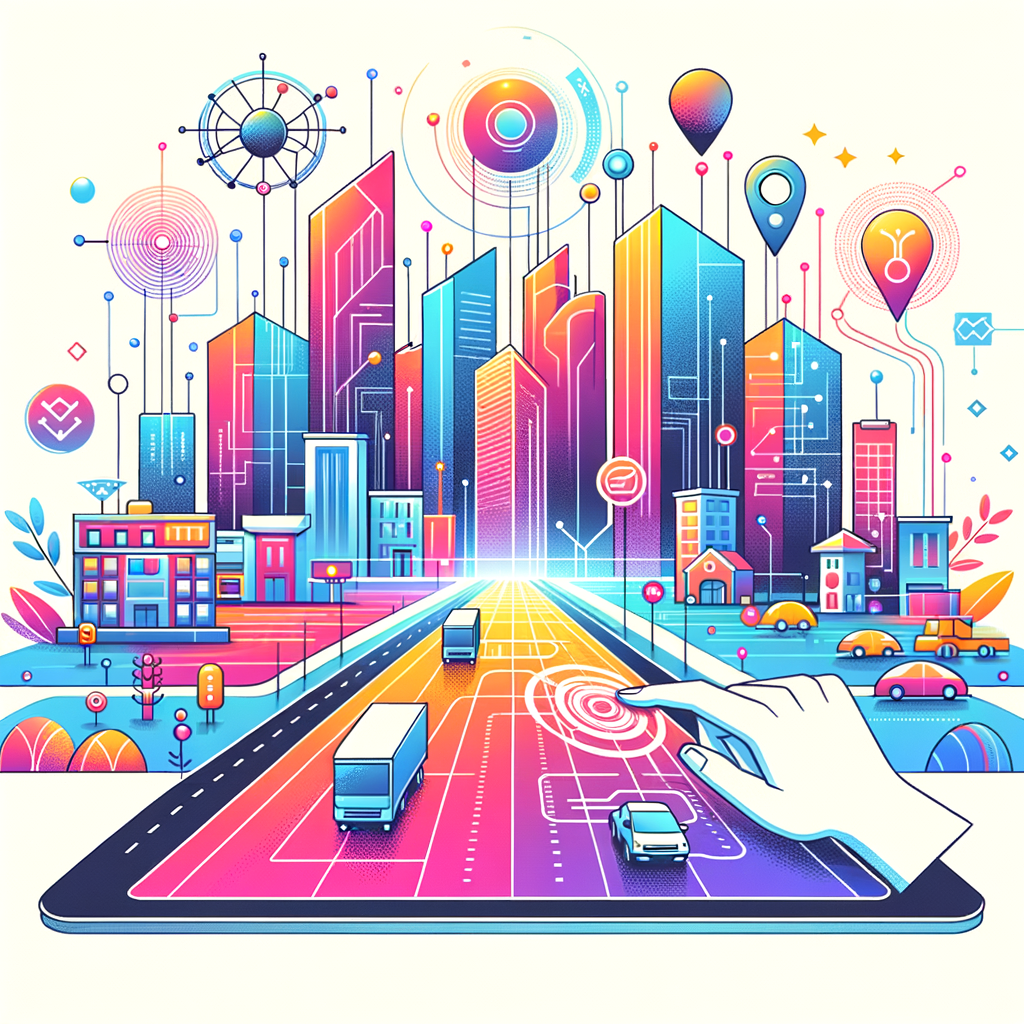
In our rapidly evolving world, smart cities are becoming a beacon of innovation and efficiency. A major challenge faced by urban environments today is traffic congestion, which not only frustrates commuters but also significantly contributes to environmental pollution and economic loss. This article will explore how pioneering smart cities are effectively reducing traffic congestion using technological advancements and strategic planning. These smart cities employ a myriad of solutions ranging from intelligent transportation systems to real-time data analytics, all aimed at ensuring a smoother, more efficient flow of vehicles and improved urban mobility. By examining how these smart cities perform in reducing congestion, we can gather insights into the mechanisms and technologies driving their success, offering a blueprint for other cities worldwide to follow as urbanization increases and challenges mount.
Understanding the Core of Traffic Congestion
Before diving into the solutions provided by smart cities, it’s essential to understand the primary causes of traffic congestion. Its root lies in urbanization, with more people migrating to cities in search of opportunities, leading to increased vehicle numbers on roads initially designed for far fewer users. Traditional infrastructure is often unable to keep pace with this growth, resulting in gridlocks and extended travel times. Furthermore, inefficient traffic management strategies, an underdeveloped public transportation system, and lack of coordination among different modes of transport exacerbate the situation. Recognizing these issues is the first step in crafting solutions that address both the symptoms and causes of congestion, thus highlighted by smart strategies utilized in forward-thinking cities worldwide.
Implementing Intelligent Transportation Systems
One of the primary strategies smart cities deploy to combat traffic congestion is Intelligent Transportation Systems (ITS). ITS integrates advanced information and communications technology into road transport, including infrastructure, vehicles, and users. These systems aim to improve road safety, decrease congestion, reduce environmental impacts, and enhance overall travel comfort and efficiency.
For instance, adaptive traffic signals are a cornerstone of ITS, dynamically adjusting the timing of green lights to optimize traffic flow, thereby reducing wait times at intersections. This technology uses real-time data collected from sensors and cameras to make instantaneous adjustments based on current traffic conditions. By minimizing stops and starts, adaptive signals not only reduce congestion but also emissions due to fuel consumption.
Similarly, smart parking solutions, such as real-time parking availability data shared through smart apps, direct drivers to open spots quickly, reducing the time spent cruising for parking. This approach has notably lessened urban congestion, cutting down on redundant driving, an often-overlooked contributor to crowding on roads. Parking sensors and integrated payment systems further facilitate ease of use, minimizing human intervention and thereby speeding up the process.
Leveraging Real-Time Data Analytics
Another significant approach within smart cities to tackle vehicular congestion is the strategic use of real-time data analytics. Traffic data is constantly being collected via infrastructure and social sources, including GPS devices, mobile phones, and social media platforms. This wealth of data is then analyzed for patterns and anomalies, allowing for more informed decisions regarding urban planning and traffic management.
Data analytics also plays a critical role in predictive modeling, which anticipates traffic conditions based on various factors, such as time of day, weather conditions, and special events. Insights derived from these predictive models enable city planners and traffic authorities to devise effective rerouting strategies and optimize public transport schedules to alleviate congestion before it gets critical.
Moreover, sharing traffic data with the public through online platforms or mobile applications empowers citizens to make better travel decisions, such as choosing alternative routes or different modes of transportation during peak congestion times. This participatory approach not only contributes to smoother traffic but also fosters trust and transparency between city officials and residents.
Promoting Multimodal Transportation Systems
Smart cities are increasingly promoting the use of multimodal transportation systems as a congestion reduction strategy. By seamlessly integrating different modes of transport, such as buses, trains, bicycles, and walking pathways, cities offer flexible and efficient travel options that reduce reliance on personal vehicles.
Investment in public transit infrastructure is a critical aspect of multimodal systems. Expanding and upgrading bus and train services, coupled with integrated ticketing systems, can significantly improve commute efficiency. Moreover, the introduction of dedicated lanes for public transit ensures that mass transport remains unaffected by road congestion, making it a more attractive option for daily commuters.
Furthermore, encouraging active transport modes, like cycling and walking, not only alleviates traffic congestion but also promotes healthier lifestyles. Smart cities invest in bike-sharing programs, ample bike lanes, and pedestrian-friendly pathways. Cities like Copenhagen and Amsterdam serve as exemplary models, showcasing how robust cycling infrastructure can effectively transform urban mobility, reducing car dependency significantly.
Deploying Connected Vehicle Technology
Connected vehicle technology is another vital tool in the arsenal of smart cities aiming to reduce congestion. This technology allows vehicles to communicate with each other and with traffic infrastructure, facilitating smoother traffic management and enhanced road safety. Vehicle-to-Infrastructure (V2I) and Vehicle-to-Vehicle (V2V) systems enable seamless data exchange between cars and road elements, alerting drivers in real time about potential hazards, traffic jams, or signal changes.
Automated and semi-automated vehicles, equipped with advanced sensors and communication systems, can adapt smoothly to traffic conditions, ultimately optimizing driving patterns and reducing unnecessary braking and acceleration that contribute to congestion. As more self-driving technologies are applied, the potential benefits of connected vehicles could see an exponential rise, transforming urban landscapes and significantly easing traffic conditions.
Utilizing Urban Planning and Design Strategies
Beyond technological implementations, smart cities extensively use urban planning and design strategies for long-term traffic congestion solutions. By developing mixed-use areas, reducing travel distances, and decentralizing commercial activities, these cities aim to decrease the burden on transport networks. Urban planners are creating cities within a city, where work, residence, and recreation coexist within proximity, reducing the need for transportation.
Transit-oriented development (TOD) is another urban planning strategy facilitating reduced congestion. Under this model, residential and commercial clusters are developed around transit hubs, boosting public transport use and minimizing car dependency. Creating pedestrian-friendly streetscapes and accessible public spaces encourages walking, further easing traffic load.
Conclusion
As the challenges of urbanization become increasingly complex, smart cities offer a pathway to sustainable and efficient urban living through innovative solutions to traffic congestion. By implementing advanced technologies, promoting multimodal transportation, utilizing real-time data analytics, and adopting thoughtful urban planning, these cities not only reduce traffic congestion but also enhance the quality of life for their residents.
While the technologies and solutions are available, the success of smart cities in managing traffic congestion heavily relies on a collaborative approach involving government, private sector, and citizens. Engagement and cooperation among stakeholders can amplify the impact of smart initiatives and lay the foundation for a future where congestion is significantly minimized.
As more cities worldwide seek to evolve into smart cities, adopting these successful strategies can prove instrumental in managing urban growth sustainably. Embracing change and innovation is crucial for transforming urban landscapes, ensuring not only less congested but also more livable, resilient, and thriving city environments for generations to come.
Frequently Asked Questions
1. What innovative technologies are smart cities using to reduce traffic congestion?
Smart cities are leveraging cutting-edge technologies to minimize traffic congestion in various clever ways. One of the most significant innovations is the adoption of Internet of Things (IoT) devices that collect real-time data on traffic patterns. These devices are often integrated into traffic lights, road sensors, and cameras, enabling dynamic traffic signal adjustments to improve flow efficiency. For instance, when sensors detect high levels of congestion at certain intersections, the system can prolong green light durations to ease traffic build-up. Additionally, smart city technologies utilize advanced analytics and machine learning to predict congestion trends, enabling authorities to implement proactive measures. Some cities have even incorporated connected vehicle technology that allows vehicles to communicate with infrastructure to optimize navigation paths, thus reducing peak hour traffic jams.
2. How do smart cities balance technological advancements with urban planning to manage traffic congestion?
In smart cities, technological advancements are integrated into broader urban planning initiatives to effectively manage traffic congestion. Urban planners and technology developers work hand-in-hand to design cities with smart infrastructure that supports sustainable mobility. This collaboration ensures that while tech improves traffic flow, urban structures are also optimized for transportation efficiency. For example, the deliberate planning of mixed-use developments reduces the need for long commutes by placing housing, workplaces, and amenities in close proximity, thereby naturally decreasing traffic. Additionally, dedicated lanes for public transit and bicycles, supported by smart infrastructure, encourage alternative modes of transportation, further reducing reliance on private vehicles and alleviating congestion.
3. What role does public transportation play in smart city traffic management?
Public transportation plays a pivotal role in the strategy of smart cities to reduce traffic congestion. Smart cities invest in high-capacity and efficient public transit systems that offer a viable alternative to private vehicle use. For example, real-time tracking through mobile apps provides commuters with up-to-date information on bus and train schedules, reducing wait times and improving overall experience. Moreover, cities like Singapore employ smart ticketing and fare integration systems that simplify transit use, further incentivizing public transportation. By improving the reliability and accessibility of public transport, smart cities can effectively diminish the number of cars on the road, which is crucial for reducing congestion.
4. Are there any specific examples of successful smart city initiatives that have significantly reduced traffic congestion?
Several cities across the globe have implemented successful smart city initiatives to combat traffic congestion. A prime example is Barcelona, which uses integrated smart traffic systems to enhance mobility. Their strategy includes smart parking solutions that reduce the time cars spend searching for parking spots, thus lowering congestion. Moreover, Stockholm has implemented a congestion tax that charges vehicles for entering the city center during peak hours, encouraging the use of public transport and decreasing traffic volume. These smart strategies, among others, have proven highly effective in significantly reducing congestion and turning urban centers into more sustainable, livable environments.
5. How do smart cities ensure the safety of implementing new traffic technologies?
Safety is a top priority for smart cities when implementing new traffic technologies. These cities conduct extensive testing and data analysis before deployment to ensure reliability and safety. Rigorous simulations and pilot programs help identify potential issues and refine systems before widespread implementation. Additionally, public engagement initiatives educate the community about new technologies, ensuring that residents are aware of and comfortable with these changes. Smart cities also establish continuous monitoring and maintenance protocols to quickly address any unexpected problems that may arise, thus maintaining a safe urban environment while reaping the benefits of reduced traffic congestion.