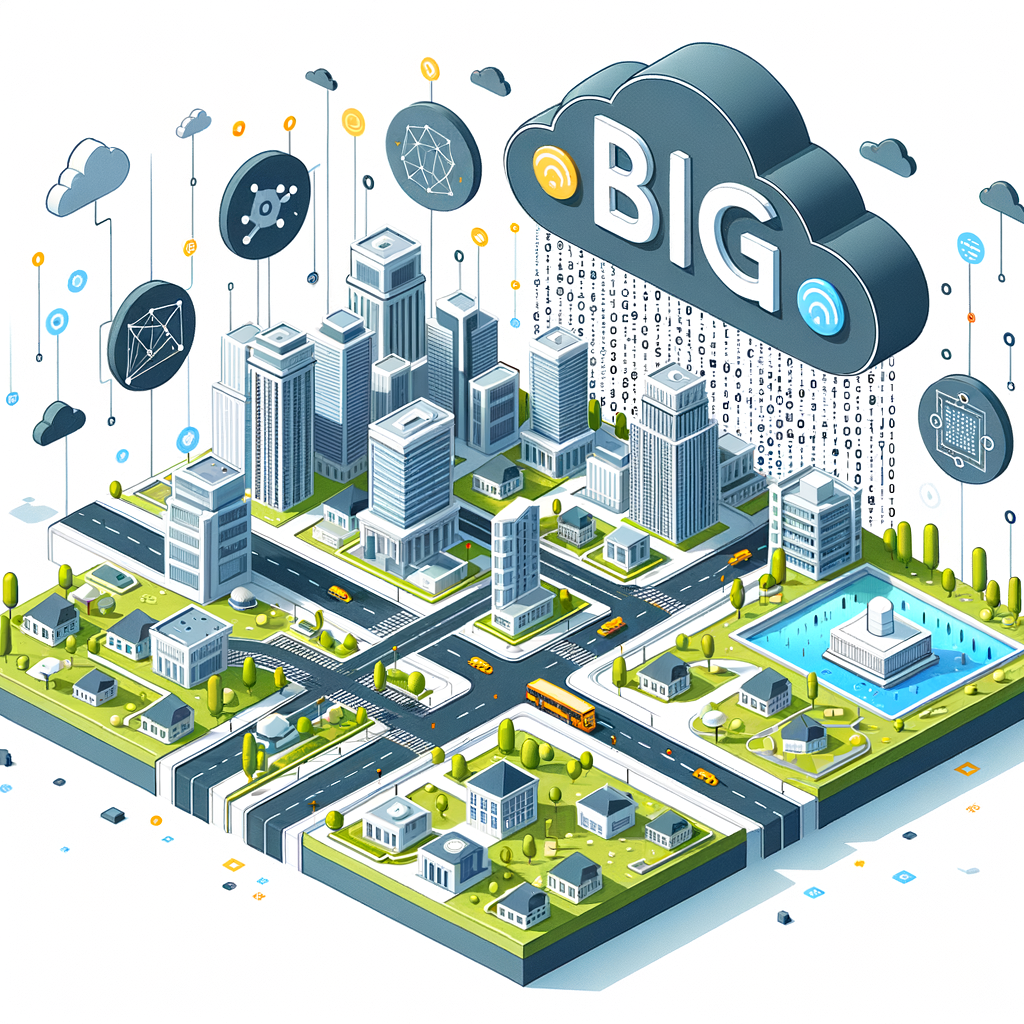
The rapid growth of urban areas across the globe has given rise to the concept of smart cities, where technology and innovation are harnessed to improve the quality of urban life. One of the key areas where smart cities are making a significant impact is in public health services. With the integration of digital technology, data analytics, and sustainable practices, smart cities are redefining how healthcare is delivered, accessed, and managed. This transition is not just transforming the infrastructure of public health services but also reshaping the dynamics of patient care, health monitoring, and disease prevention. In this article, we will explore how smart cities are enhancing public health services, looking at both current implementations and the possibilities they open for the future of urban health. We will examine the various technologies and strategies being used, the benefits of these implementations, and the challenges that need to be addressed to ensure their success.
Digital Health Infrastructure and Telemedicine
One of the fundamental components of smart cities is the digital health infrastructure, which is revolutionizing how healthcare services are delivered. Telemedicine, a crucial aspect of this infrastructure, allows patients to access healthcare services remotely. This is particularly beneficial in urban areas where the demand for healthcare services is high and healthcare facilities may be stretched thin. Through telemedicine, patients can consult with healthcare professionals via video calls, receive diagnostic services online, and get prescriptions without the need to visit a hospital or clinic physically. This not only reduces the burden on healthcare facilities but also significantly cuts down the time and cost for patients.
Health Data Analytics and Predictive Modeling
Leveraging big data analytics has become a cornerstone of public health management in smart cities. By collecting and analyzing data from various sources such as electronic health records, wearable devices, and environmental sensors, city health departments can identify trends and predict health outcomes. Predictive modeling allows for proactive healthcare management, where potential outbreaks of diseases can be anticipated and measures can be taken to mitigate them. This level of preparedness is vital in densely populated urban areas where the spread of diseases can occur rapidly.
Internet of Things (IoT) in Healthcare
The Internet of Things (IoT) is another pivotal element in enhancing public health services within smart cities. IoT devices, such as smart wearable fitness trackers and connected health monitors, enable real-time monitoring of patient health metrics. These devices can track data like heart rate, blood pressure, glucose levels, and more, providing healthcare providers with continuous data streams to monitor the health of their patients. This real-time data collection facilitates immediate response to any health anomalies, thereby reducing emergency situations and improving overall health outcomes.
Smart Urban Planning and Health
Smart cities employ strategic urban planning that directly impacts public health. Urban design that includes green spaces, pedestrian-friendly pathways, and efficient public transportation can promote healthier lifestyles. For instance, having access to parks and green spaces encourages physical activity, which can reduce health issues such as obesity and cardiovascular diseases. Additionally, reducing urban pollution through sustainable practices is crucial for respiratory health improvement. Smart cities are progressively adopting such designs to foster environments that encourage physical well-being.
Emergency Response and Management
Advanced technologies in smart cities enhance the capabilities of emergency response teams. With robust communication networks and location-based services, emergency services can be dispatched more quickly and efficiently. Real-time data sharing between healthcare facilities and emergency responders ensures that they are well-prepared for patients’ specific needs even before arriving at the scene. Furthermore, smart traffic management systems can provide clear routes for ambulances and emergency services, facilitating faster response times.
Community Health Engagement
Smart cities also focus on community health engagement by leveraging technology to educate and involve their residents in maintaining public health. For example, mobile health applications provide users with information on healthy lifestyle choices and alerts on public health concerns like flu outbreaks or heat waves. Moreover, digital platforms for community engagement encourage residents to participate in public health campaigns, boosting awareness and fostering a culture of health-conscious living. Such initiatives enhance the overall health literacy of the population.
Integration of AI and Machine Learning
Artificial Intelligence (AI) and machine learning are transforming decision-making processes in public health systems by providing insights derived from complex data patterns. AI algorithms assist in diagnosing diseases more accurately and rapidly by analyzing data from imaging and diagnostic tests. Machine learning models can identify risk factors for diseases by correlating extensive datasets, helping in personalized treatments and more effective public policies. This advancement is crucial in ensuring that healthcare systems within smart cities remain efficient and adaptive to evolving healthcare challenges.
Implementation Challenges and Considerations
While the advantages of integrating technology into public health services in smart cities are evident, several challenges remain. Data privacy and security are primary concerns, as healthcare data involves sensitive information. Ensuring robust cybersecurity measures is crucial to protect this data from breaches. Furthermore, the digital divide remains a barrier; to fully benefit from smart health services, equitable access to digital technology and the internet is needed. Ensuring inclusivity and accessibility for all residents, particularly the elderly and low-income groups, is essential for these technologies to reach their full potential.
The Role of Policy and Governance
Effective governance and supportive policies play a critical role in the successful implementation of smart city technologies for health services. Policymakers need to establish clear regulations and guidelines to facilitate technology integration while addressing ethical and privacy concerns. Partnerships between governmental health bodies and private technology companies are necessary to foster innovation and improve service delivery. Cooperative efforts can lead to sustainable and scalable solutions that are more adaptable to the needs of rapidly growing urban populations.
Conclusion
In conclusion, smart cities are at the forefront of revolutionizing public health services through technological innovations and strategic planning. By integrating digital health infrastructures, employing big data analytics, and leveraging the power of IoT and AI, smart cities are enhancing healthcare delivery, accessibility, and effectiveness. These advancements not only improve health outcomes but also foster a better quality of life for urban residents by creating environments conducive to health and well-being. However, the road to fully realized smart health services involves navigating challenges such as data security, infrastructure disparity, and inclusive policy development. As cities continue to grow and evolve, their ability to adapt and harness the potential of smart technologies will be vital in meeting the health demands of their populations. Ultimately, the future of public health in urban areas hinges on the successful integration of these innovations, ensuring that health services in smart cities are not only smarter but also more equitable and accessible to all citizens.
Frequently Asked Questions
1. What is a smart city and how does it impact public health services?
Smart cities leverage advanced technologies and data-driven insights to enhance urban living. These cities are equipped with interconnected networks, sensors, and digital platforms that help improve efficiency and quality of life. In the realm of public health services, smart cities play a transformative role by enhancing healthcare delivery systems, ensuring better access to medical facilities, and optimizing resource allocation. For example, smart city technologies can be employed to monitor air quality, track the spread of diseases through data analysis, and provide real-time information to citizens about health services available in their vicinity. This interconnectedness ensures that health services are more responsive and effectively meet the needs of urban populations.
2. How do smart cities utilize data analytics to improve public health services?
Data analytics is a cornerstone of smart city initiatives, particularly in public health. By collecting and analyzing vast amounts of data from various sources such as hospitals, wearable health devices, and environmental monitors, smart cities can gain valuable insights into health trends and potential risk factors. This information can be used to predict outbreaks, monitor chronic disease prevalence, and even personalize healthcare provisions. Data analytics in smart cities also supports resource management by identifying high-need areas, ensuring that medical supplies and healthcare professionals are deployed efficiently. In essence, data analytics allows for a proactive approach to public health, moving from traditional reactive methods to a system that prevents and manages health issues more effectively.
3. Can you provide examples of technology used in smart cities to enhance public health services?
Certainly! Smart cities incorporate a myriad of technologies to propel their public health services. An excellent example is the use of Internet of Things (IoT) devices, which facilitate the monitoring of air quality, water safety, and even noise pollution. Mobile health applications enable residents to easily book medical appointments, receive prescriptions, and access personalized health data. Telemedicine platforms are particularly revolutionary, allowing patients remote access to medical consultations, which is especially beneficial for those with mobility issues or residing in rural areas. Moreover, wearable devices such as fitness trackers are integrated into smart health systems to help individuals and healthcare providers monitor health metrics continuously, providing early warnings and health insights directly to patients and clinicians.
4. What are the challenges faced by smart cities in implementing public health services enhancements?
While smart cities offer tremendous opportunities for enhancing public health services, several challenges must be addressed. Privacy concerns are paramount, as the proliferation of data collection devices raises questions about who has access to personal health information and how it is being used. There is also the issue of interoperability among various health systems and technologies, which can hinder the seamless exchange of information necessary for efficient healthcare provision. Additionally, the high costs associated with the deployment and maintenance of advanced technologies can be a barrier for some urban areas. Furthermore, ensuring equal access to these services across different socio-economic groups within a city poses a critical challenge, as there can be disparities in how benefits of smart city health initiatives are distributed.
5. How is community engagement and education vital in the success of smart city public health initiatives?
Community engagement and education are integral components of successfully implementing smart city public health initiatives. Educating citizens on how to use new technologies, understanding the benefits of these advancements, and addressing potential concerns or misconceptions are fundamental to fostering trust and cooperation. By involving community members in the planning and execution of smart health projects, cities can ensure that solutions are tailored to real needs and that residents are more likely to embrace them. Awareness campaigns can effectively communicate how, for instance, health monitoring apps or environmental data collection contribute to overall well-being. Furthermore, engaging with local communities helps gather feedback to improve and refine services, creating a more responsive and resilient public health network.