The rapid advancement of technology and data analytics has ushered in a new dawn for urban living. Smart cities, equipped with technological innovations, promise enhanced efficiency, sustainability, and improved quality of life for their residents. At the heart of this urban transformation lies machine learning—a subset of artificial intelligence (AI) aimed at developing algorithms that enable computers to learn from and make decisions based on data. As urban populations swell and resources become scarcer, city managers are increasingly turning to machine learning to tackle pressing challenges. From traffic management and waste disposal to energy efficiency and public safety, machine learning offers powerful tools to streamline operations, enhance service delivery, and optimize resource allocations. This article delves into the pivotal role machine learning plays in smart city management, exploring its myriad applications and the profound impact it has on urban environments.
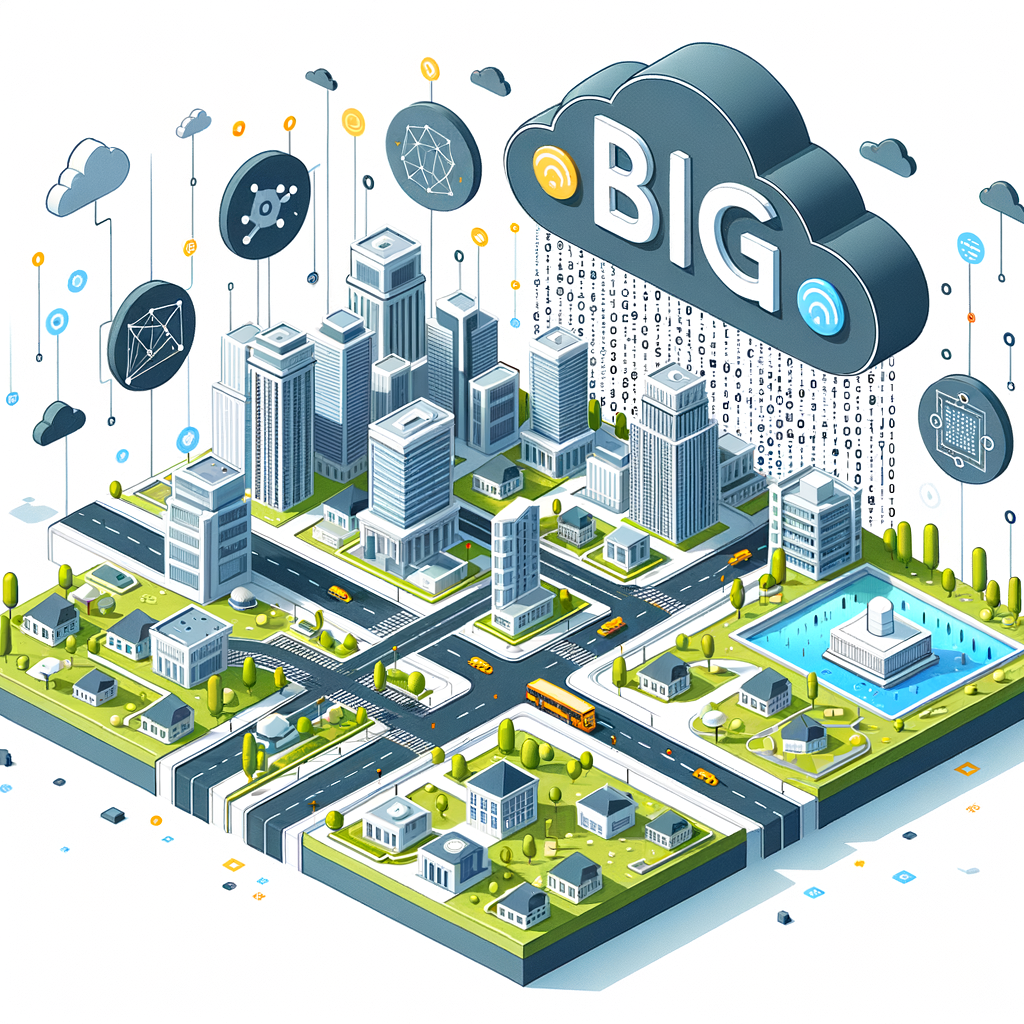
Machine learning enables smarter, data-driven decisions, transforming the way cities operate. By harnessing vast volumes of data generated daily—from sensors, social media, historical records, and more—cities can glean insights, predict trends, and make informed decisions in real-time. Furthermore, the implications of these capabilities extend beyond operational efficiency, touching on aspects like environmental sustainability, economic growth, and social well-being. As urban planners and city officials increasingly lean on machine learning algorithms, the need for understanding and developing robust frameworks becomes an essential part of urban governance. Through the strategic application of machine learning, city managers are making strides in crafting urban environments that are not only smarter but also more sustainable and equitable for all residents.
Applications of Machine Learning in Smart Cities
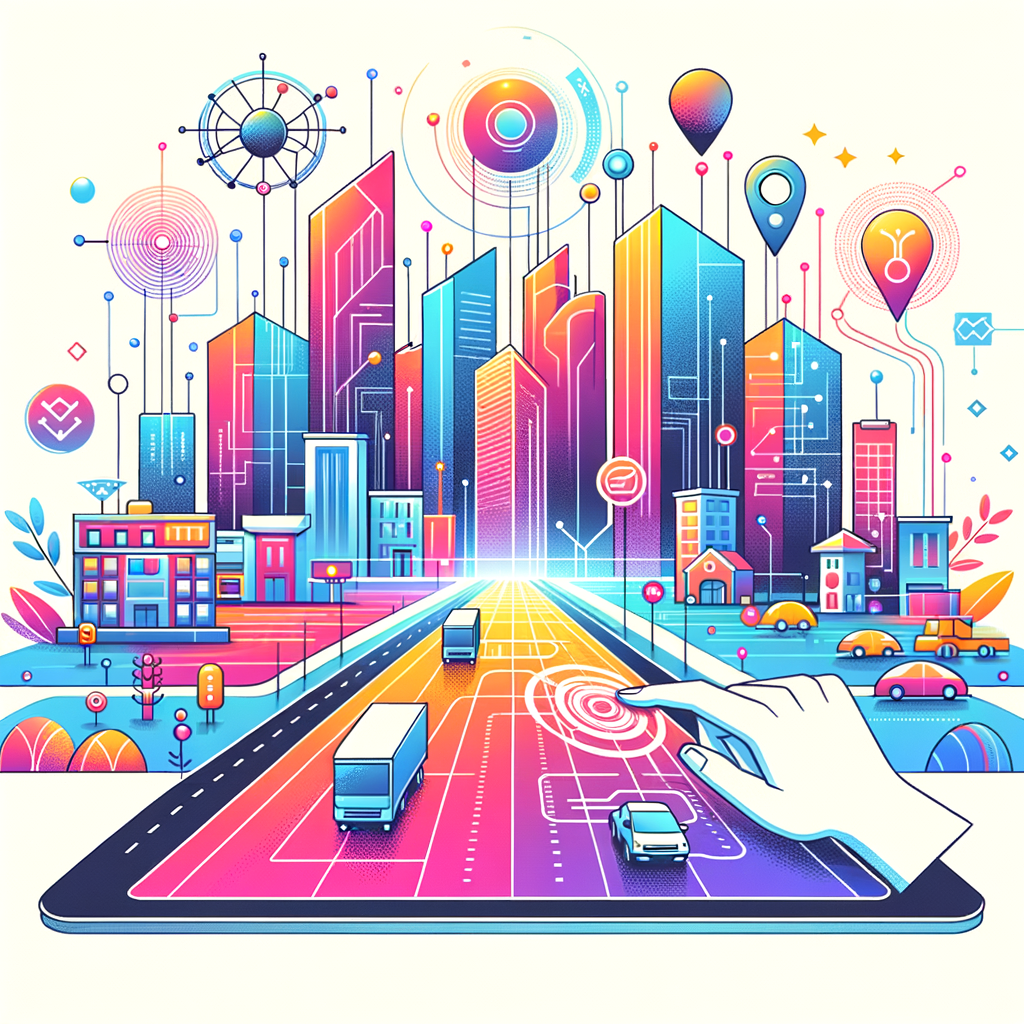
One of the most prominent applications of machine learning in smart cities is traffic management. Congestion and inefficient traffic flow are perennial challenges in most urban areas. Machine learning algorithms analyze traffic patterns using data from GPS devices, traffic cameras, and road sensors. By processing these vast data points, predictive models can anticipate traffic jams and suggest optimal routes in real-time. This dynamic traffic prediction not only reduces commute times but also minimizes fuel consumption, thus lowering urban emissions and contributing to cleaner air.
Public transportation systems also benefit from machine learning through improved scheduling and capacity management. By evaluating historical data and real-time commuting patterns, cities can optimize bus and train schedules, ensuring alignment with peak usage times. Moreover, predictive maintenance, enabled by machine learning, allows for the anticipation of system failures before they occur, significantly reducing downtime and enhancing service reliability.
Energy management stands as another critical application domain. Cities consume a substantial portion of global energy, and inefficient energy use represents both a economic burden and an environmental challenge. Machine learning algorithms play a key role in optimizing energy consumption. Smart grids, powered by machine learning, predict energy demand, allowing electrical companies to manage load distribution efficiently and reduce energy wastage. These systems can further integrate renewable energy sources more effectively into the energy mix, ensuring sustainability.
The burgeoning amount of data in smart cities also opens new frontiers in urban planning. Through machine learning, cities can simulate different planning scenarios, assess their potential impacts, and make data-driven development decisions. This enables a forward-looking approach to building infrastructure that meets future demands while avoiding past mistakes.
On the environmental front, machine learning contributes significantly to waste management and pollution control. Waste sorting facilities, equipped with machine learning technologies, can automatically segregate types of waste with high accuracy, streamlining recycling processes and reducing landfill burdens. Similarly, environmental monitoring systems powered by machine learning analyze pollutants, predict levels of air quality, and prescribe mitigating actions, ensuring healthier living conditions.
Public Safety and Machine Learning
Public safety is vastly improved through the deployment of machine learning in surveillance and emergency response systems. Sophisticated video analysis can detect suspicious activities or incidents more swiftly and accurately than ever. Machine learning algorithms sift through countless CCTV footage hours in real-time, identifying potential threats and notifying law enforcement promptly.
In emergency situations, machine learning models can streamline response efforts by optimizing resource deployment. For example, during a fire outbreak or natural disaster, machine learning can predict the spread of fire or the movement of a storm, allowing for preemptive evacuations and more effective allocation of emergency services. This predictive capacity is crucial in minimizing harm and enhancing the resilience of urban infrastructures.
Enhancing Citizen Engagement and Quality of Life
Machine learning also enhances citizen engagement, a crucial component of smart city development. By analyzing residents’ feedback via social media, surveys, and mobile applications, city officials can identify public sentiment trends and address resident concerns more swiftly. This feedback loop fosters a stronger connection between city administration and citizens, encouraging a participatory approach to urban governance.
The quality of urban life is intrinsically tied to access to essential services like healthcare, education, and housing. Machine learning models can predict healthcare trends, enabling better resource allocation in hospitals and facilities. In education, adaptive learning systems personalize educational content, catering to individual student needs and improving educational outcomes. Moreover, in housing management, machine learning helps detect anomalies in utility usage or structurally unsafe conditions early on, enhancing living conditions while reducing costs.
Challenges and Ethical Considerations
Despite the vast potential and benefits of machine learning in smart city management, various challenges and ethical concerns arise. Data privacy remains a primary concern; the vast amount of data needed for machine learning models requires stringent data protection measures to prevent misuse or breaches. Ensuring transparency in data usage and algorithmic decision-making becomes imperative to building trust between citizens and city authorities.
Furthermore, the implementation of machine learning systems demands substantial investments in technology and skills development. Consequently, some cities, particularly in developing regions, may struggle to meet these demands, exacerbating existing urban inequalities. Accessible solutions and partnerships involving public and private sectors need strengthening to ensure a broad reach of machine learning benefits.
Conclusion
The role of machine learning in smart city management is transformative, presenting immense opportunities to create urban environments that are more efficient, sustainable, and attuned to the needs of their residents. As cities evolve and the demand for sustainable urban solutions accelerates, machine learning is poised to become an integral part of that evolution. However, navigating the associated challenges—such as data privacy and equitable access—requires careful management and forward-thinking policies.
Urban administrators must engage with technology, ensuring that ethical considerations and citizen welfare guide the deployment of machine learning technologies. Transparency in data management, fostering public-private partnerships, and investing in digital literacy are vital steps in cultivating smart cities. The future of urban management is not just about adopting cutting-edge technologies but integrating them harmoniously with human-centric values. The collaborative journey towards smarter cities promises a resilient path forward, marked by significant advancements in the quality of urban life and environmental stewardship.
Frequently Asked Questions
1. What is the significance of machine learning in the context of smart cities?
Machine learning is pivotal to the development and management of smart cities. As a branch of artificial intelligence, it involves training computers to identify patterns in data and make informed decisions based upon it. In smart cities, machine learning processes vast quantities of data from various sources—like sensors, social media, and traffic systems—to optimize city operations. This technology brings about more efficient energy use, improved public safety through crime prediction and prevention, enhanced public transportation systems with real-time updates, and better utility management. Essentially, machine learning equips smart cities with the agility and intelligence required to handle complex urban challenges, making living environments healthier and more sustainable.
2. How does machine learning contribute to traffic management in smart cities?
Traffic management is one of the most critical applications of machine learning in smart cities. By analyzing data from traffic cameras, sensors, and GPS devices, machine learning algorithms can predict traffic patterns, detect congestion, and recommend optimal routes. They can adjust traffic signals in real-time to ease congestion and ensure a smoother flow of vehicles. For instance, during peak hours, machine learning-driven systems can reprogram traffic lights to accommodate increased traffic on certain routes while easing up on others. These systems not only reduce travel time for commuters but also decrease emissions from vehicles, contributing to a cleaner and more efficient city atmosphere. Furthermore, they play a crucial role in enhancing public transportation by providing real-time updates on bus and train schedules, ensuring riders can plan their journeys more effectively.
3. Can machine learning help improve public safety within smart cities?
Yes, machine learning significantly enhances public safety by powering predictive policing and emergency response systems. By analyzing historical crime data and identifying trends, machine learning can forecast where and when crimes are likely to occur, allowing law enforcement agencies to deploy resources proactively. This predictive capability enables police to prevent criminal activities before they happen or catch perpetrators more effectively. Moreover, machine learning accelerates emergency response by analyzing data from 911 calls, social media, and surveillance feeds to detect emergencies and coordinate rapid responses. These systems can quickly differentiate between false alarms and real emergencies, ensuring that responders are dispatched only when genuinely needed, thus optimizing the use of emergency services and protecting citizen welfare.
4. How does machine learning aid in environmental sustainability efforts in urban settings?
Machine learning aids in achieving environmental sustainability in smart cities by optimizing resource consumption and monitoring environmental factors. Energy management systems powered by machine learning can analyze consumption patterns to recommend energy-saving measures or adjust resource distribution dynamically. These systems can enhance the efficiency of water and waste management processes by predicting demand and identifying potential leaks or disruptions before they occur. Meanwhile, air quality sensors provide data that machine learning algorithms use to predict pollution levels and suggest appropriate actions, such as restricting vehicle movement or issuing public health advisories. By continually learning and adapting, machine learning helps city managers balance resource use with environmental considerations, ensuring a greener, more resilient urban environment.
5. What role does machine learning play in enhancing resident services in smart cities?
Machine learning transforms resident services in smart cities by creating more personalized and efficient experiences for city dwellers. For instance, smart building systems use machine learning algorithms to manage utilities more effectively, adjusting heating, ventilation, and lighting based on occupancy patterns and weather forecasts. On a broader scale, machine learning personalizes communication by tailoring city alerts and public notices to the preferences of individual residents. Moreover, machine learning enhances healthcare services by monitoring and analyzing health-related data, predicting potential outbreaks of diseases, and improving the delivery of healthcare services through telemedicine and smart hospital systems. Ultimately, by providing services that precisely match the needs and habits of citizens, machine learning improves not only operational efficiency but also the overall quality of life within smart urban settlements.