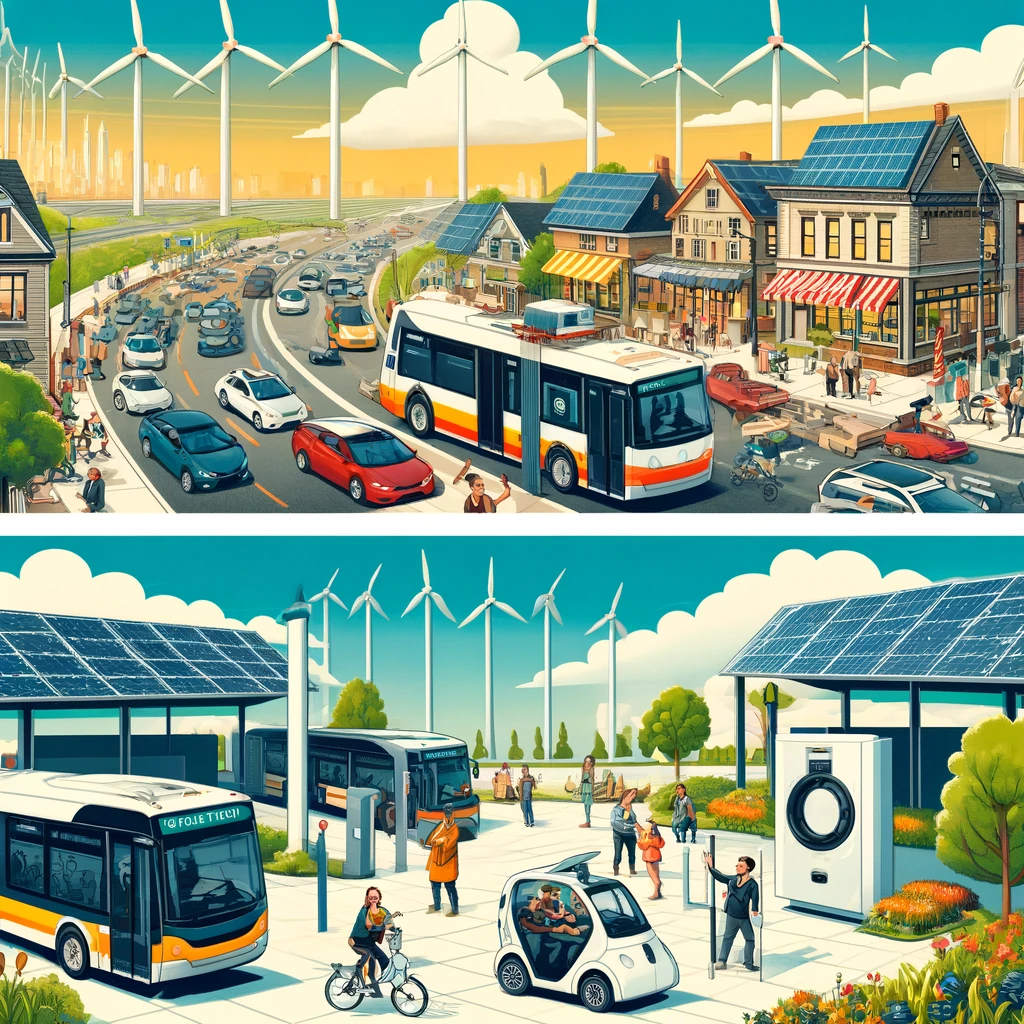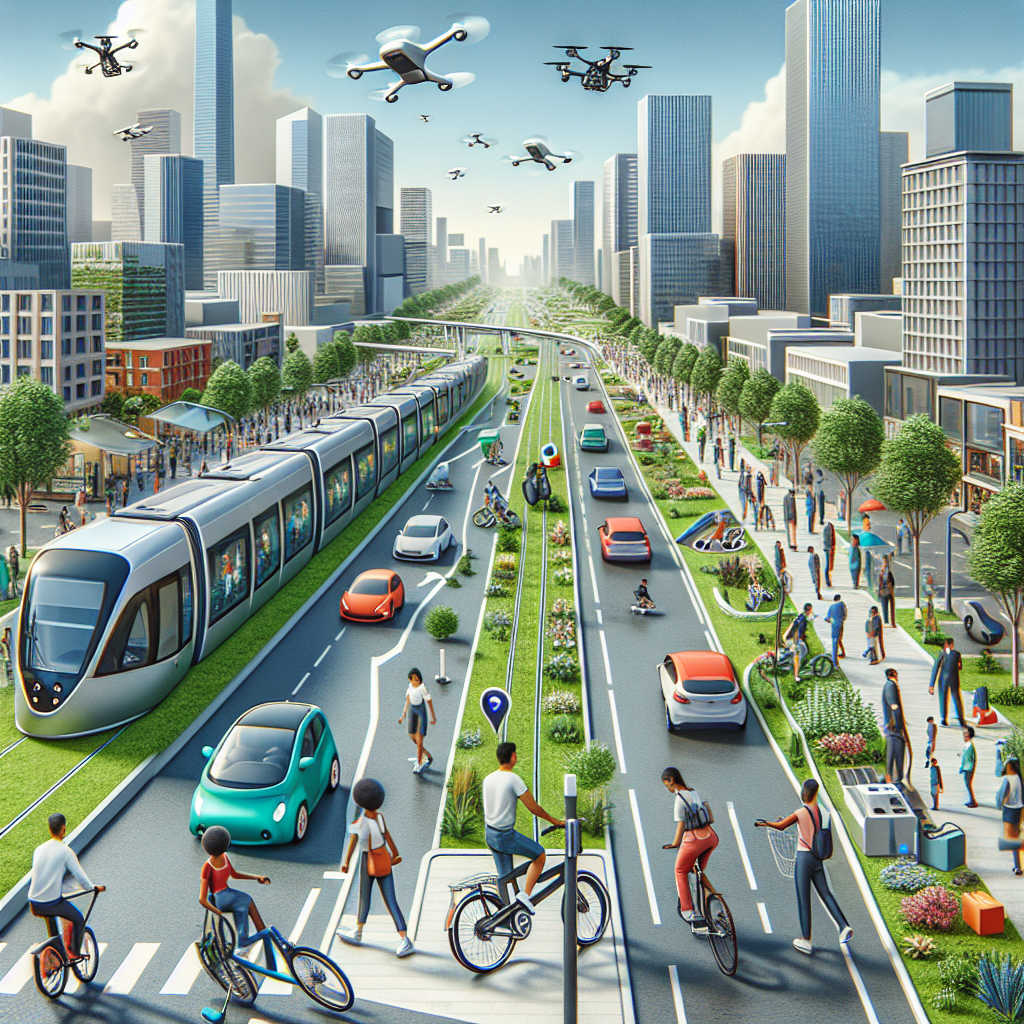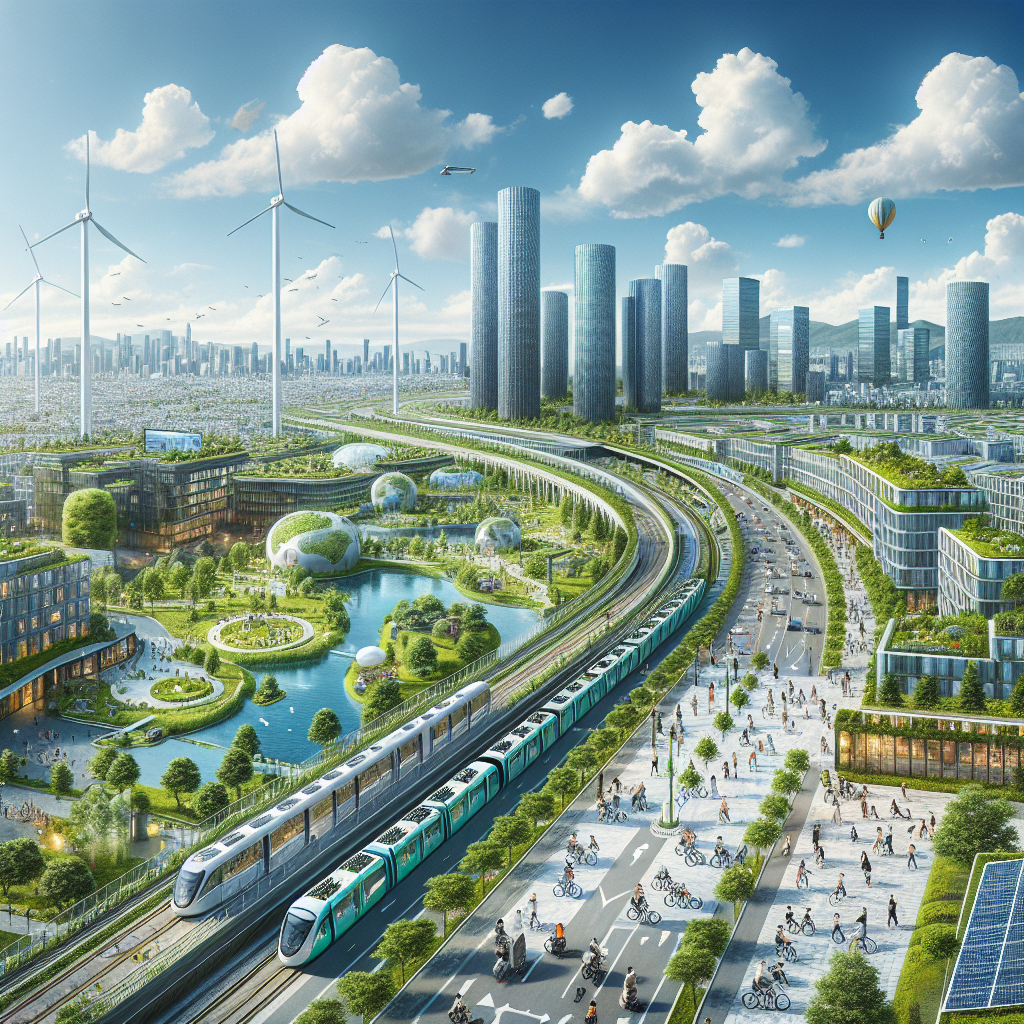
In the realm of urban planning, the thread of sustainability is becoming increasingly paramount. The escalating challenges of population growth, climate change, and waste management necessitate innovative approaches that not only accommodate burgeoning urban centers but also promote environmental stewardship. One of the emerging paradigms in this field is sustainable urban development, a holistic approach to city planning that aims to minimize ecological footprints while fostering vibrant, liveable communities. Integral to this strategy is the incorporation of waste-to-energy (WtE) solutions, an exciting development that transforms waste products into usable energy, thereby addressing two significant urban problems simultaneously: waste management and energy production.
The Imperative of Sustainable Urban Development
Sustainable urban development is not merely a trend but a necessity for the future of our planet. Traditional urban planning methods have often led to sprawling megacities, unsustainable resource consumption, and profound environmental impacts. The United Nations predicts that by 2050, around 68% of the world’s population will live in urban areas. This rapid urbanization poses several challenges, including the strain on natural resources, increased greenhouse gas emissions, and mounting waste generation.
At the core of sustainable urban development is the principle of creating cities that are environmentally, economically, and socially sustainable. These cities leverage renewable energy sources, enforce strict waste management protocols, and prioritize green spaces and infrastructure. Sustainable urban planning not only mitigates environmental degradation but also enhances the quality of life by cultivating healthier, more resilient communities.
Within this framework, waste-to-energy solutions emerge as a crucial component. These technologies address waste-related issues by converting refuse into valuable energy, thereby reducing the burden on landfills and decreasing greenhouse gas emissions. Additionally, they offer a renewable energy source that contributes to the overall energy mix of a sustainable city, illustrating a clear path toward urban resilience and sustainability.
Understanding Waste-to-Energy Technologies
Waste-to-energy technologies encompass various processes that convert waste materials into energy, typically in the form of electricity, heat, or fuel. The most commonly used methods are incineration, gasification, anaerobic digestion, and pyrolysis. Each of these processes involves different levels of complexity, efficiency, and environmental impact.
Incineration: This is the most widely implemented WtE technology, where waste is burned in a controlled environment to produce heat, which is then used to generate electricity. Modern incineration plants are equipped with advanced filtration systems to minimize emissions, making them a cleaner alternative to traditional waste disposal methods.
Gasification: Unlike incineration, gasification converts waste into a synthetic gas, or syngas, through a process that involves high temperatures in a low-oxygen environment. Syngas can be used to generate electricity or converted into fuels and chemicals, offering a versatile and efficient WtE option.
Anaerobic Digestion: This process involves breaking down organic waste materials through microbial activity in an oxygen-free environment. The result is biogas, primarily composed of methane and carbon dioxide, which can be used for electricity generation, heating, or as a vehicle fuel.
Pyrolysis: In this method, waste is thermally decomposed in the absence of oxygen, producing pyrolysis oil, syngas, and char. These by-products can be used as fuels or further processed into valuable chemicals, contributing to resource recovery and energy production.
Each of these WtE technologies plays a vital role in sustainable urban development by providing a means to transform waste into energy, thus promoting resource efficiency and reducing environmental impacts.
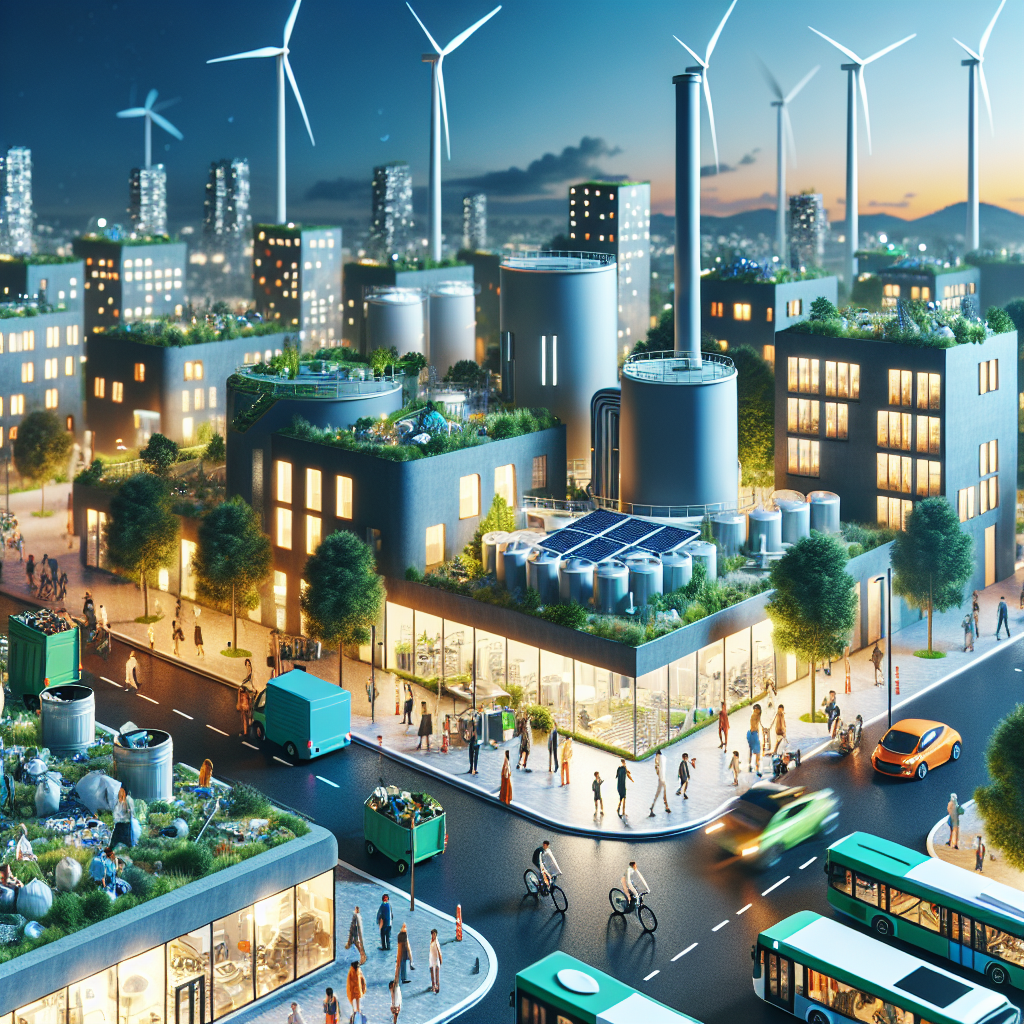
Integrating Waste-to-Energy Solutions in Urban Planning
Integrating waste-to-energy solutions into urban planning requires a strategic and multifaceted approach. Planners must consider the local waste composition, energy needs, and existing infrastructure to devise effective WtE systems. Collaboration among government agencies, private sector partners, and community stakeholders is essential to ensure the successful implementation and operation of WtE facilities.
The first step in integrating WtE solutions involves conducting a comprehensive waste audit to understand the types and quantities of waste generated within the urban area. This data informs the selection of appropriate WtE technologies that align with local waste characteristics and energy demands.
Another critical factor is the establishment of supportive policies and regulations that incentivize the adoption of WtE solutions. Governments can introduce measures such as tax incentives, grants, and subsidies to encourage investment in WtE infrastructure. Additionally, stringent waste management regulations and targets can drive the diversion of waste from landfills to WtE facilities, further enhancing sustainability goals.
Community engagement and education are also paramount. Public awareness campaigns can highlight the benefits of WtE solutions and foster a culture of sustainability within the community. By involving residents in waste segregation and collection initiatives, cities can ensure a steady supply of feedstock for WtE plants, maximizing their efficiency and output.
Case Studies of Successful Waste-to-Energy Implementation
Several cities around the world have successfully integrated WtE solutions into their urban planning strategies, demonstrating the potential of these technologies to drive sustainable development.
Copenhagen, Denmark: The city’s Amager Bakke waste-to-energy plant is a prime example of innovative WtE implementation. The facility processes approximately 400,000 tons of waste annually, generating electricity and district heating for over 100,000 households. Amager Bakke also features a ski slope and recreational area on its roof, showcasing the potential for multifunctional WtE infrastructure.
Singapore: The Tuas Nexus Integrated Waste Management Facility is set to be a game-changer for waste management in Singapore. The facility will combine waste-to-energy, wastewater treatment, and food waste processing, creating a synergistic system that maximizes resource recovery and energy production. Upon completion, Tuas Nexus is expected to significantly enhance Singapore’s sustainability efforts and energy self-sufficiency.
San Francisco, USA: San Francisco has implemented a comprehensive waste management strategy that includes robust recycling programs and the conversion of organic waste into biogas through anaerobic digestion. The city’s WtE initiatives contribute to its ambitious goal of achieving zero waste by 2020, reducing landfill usage and greenhouse gas emissions.
These case studies illustrate the diverse ways in which cities can leverage WtE technologies to promote sustainability, improve waste management, and enhance energy security.
The Future of Waste-to-Energy in Urban Development
As cities continue to grow and evolve, the role of waste-to-energy solutions in urban development is poised to expand. Advancements in WtE technologies, coupled with increasing emphasis on sustainability, are likely to drive greater adoption and innovation in this field.
One key area of future development is the integration of smart technologies and data analytics into WtE systems. IoT sensors and data monitoring tools can optimize the operation of WtE facilities, enhancing efficiency, reducing downtime, and minimizing environmental impacts. By leveraging real-time data, cities can better manage waste streams and energy production, creating a more responsive and adaptive urban infrastructure.
Another promising avenue is the development of decentralized WtE solutions. Smaller-scale WtE plants can be integrated into individual neighborhoods or commercial districts, reducing the need for extensive waste transportation and providing localized energy production. This approach can enhance community resilience and enable more circular resource management practices.
Furthermore, ongoing research and innovation in the field of WtE are likely to yield new and improved technologies. For instance, advancements in microbial fuel cells, plasma gasification, and bioelectrochemical systems hold the potential to revolutionize waste conversion processes, making them more efficient, cost-effective, and environmentally friendly.
Challenges and Considerations in WtE Implementation
While waste-to-energy solutions offer numerous benefits, their implementation is not without challenges. One of the primary concerns is the environmental impact of WtE processes, particularly emissions from incineration and gasification. Although modern WtE plants are equipped with advanced emission control systems, continuous monitoring and stringent regulatory oversight are necessary to ensure compliance with environmental standards.
Another challenge is the economic feasibility of WtE projects. The initial capital investment for WtE infrastructure can be substantial, and the economic viability depends on various factors such as waste availability, energy prices, and governmental support. Policymakers and urban planners must carefully assess the cost-benefit dynamics and explore financing mechanisms to make WtE projects financially sustainable.
Moreover, social acceptance and community support are critical for the success of WtE initiatives. Public perception of WtE technologies can be influenced by concerns about pollution, health risks, and potential disruptions to local communities. Effective communication and engagement strategies are essential to address these concerns, build trust, and foster a collaborative approach to sustainable urban development.
Lastly, comprehensive waste management systems are a prerequisite for successful WtE implementation. Cities need to ensure effective waste segregation, collection, and transportation processes to provide consistent and high-quality feedstock for WtE facilities. Integrating WtE solutions into broader waste management frameworks can enhance overall system efficiency and resource recovery.
Conclusion: Embracing a Sustainable Urban Future
Sustainable urban development is essential for addressing the multifaceted challenges posed by rapid urbanization and environmental degradation. Within this context, waste-to-energy solutions offer a promising avenue for transforming waste into valuable resources, reducing landfills, and contributing to renewable energy production.
By understanding the various WtE technologies, integrating these solutions into urban planning strategies, and learning from successful case studies, cities can harness the potential of WtE to drive sustainability and resilience. The future of urban development lies in innovative and holistic approaches that prioritize environmental stewardship, resource efficiency, and the well-being of residents.
However, realizing the full potential of WtE requires overcoming challenges related to environmental impact, economic feasibility, social acceptance, and waste management systems. Policymakers, urban planners, and stakeholders must collaborate to address these challenges, develop supportive policies, and engage communities in the journey towards sustainable urban development.
As we look towards the future, embracing waste-to-energy solutions and other sustainable practices will be key to creating cities that are not only liveable and vibrant but also resilient and environmentally responsible. By rethinking our approach to waste and energy, we can pave the way for a more sustainable and equitable urban future.
Frequently Asked Questions
1. What is sustainable urban development and why is it important?
Sustainable urban development is a holistic approach to designing and planning cities that aims to balance economic growth, social well-being, and environmental protection. This approach is crucial because as cities grow, they face challenges like increased waste generation, energy consumption, and greenhouse gas emissions, all of which contribute to climate change. Sustainable urban development strives to minimize cities’ ecological footprints by promoting efficient energy use, reducing waste, and enhancing green spaces. By focusing on these areas, sustainable urban development helps create cities that are not only liveable and vibrant but also resilient in the face of environmental changes. This is essential for ensuring the long-term health and quality of life for both present and future urban residents.
2. How does waste-to-energy technology contribute to sustainable urban development?
Waste-to-energy (WtE) technology plays a pivotal role in sustainable urban development by transforming urban waste into usable energy, thus tackling two problems at once: waste disposal and energy generation. This technology involves converting municipal solid waste into energy, such as electricity or heat, through processes like combustion, gasification, and anaerobic digestion. By using WtE solutions, cities can decrease their dependence on landfills, which are a major source of methane emissions, a potent greenhouse gas. Additionally, WtE reduces the volume of waste, recycles valuable materials, and generates energy locally, lessening reliance on fossil fuels. All of these benefits contribute to the creation of a sustainable urban environment, where waste is managed more efficiently, resources are used circularly, and negative environmental impacts are significantly mitigated.
3. Are there any environmental concerns associated with waste-to-energy solutions?
While waste-to-energy facilities offer numerous benefits, they are also associated with some environmental concerns that need to be carefully managed. One concern is the emission of air pollutants, such as dioxins, furans, and particulate matter, which can affect air quality and public health if not properly controlled. Modern WtE plants, however, are equipped with advanced emission control systems that significantly reduce these pollutants. Another concern is the potential for the facilities to discourage recycling; however, efficient waste-to-energy systems are often integrated into broader waste management strategies that prioritize waste reduction, reuse, and recycling. By ensuring a balanced approach that incorporates recycling and recovery, the environmental impacts can be minimized while maximizing the benefits of waste-to-energy technology.
4. How do cities implement waste-to-energy solutions effectively?
To implement waste-to-energy solutions effectively, cities must first conduct a thorough assessment of their waste management needs and resources. This involves understanding the composition and volume of waste generated, identifying potential sites for WtE facilities, and evaluating the available technologies. Collaboration with stakeholders, including the local community, industry experts, and government agencies, is crucial for ensuring an integrated and accepted approach. Additionally, cities should invest in public awareness campaigns to educate residents about waste reduction and the benefits of WtE. Infrastructure, such as efficient collection and transportation systems, is essential for feeding waste reliably to the facilities. By establishing clear regulations and incentives that encourage innovation in waste management and energy production, cities can effectively harness waste-to-energy solutions as a cornerstone of their sustainable urban development strategy.
5. What are the economic benefits of adopting waste-to-energy technologies in urban areas?
Adopting waste-to-energy technologies in urban areas offers significant economic benefits. Firstly, it reduces the cost associated with landfill management, such as land acquisition, maintenance, and monitoring, which can be substantial in densely populated cities. Moreover, WtE facilities provide a consistent and reliable source of local energy, helping stabilize energy prices and reduce reliance on imported fossil fuels. This energy can be sold to generate revenue or used to power public services, reducing municipal energy costs. The development of WtE projects also has the potential to create jobs in construction, operation, and maintenance, contributing to the local economy. By integrating these systems into the urban landscape, cities can leverage waste management as an economic asset rather than a burden, driving both economic growth and sustainability goals forward harmoniously.