Sustainable urban design is no longer an optional consideration; it has become a necessity for cities around the globe. With the rapid pace of urbanization, the implications of not adopting sustainable measures can be devastating, both for the environment and the quality of life of those residing in urban areas. Sustainable urban development aims to create urban areas that are not only conducive to human habitation but also have minimal impact on the environment. By absorbing the principles and practices of sustainable urban design, urban planners can build cities that flourish socially, environmentally, and economically.
The concept of sustainability in urban planning revolves around the idea of creating efficient and equitable urban systems. This involves reducing waste and energy consumption, promoting renewable energy sources, ensuring that transportation systems are efficient, and designing buildings that are energy-efficient. The goal? To construct cities that will stand the test of time by being environmentally responsible and resource-efficient throughout their life cycles, from siting to design, construction, operation, and maintenance.
With an array of benefits including reduced carbon footprints, improved public health, and greater community cohesion, sustainable urban development offers an attractive solution to many of the problems faced by modern cities. This article delves into the principles and practices of sustainable urban design, detailing the strategic measures and methodologies necessary to create environmentally balanced urban spaces.
Principles of Sustainable Urban Design
The principles of sustainable urban design are holistic and comprehensive, aiming to integrate sustainable practices into the very fabric of urban development. Here are some of the key principles:
1. Compact Urban Growth:
High-density urban growth reduces land consumption and minimizes the need for extensive infrastructure networks. By focusing development within a limited area, cities can preserve green spaces and minimize sprawl, leading to a more efficient use of resources.
2. Mixed-Use Development:
Mixed-use development entails designing urban areas that combine residential, commercial, and recreational uses within close proximity. This approach reduces the need for long commutes and promotes a more vibrant and dynamic urban environment.
3. Green Building Practices:
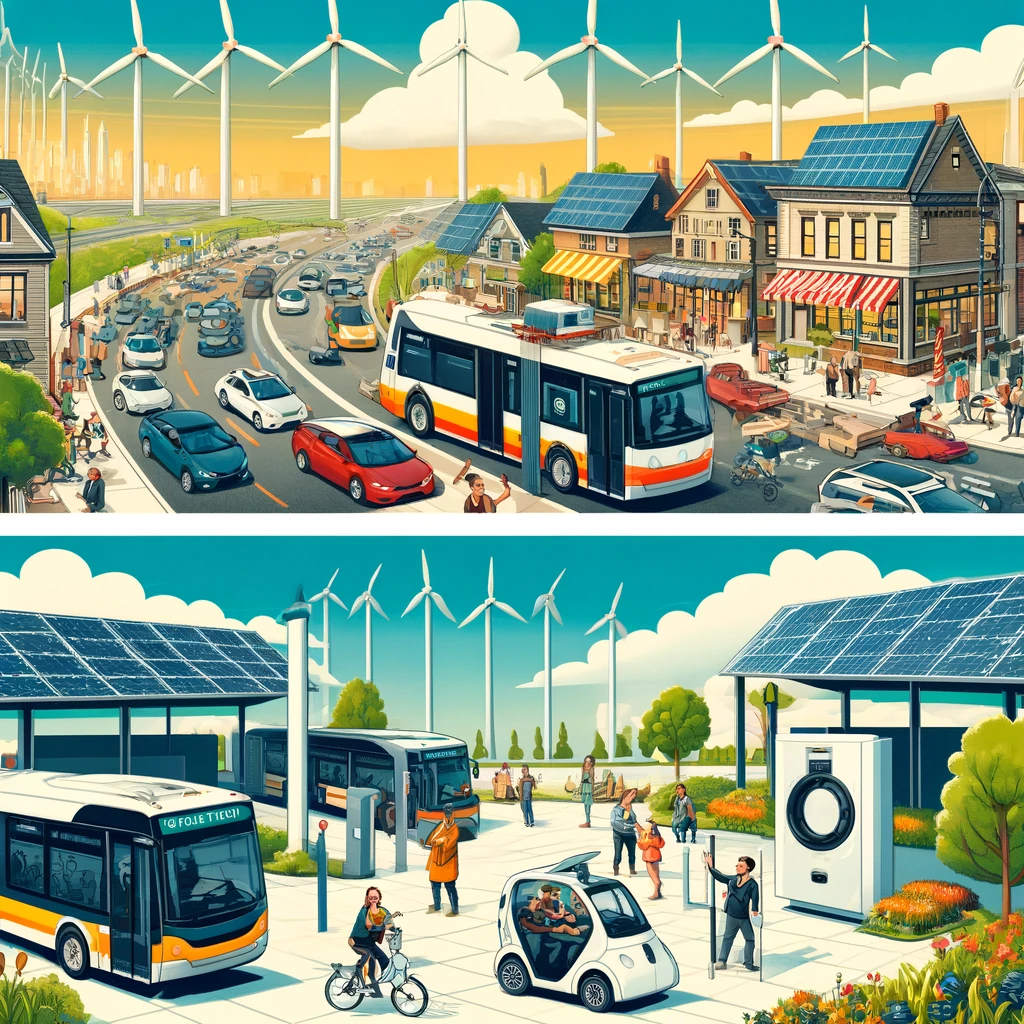
Incorporating green building practices involves using materials and designs that are eco-friendly and energy-efficient. Green buildings often include features like solar panels, green roofs, and efficient water use systems, which contribute to overall environmental sustainability.
4. Sustainable Transportation:
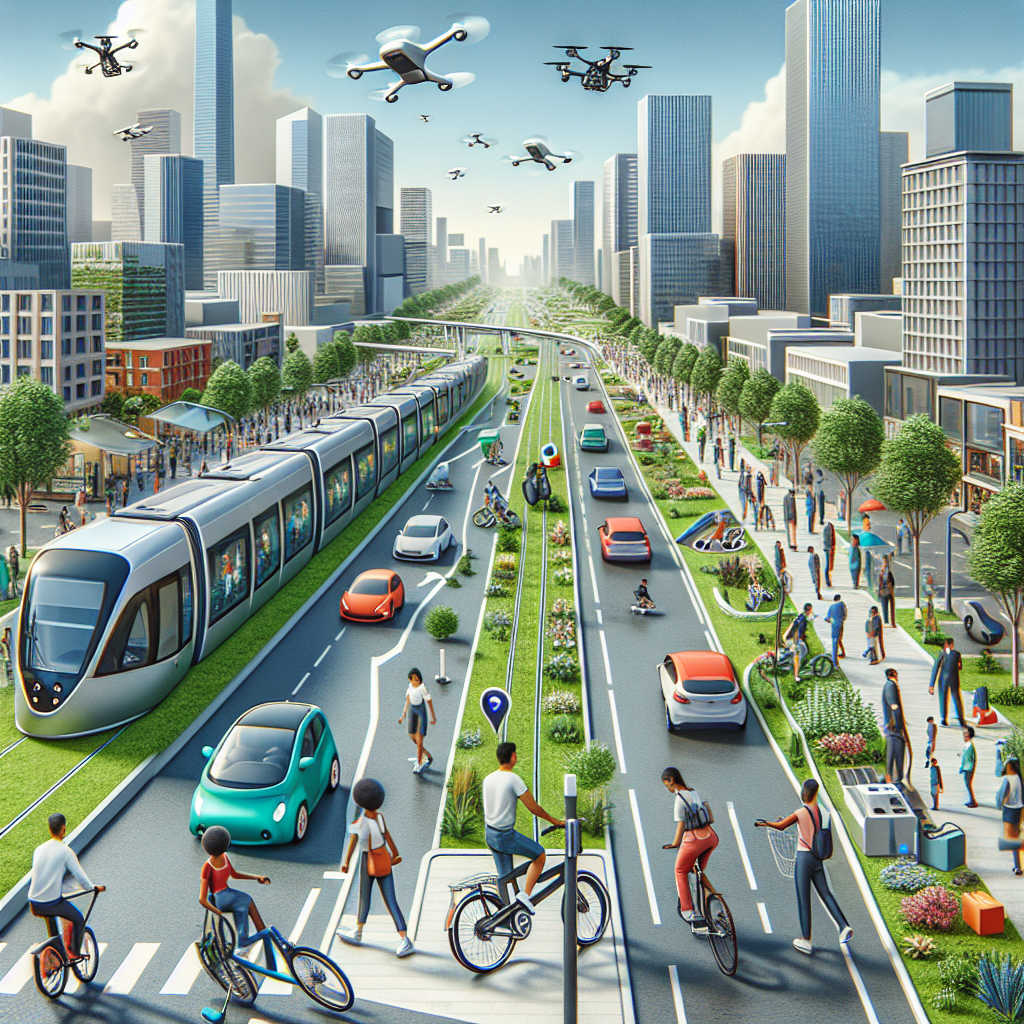
Promoting public transportation, cycling, and walking reduces the reliance on fossil-fuel-powered vehicles. Efficient public transit systems and safe cycling lanes can dramatically cut greenhouse gas emissions and improve urban air quality.
5. Preservation of Natural Landscapes:
Sustainable urban design also emphasizes the importance of preserving natural landscapes and features such as rivers, forests, and wetlands. These natural elements can help manage stormwater, improve air quality, and offer recreational opportunities to residents.
Water Management in Urban Areas
Effective water management is a critical facet of sustainable urban development. Urban areas often face challenges related to both the quantity and quality of water. Sustainable water management strategies aim not only to provide sufficient water supply but also to manage wastewater and stormwater effectively.
Water-Conserving Landscapes:
Using drought-resistant plants and efficient irrigation systems can substantially reduce water usage in urban areas. Xeriscaping, for instance, is a landscaping method that reduces the need for irrigation by utilizing plants that are naturally suited to the local climate conditions.
Stormwater Management:
Effective stormwater management is essential for preventing flooding and water pollution. Sustainable strategies include the use of permeable pavements, green roofs, and rain gardens, which allow water to be absorbed and filtered naturally.
Wastewater Treatment and Reuse:
Sustainable urban design also emphasizes treating and reusing wastewater. Technologies such as constructed wetlands and decentralized wastewater systems can cleanse water and make it safe for reuse in irrigation, industrial processes, or even as potable water after appropriate treatment.
Water-Efficient Appliances:
Encouraging the use of water-efficient appliances in homes and businesses can further reduce water consumption. Innovations like low-flow toilets, faucets, and showerheads contribute significantly to water conservation efforts.
Energy Efficiency and Renewable Energy
Energy efficiency and the use of renewable energy sources are at the heart of sustainable urban design. By reducing energy consumption and promoting green energy, urban areas can significantly decrease their environmental footprint.
Energy-Efficient Building Design:
Integrating energy-efficient building designs is paramount. This includes using insulation, high-efficiency windows, and energy-efficient lighting and appliances. Proper building orientation to maximize natural light and ventilation can also contribute to significant energy savings.
Solar and Wind Energy:
Renewable energy sources such as solar and wind energy provide sustainable alternatives to fossil fuels. Installing solar panels on rooftops or integrating wind turbines into the urban landscape can generate clean energy and reduce reliance on non-renewable resources.
Smart Grids:
Developing smart grids allows for more efficient distribution and usage of electricity. By using advanced technologies to monitor and manage energy flow, smart grids can reduce energy waste and integrate renewable sources more effectively.
Public Awareness and Incentives:
Public education and incentives are crucial for promoting energy efficiency. Providing information on energy-saving measures and offering financial incentives for adopting renewable energy technologies can motivate residents and businesses to make sustainable choices.
Waste Management and Recycling
Effective waste management and recycling are integral to creating sustainable urban environments. By minimizing waste and maximizing recycling efforts, urban areas can reduce their environmental impact and promote a circular economy.
Reduce, Reuse, Recycle:
The three R’s – reduce, reuse, and recycle – form the cornerstone of sustainable waste management. Encouraging practices such as reducing consumption, reusing materials, and recycling waste can significantly cut down on landfill use and resource depletion.
Composting:
Composting organic waste is a sustainable way to manage biodegradable materials. By turning kitchen scraps, yard waste, and other organic matter into compost, cities can reduce landfill waste and produce nutrient-rich soil for urban gardens and green spaces.
Resource Recovery Facilities:
These facilities are designed to extract valuable resources from waste, such as metals, plastics, and organic matter. By implementing advanced sorting and processing technologies, resource recovery facilities can divert a significant portion of waste from landfills and reduce the need for virgin materials.
Producer Responsibility:
Manufacturers have a role to play in sustainable waste management as well. By adopting extended producer responsibility (EPR) programs, companies can take responsibility for the entire life cycle of their products, from production to disposal, encouraging the design of more sustainable and easily recyclable products.
Promoting Social Sustainability
While environmental and economic factors are crucial, social sustainability is equally important in creating thriving urban areas. Social sustainability involves enhancing the well-being and quality of life for all residents, fostering inclusive, resilient, and equitable communities.
Affordable Housing:
Providing affordable housing options ensures that all residents, regardless of income level, have access to safe and comfortable living conditions. This can help reduce socio-economic disparities and promote social cohesion.
Community Engagement:
Engaging residents in the planning and decision-making processes is vital for creating a sense of ownership and community pride. Public consultations, participatory budgeting, and community planning workshops encourage active involvement and ensure that urban development reflects the needs and aspirations of the people it serves.
Public Spaces and Amenities:
Well-designed public spaces, such as parks, playgrounds, and community centers, contribute to social sustainability by providing areas for recreation, social interaction, and cultural activities. These spaces can help foster a sense of community, reduce stress, and improve overall well-being.
Inclusive Infrastructure:
Ensuring that urban infrastructure is accessible to all, including people with disabilities, the elderly, and children, is crucial for social sustainability. This includes providing safe and accessible public transportation, pedestrian pathways, and public facilities.
Conclusion
Sustainable urban design is a multifaceted and dynamic field that integrates environmental, economic, and social considerations to create urban areas that are built to last. By adhering to the principles of compact urban growth, mixed-use development, green building practices, sustainable transportation, water management, energy efficiency, waste management, and social sustainability, cities can significantly reduce their environmental footprint and enhance the quality of life for their residents.
Implementing these principles requires a collaborative effort from urban planners, architects, policymakers, businesses, and the community at large. By prioritizing sustainability in urban design, cities can become more resilient, equitable, and environmentally responsible, ensuring a high quality of life for current and future generations.
As we move forward, the commitment to sustainable urban development will play a pivotal role in addressing the challenges posed by climate change, resource depletion, and population growth. Embracing sustainable practices and fostering a culture of sustainability within our urban environments is not just an option – it is an imperative for building a healthier, more sustainable future.
Frequently Asked Questions
1. What is sustainable urban design and why is it important?
Sustainable urban design refers to the planning and creation of urban spaces that focus on minimizing the negative impact on the environment while enhancing the quality of life for its residents. It involves implementing practices that promote energy efficiency, reduce waste, increase green space, and prioritize sustainable transportation options. The importance of sustainable urban design arises from the urgent need to address the environmental challenges posed by rapid urbanization. As cities grow, they contribute significantly to pollution, resource depletion, and climate change. By adopting sustainable practices, cities can reduce their carbon footprint, manage resources better, and improve the health and well-being of their inhabitants.
2. What are the core principles of sustainable urban design?
The core principles of sustainable urban design revolve around creating livable, resilient, and environmentally responsible urban spaces. Key principles include:
- Compact Urban Form: Promoting higher-density developments to reduce the need for extensive transportation infrastructure and preserve natural landscapes.
- Mixed-Use Development: Encouraging a blend of residential, commercial, and recreational spaces to minimize the need for long commutes and increase accessibility to amenities.
- Green Infrastructure: Incorporating natural elements like parks, green roofs, and community gardens to enhance biodiversity, manage stormwater, and improve air quality.
- Sustainable Transportation: Prioritizing pedestrian-friendly designs, cycling infrastructure, and public transportation to reduce reliance on cars.
- Energy Efficiency: Utilizing renewable energy sources and energy-efficient building practices to lower consumption and emissions.
3. How does sustainable urban design improve the quality of life for city residents?
Sustainable urban design significantly enhances the quality of life by creating healthier and more equitable communities. It ensures access to green spaces, which improve mental and physical health, and reduces pollution, which results in better air and water quality. It promotes social interaction through pedestrian-friendly environments and public spaces. Additionally, by designing for accessibility, it reduces social disparities and ensures that everyone, regardless of age or ability, can partake in urban life. Importantly, energy-efficient buildings and reduced vehicular traffic lead to lower utility bills and reduced living costs for residents.
4. What role does public participation play in sustainable urban design?
Public participation is a cornerstone of sustainable urban design. Engaging the community ensures that the developments meet the actual needs and desires of the people who live there. This participatory approach leads to more equitable, inclusive, and accepted outcomes. In practice, this can be achieved through public consultations, workshops, and collaborative platforms where residents can express their opinions and contribute ideas. The feedback helps designers and planners align their strategies with the community’s vision, thus fostering a sense of ownership and commitment to the successful implementation of the design.
5. How can existing cities transition to more sustainable urban designs?
Transforming existing cities into sustainable environments is a challenging yet feasible process that involves strategic planning and phased implementation. This transition can start with small-scale interventions like introducing green roofs and urban gardens, which can have immediate positive effects. Cities can also retrofit infrastructure to reduce energy usage, modify zoning laws to support mixed-use developments, and enhance public transportation networks. Importantly, education and awareness campaigns are crucial to inform residents and stakeholders about sustainability practices and benefits. Collaborating with private sectors, governments, and communities will also be pivotal in securing the resources and support for these initiatives. Through innovative policies, incentives, and investment in technology and green solutions, cities can evolve towards sustainability at both micro and macro levels.