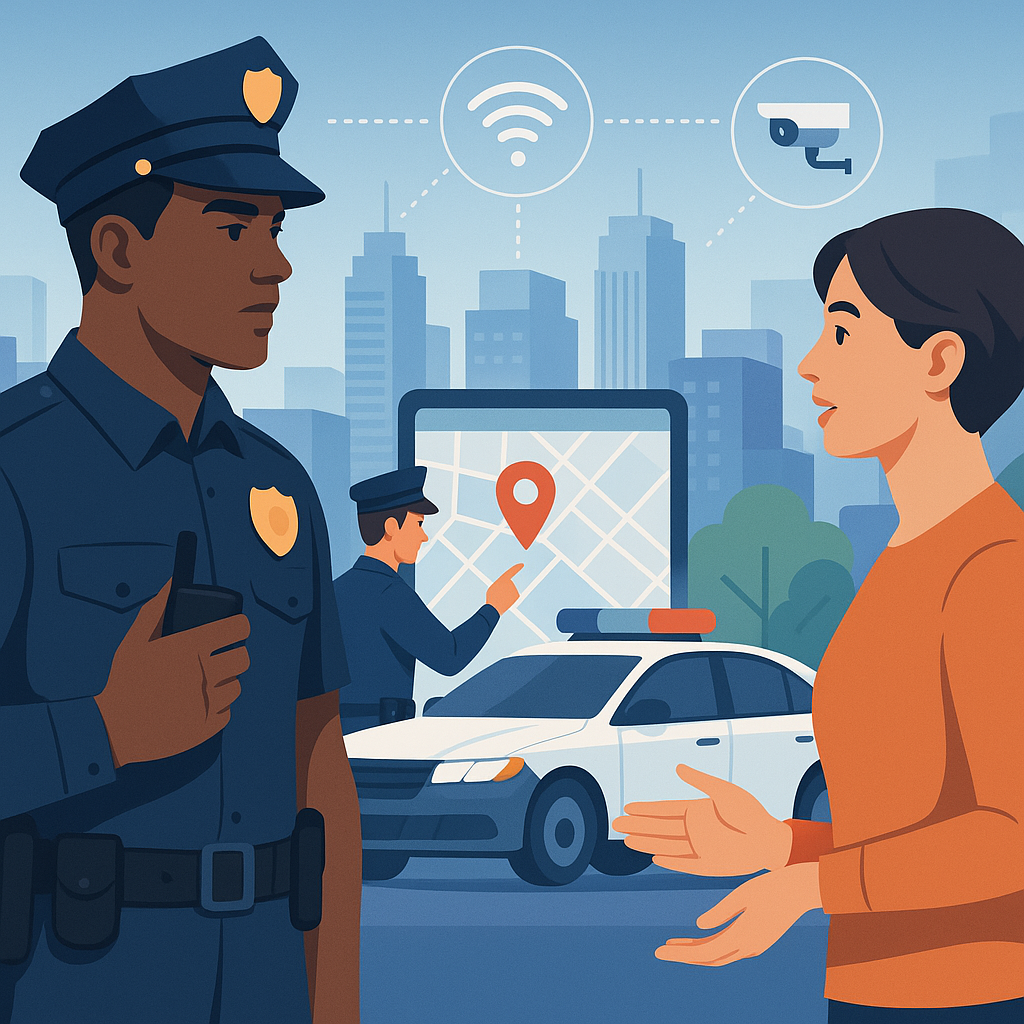
In today’s fast-evolving urban landscapes, public safety presents a unique set of challenges and opportunities. The buzz around urban public safety is not unfounded; it commands attention due to its crucial role in enhancing the quality of life in city environments. But what does this entail, exactly? Urban public safety involves implementing strategic initiatives to safeguard residents from crime and unrest. Key strategies include community policing—an approach whereby police build ties and work closely with community members—and the integration of modern technology. Together, these can create a safer, more secure urban environment. However, understanding and executing these strategies is not a straightforward task. It requires a nuanced approach to blending human elements with technological advancements. This topic matters because the very fabric of urban life depends on effectively safeguarding citizens as they go about their daily activities, and everyone stands to benefit from reduced crime rates, increased trust, and the peace of mind that comes from living in a safe neighborhood.
The Role of Technology in Urban Public Safety
Technology is revolutionizing the public safety landscape in urban areas. From advanced surveillance systems to predictive analytics, these digital advancements allow law enforcement agencies to respond to crimes more effectively and efficiently. A real-world example can be found in Chicago, where the city has deployed a network of more than 30,000 surveillance cameras connected through a smart system called Operation Virtual Shield. This video surveillance provides real-time data fed into an integrated platform, enabling quicker response times for police and emergency services. Beyond surveillance, predictive policing uses algorithms to analyze data and forecast potential hotspots for criminal activity. This empowers officers to be more proactive, targeting resources where they are most needed and potentially preventing crimes before they happen. In simple terms, technology acts as a force multiplier, amplifying the capabilities of traditional police work and thus enhancing public safety efforts in urban centers.
Community Policing: Building Trust and Collaboration
The essence of community policing lies in fostering trust and collaboration between the police force and the communities they serve. This approach moves away from the traditional enforcement model, instead focusing on partnership and problem-solving. Consider the example of Los Angeles, where the LAPD initiated a community policing strategy known as Community Safety Partnership (CSP). This program assigns officers to specific neighborhoods for extended periods, allowing them to build relationships with residents and better understand community concerns. The results have been promising—crime rates in CSP areas have declined significantly, and trust between residents and police officers has improved. Community policing relies heavily on the notion of visibility and familiarity, enabling officers to become integrated parts of the community’s social fabric. Such integration allows for open lines of communication, whereby residents feel comfortable reporting minor issues before they evolve into major problems.
Technology and Community Synergy: A Collaborative Framework
Combining technology with community policing creates a powerful synergy that enhances urban public safety. By leveraging both elements, cities can address complex safety challenges in a holistic manner. Consider the model implemented in New York City, which synthesizes data-driven policing concepts with community engagement initiatives. The NYPD’s CompStat program is a prime example, where data analytics and community feedback collaborate to improve public safety outcomes. CompStat meetings focus on precinct-specific data but are heavily reliant on community input to identify local issues that may not appear in numbers alone. This dual approach has led to more nuanced policing and a decline in crime rates. It is important for communities to recognize this synergy, as technology without trust, or vice versa, can lead to gaps in service and communication. With a carefully integrated approach, urban areas stand a better chance of becoming safe havens for their inhabitants.
| Technology | Community Policing | Benefits of Integration |
|---|---|---|
| Surveillance Systems | Increased Officer Presence in Communities | Real-time Monitoring and Immediate Response |
| Predictive Analytics | Neighborhood-based Assignments | Proactive Crime Prevention |
| Smart Communication Networks | Community Trust Building Initiatives | Improved Communication and Collaboration |
Challenges and Considerations in Integration
While the integration of technology and community policing offers many advantages, it also comes with its set of challenges. Firstly, privacy concerns are a primary issue with increased surveillance. Citizens often feel uneasy about the constant presence of cameras and data tracking methods, which can be perceived as an intrusion into personal space. Another challenge is the digital divide, where unequal access to technology and digital tools can hinder their effective implementation. For instance, poorer neighborhoods might not benefit equally from technological investments due to their lack of infrastructure or digital literacy. Lastly, the risk of over-reliance on technology without human oversight can lead to algorithmic biases and errors. To effectively overcome these challenges, police departments and communities need to have open dialogues about privacy, establish equity in technological deployments, and maintain a balanced approach that values human judgment alongside digital capabilities.
Real-world Impacts: Case Study of Camden, New Jersey
Camden, New Jersey, offers an insightful case study on the effects of integrating technology and community policing. Once notorious for its crime rates, Camden initiated a comprehensive police reform in 2013 that incorporated both aspects. The city introduced high-tech equipment such as gunshot detection systems and body cameras, while simultaneously emphasizing community policing. Officers engaged residents through meetings, events, and social activities, creating a robust community connection. Over the years, violent crime rates have plummeted, and residents report feeling more secure. The Camden initiative illustrates the transformative power of technology coupled with active community participation. It points to a broader applicability of these strategies in other urban environments seeking to replicate such positive outcomes.
Steps Toward Implementation: Best Practices for Other Urban Areas
For other urban areas looking to enhance their public safety measures, several best practices can guide the integration of technology and community policing. Initially, conducting a needs assessment helps identify specific crime patterns and community dynamics, informing the technology selection and deployment strategies. This is followed by investing in officer training programs, ensuring they are well-versed in both the technological tools and community engagement techniques. Partnerships with local organizations go a long way in building trust and fostering collaboration. Moreover, maintaining transparency about the types of technology used and its purpose assures the community of its role in ensuring safety, not infringing on privacy. Lastly, instituting measures for accountability, such as regular policy reviews and feedback sessions, keeps the initiatives aligned with community expectations and legal standards. With these practices, cities can chart a clear path toward enhanced urban safety.
Conclusion: The Road Ahead
The journey toward safer urban environments using integrated technology and community policing is a complex yet rewarding path. Recognizing this integration’s potential, urban centers can create safer, more resilient communities. A key takeaway from the discussions is the balanced approach necessary for such integration, addressing security while respecting privacy and fostering trust. The primary benefit for residents is apparent—safer streets, improved community relations, and a sense of involvement in local governance. Looking forward, cities must remain adaptable, consistently evaluating and improving strategies to meet emerging challenges. For individuals and community members, engagement becomes the next logical step. Advocating for informed policies, participating in community meetings, and understanding the roles of technology and trust in public safety can empower citizens to contribute effectively to their communities. A safer urban future demands collaborative effort from both technology and community, reflecting the principle that safety is best achieved together.
Frequently Asked Questions
1. What is urban public safety, and why is it important?
Urban public safety refers to a set of strategic initiatives designed to protect the well-being of residents in city environments. This includes efforts to prevent crime, maintain order, and enhance the overall quality of life in densely populated areas. Urban public safety is crucial because cities are hubs of activity with unique challenges such as high population density, diverse communities, and varied socio-economic conditions. These factors can lead to higher crime rates and social unrest if not properly managed. Effective public safety strategies, therefore, are essential in creating a safe environment where community members can live, work, and play without fear. Moreover, investing in urban public safety is fundamental for economic growth, as it attracts businesses, tourism, and investment by fostering a sense of security and trust. Besides security, public safety initiatives can promote community involvement and cooperation, leading to resilient societies that actively work towards common goals.
2. How does technology enhance urban public safety efforts?
Technology plays a transformative role in urban public safety by enhancing the capabilities of law enforcement and emergency services. One of the primary ways technology contributes is through data-driven approaches. For instance, crime analytics platforms can analyze vast amounts of data to identify patterns and predict crime hotspots, allowing for strategic deployment of police resources. Surveillance technologies, such as CCTV cameras and body-worn cameras, not only act as deterrents but also provide critical evidence in investigations. Moreover, advancements in communication technologies ensure rapid response times by enabling seamless coordination among emergency services and the community. Innovations such as smart street lighting, gunshot detection systems, and emergency apps that allow residents to report incidents in real-time further empower city infrastructures. With the integration of artificial intelligence (AI) and machine learning, there is the potential to automate and streamline numerous processes from monitoring social media channels for potential threats to facial recognition for identifying suspects. However, while technology offers great potential, it’s important to address privacy concerns and ensure ethical use to foster public trust.
3. What is community policing, and how does it fit into urban public safety?
Community policing is a strategy that emphasizes building relationships and working collaboratively with community members to address public safety concerns. Unlike traditional policing methods that can be reactive, community policing focuses on proactive involvement and problem-solving to prevent crime before it happens. This approach fosters trust and mutual understanding between law enforcement and residents, facilitating an open dialogue about safety issues and concerns. Through community policing, officers become more visible and accessible, playing roles not just as enforcers but also as community members who genuinely care about the well-being of the people. In urban settings, community policing can be particularly effective as it capitalizes on the diverse networks and resources within the community to address issues such as cultural misunderstandings, youth violence, and neighborhood disputes. Moreover, community policing encourages the participation of local businesses, schools, and non-profits in safety initiatives, forming partnerships that lead to comprehensive safety strategies. This collaborative effort can lead to innovative problem-solving methods and a shared responsibility for maintaining peace and safety.
4. What are the challenges of integrating technology with community policing in urban environments?
Integrating technology with community policing in urban environments presents a unique set of challenges that need careful consideration. One of the main issues is ensuring equitable access to technology, as not all communities may have the same level of technological infrastructure or literacy. There’s a risk of marginalization if certain groups are unable to engage with technology-driven initiatives. Privacy concerns also arise with the use of surveillance and data-collection tools, which could lead to distrust between the police and the community if not managed transparently. Another challenge is the potential for technology to create a depersonalized policing approach, where reliance on gadgets and data comes at the cost of human interaction that is central to community policing. Additionally, the rapid pace of technological advancement requires ongoing training and support for law enforcement officers to ensure they are equipped to use new tools effectively and ethically. There is also the challenge of maintaining a balance between current technological capabilities and the evolving needs of the community, ensuring that new systems are integrated thoughtfully and contribute positively to safety objectives without overwhelming existing resources.
5. How can communities contribute to successful urban public safety strategies?
Communities are crucial to the success of urban public safety strategies because they offer insight, support, and resources that are invaluable to law enforcement efforts. Community members know their neighborhoods best and can provide police with the knowledge of local dynamics and concerns that might not be immediately apparent to outsiders. This makes them indispensable allies in identifying problems and developing practical solutions. Active community participation can take many forms, such as neighborhood watch programs, public safety workshops, and collaborative forums where residents can voice their concerns and work alongside law enforcement to address them. Engagement initiatives, such as community forums and outreach events, help build trust and provide platforms for education on safety issues and emergency preparedness. Furthermore, community members can assist in disseminating information, promoting safety tips, and rallying support for public safety measures. By taking ownership of their safety, communities can create a cohesive front against crime, encouraging a culture of collective responsibility and resilience. This partnership not only enhances safety outcomes but fosters a more vibrant, committed urban population, ready to uphold the values of peace and security in their everyday lives.