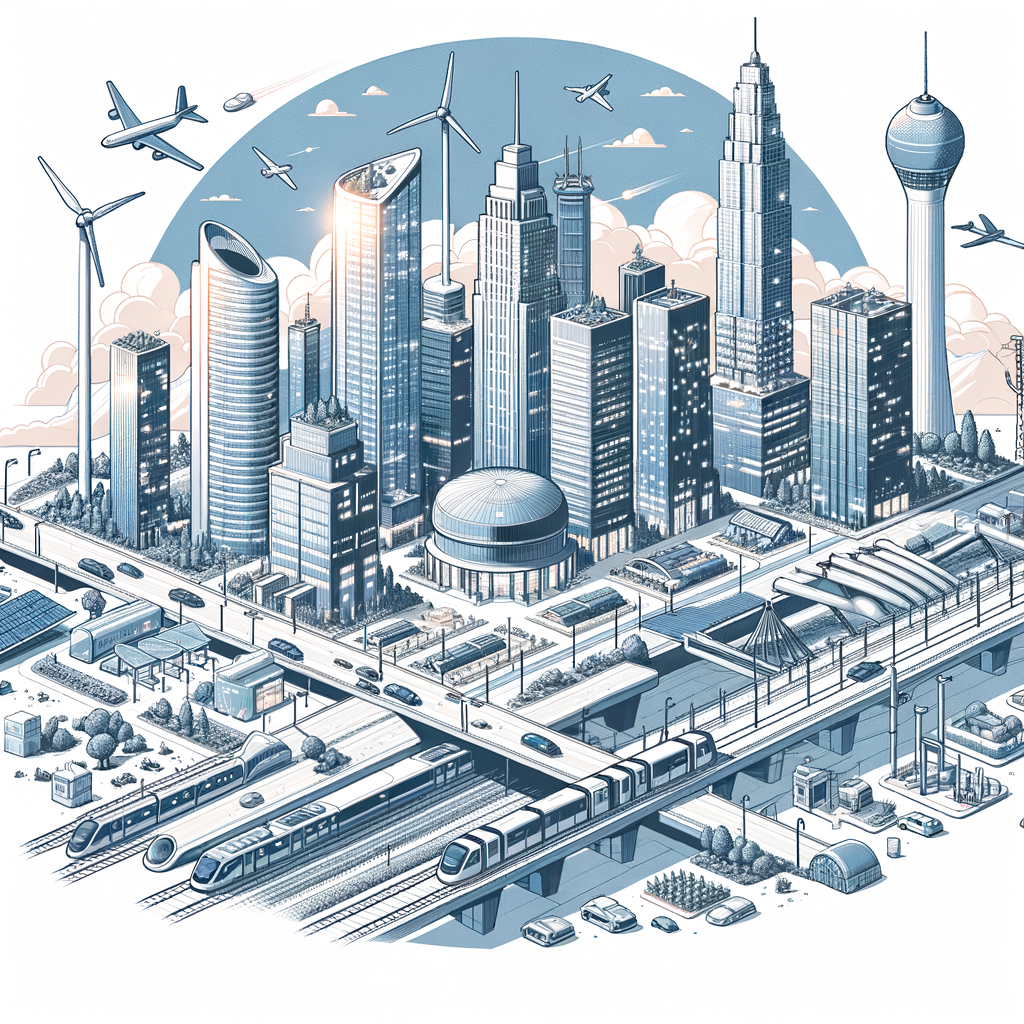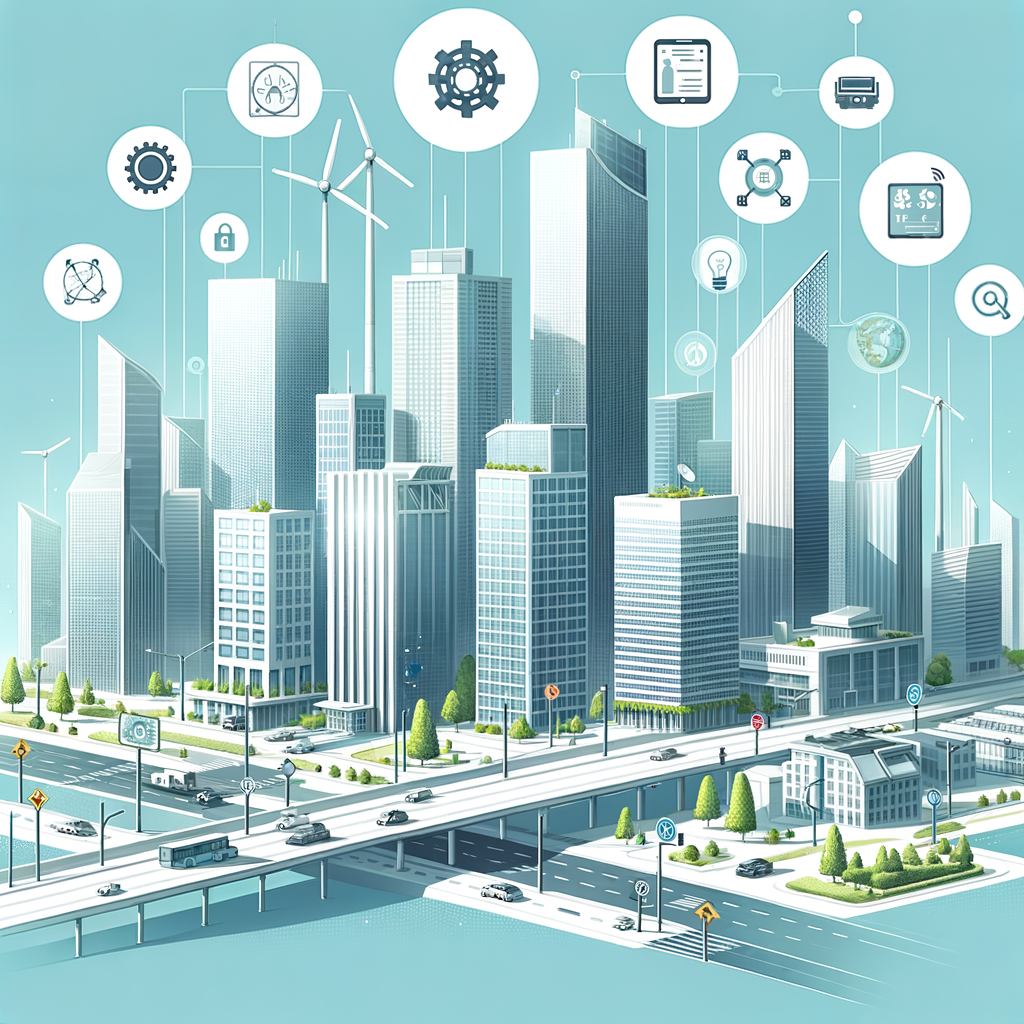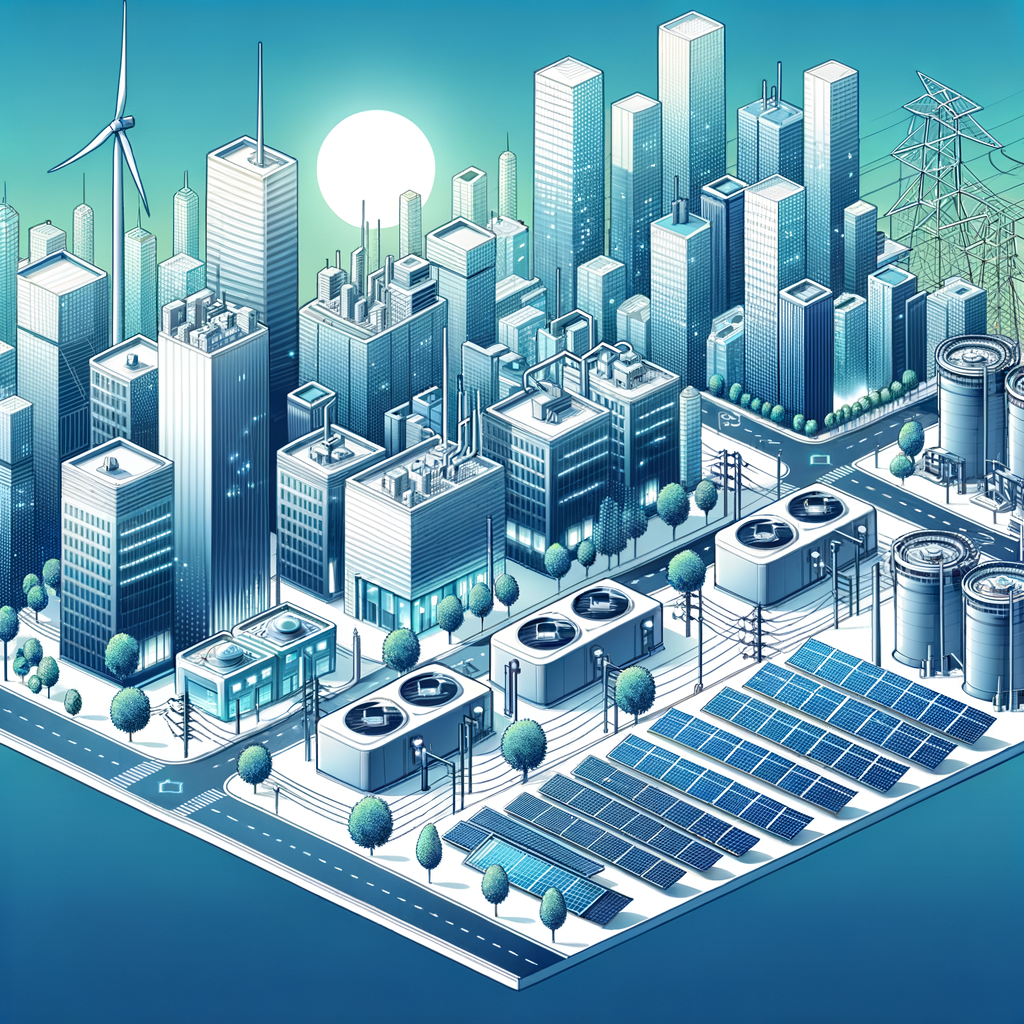
Urban infrastructure represents the backbone that supports the daily functioning of cities around the world. It encompasses the basic physical and organizational structures required for the operation of society’s necessary services and facilities, including transportation systems, water supply, sewage, electrical grids, and telecommunications. As urbanization accelerates, the enhancement and modernization of urban infrastructure become critical to accommodate the burgeoning population efficiently and sustainably. One key area receiving attention in recent years is the integration of advanced energy storage solutions. These solutions enable the effective management of energy demands and supplies within urban environments, ensuring reliability, resilience, and sustainability. The growing prominence of renewable energy sources and the need for energy storage technologies to store and distribute energy efficiently play pivotal roles in shaping modern urban infrastructure. By understanding the synergy between urban infrastructure and energy storage, we can pave the way toward smarter, greener cities that cater to the needs of present and future generations.
Energy storage solutions represent the technologies or systems that store energy for later use, ensuring that energy generated from renewable sources such as solar panels and wind turbines can be harnessed effectively even during periods of low generation. These systems are critical in bridging the gap between supply and demand, reducing the reliance on fossil fuels, and mitigating the impact of energy shortages in densely populated urban areas. With a greater understanding of these concepts, we can appreciate the transformative impact of energy storage on urban infrastructure. This article delves deeply into their interactions, exploring how they enhance cities’ efficiency, reliability, and sustainability.
The Role of Urban Infrastructure
Urban infrastructure stands as a multifaceted system that underpins every facet of life within a city. It incorporates a wide range of components such as roads, bridges, and public transportation networks that facilitate the movement of people and goods, essential for economic activity and urban living. Water and sewage systems ensure the provision of potable water and the safe treatment and disposal of wastewater, critical for public health and sanitation. Additionally, communication networks, including broadband and mobile connectivity, increasingly form a part of core infrastructure requirements, enabling rapid and efficient communication and information exchange. As cities continue to expand, ensuring that these infrastructures can cope with increasing demands is a key challenge for urban planners and policymakers.
Moreover, the function and maintenance of this infrastructure demand significant energy consumption. For instance, the conveyance of water, operation of traffic lights, and illumination of public spaces all rely heavily on consistent and reliable power. These operations largely depend on traditional energy grids primarily powered by fossil fuels, resulting in significant carbon emissions. As environmental concerns rise, the integration of clean, renewable energy sources into these grids to sustain urban infrastructure becomes a paramount objective.
Effective urban infrastructure forms the foundation for prosperous personal, societal, and economic growth. At the same time, it must be robust enough to withstand challenges arising from natural disasters and human-made disruptions. The resilience of a city’s infrastructure plays a critical role in determining its capacity to recover from unforeseen events. As such, ensuring its strength and adaptability aligns with sustainable development goals for cities worldwide.
Importance of Energy Storage Solutions
Energy storage solutions are crucial for evolving urban infrastructures, particularly as cities transition toward increased reliance on renewable energy. Such solutions offer multiple benefits, including enhanced grid stability, improved energy efficiency, and increased resilience against outages. Energy storage systems, such as batteries, compressed air storage, and pumped hydroelectric storage, allow cities to store excess energy generated during peak production periods and deploy it during peak demand periods. This functionality ensures a balanced grid, reducing energy waste and eliminating the need for additional peaking power plants, typically powered by fossil fuels.
Moreover, these technologies play a critical role in facilitating the integration of renewable energy sources into existing power grids. Renewable resources like solar and wind are inherently variable, and their generation does not always coincide with peak consumption times. By utilizing energy storage solutions, cities can harness and store this renewable energy during periods of high generation and feed it back into the grid when demand increases, thus smoothing out supply fluctuations. This approach reduces dependency on non-renewable energy sources, contributing significantly to a city’s sustainability and reduction of greenhouse gas emissions.
Energy storage solutions also increase the resilience and reliability of urban energy systems by providing backup power during outages, thereby maintaining essential services and minimizing disruption to urban life. Furthermore, these solutions allow urban centers to become more energy-independent, diminishing the risks associated with energy imports or centralized energy production systems that may be vulnerable to disruption. Enhanced energy storage capabilities can therefore augment grid reliability, maintain continuity of essential services, and support the broader goal of energy diversification.
Integrating Energy Storage in Urban Settings
The integration of energy storage solutions within existing urban settings necessitates the overhaul of traditional energy systems. It involves designing and implementing infrastructure that supports distributed energy resources (DERs), including localized generation and storage, thus decentralizing energy systems. This transition can pose challenges, such as upgrading current infrastructure to accommodate new technologies, aligning regulatory protocols to manage these systems effectively, and securing investments to fund initial development and deployment.
Thus, the collaborative efforts of municipal governments, energy providers, private sector players, and the community become essential. Policies aimed at incentivizing the adoption of energy storage systems, such as subsidies for installing home energy storage batteries or tax credits for businesses maintaining sustainable energy practices, play a critical role. Additionally, pilot projects and demonstrations can effectively illustrate the benefits and viability of energy storage solutions, leading to broader acceptance and implementation across diverse urban environments.
Another pivotal aspect is the development of smart grids, which integrate digital technology with energy networks to enable bidirectional energy flows, dynamic demand management, and real-time monitoring. Through smart grids, cities can manage energy distribution more effectively, optimize the use of stored energy, and enhance the security and efficiency of power systems. The adoption of smart grid technology represents a significant step in modernizing urban infrastructure, facilitating the seamless integration of energy storage solutions into daily urban energy operations.
Challenges and Opportunities
The deployment of energy storage solutions within urban infrastructure presents both challenges and opportunities. Among the significant challenges include the high initial costs associated with developing and installing energy storage systems and integrating them into existing grids. The uncertainty regarding return on investment and evolving market regulations also adds layers of complexity. Hence, securing adequate funding and aligning policy mechanisms requires concerted effort and cooperation among governmental bodies, private investors, and international partners.
Another hurdle lies in technological advancement and standardization, as continual research and innovation are necessary to improve energy storage efficiency, capacity, and longevity. Diverse energy storage technologies are in various stages of development and commercialization, each with distinct advantages and limitations. As such, sustained investment in R&D is critical for developing scalable and cost-effective energy storage solutions suitable for urban deployment.
Conversely, the adoption of energy storage technologies opens numerous opportunities to advance urban sustainability, energy security, and economic growth. By fostering innovative business models and creating new markets for energy services, cities can facilitate job creation, diversification of the energy sector, and technological leadership. Additionally, energy storage can empower consumer participation through enhanced energy management, allowing residents and businesses to monitor and optimize their energy usage actively, further promoting energy sustainability and efficiency.
Furthermore, adopting energy storage solutions aligns closely with global climate goals, enabling cities to enhance their sustainability credentials by reducing carbon emissions and their ecological footprint. By implementing these solutions, urban centers can lead in advocating sustainable practices and technologies, fostering a virtuous cycle of investment, innovation, and environmental stewardship.
Conclusion
In today’s rapidly urbanizing world, understanding the intricate interplay between urban infrastructure and energy storage solutions is requisite for cities aiming to graduate toward sustainability and resilience. As existing infrastructure struggles to cope with evolving demands and burgeoning populations, integrating energy-efficient and environmentally harmonious solutions remains crucial. Energy storage technologies offer substantial promise in optimizing energy distribution, enhancing the stability of renewable energy integration, and reinforcing grid resilience. As a linchpin in ushering in sustainable urban environments, these solutions lay the groundwork for smarter, forward-thinking cities.
The road to seamlessly incorporating energy storage solutions into urban infrastructure is laden with challenges but also rich in opportunity. Municipal governments, energy providers, and private stakeholders must foster collaborative initiatives to navigate financial, technological, and regulatory landscapes. By leveraging smart grid technologies and proactive policymaking to facilitate widespread deployment and adoption, cities can transition more rapidly and effectively toward greener and more self-sufficient futures.
Ultimately, the combined efforts in advancing infrastructure and implementing energy storage solutions will not only benefit the immediate urban environment but will also contribute to broader environmental objectives, societal well-being, and economic opportunities. By embracing the potential of these technologies, urban centers can lead by example, showcasing how modern cities can flourish sustainably with intelligent planning and innovative solutions at their core.
Frequently Asked Questions
1. What is urban infrastructure and why is it important?
Urban infrastructure refers to the essential systems and structures that facilitate the functioning and growth of cities. This includes transportation networks like roads, bridges, and public transit; utilities such as water supply, sewage, and electricity; and communication systems. This infrastructure is vital for urban life as it supports economic activities, ensures public health and safety, and enhances the overall quality of life. As cities expand, often rapidly, investing in advanced infrastructure helps accommodate increased demand, reduce congestion, lower pollution levels, and ensure efficient service delivery.
2. How does energy storage integrate with urban infrastructure?
Energy storage solutions are crucial to modern urban infrastructure as they offer a way to store and distribute energy more efficiently and sustainably. By utilizing various technologies like batteries, thermal storage, or even pumped hydro storage, cities can balance electricity supply and demand, integrate renewable energy sources like solar and wind, and provide backup power during outages. This integration is vital as it helps reduce reliance on fossil fuels, lower greenhouse gas emissions, and stabilize the grid, thus contributing to a city's resiliency and sustainability goals.
3. What are the benefits of improving urban energy storage systems?
Enhancing urban energy storage systems provides numerous benefits. First, it enables the integration of renewable energy sources, thereby reducing greenhouse emissions and fostering a cleaner environment. It improves energy reliability and reduces outages by ensuring a steady energy supply during peak usage or unexpected disruptions. Moreover, energy storage technologies allow cities to store surplus energy during non-peak hours and release it when demand is high, thus optimizing energy consumption and reducing costs. Notably, an efficient storage system enhances the overall resiliency of urban infrastructure against disasters and ensures continuous service delivery.
4. What challenges do cities face in implementing energy storage solutions?
Implementing energy storage solutions in urban areas comes with several challenges. These include high initial capital costs and the complexity of retrofitting existing infrastructure with new technologies. Regulatory barriers and standards governing energy systems can also complicate or delay implementation processes. Additionally, there is often a gap in technical expertise required to design, install, and maintain these systems. Space constraints within densely populated areas make finding suitable locations for large storage facilities difficult. Despite these challenges, cities are increasingly recognizing the importance of overcoming obstacles to build a more sustainable and resilient urban energy system.
5. How can citizens contribute to improving urban infrastructure and energy efficiency?
Citizens play a crucial role in enhancing urban infrastructure and optimizing energy efficiency. By adopting more sustainable behaviors, such as reducing water and electricity consumption, recycling, and using public transportation, they contribute directly to alleviating the stress on urban systems. Engaging in community initiatives like urban green projects, or supporting local renewable energy developments, can significantly impact urban landscapes. Citizen advocacy can also influence policy by encouraging local governments to prioritize investments in modern infrastructure and advanced energy projects. Empowered and informed citizens can ultimately become key drivers in transforming how cities plan and manage their infrastructure for a more sustainable future.