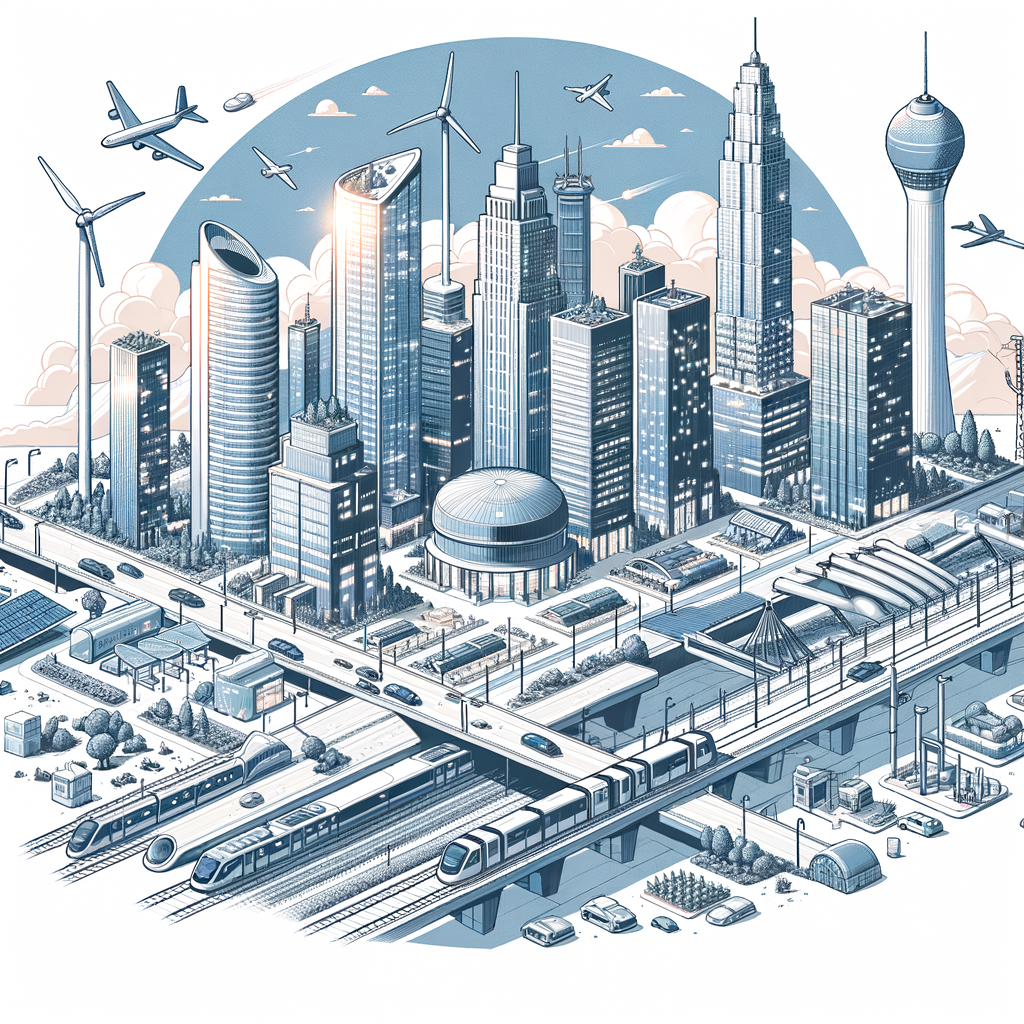
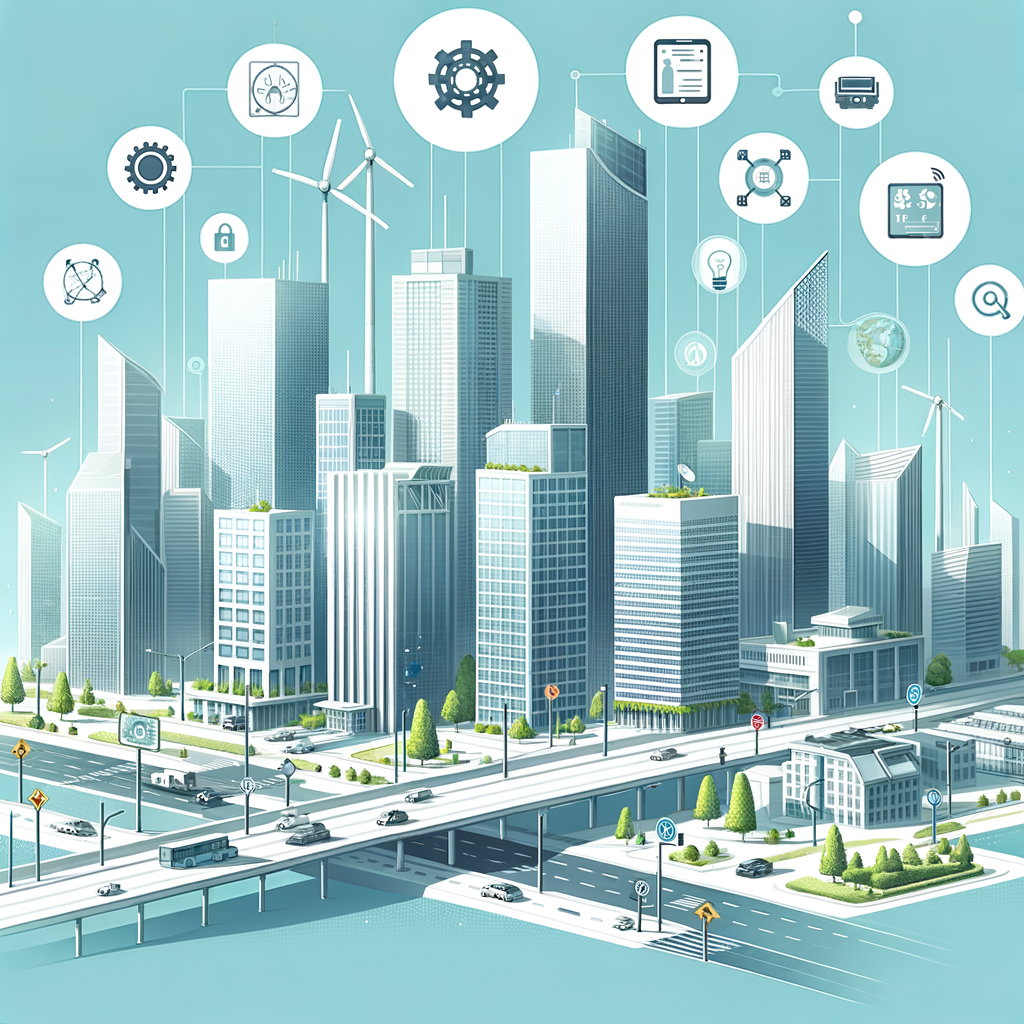
Urban infrastructure acts as the backbone of cities, critical to facilitating and sustaining economic development. By providing vital services and connectivity, it ensures the seamless functioning of urban centers, thereby fostering growth and prosperity. Infrastructure encompasses a wide array of elements, including transportation systems, utilities, telecommunications, and public institutions. These components collectively support day-to-day activities, making urban environments conducive to business operations, innovation, and improved quality of life for residents. An efficient and well-developed infrastructure attracts investments, boosts productivity, and creates jobs, which are integral to driving economic development. As the world continues to urbanize, the demand for advanced infrastructure grows. Cities invest in major projects to meet this demand, aiming to enhance their competitiveness on a global scale. This intricate relationship highlights the pivotal role urban infrastructure plays in shaping economic landscapes and powering development. This article explores these dynamics further, shedding light on how infrastructure developments influence urban growth, addressing current challenges, and emphasizing the importance of strategic and sustainable planning.
Transportation Infrastructure
Transportation infrastructure is at the heart of urban development. Cities need effective transportation systems to facilitate the movement of people and goods efficiently. Roads, highways, railways, and public transit systems all form critical elements of this infrastructure. They directly impact a city’s economic performance by reducing travel time, cutting logistical costs, and increasing accessibility. Efficient transportation networks enable businesses to thrive by making it easier for employees to commute and for goods to reach their market destination swiftly. For instance, well-maintained roads and highways allow for smoother delivery of goods, reducing wear and tear on vehicles, which can enhance economic productivity. Public transit systems, such as subways and buses, not only reduce congestion but also promote equitable access to employment, education, and services.
The development of transportation infrastructure can spur economic activity by attracting new businesses and enabling existing enterprises to expand. Investments in transportation also lead to job creation during both the construction and operational phases, providing a direct boost to the economy. Moreover, transportation networks that are integrated with green technology can contribute to environmental sustainability, creating a dual benefit of economic and environmental gains. Cities that prioritize sustainable transportation options, like electric buses or integrated cycling paths, can position themselves as leaders in innovation and sustainability, attracting further investment and talent.
Utilities and Connectivity
Reliable utility services are fundamental to a city’s infrastructure. Water supply, waste management, and energy systems must be sturdy and efficient to support burgeoning urban populations. Sustained access to these services improves public health, enhances living standards, and plays a crucial role in economic activities. For businesses, reliable energy sources lower operational costs and reduce downtime, directly contributing to productivity and economic efficiency. Moreover, evolving towards cleaner and renewable energy solutions not only makes cities more resilient to climate challenges but also opens up new economic opportunities in sectors like green technology.
Telecommunications networks, including broadband and mobile connectivity, have become equally crucial in today’s digitized economy. High-speed internet and robust connectivity facilitate modern business operations, enabling commerce, education, and healthcare services to transcend traditional boundaries. This connectivity allows companies to tap into global markets, enhancing competitiveness and innovation. Regions with advanced telecommunications infrastructure often see rapid economic development, as they become attractive to tech companies and startups that rely on high-speed internet and cutting-edge communications technology. In the age of digital transformation, connectivity is a vital driver of economic progress, offering endless possibilities for remote work, online education, and digital commerce.
Public Institutions and Services
Public institutions, such as hospitals, schools, and government offices, are essential components of urban infrastructure. They support the health, education, and governance, crucial to a well-functioning society. Adequate healthcare infrastructure ensures a healthy workforce, which is essential for productivity and economic stability. Similarly, educational institutions play a pivotal role by equipping individuals with skills and knowledge necessary for a modern economy. Cities investing in state-of-the-art facilities and institutions not only cater to their population’s needs but also attract a skilled workforce, students, and researchers, significantly contributing to economic growth and innovation.
Comprehensively planned public services also ensure efficiency in governance and improve the quality of life. Streamlined services, facilitated by robust digital infrastructure, enhance civic engagement and government transparency, promoting an environment where businesses can operate effectively and citizens feel empowered. Investing in cutting-edge public institutions fosters a culture of progress and accountability, which is essential for sustained economic development and social well-being.
Environmental and Sustainable Infrastructure
Incorporating sustainable practices and environmental considerations into urban infrastructure projects is increasingly recognized as crucial for long-term economic development. Sustainable infrastructure minimizes environmental impact while supporting economic activities. Green infrastructure, such as parks, green roofs, and permeable pavements, enhances resilience against climate change effects, providing economic security against potential disruptions caused by extreme weather events.
The shift toward sustainable urban infrastructure can drive economic growth by creating green jobs in sectors like renewable energy, urban agriculture, and sustainable construction. This transition supports a circular economy, where resource efficiency is maximized, and waste is minimized. Initiatives aimed at enhancing urban resilience not only protect assets but also ensure that cities continue to be livable and economically viable. By prioritizing sustainability, cities can lead by example in the global market, demonstrating how environmental health is intrinsically linked to economic prosperity.
Challenges and Innovation in Urban Infrastructure
While the benefits of urban infrastructure in economic development are evident, cities face numerous challenges in implementing and maintaining these systems. Financial constraints often limit the ability to upgrade or expand infrastructure. Additionally, aging infrastructure in many urban centers requires significant investment for modernization. Navigating bureaucratic hurdles and securing public and private funding presents ongoing challenges for city planners.
Despite these challenges, innovation in urban infrastructure significantly contributes to overcoming these obstacles. Technological advancements in construction materials, smart city technologies, and transportation systems have opened new avenues for enhancing infrastructure efficiency and sustainability. Intelligent transportation systems, data-driven urban planning, and smart grids illustrate how innovation can improve infrastructure management and reduce costs. As technology continues to evolve, its integration with urban infrastructure will be pivotal in creating future-proof cities and ensuring sustained economic growth.
Conclusion
The role of urban infrastructure in economic development is multifaceted and transformative. By facilitating efficient transportation, reliable utilities, robust connectivity, and effective public institutions, infrastructure fosters an environment where economic activities can thrive. Sustainable and innovative approaches to infrastructure development are essential to meet growing urban demands while addressing environmental concerns. Investment in infrastructure not only drives direct economic benefits, such as job creation and increased competitiveness, but it also enhances the overall quality of life, making cities attractive for residents and businesses alike.
As global urbanization continues to accelerate, the need for strategic planning and investment in urban infrastructure becomes increasingly critical. Cities must harness the potential of technology and sustainability to create resilient, equitable, and economically dynamic environments. By prioritizing infrastructure development, cities can support long-term economic growth, foster innovation, and build the foundations for a prosperous future. In navigating the complexities of modern infrastructure, a forward-thinking approach that balances development with sustainability and inclusiveness will be crucial for cities aiming to thrive in the global economy.
Frequently Asked Questions
1. How does urban infrastructure contribute to economic development?
Urban infrastructure is foundational to economic development because it provides the essential services and connectivity that cities need to function effectively. This infrastructure includes transportation systems like roads, railways, and airports that facilitate the movement of people and goods, making it easier for businesses to supply their markets and for workers to reach their jobs. Utilities such as electricity, water, and sewage systems ensure that urban environments remain livable and that businesses can operate smoothly. Telecommunications allow for the rapid exchange of information, which is crucial for modern business operations. Additionally, public institutions such as schools and hospitals contribute to a healthy, educated workforce. By enabling these components to work together efficiently, urban infrastructure fosters growth, attracts investment, and supports the overall prosperity of the city.
2. What types of infrastructure are most critical for urban economic growth?
Several types of infrastructure are particularly critical for urban economic growth. First and foremost are transportation systems, which include roads, public transit, airports, and ports; these systems are vital for the movement of goods and people. Equally important are utilities that ensure the reliable provision of electricity, water, and waste management, which are essential for both residential needs and business operations. Telecommunications infrastructure is another key component, providing the backbone for internet and communication services that are indispensable in today’s digital economy. Additionally, social infrastructure like schools, hospitals, and community centers contribute to economic development by supporting a healthy, educated, and engaged population. All these elements are interrelated, and deficiencies in any of these areas can impede growth and development.
3. Can the development of urban infrastructure help reduce poverty?
Yes, the development of urban infrastructure can play a significant role in reducing poverty. Improved infrastructure can enhance access to jobs, education, and healthcare, which are all pivotal in lifting individuals and communities out of poverty. For example, efficient public transportation systems provide low-cost mobility, enabling people to travel to education and job opportunities that might otherwise be inaccessible. Access to reliable utilities ensures that households can cook, clean, and study more effectively, improving living conditions. Moreover, investments in infrastructure can stimulate job creation both directly, by hiring construction and maintenance workers, and indirectly, by enhancing business productivity and attracting new businesses to the area. By removing barriers and enabling greater economic participation, infrastructure development can be a powerful tool for poverty alleviation.
4. What challenges do cities face in developing their infrastructure?
Cities face several challenges in developing and maintaining their infrastructure. One major challenge is funding; large-scale infrastructure projects require significant capital investment, and many urban areas struggle to secure the necessary financial resources. In addition, there is often a need to balance new development with maintenance of existing infrastructure, as aging systems can be costly to repair and replace. Urban planning and coordination are also critical challenges, especially in rapidly growing cities where unplanned developments can lead to congestion and inefficiencies. Furthermore, environmental concerns must be addressed, as infrastructure development can impact ecosystems and biodiversity. Cities need to consider sustainability and resilience, incorporating technologies and designs that mitigate environmental impacts and adapt to climate change. Lastly, regulatory hurdles and the need for public-private partnerships can complicate and delay projects, highlighting the need for strong governance and collaborative efforts.
5. How does connectivity through infrastructure affect local businesses?
Connectivity through infrastructure has a profound effect on local businesses. High-quality transport infrastructure enables goods to be shipped in and out efficiently, helping businesses reduce transportation costs and reach broader markets. This connectivity makes it possible for businesses to secure the materials they need promptly and distribute their products with ease. When telecommunications infrastructure is robust, businesses can benefit from high-speed internet and reliable communication channels, which are essential for everything from customer service to online transactions and supply chain management. Moreover, advanced infrastructure can attract businesses to an area by offering reliability and efficiency, thus stimulating local economies. By improving connectivity, infrastructure investments make local businesses more competitive and capable of participating in both national and international markets.