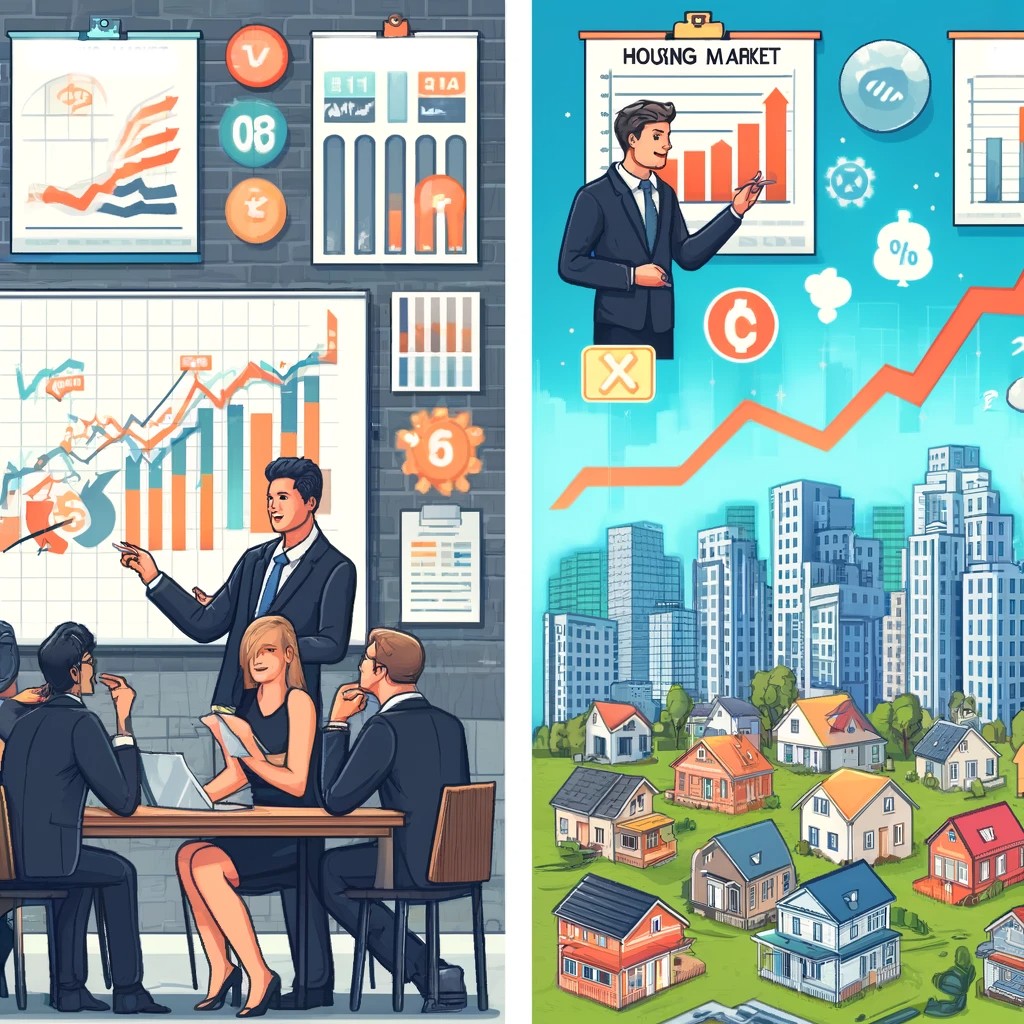
The housing market is an ever-evolving landscape, driven by changes in the economy, societal trends, and technological advancements. For landlords and property managers, keeping up with these trends is key to maintaining profitability and ensuring tenant satisfaction. From shifts in rental market demands to innovations in property management tools, today’s landlords need to stay well-informed. In this article, we will delve into the latest housing market trends that landlords should be aware of. Whether you’re an experienced property manager or a new landlord, understanding these trends will empower you to make more strategic decisions for your property portfolio.
The past decade has been marked by significant changes in the way we live and work, and these shifts have had profound impacts on the housing market. The advent of remote work, for instance, has redefined the criteria for desirable rental properties. Additionally, economic fluctuations, partly due to global events like the COVID-19 pandemic, have necessitated a reconsideration of rental pricing strategies and leasing terms. Technological advancements have also ushered in new tools that can streamline property management tasks, enhance tenant communication, and improve overall efficiency.
As we explore these trends, we will provide you with actionable insights that can help you adapt to the changing market conditions. The goal is not just to survive but to thrive in the current housing market by understanding the demands of modern tenants, leveraging technology, and making data-driven decisions. Let’s dive into the key trends that are shaping the property management industry today and discuss what steps landlords can take to stay ahead of the curve.
Changing Rental Market Demands
One of the most noticeable trends in recent years is the change in what renters are looking for in a property. The shift to remote and hybrid work models has played a major role in this evolution. More people are seeking properties with dedicated workspace, high-speed internet, and flexible leasing options. Properties located in suburban or less densely populated areas have seen a surge in demand as people take advantage of remote work opportunities to move away from crowded urban centers.
With more tenants working from home, there is an increased emphasis on having a comfortable living environment. This includes larger living spaces, outdoor areas, and amenities such as fitness centers and communal workspaces. For landlords, this means that properties that once might have been considered mediocre can now command higher rents if they are appropriately upgraded to meet new tenant expectations.
Additionally, eco-friendly and sustainable housing options are becoming increasingly popular. Tenants are prioritizing energy-efficient appliances, green building materials, and other environmentally friendly features. For landlords, investing in green upgrades not only appeals to a broader tenant base but can also lead to cost savings through reduced utility expenses and potential tax incentives.
Landlords who pay attention to these changing demands and adapt their properties accordingly can benefit from higher occupancy rates and tenant retention. Offering flexible lease terms and accommodating pets are other trends that are gaining traction and can set a property apart from the competition.
Economics and Pricing Strategies
The economic landscape has always had a direct impact on the housing market, and recent years have been no exception. The COVID-19 pandemic brought about unprecedented changes, leading to fluctuations in rental prices and vacancy rates. As the economy continues to recover, landlords must adopt dynamic pricing strategies to stay competitive.
In many areas, rental prices have rebounded to pre-pandemic levels, but the recovery has been uneven. Some markets, especially those heavily reliant on tourism or specific industries, are still adjusting. Landlords need to be proactive in monitoring local economic indicators and be prepared to adjust rental rates accordingly. Implementing a tiered pricing model can help mitigate risks and maximize revenue by offering different price points based on lease length, property amenities, and market demand.
Affordable housing remains a critical issue in many urban centers. Landlords should be aware of potential regulatory changes aimed at increasing housing affordability, such as rent control measures and zoning reforms. Staying informed about these developments and participating in local housing discussions can help landlords anticipate shifts in the market and adjust their strategies accordingly.
Furthermore, creative incentives like offering the first month free or including utilities in the rent can attract tenants in a competitive market. Understanding economic trends and implementing flexible pricing strategies will allow landlords to maintain profitability while catering to the evolving needs of tenants.
Technology in Property Management
Technological advancements have revolutionized the property management industry, providing landlords with new tools to enhance efficiency and improve tenant experiences. From virtual tours to automated rent collection, technology has become an indispensable part of modern property management.
Virtual tours have become a standard offering, allowing prospective tenants to explore properties remotely. This not only broadens the pool of potential tenants but also streamlines the leasing process. High-quality photos and 3D walkthroughs can significantly reduce the time a property stays on the market.
Property management software has evolved to offer features such as online rent payment, maintenance request tracking, and tenant communication portals. These platforms promote transparency, reduce administrative burdens, and ensure timely responses to tenant issues. Automated rent collection, for instance, can help landlords achieve consistent cash flow by reducing late payments and providing options for tenants to set up recurring payments.
Moreover, smart home technologies are gaining popularity among renters. Features like smart thermostats, security systems, and energy-efficient lighting can add significant value to a property. For landlords, investing in these technologies can lead to higher rental rates and attract tech-savvy tenants who prioritize convenience and security.
Automation and AI in Property Management
The integration of automation and artificial intelligence (AI) in property management is a growing trend that is transforming the industry. Automation tools can simplify routine tasks, such as lease renewals, rent reminders, and invoice processing, freeing up time for landlords to focus on more strategic activities.
AI-driven analytics platforms can provide landlords with valuable insights into market trends, tenant behaviors, and property performance. By analyzing large datasets, AI can help landlords make data-driven decisions, such as identifying the most profitable pricing strategies or predicting maintenance needs before they become critical issues.
Chatbots and virtual assistants are also becoming more common in property management. These tools can handle tenant inquiries, schedule property viewings, and provide information about lease terms, all without human intervention. This not only enhances the tenant experience but also ensures that inquiries are addressed promptly, regardless of time constraints.
Furthermore, predictive maintenance powered by AI can help landlords identify potential issues before they lead to costly repairs. By monitoring HVAC systems, plumbing, and other critical infrastructure, AI can predict when maintenance is needed, reducing downtime and enhancing tenant satisfaction.
Legal and Regulatory Considerations
The legal and regulatory environment is an ever-present concern for landlords, as it dictates the framework within which they must operate. Staying informed about changes in housing laws, tenant rights, and property regulations is crucial to avoid legal pitfalls and ensure compliance.
Local governments are continuously updating housing regulations, and being proactive about understanding these changes can help landlords avoid costly fines and litigation. Landlords should pay attention to laws regarding lease agreements, security deposits, habitability standards, and eviction procedures. It is advisable to work with a knowledgeable attorney who specializes in real estate law to navigate these complexities.
Fair housing laws are another critical area that landlords must adhere to. Discrimination based on race, color, religion, sex, national origin, familial status, or disability is illegal and can result in severe penalties. Landlords should implement fair screening processes and ensure that their marketing practices comply with these regulations.
The advent of short-term rental platforms, like Airbnb, has also introduced new regulatory challenges. Many cities have imposed restrictions or require landlords to obtain specific permits to operate short-term rentals. Understanding local regulations and maintaining proper documentation is essential to avoid conflicts with authorities.
Conclusion
The housing market is constantly evolving, presenting both challenges and opportunities for landlords. By staying informed about the latest trends and adapting to the changing landscape, landlords can position themselves for long-term success. Whether it’s understanding shifting tenant demands, implementing dynamic pricing strategies, leveraging technology, or navigating legal considerations, there are numerous factors that can influence a landlord’s ability to prosper.
Embracing change and being proactive is essential in this dynamic industry. Landlords who are willing to invest in property upgrades, adopt new technologies, and stay informed about market and regulatory changes will be better equipped to meet tenant needs and maintain profitable operations.
While there is no one-size-fits-all solution, the key is to remain flexible and open to new ideas. By doing so, landlords can not only survive but thrive amidst the ever-changing trends in property management. Stay informed, be strategic, and continuously seek ways to improve your property management practices to create a successful and sustainable operation.
As we move forward, the integration of technology and the emphasis on tenant satisfaction will continue to shape the industry. Landlords who prioritize these elements will find themselves well-equipped to navigate the challenges and seize the opportunities that lie ahead. By understanding and embracing these trends, landlords can build a resilient and prosperous property management business.
Frequently Asked Questions
1. What are the major trends in property management that landlords should be aware of for 2025?
Ah, the times they are a-changin’ – especially in property management. By 2025, there are a few significant trends that every landlord should have on their radar. First up, sustainability is no longer a buzzword; it’s becoming an imperative. Tenants are increasingly environmentally conscious, and they’re seeking properties that reflect their values. From energy-efficient appliances to solar panels and high-insulation windows, integrating green upgrades isn’t just good for the planet – it can be a selling point for eco-minded tenants.
Technologically, automation is at the forefront. Property management tools that offer automated rent collection, maintenance scheduling, and even AI-driven tenant screening are not just about increasing efficiency; they cater to the demand for seamless, tech-savvy service. Big data is also gaining traction, providing insights into market trends and tenant preferences. This actionable intelligence can help landlords make informed decisions about pricing, marketing, and investments.
Lastly, the rise of remote work has shifted rental market priorities. With more people working from home, there’s a higher demand for properties offering home office spaces. We’re seeing a shift in urban migration patterns, with some tenants leaving cities in favor of more spacious, suburban locales. Landlords should keep an eye on these trends to stay competitive.
2. How can landlords leverage technology to enhance their property management operations?
In 2025, technology isn’t just helpful – it’s essential in property management. First and foremost, engaging with property management software that automates administrative tasks can save landlords considerable time. These tools can streamline processes, such as rent collection, maintenance requests, and tenant communications. They can also provide centralized platforms for document storage and compliance management.
Furthermore, a robust property management system can offer detailed analytics. By harnessing data analytics, landlords can gain valuable insights into rental prices, vacancy trends, and tenant satisfaction rates. Machine learning models can even predict lease renewal rates or potential tenant issues, enabling proactive measures.
Tech-savvy tenants expect conveniences like online payment portals, virtual property tours, and communication apps for quick issue resolution. By adopting these technologies, landlords can enhance tenant experience, which is crucial for retention. Smart home technologies are another frontier to watch. They’re not just perks but are becoming standard amenities. Systems that allow remote control of lighting, security, and temperature can make a property stand out.
3. What steps can landlords take to ensure they’re meeting rising tenant expectations?
Meeting tenant expectations in 2025 involves a nuanced understanding of what tenants value – which is constantly evolving. Firstly, focus on communication. Tenants appreciate rapid, clear, and courteous communication. Landlords can use chatbots or dedicated tenant apps to respond swiftly to queries and complaints, improving satisfaction.
Creating a sense of community is becoming increasingly important. Organizing virtual or in-person events that bring tenants together can increase tenant loyalty and satisfaction. For multi-family properties, offering amenities such as co-working spaces, gyms, and communal gardens can make all the difference.
Moreover, flexibility is key. Whether it’s shorter lease terms or allowing customization of living spaces, offering tenants what they desire can mean the difference between occupancy and vacancy. Flexibility in payment options – such as enabling split payments throughout the month – can also ease financial pressure on tenants.
Lastly, environmental considerations can’t be overstated. Many tenants prefer renting properties with sustainability in mind, so integrating eco-friendly features can increase appeal. This might include providing recycling services, using eco-friendly building materials, and installing energy-efficient systems.
4. How is remote work impacting property management and tenant preferences?
The rise of remote work is one of the most significant shifts impacting the rental market, reshaping tenant preferences profoundly. Without the tether of a daily commute, tenants are prioritizing space over proximity. This means many are moving away from metropolitan areas to suburban or even rural settings where they can afford larger homes.
Properties that offer designated home office spaces or high-speed internet are particularly appealing. Adaptability is essential; landlords might consider flexible room options or multi-use spaces that can be easily transitioned into home offices.
The urban exodus, stimulated by the remote work revolution, requires landlords to reconsider their investment strategies actively. Properties in less dense areas are seeing an uptick in demand, often offering better quality of life aspects like outdoor spaces, less pollution, and lower living costs. Conversely, properties centrally located in cities might need to innovate, offering amenities like community workspaces or tech support to remain appealing.
Ultimately, those landlords who can adapt to these evolving preferences and offer amenities that cater to remote professionals will likely see higher demand and maintain competitive advantages in the rental market.
5. What role does sustainability play in property management, and why is it important?
Sustainability is rapidly becoming a cornerstone of property management, moving beyond a trend and into a critical component of good business strategy. As climate change increasingly dominates the global conversation, tenants are seeking homes that contribute to a sustainable future.
For landlords, this presents both a challenge and an opportunity. Eco-friendly properties not only attract environmentally conscious tenants but can also lead to cost savings in utility bills and maintenance over the long-term. Installing features such as solar panels, rainwater harvesting systems, and energy-efficient appliances can reduce a property’s environmental footprint and appeal to a wider tenant base.
Moreover, some regions are implementing regulations requiring greener building practices, meaning sustainable property management is not only a business advantage but a compliance issue as well. Adopting these practices early can put landlords ahead of the curve, ensuring regulatory compliance and positioning properties as progressive and responsible.
Incorporating sustainability also contributes to a landlord’s brand and reputation. As consumer consciousness heightens, properties that demonstrate a commitment to the environment are often seen more favorably, which can lead to increased tenant loyalty and lower vacancy rates.