Urban mobility is the system that allows people and goods to move through cities, and public policy is the set of laws, funding choices, regulations, and planning decisions that determine how that system works in practice. When I have worked on transport content and reviewed city plans, one pattern appears consistently: streets do not become safe, efficient, affordable, or low carbon by accident. They become that way because governments decide what to prioritize, what to subsidize, what to regulate, and what to build. The role of public policy in shaping urban mobility is therefore foundational, not peripheral, because every bus lane, parking rule, zoning code, bike network, and rail investment reflects a policy choice.
Urban mobility includes public transit, walking, cycling, private vehicles, ride-hailing, freight access, and increasingly shared micromobility such as e-scooters and bike-share. Public policy includes transportation policy, land-use regulation, environmental standards, pricing mechanisms, accessibility mandates, and safety enforcement. Together, these systems influence commute times, household costs, air quality, road fatalities, economic productivity, and social inclusion. According to the International Transport Forum and the World Bank, poorly planned transport systems can deepen inequality and congestion, while integrated policy can expand access to jobs and essential services. That is why city leaders now treat mobility policy as an economic, public health, and climate issue at the same time.
This matters because urban populations are growing while road space remains limited. If policy defaults to car dependence, cities typically get more congestion, higher emissions, and less equitable access for residents who cannot drive. If policy supports multimodal travel, cities can move more people using the same physical space. A single traffic lane carries far more passengers per hour when dedicated to buses than when used only by private cars. Sidewalk improvements can increase foot traffic for local businesses. Protected cycling networks can raise bike commuting and reduce injury risk. Effective urban mobility policy does not simply move vehicles faster; it connects people to opportunity safely and reliably.
Public policy also determines who benefits from the urban transport system. Fares, subsidies, curb regulations, disability access standards, and station placement can either widen or narrow opportunity. In many cities, lower-income residents live farther from employment centers and spend a larger share of income on transportation. Good policy addresses that mismatch through transit-oriented development, integrated ticketing, and service planning based on actual travel demand rather than political symbolism. In practical terms, the best mobility policies align infrastructure, pricing, and land use so residents have realistic alternatives to driving alone.
How public policy sets the rules of movement
Public policy shapes urban mobility first by defining the rules of the system. Speed limits, parking minimums, right-of-way design, bus service contracts, emissions rules, taxi licensing, and freight delivery windows all influence how people move. In my review of municipal transport strategies, the most successful cities are usually the ones that align these rules instead of treating each issue separately. For example, a city cannot claim to support bus ridership while allowing unrestricted curb parking that blocks bus lanes and delays boarding. Policy coherence matters because mobility is an interconnected system.
Street design standards are one of the clearest examples. Traditional engineering often prioritized vehicle throughput, which encouraged wider lanes, longer crossings, and faster turning movements. Modern policy frameworks such as Vision Zero and Complete Streets redefine success around safety and access for all users. Vision Zero, first developed in Sweden, assumes deaths are preventable and redesigns streets to reduce severe crashes. Complete Streets policies require roads to safely accommodate pedestrians, cyclists, transit users, older adults, and people with disabilities. These standards alter capital spending, project review, and maintenance priorities across an entire city.
Pricing policy is equally powerful. Congestion pricing, fuel taxes, parking fees, and low-emission zone charges shape travel behavior by making the true cost of scarce road space more visible. London’s congestion charge and Ultra Low Emission Zone are well-known examples of policy changing travel patterns while improving air quality. Singapore’s electronic road pricing system has long demonstrated that demand management can be more effective than endless road expansion. These policies are politically difficult, but when revenues are reinvested in transit and public realm improvements, they can produce measurable gains in travel efficiency and public support.
Transit policy, funding, and service quality
Public transit does not succeed through infrastructure alone; it succeeds through operating policy, governance, and stable funding. I have seen many city mobility plans celebrate new rail lines while underestimating the importance of frequency, reliability, fare integration, and maintenance. Riders experience a transport system one trip at a time. If buses are infrequent, transfers are poorly timed, and fares are confusing, people who can choose another mode often do so. Good public policy focuses on the full rider journey, not just ribbon-cutting projects.
Funding structures strongly influence service quality. Capital budgets often receive more political attention than operating budgets, yet daily service depends on drivers, maintenance staff, dispatch systems, and ongoing vehicle renewal. Cities such as Vienna and Zurich show what consistent policy commitment looks like: frequent service, integrated regional coordination, and fare systems designed for simplicity. In contrast, fragmented governance can leave riders navigating multiple agencies, separate fare products, and inconsistent service standards. Policy reform that consolidates planning or introduces integrated payment can improve mobility without building entirely new networks.
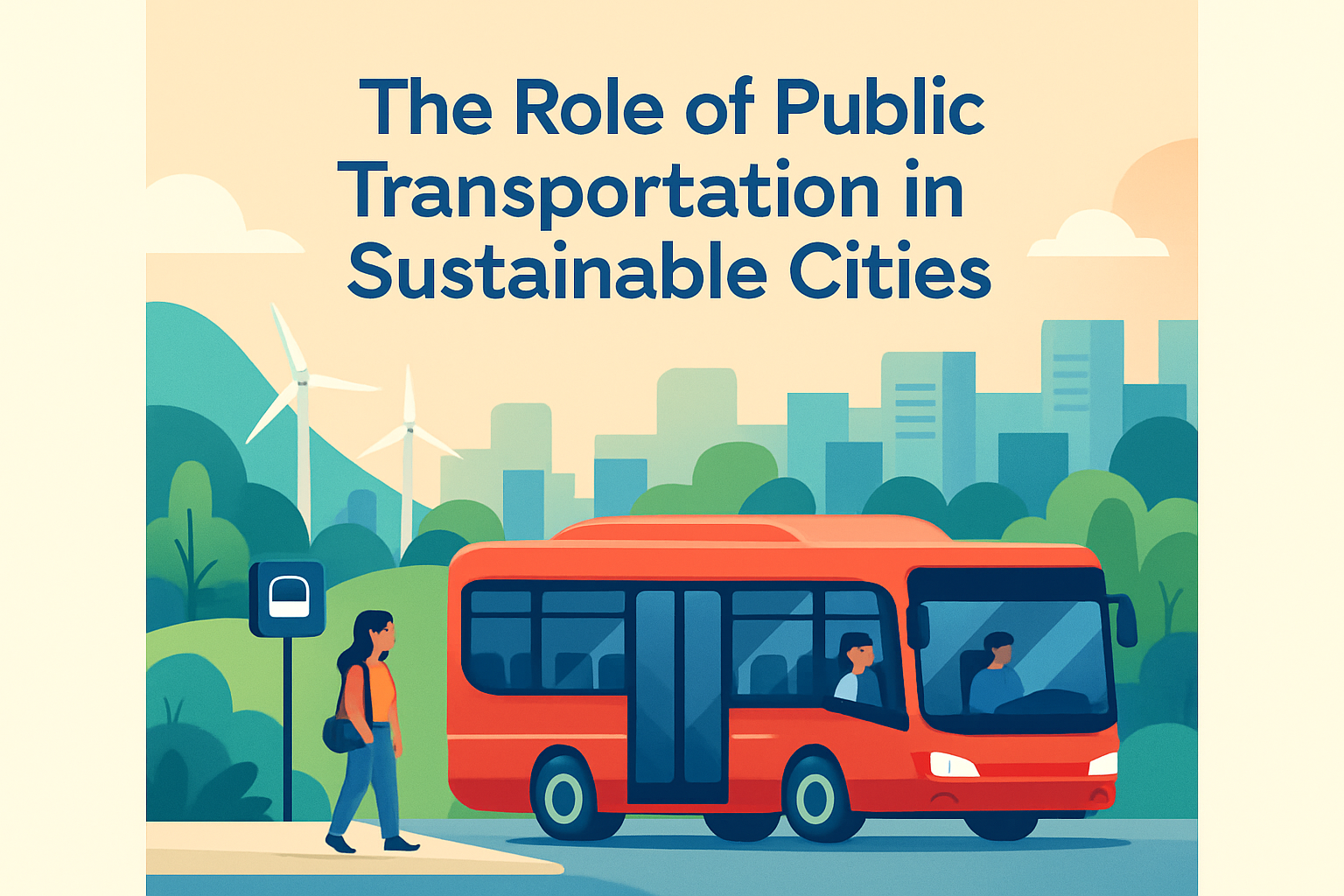
Bus priority is one of the highest-return policy tools available to dense cities. Dedicated lanes, transit signal priority, all-door boarding, and off-board fare collection can significantly cut travel times at relatively modest cost. Bogotá’s TransMilenio and elements of bus rapid transit in cities from Curitiba to Jakarta illustrate how policy-backed priority can move large passenger volumes quickly. The lesson is straightforward: when policy gives buses street priority, buses become more useful. When they are left in mixed traffic, reliability collapses during peak periods, and the system loses competitiveness.
| Policy tool | Primary mobility effect | Real-world example |
|---|---|---|
| Congestion pricing | Reduces peak car trips and funds alternatives | London |
| Bus rapid transit | Improves speed, capacity, and reliability | Bogotá |
| Protected bike lanes | Raises cycling safety and adoption | Copenhagen |
| Transit-oriented zoning | Places housing and jobs near frequent transit | Hong Kong |
| Low-emission zones | Cuts pollution from high-emitting vehicles | Milan |
Land use policy and the distance problem
Urban mobility is shaped as much by land use policy as by transportation engineering. Zoning codes, density limits, parking minimums, and development approvals determine whether destinations are close enough to reach efficiently. If homes, schools, jobs, and shops are spread far apart, even an excellent transit network struggles. If development is concentrated around stations and corridors, walking, transit, and cycling become more viable. This is why the relationship between land use and mobility is one of the most important concepts in city planning.
Transit-oriented development is the clearest policy response to the distance problem. It encourages mixed-use, higher-density development near high-capacity transit stops, reducing the need for long car trips. Hong Kong’s rail-plus-property model is frequently cited because it links transit investment to surrounding development value, helping fund operations while concentrating demand near stations. Arlington County, Virginia, offers another useful example: by channeling growth along the Rosslyn-Ballston corridor, it supported strong transit use without spreading congestion uniformly across the county. The policy lesson is not simply “build near transit.” It is “coordinate land use, transport access, and public investment from the beginning.”
Parking policy sits at the center of this issue. Minimum parking requirements have historically pushed buildings farther apart, increased construction costs, and encouraged driving by making parking abundant and underpriced. Many cities are now removing parking minimums near transit or citywide. This change is technical but significant. It allows more flexible development, lowers barriers to housing construction, and supports mobility choices beyond private cars. The tradeoff is that curb management becomes more important, requiring permits, pricing, loading zones, and stronger enforcement. Good policy replaces hidden subsidies with active management.
Equity, accessibility, and public health outcomes
The best urban mobility policy is not judged only by average travel speed. It is judged by who can access opportunity, who is exposed to danger, and who bears the cost of a dysfunctional system. Equity must be designed into public policy through fare policy, service coverage, pedestrian investment, and universal design. In many metropolitan areas, transport disadvantage falls hardest on low-income households, older adults, disabled residents, and communities located near high-traffic corridors. A policy that improves travel for affluent commuters while neglecting these groups is incomplete.
Accessibility is broader than compliance. Standards such as the Americans with Disabilities Act in the United States set essential legal baselines, but effective policy goes further by improving elevators, tactile paving, audible signals, platform design, boarding procedures, and digital information. When agencies get this right, benefits extend beyond disabled riders to parents with strollers, travelers with luggage, and older residents. Clear wayfinding, level boarding, and safer crossings make the whole network more usable. In my assessment of mobility projects, accessibility improvements are often among the most practical, measurable, and publicly valuable interventions available.
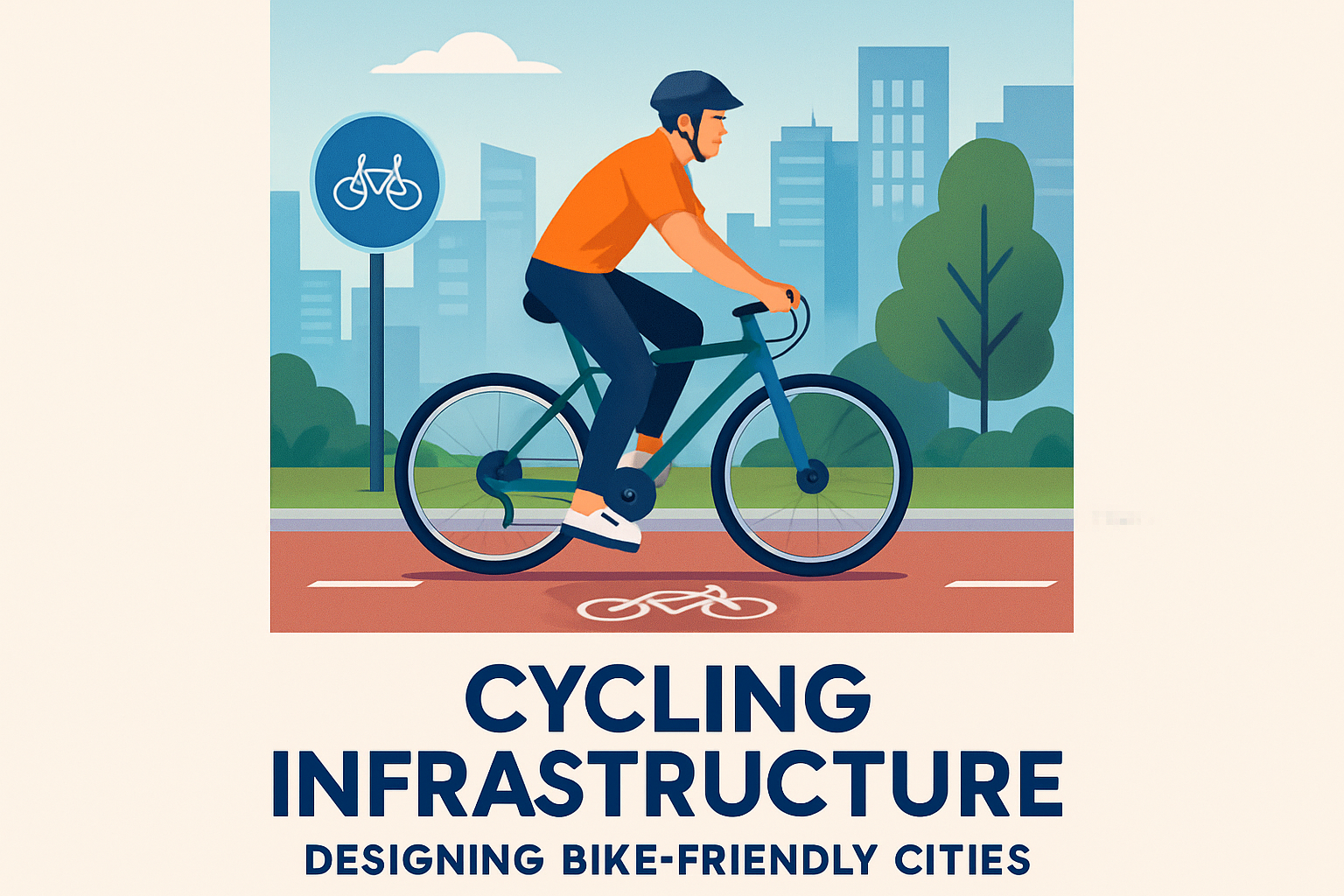
Public health outcomes are also directly tied to mobility policy. Traffic injuries, air pollution exposure, noise, and sedentary lifestyles are not side effects; they are predictable outcomes of transport decisions. Policies that support walking, cycling, cleaner fleets, and slower vehicle speeds can reduce these harms. Paris, for example, has expanded bike infrastructure and reallocated street space in ways that support active travel and lower emissions. The evidence is clear that safer street design reduces severe crashes more effectively than enforcement alone. Policy should therefore combine design, education, and regulation rather than relying on a single lever.
Technology, data governance, and climate strategy
Technology is changing urban mobility, but public policy still determines whether innovation improves the system or fragments it. Ride-hailing, mobility-as-a-service platforms, real-time journey planning, electric vehicles, automated enforcement, and connected infrastructure all create opportunities. They also raise governance questions around labor, privacy, curb access, interoperability, and emissions. I have seen cities adopt new mobility services quickly, only to discover later that the absence of clear rules led to sidewalk clutter, data gaps, or transit ridership loss. Good policy sets standards before scale creates disorder.
Data policy is now central to mobility management. Agencies rely on smart card data, GPS feeds, automatic passenger counters, and curb usage analytics to redesign routes and manage demand. Frameworks such as the General Transit Feed Specification have improved passenger information and multimodal app integration worldwide. At the same time, data-sharing requirements for private operators must be carefully structured to protect commercial sensitivity and personal privacy. Cities that build strong data governance can evaluate what is working, target investment more precisely, and explain decisions with credible evidence rather than intuition.
Climate policy increasingly anchors urban mobility decisions. Transport is a major source of greenhouse gas emissions in many countries, especially where private car use dominates. Public policy can lower emissions through electrified transit fleets, charging infrastructure, compact development, mode shift targets, and procurement standards. Yet electrification alone is not enough. Replacing every gasoline car with an electric car reduces tailpipe emissions but does little to solve congestion, road danger, or inefficient land use. The strongest climate strategies combine vehicle decarbonization with fewer car trips, better transit, and more walkable neighborhoods. City leaders, planners, and residents should demand that mobility policy be integrated, evidence-based, and centered on access.
The central lesson is simple: public policy shapes urban mobility by deciding what cities reward, regulate, and build. Rules for street design, transit funding, land use, pricing, accessibility, and technology all influence whether people can move safely, affordably, and sustainably. The most effective policies treat mobility as a system tied to housing, health, climate, and economic opportunity, not as a narrow traffic problem. They prioritize access over speed, people over vehicle counts, and long-term outcomes over short-term convenience.
For city governments, the benefit of getting this right is substantial. Better policy can reduce congestion without endless road expansion, improve air quality without waiting decades, and connect more residents to jobs, schools, and services. For businesses, it creates more reliable labor access and freight movement. For households, it lowers transport costs and expands daily choices. For communities, it makes streets safer and public space more valuable. These are not abstract planning ideals. They are measurable results produced by consistent, coordinated policy.
If you are evaluating transportation reform in your city, start by asking direct questions. Does the budget favor high-capacity modes? Do zoning rules support transit access? Are streets safe for people outside cars? Is mobility data guiding decisions? Public policy is the lever that turns these questions into outcomes, so push for policies that move people, not just traffic.
Frequently Asked Questions
1. How does public policy directly shape urban mobility in a city?
Public policy shapes urban mobility by deciding how streets, transit systems, sidewalks, bike networks, freight corridors, and parking are planned, funded, and regulated. In practical terms, policy determines whether a city prioritizes moving as many cars as possible, or whether it focuses on moving people and goods safely and efficiently across multiple modes. Zoning laws influence where homes, jobs, schools, and shops are located, which affects how far people need to travel. Transportation budgets determine whether funds go toward highway expansion, bus lanes, rail systems, sidewalk repairs, or protected cycling infrastructure. Traffic rules, speed limits, curb management, and parking requirements all influence daily travel behavior as well.
Policy also shapes mobility through long-term planning. When governments support transit-oriented development, mixed-use neighborhoods, and connected street grids, they make it easier for residents to walk, cycle, or use public transportation. When they require large parking minimums and permit low-density sprawl, they often increase car dependence and congestion. Just as important, public policy sets the standards for safety, affordability, and environmental performance. That means urban mobility outcomes are rarely accidental. They are usually the result of choices made by elected officials, transportation agencies, and planning departments about what to prioritize and whom the system is designed to serve.
2. Why is funding policy so important when discussing transportation and mobility?
Funding policy is one of the clearest expressions of a government’s priorities because mobility systems only improve when public money is directed toward specific goals. A city may talk about safer streets, lower emissions, or more equitable access, but if most transportation funding still goes to road widening and vehicle capacity, the real policy direction is obvious. Funding decisions determine whether buses run frequently, whether train stations are accessible, whether sidewalks are repaired, whether traffic signals are modernized, and whether underserved neighborhoods receive the same quality of service as wealthier areas.
Funding policy also matters because transportation infrastructure has a long life. A new rail line, bus rapid transit corridor, bridge, or protected bike lane can influence land use and travel patterns for decades. By the same token, underfunding maintenance can create unreliable service, safety risks, and declining public trust. Strong public policy does not just fund new projects; it also supports operations, maintenance, enforcement, and upgrades. In many cities, one of the biggest policy challenges is not simply finding more money, but allocating it in ways that improve access, reduce inequality, and create a more resilient transportation network. When funding aligns with clear public goals, mobility systems become more dependable and more useful for everyday life.
3. What role does public policy play in making urban mobility more equitable?
Public policy plays a central role in transportation equity because mobility is not experienced the same way by every resident. Low-income households, older adults, people with disabilities, children, shift workers, and residents of outer neighborhoods often face greater barriers to getting around. Policy can either reduce those barriers or reinforce them. For example, fare structures can make transit more affordable or more burdensome. Service planning can connect underserved communities to jobs, education, and healthcare, or leave them with infrequent routes and long travel times. Accessibility rules can ensure stations, sidewalks, and vehicles are usable for everyone, or they can leave major gaps in the network.
Equity-focused policy also looks beyond infrastructure to consider who benefits and who bears the costs of transportation decisions. If a city concentrates investment in central business districts while neglecting peripheral neighborhoods, mobility inequalities often grow. If enforcement policies disproportionately affect certain communities, public confidence in the system can weaken. Better policy starts with inclusive planning, strong public engagement, and data that captures the needs of different populations. An equitable urban mobility strategy is not just about adding more transport options; it is about making sure those options are affordable, safe, reliable, and realistically accessible to the people who need them most.
4. How can transportation policy help cities reduce congestion and emissions?
Transportation policy can reduce congestion and emissions by shifting the focus away from simply increasing road space and toward managing demand, improving alternatives, and designing cities for shorter, easier trips. Expanding roads often provides only temporary relief because it can encourage more driving over time. In contrast, policies that improve public transit frequency, reliability, and coverage give people a practical alternative to private car use. Investments in safe walking routes, connected cycling networks, and integrated ticketing systems can further reduce dependence on cars for short and medium-distance trips.
Policy tools such as congestion pricing, low-emission zones, parking reform, transit priority lanes, and cleaner vehicle standards can also make a measurable difference. Land-use policy matters here as well. When housing, employment, retail, and public services are spread far apart, cities tend to generate more vehicle travel and higher emissions. When policy supports compact, mixed-use development near high-quality transit, trip distances often fall and non-car travel becomes more attractive. The most effective urban mobility policy treats congestion and emissions as connected issues. It recognizes that a city cannot build its way out of traffic with roads alone, and that climate goals require coordinated decisions across transportation, land use, energy, and public finance.
5. What makes an effective public policy framework for future urban mobility?
An effective public policy framework for future urban mobility is clear about outcomes, flexible in implementation, and grounded in measurable public value. That means setting specific goals around safety, access, affordability, emissions reduction, reliability, and economic productivity rather than focusing only on vehicle speed or road capacity. Good policy frameworks also use data well. Cities need to measure outcomes such as travel times, collision rates, transit accessibility, freight efficiency, and service quality across different neighborhoods. Without that kind of accountability, it becomes difficult to know whether policy is actually improving mobility.
Future-ready policy also needs to adapt to new technologies and changing travel behavior without losing sight of public interest. That includes regulating ride-hailing, micromobility, electric vehicles, autonomous systems, and digital platforms in ways that complement broader mobility goals instead of undermining transit or increasing congestion. At the same time, effective policy depends on coordination. Transportation departments, land-use planners, housing agencies, environmental regulators, and regional governments all influence how people move through cities. The strongest frameworks bring those institutions together around a shared strategy. In the end, successful urban mobility policy is not about chasing trends. It is about building a system that is safe, inclusive, efficient, and sustainable over the long term.