The housing market has always been a dynamic and ever-evolving landscape. Over the years, it has seen numerous trends come and go, from luxurious mansions to tiny homes to sustainable living. In recent times, however, a new trend has begun to take center stage: modular and prefabricated homes. As the world continues to grapple with rising housing costs, environmental concerns, and an increasing demand for affordable housing, these innovative housing solutions have emerged as a beacon of hope for many. Their benefits, ranging from cost-efficiency to sustainability, have made them a popular choice for both builders and homebuyers alike. In this article, we will delve deep into the rise of modular and prefabricated homes, examining the factors driving their popularity, the benefits they offer, and the potential future of this burgeoning trend.
What Are Modular and Prefabricated Homes?
Before we dive deeper into the reasons behind their rise, it’s crucial to understand what modular and prefabricated homes actually are. While the terms are often used interchangeably, there are subtle differences between the two.
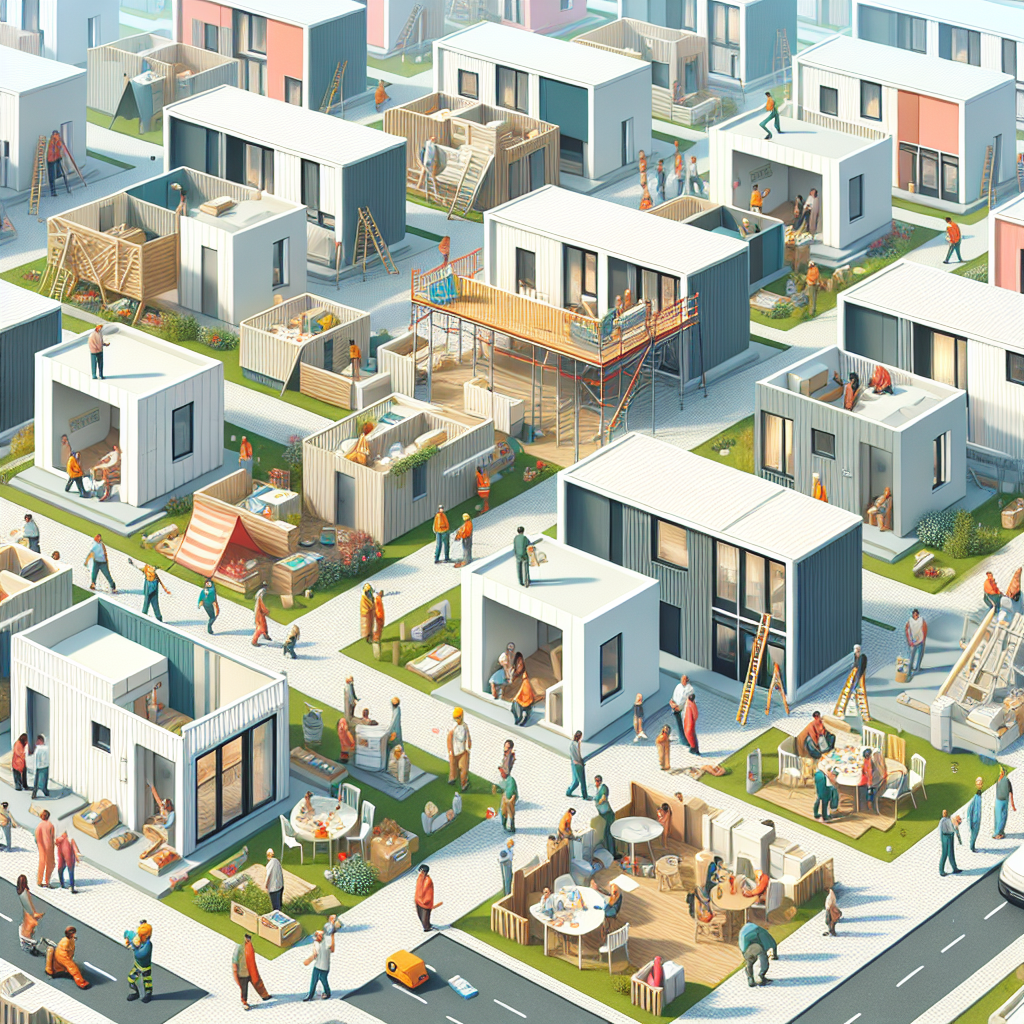
Modular homes are constructed in sections or modules in a factory setting. These modules are then transported to the construction site, where they are assembled to form a complete home. Prefabricated homes, on the other hand, encompass a broader category that includes not only modular homes but also other types of factory-built homes such as panelized homes and manufactured homes.
The common denominator, however, is that a significant portion of the construction process takes place in a controlled factory environment. This method of construction offers numerous advantages, including better quality control, reduced waste, and faster build times. In essence, both modular and prefabricated homes represent a shift towards more efficient and sustainable building practices.
The Drivers Behind the Rise
The growing popularity of modular and prefabricated homes can be attributed to several key factors. One of the primary drivers is the escalating cost of traditional construction. The price of building materials and labor has been steadily increasing, making it more challenging for many people to afford conventional homes.
In contrast, modular and prefabricated homes often come with a lower price tag due to the efficiencies gained through factory production. Another significant factor is the increasing awareness of environmental issues. Traditional construction methods are often associated with high levels of waste and energy consumption, whereas modular and prefabricated homes are designed to be more eco-friendly.
Additionally, the demand for quicker construction times has also played a role. In a world where time is money, the faster build times offered by modular and prefabricated homes are a considerable advantage. Lastly, advances in technology and design have made these homes more customizable and attractive to a broader audience, further fueling their rise in popularity.
Benefits of Modular and Prefabricated Homes
The numerous benefits of modular and prefabricated homes are a significant part of their appeal. First and foremost is cost-efficiency. As mentioned earlier, the factory-controlled environment and bulk purchasing of materials contribute to reduced construction costs.
Quality control is another major benefit. In a factory setting, the construction process can be closely monitored, ensuring that each module meets high standards of quality and consistency. This level of oversight is often challenging to achieve with on-site construction.
Sustainability is also a critical advantage. Modular and prefabricated homes are typically designed with energy efficiency in mind. They often feature better insulation, energy-efficient windows, and other green building materials. Moreover, the reduced waste from factory construction processes contributes to their eco-friendly profile.
Finally, the flexibility and customization options offered by modular and prefabricated homes make them an attractive choice for many. With advancements in design technology, these homes can be tailored to meet a wide range of aesthetic and functional preferences.
Challenges and Misconceptions
Despite their numerous advantages, modular and prefabricated homes are not without their challenges and misconceptions. One of the most common misconceptions is that these homes are of lower quality compared to traditionally built homes. However, this perception is gradually changing as more people become aware of the rigorous quality control standards in factory-built homes.
Another challenge is financing. While financing options for modular and prefabricated homes are improving, they are often not as straightforward as those for traditional homes. Many lenders are still catching up to this relatively new method of construction, leading to potential hurdles for prospective buyers.
Additionally, navigating local building codes and zoning regulations can be complicated. These regulations vary widely from one location to another and can pose significant challenges for builders and buyers. Lastly, there is the issue of stigma. Some people still associate modular and prefabricated homes with temporary or low-quality housing. Overcoming these outdated perceptions is crucial for the continued growth of this sector.
The Future of Modular and Prefabricated Homes
As we look ahead, the future of modular and prefabricated homes appears promising. Technological advancements are expected to play a significant role in shaping this sector. Innovations in building materials, automation, and design software are likely to make these homes even more efficient, sustainable, and customizable.
The ongoing shift towards sustainable living will also continue to drive demand for modular and prefabricated homes. As more people prioritize environmental conservation, the appeal of eco-friendly construction methods will only grow. Additionally, the need for affordable housing solutions remains a pressing global issue. Modular and prefabricated homes offer a viable solution to this problem, providing cost-effective housing options without compromising on quality.
Finally, as more builders and homebuyers recognize the benefits of these homes, we can expect to see increased acceptance and mainstream adoption. The future of housing lies in innovation and efficiency, and modular and prefabricated homes are well-positioned to lead the way.
Conclusion
The rise of modular and prefabricated homes marks a significant shift in the housing market. These innovative housing solutions offer numerous benefits, from cost-efficiency and quality control to sustainability and customization. While there are challenges and misconceptions to overcome, the future looks bright for this burgeoning trend.
As technological advancements continue to drive innovation in this sector, and as more people recognize the advantages of modular and prefabricated homes, their popularity is set to soar. Whether you’re a prospective homebuyer looking for an affordable and eco-friendly option, or a builder seeking efficient construction methods, modular and prefabricated homes represent a promising solution.
In a rapidly changing world, the ability to adapt and innovate is crucial. The rise of modular and prefabricated homes is a testament to this, offering a blueprint for the future of housing that is both sustainable and attainable. As we move forward, embracing these innovative housing solutions will be key to addressing the challenges of the modern housing market and creating a better, more sustainable future for all.
Frequently Asked Questions
1. What are modular and prefabricated homes, and how do they differ from traditional homes?
Modular and prefabricated homes are innovative housing options that are built off-site in sections and then transported to their permanent location for assembly. Unlike traditional homes that are constructed entirely at the build site, these homes are manufactured in a factory setting where the conditions are controlled. This process typically leads to reduced construction time, increased efficiency, and often better quality control.
Modular homes are made up of multiple sections or modules that are constructed in a factory. Once completed, these modules are transported to the site and assembled like large pieces of a puzzle. On the other hand, prefabricated homes can also include other types like panelized homes, where walls and roof components are constructed in a factory and assembled on-site. The key difference lies in the scope of construction done off-site versus on-site.
The advantages of modular and prefabricated homes over traditional homes include reduced building costs due to less waste and lower labor expenses, as well as a notable decrease in construction time. These homes also benefit from the efficiencies of factory production, such as protection from weather-related damages during construction. Additionally, they are often designed with energy efficiency in mind, offering environmentally friendly living solutions.
2. How do modular and prefabricated homes address environmental concerns?
One of the compelling reasons these homes are gaining popularity is their ability to alleviate environmental concerns. The construction of modular and prefabricated homes typically generates less waste than conventional homes. Since these homes are built in a factory, excess materials can be recycled more efficiently, leading to sustainable building practices.
Moreover, prefabricated homes are often constructed with energy-efficient materials and can incorporate green technologies. This means they can offer better insulation, reducing heating and cooling costs and subsequently lowering the environmental footprint of the home. Many manufacturers incorporate modern technology like solar panels, energy-efficient HVAC systems, and water-saving fixtures to ensure that the homes are as eco-friendly as possible.
The controlled factory environment also allows for precise building techniques that optimize the use of materials, which further minimizes waste and environmental impact. This approach to construction reflects a growing trend towards sustainability, meeting the needs of environmentally-conscious consumers who are interested in reducing their carbon footprint and living more sustainably.
3. Are modular and prefabricated homes customizable?
Yes, modular and prefabricated homes are highly customizable, and this flexibility is one of their main attractions. Buyers have a wide range of options to tailor their homes according to their preferences and needs. From choosing the floor plan to selecting materials for interiors and exteriors, homeowners have considerable input into the final product.
The process typically starts with selecting a floor plan. Manufacturers offer numerous design options, from small and minimalist spaces to expansive and elaborate designs. Within each plan, there are opportunities to customize the layout, room sizes, and even the number of floors. This customization allows homeowners to adapt their homes to fit specific site conditions or personal lifestyle needs.
Buyers can also select from various finishes, fixtures, and features, such as cabinetry, countertops, flooring, and appliances. Some manufacturers provide upgrades like energy-efficient systems, smart home technology, and sustainable construction materials. The level of customization varies depending on the manufacturer, but generally, there are ample opportunities to personalize the home to make it uniquely yours.
4. How cost-effective are modular and prefabricated homes compared to traditional housing?
Modular and prefabricated homes are often more cost-effective than traditional homes for several reasons. Firstly, the controlled factory environment allows for more efficient use of materials and labor, reducing overall costs. Since the homes are built faster – sometimes within a matter of weeks – this reduces labor costs significantly compared to the months or even years it can take to construct a traditional home.
The mass production aspect of prefabrication means that materials can often be purchased in bulk at a lower cost, and the streamlined production process minimizes delays and unexpected expenses that are common in on-site construction projects. Furthermore, the reduced time to complete a modular home translates to lower financing costs for buyers who may be taking on construction loans or mortgages.
Additionally, many modular and prefabricated homes are designed with energy efficiency in mind, which means reduced utility costs over the life of the home. Since these homes can include advanced insulation, energy-efficient windows, and renewable energy systems such as solar panels, owners may experience savings on heating, cooling, and electricity bills.
5. What are the main challenges facing the adoption of modular and prefabricated homes?
Despite their many advantages, there are several challenges facing the adoption of modular and prefabricated homes. One significant challenge is the perception and stigma that these homes are lower quality or less durable than traditional homes. However, with advancements in technology and materials, modular homes can meet or exceed the quality and longevity of traditional construction.
Another challenge is the availability of financing and insurance for modular homes. Because this type of housing is somewhat different from the traditional site-built homes, some lenders and insurers may not be familiar with them, which can complicate financing and insurance processes. However, as modular homes become more common, more financial institutions are beginning to offer products tailored to these types of homes.
There are also regulatory and zoning challenges. In some regions, local building codes and zoning regulations can be barriers to adopting modular and prefabricated homes. These regulations are often based on traditional construction methods and might not readily accommodate prefabrication techniques. Educating local authorities and working with them to update these frameworks is necessary to facilitate the growth of this housing trend.
Ultimately, as awareness grows and more people experience the benefits of modular housing, these barriers will likely continue to diminish, leading to wider acceptance and adoption worldwide.