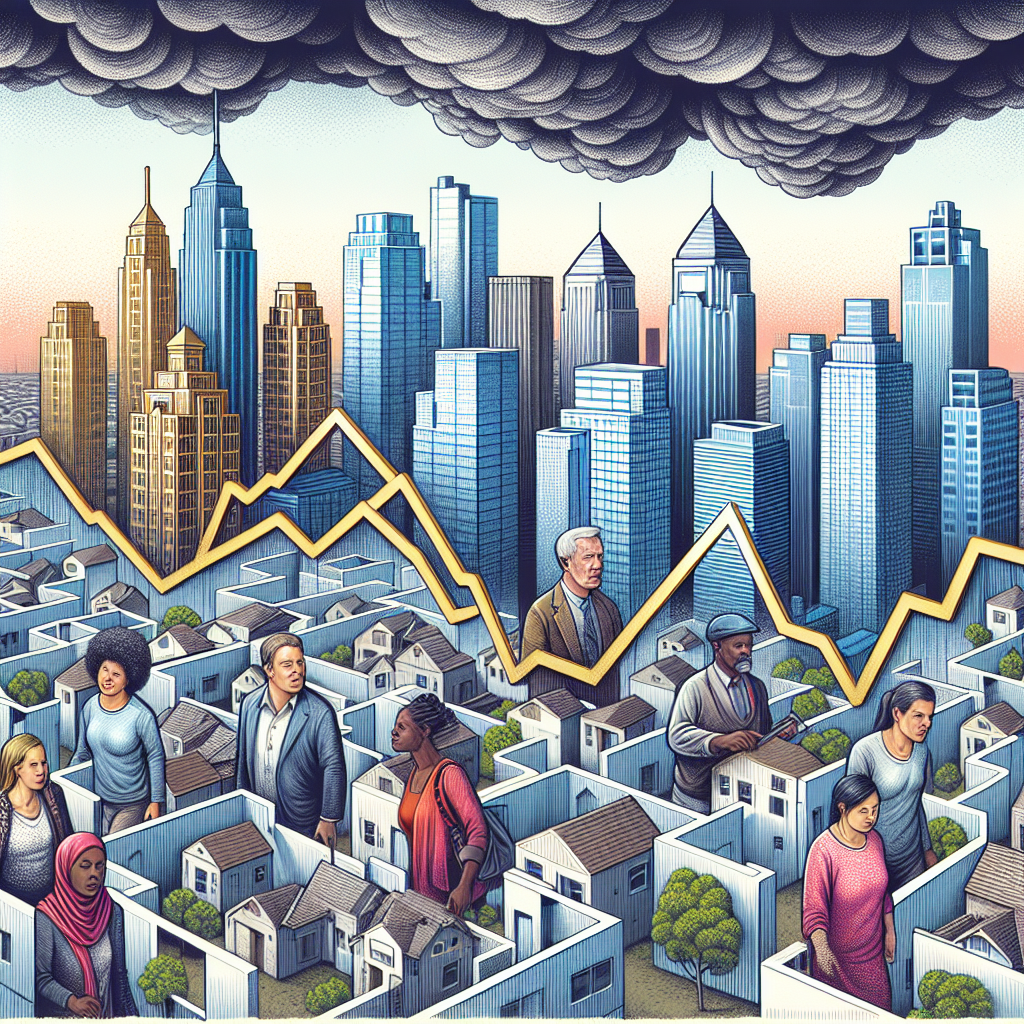
In the past few decades, affordable housing has emerged as a contentious issue with far-reaching implications on the economy, social fabric, and urban development. The need for affordable housing has never been more pressing, as urban populations swell and incomes stagnate. In many cities across the globe, demand for affordable housing far outstrips supply, leading to a housing crisis that affects millions of families. This article delves into the current market trends in affordable housing and the multifaceted challenges faced by stakeholders.
Introduction
The housing market has always been a critical component of any nation’s economic health, acting both as a bellwether for economic conditions and a vital element in people’s quality of life. Recently, though, the concept of affordable housing has taken center stage, sparking debates, policy proposals, and grassroots movements.
Affordable housing is typically defined as housing costing no more than 30% of a household’s monthly income. This definition underscores the stark reality facing many low- and middle-income families who find themselves devoting an unreasonable portion of their earnings to housing costs. Rising real estate prices, coupled with stagnant wages, have created a perfect storm that exacerbates housing insecurity nationwide.
As urbanization accelerates and city populations continue to grow, the gap between housing demand and supply widens. Consequently, questions around how best to address this gap have led to diverse and innovative approaches, including public-private partnerships, zoning changes, and incentive programs aimed at developers. Despite these efforts, affordable housing remains out of reach for many, exacerbating existing social and economic inequalities.
This article will explore the current trends shaping the affordable housing market and dissect the various challenges that impede solutions. From understanding the role of government policy to examining new financing models, we’ll cover a spectrum of issues that are central to this vital topic.
Current Market Trends In Affordable Housing
One of the most prominent trends in the affordable housing market is the noticeable shift towards urban living. More people are moving into cities, driven by the proximity to employment opportunities, amenities, and cultural experiences. This migration has put immense pressure on housing markets in urban areas, pushing prices up and making affordable homes harder to find.
Moreover, there’s been a rise in mixed-use developments—projects that combine residential, commercial, and sometimes even industrial spaces. These projects aim to foster vibrant communities and maximize land use, thus providing more affordable housing in prime locations.
Technological advancements are also influencing the market. Smart housing solutions and prefabricated building techniques are becoming popular, reducing construction costs and time. These innovations promise to make affordable housing more accessible and improve the quality of low-income housing projects.
Another trend is the adoption of sustainable practices and green building standards. Affordable housing projects are increasingly incorporating energy-efficient designs and materials, which, while initially more costly, lead to long-term savings for residents through reduced utility bills.
Lastly, there’s a growing focus on inclusive housing policies. Governments and private developers are striving to create diverse communities by incorporating social housing units within new developments. These efforts are not only aimed at providing affordable housing but also fostering social cohesion.
The Role of Government Policy
Government intervention plays a crucial role in shaping the affordable housing landscape. Policies related to zoning, tax incentives, and funding can significantly impact the availability and affordability of housing.
Zoning laws are particularly influential. In many cities, restrictive zoning has limited the construction of new housing, especially affordable units. To address this, some local governments are enacting zoning reforms to encourage the development of more affordable housing. For example, upzoning, which allows for higher-density building, can create opportunities for developing affordable units in desirable areas.
In addition to zoning, tax incentives and subsidies are vital tools that governments use to encourage the construction and preservation of affordable housing. Programs such as Low-Income Housing Tax Credits (LIHTC) in the United States have been instrumental in funding affordable housing projects. By providing financial incentives to developers, these programs help bridge the gap between the cost of construction and rental income.
Federal and local funding is another critical component. Government grants and loans can finance the development of affordable housing projects, particularly in underserved areas. However, limited public funding remains a significant challenge, requiring innovative approaches and partnerships with the private sector to maximize resources.
Challenges in Financing Affordable Housing
Financing affordable housing is one of the most significant challenges faced by developers and policymakers. The high costs of land, construction materials, and labor often make it difficult to build affordable units without substantial subsidies or incentives.
Traditional financing models tend to favor high-end, market-rate developments, as they promise higher returns on investment. Affordable housing, on the other hand, often requires creative financing solutions that blend public, private, and philanthropic sources of funding.
Public-private partnerships (PPPs) have emerged as a promising model for financing affordable housing. These collaborations leverage public resources and private expertise to deliver housing projects that meet the needs of low- and moderate-income families. By sharing risks and rewards, PPPs can mobilize the necessary capital and ensure the sustainability of affordable housing developments.
Impact investors are also playing a growing role in the affordable housing sector. These investors seek social and environmental returns in addition to financial profits, making them a valuable source of funding for affordable housing projects. Their investments often come with lower return expectations, reducing the pressure on developers to achieve high profit margins.
Nevertheless, the complexity of financing affordable housing calls for an integrated approach that combines various funding sources and strategies. Collaboration among governments, developers, investors, and non-profit organizations is essential to address the affordability gap and create sustainable housing solutions.
Innovative Solutions and Approaches
To tackle the affordable housing crisis, innovative solutions and approaches are being explored and implemented worldwide. Technological advancements, new construction techniques, and creative policy initiatives are all contributing to the development of affordable housing.
One promising innovation is the use of modular and prefabricated construction. These methods allow for faster and more cost-effective building processes, reducing overall construction expenses. By manufacturing building components off-site and assembling them on-site, developers can streamline operations and overcome logistical challenges.
Another innovative approach is the adaptation of underutilized spaces and buildings for residential use. Repurposing vacant commercial properties, warehouses, and even parking lots into affordable housing units can help address the shortage of affordable homes in densely populated areas. This approach not only maximizes land use but also revitalizes neighborhoods and minimizes urban sprawl.
Involving the community in the planning and development process is also gaining traction. Community-led housing initiatives empower residents to take an active role in shaping their living environment, ensuring that housing projects align with their needs and preferences. Co-housing, community land trusts, and housing cooperatives are examples of such initiatives that promote affordability and social cohesion.
Finally, technology-driven solutions, such as digital platforms and data analytics, are revolutionizing the housing market. These tools enable better matching of housing supply with demand, facilitate transparent transactions, and optimize resource allocation. By leveraging data and technology, stakeholders can gain valuable insights into housing trends and make informed decisions that benefit both residents and developers.
The Social Impact of Affordable Housing
Affordable housing is not just an economic issue; it also has profound social implications. Access to safe and affordable housing is fundamental to individuals’ well-being and overall quality of life.
One of the key social impacts of affordable housing is improved health outcomes. Stable and secure housing provides a foundation for physical and mental well-being. Individuals and families who have access to affordable housing are less likely to experience stress, overcrowding, and environmental hazards, all of which can negatively affect health.
Moreover, affordable housing promotes educational attainment and economic mobility. Children growing up in stable and affordable homes are more likely to perform well in school and pursue higher education. Additionally, affordable housing enables families to allocate more of their income to other essentials, such as healthcare, education, and healthy food, thus breaking the cycle of poverty and improving economic opportunities.
Social cohesion and community stability are also enhanced through affordable housing initiatives. When families have access to affordable homes, they can establish roots in their communities, build social networks, and actively participate in civic life. This sense of belonging fosters stronger, more resilient communities and reduces social disparities.
Furthermore, affordable housing contributes to economic growth and development. By creating inclusive and diverse communities, affordable housing attracts a stable workforce, supports local businesses, and stimulates economic activity. It ensures that essential workers, such as teachers, healthcare professionals, and service industry employees, can live near their workplaces, reducing commute times and enhancing overall productivity.
Conclusion
The journey to achieving affordable housing for all is fraught with challenges, but it is a goal worth pursuing. The current market trends in affordable housing highlight both the progress made and the hurdles that remain. Urbanization, mixed-use developments, and sustainable practices offer promising solutions, but addressing the affordability gap requires a multifaceted approach.
Government policies, financing models, and innovative solutions all play pivotal roles in alleviating the affordable housing crisis. While there is no one-size-fits-all solution, collaboration, creativity, and community involvement are key to making affordable housing a reality.
As we navigate the complexities of the housing market, it is essential to prioritize the social impact of affordable housing. Stable and affordable homes contribute to healthier, more educated, and economically secure communities. By recognizing housing as a fundamental right, we can work toward a future where everyone has access to safe and affordable housing.
The path ahead may be challenging, but with concerted efforts from governments, developers, investors, and communities, we can create sustainable and inclusive housing solutions that benefit society as a whole. Affordable housing is not just a goal; it is a commitment to the well-being and prosperity of current and future generations.
Frequently Asked Questions
1. What are the current trends in the affordable housing market?
The affordable housing market is currently in a state of flux, influenced by a variety of socio-economic factors. One notable trend is the rapid urbanization that has led to a significant increase in demand for affordable housing. As more people move to cities in search of better employment opportunities and quality of life, the pressure on housing stock has intensified. Moreover, there’s a shift towards sustainable building practices, with a growing emphasis on energy-efficient homes that can help lower utility costs for residents. Another emerging trend is the integration of technology in housing solutions, such as prefabricated homes and modular construction, which allow for quicker and more cost-effective building processes.
Demographically, there’s been a noticeable demand from younger generations who face financial constraints due to student debts and rising living costs. Lastly, government policies and incentives are increasingly focused on public-private partnerships to address the lack of affordable housing, encouraging collaboration across sectors to develop innovative housing solutions that cater to low and middle-income families.
2. What are the main challenges facing affordable housing today?
Several challenges complicate the landscape of affordable housing. One of the primary issues is the imbalance between supply and demand. With urban populations continuing to grow and incomes remaining relatively static, the demand for affordable housing units far surpasses the available supply, creating a housing crisis in many cities. Land costs are another significant barrier, as they are typically high in urban centers where the need for affordable housing is most acute.
There’s also the challenge of aligning government regulations and zoning laws with the need for affordable housing. These regulations can often be restrictive, making it difficult for developers to build new units quickly and economically. Financing is another obstacle, as securing funding for affordable housing projects can be complex, requiring navigating through costly bureaucracy and ensuring compliance with various governmental mandates. Additionally, there’s the social stigma often associated with affordable housing, which can lead to community resistance against new developments.
3. How does affordable housing impact the economy?
Affordable housing plays a crucial role in shaping a healthy economy. It can stimulate local economies by creating jobs in the construction and real estate sectors, and provide stable housing for workers which in turn increases productivity. When people have access to affordable housing, they tend to spend more on goods and services, boosting local businesses and fostering economic development.
Affordable housing initiatives can also reduce the public cost associated with healthcare and law enforcement, as stable housing is linked to improved health outcomes and reduced crime rates. Additionally, investing in affordable housing can increase the property tax base over time, as communities become more vibrant and attractive. However, the lack of affordable housing can stifle economic growth, as it limits workforce mobility and can perpetuate cycles of poverty, which have broader societal costs.
4. What role do government policies play in affordable housing?
Government policies are instrumental in shaping the affordable housing sector. They can enable or hinder the development of affordable housing through various measures such as subsidies, tax incentives, and zoning regulations. Many governments have implemented policies to incentivize private developers to include affordable units in their projects, often through reduced property taxes or grants.
Additionally, governments often support affordable housing through direct spending programs that fund public housing initiatives and provide rental assistance to low-income families. Zoning laws and land use planning play a critical part as well, as they can facilitate the allocation of land for affordable housing projects or streamline the approval process to make these projects more feasible. However, policy gaps and a lack of coordination between different levels of government can sometimes slow progress, highlighting the need for comprehensive and cohesive policy frameworks.
5. What are some potential solutions to address the affordable housing crisis?
Addressing the affordable housing crisis requires a multifaceted approach. One potential solution is the expansion of the housing supply by promoting land use reforms that encourage the development of affordable units. This can involve revisiting zoning laws to allow for higher density housing and mixed-use developments, which can efficiently use urban space.
Innovative funding mechanisms, such as social impact bonds and community land trusts, can also play a role, offering new ways to finance affordable housing projects. Strengthening public-private partnerships can mobilize resources and expertise from both sectors to create more housing opportunities. Additionally, leveraging technology in construction, such as 3D printing and modular building techniques, can reduce construction costs and speed up production.
Investing in social infrastructure, such as public transport, schools, and healthcare facilities, can make less densely populated areas more attractive and livable, thereby easing the pressure on urban centers. Ultimately, a combination of policy interventions, financial innovation, and community engagement are essential to devising effective solutions for the affordable housing crisis.