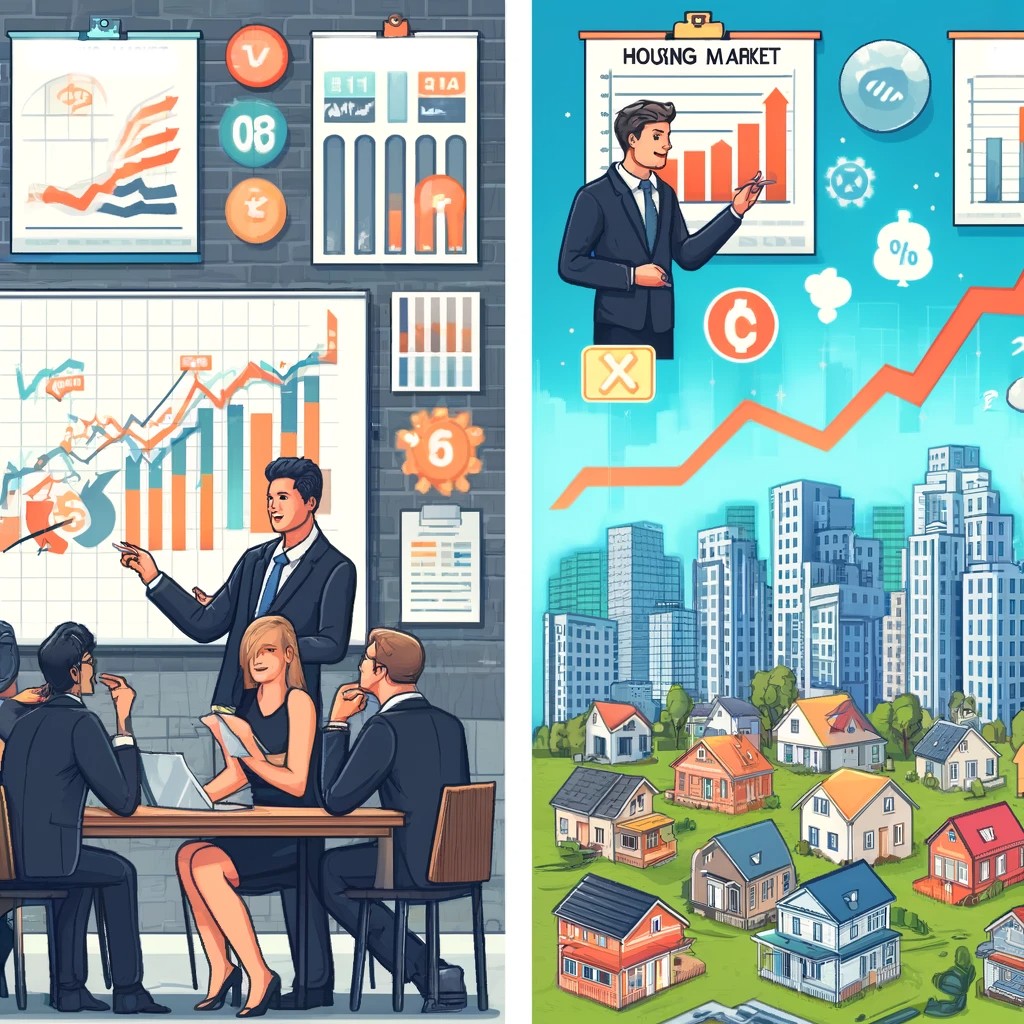
Urbanization is a global phenomenon that is changing the landscape of communities worldwide. As people move from rural areas to cities in search of better opportunities and amenities, the housing market undergoes significant transformations. This migration has a ripple effect that influences market trends, affecting prices, availability, types of housing, and the overall urban environment. Understanding these trends is crucial for anyone involved in housing and urban planning, as it helps in making informed decisions that align with the changing dynamics of urban populations.
Over the past few decades, the rate of urbanization has accelerated, driven by economic development, industrialization, and the allure of better living standards offered by urban areas. According to the United Nations, by 2050, 68% of the world’s population is projected to live in urban areas. This shift presents both challenges and opportunities for the housing market. On one hand, urbanization can lead to increased demand for housing, driving up prices and making it difficult for lower-income households to afford homes. On the other hand, it can also stimulate new housing developments and innovations in urban planning, contributing to more efficient and sustainable cities.
As we delve into the impact of urbanization on housing market trends, we will explore various aspects, including the effects on property prices, housing types, infrastructure development, and the role of government policies. By examining these elements, we aim to provide a comprehensive overview of how urbanization is reshaping the housing market and what it means for different stakeholders, from homebuyers and investors to urban planners and policymakers.
Effects on Property Prices
One of the most immediate and noticeable impacts of urbanization on housing market trends is the effect on property prices. As more people flock to urban areas, demand for housing increases, often outpacing supply. This heightened demand puts upward pressure on property prices, making it increasingly difficult for individuals, especially first-time homebuyers and low-income families, to afford homes. In cities experiencing rapid growth, such as New York, London, and Shanghai, property prices have skyrocketed over the years, leading to affordability crises that prompt concerns among both residents and policymakers.
The increase in property prices can be attributed to several factors, including limited land availability, high construction costs, and the attractiveness of urban areas. Limited space in cities often results in land scarcity, compelling developers to build vertically rather than horizontally. High-rise buildings and condominiums become commonplace, but even these cannot always meet the surging demand. Moreover, construction costs in urban areas are typically higher due to the need for advanced infrastructure and modern amenities, further driving up home prices.
Urbanization also tends to attract more affluent individuals and investors, further influencing property prices. High-income earners and real estate investors view urban properties as lucrative investments, leading to increased competition and higher prices. This can create a housing market where only the wealthy can afford prime properties, exacerbating economic inequality within cities. For policymakers, addressing the imbalance between demand and supply while ensuring affordability becomes a critical issue as urban populations grow.
Changes in Housing Types
Urbanization not only affects property prices but also shapes the types of housing that are developed and in demand in cities. As cities expand and populations grow, the need for varied housing options becomes apparent. Urban living often calls for innovative housing solutions that utilize space efficiently and cater to different socioeconomic groups.
One significant trend is the shift from single-family homes to multi-family housing units. High-density living arrangements, such as apartments, condominiums, and co-living spaces, are becoming more prevalent. These housing types cater to the needs of a growing urban population by making the most of limited space and providing amenities that single-family homes may lack. Moreover, they are often more affordable and accessible for young professionals and small families who may not have the financial capacity to purchase traditional homes.
Another emerging trend is the rise of mixed-use developments. These projects integrate residential, commercial, and recreational spaces within a single development, promoting a live-work-play environment. Mixed-use developments are designed to reduce the necessity for long commutes, enhance community interaction, and create vibrant neighborhoods. They are particularly appealing in urban areas where space is at a premium, and there is a desire for more integrated and convenient living arrangements.
In response to urbanization, there has also been a growing emphasis on sustainable and eco-friendly housing. Green buildings, which incorporate environmentally responsible and resource-efficient practices, are becoming more popular. These structures not only help reduce the carbon footprint but also offer long-term savings through energy-efficient designs. As cities aim to combat climate change and promote sustainability, the demand for green buildings is expected to rise, influencing the housing market in the process.

Infrastructure Development
Urbanization necessitates robust infrastructure development to support the growing population and interconnected activities within cities. Infrastructure development plays a crucial role in shaping housing market trends, as it influences the desirability and functionality of urban areas.
Transportation is one of the key components of urban infrastructure. Efficient public transportation systems, such as subways, buses, and commuter trains, can significantly impact housing markets by improving accessibility to different parts of the city. Areas with well-developed transportation networks often become more desirable, leading to increased property values and new housing developments. Conversely, neighborhoods with limited or inadequate transportation options may experience stagnation or decline in housing demand.
In addition to transportation, other infrastructure elements, such as utilities, healthcare facilities, educational institutions, and recreational amenities, contribute to the overall attractiveness of urban areas. Adequate provision and maintenance of these services are essential for creating livable and sustainable cities. When infrastructure development is prioritized and well-executed, it can lead to the growth of new residential communities and enhance the quality of life for urban residents.
The impact of urbanization on infrastructure development also extends to the technological front. Smart city initiatives, which leverage information and communication technologies to optimize urban living, are gaining traction. These initiatives aim to enhance the efficiency of infrastructure systems, improve service delivery, and promote sustainability. As smart city technologies become more integrated into urban planning, they influence housing market trends by attracting tech-savvy and forward-thinking residents and investors.
Role of Government Policies
Government policies play a pivotal role in shaping the housing market in urbanized areas. As cities grow, policymakers must address various challenges related to housing affordability, sustainability, and inclusivity. Effective policies can help mitigate the negative impacts of urbanization while promoting balanced and equitable development.
One of the primary policy concerns is housing affordability. To address this issue, governments may implement measures such as rent control, affordable housing programs, and subsidies for low-income families. These policies aim to ensure that housing remains accessible to a diverse population, preventing displacement and social stratification within cities. Additionally, zoning regulations and land use policies can influence the supply and type of housing available, impacting market trends.
Sustainability is another critical focus for policymakers in urban areas. Governments may introduce incentives for green building practices, energy-efficient designs, and the use of renewable energy sources. These initiatives not only promote environmental stewardship but also contribute to the long-term resilience of urban housing markets. Moreover, policies that encourage the development of mixed-use and transit-oriented communities can enhance urban livability and reduce the dependency on private vehicles.
Inclusive urban development is essential for creating vibrant and cohesive communities. Policies that promote social integration, equitable access to amenities, and the preservation of cultural heritage play a vital role in achieving this goal. By fostering inclusivity, governments can ensure that the benefits of urbanization are shared broadly and that cities remain open and welcoming to all residents.
Conclusion:
Urbanization is a dynamic force that is reshaping housing market trends across the globe. Its impact is multifaceted, influencing property prices, housing types, infrastructure development, and government policies. As more people migrate to urban areas, the demand for housing continues to rise, driving up property prices and necessitating innovative housing solutions. Multi-family units, mixed-use developments, and sustainable buildings are becoming increasingly common in response to the pressures of urbanization.
Infrastructure development, particularly in transportation and technology, plays a crucial role in supporting the growth of urban populations and shaping desirable living environments. Efficient public transportation systems, smart city initiatives, and robust utilities are essential for creating livable and sustainable cities. Government policies, meanwhile, are critical in addressing challenges related to housing affordability, sustainability, and inclusivity. Effective policies can mitigate negative impacts and promote balanced urban development.
Understanding the impact of urbanization on housing market trends is essential for stakeholders across the housing and urban planning spectrum. By staying informed and proactive, homebuyers, investors, urban planners, and policymakers can navigate the complex landscape of urbanization and contribute to the creation of thriving and resilient cities. As urbanization continues to advance, the need for thoughtful and strategic planning becomes ever more crucial in ensuring that housing markets remain responsive to the evolving needs of urban populations.
Frequently Asked Questions
1. How does urbanization impact housing prices in city areas?
Urbanization has a pronounced influence on housing prices in cities. As more people migrate from rural areas to urban centers, the demand for housing in these vibrant locales escalates significantly. This sudden surge in demand often leads to a rise in property values. As the competition to secure a place in the city grows fiercer, housing prices tend to skyrocket. This effect is especially prevalent in densely populated cities where the availability of land is limited. Moreover, as urbanization unfolds, cities undergo infrastructural development. New amenities and improved public services add further value to urban neighborhoods, driving prices even higher. Additionally, investors anticipate continued demand growth in urban areas, making real estate a lucrative investment, which also contributes to a rise in housing costs. Thus, understanding these complex dynamics is crucial for prospective buyers, developers, and urban planners alike.
2. What types of housing trends emerge due to increased urbanization?
Urbanization stimulates a variety of housing trends tailored to the evolving needs and lifestyles of city dwellers. One significant trend is the rise of high-density housing solutions, such as apartment complexes and condominiums, enabling cities to accommodate more residents within limited space. This type of housing also entails mixed-use developments that integrate residential, commercial, and entertainment spaces into single complexes, creating self-sustaining communities. Another trend is the popularity of smaller, more affordable units, such as micro-apartments and co-living spaces, which cater to young professionals and students seeking economical living options in prime urban locations. Additionally, there is a growing emphasis on sustainable and smart homes, driven by environmental concerns and technological advancements. These housing trends highlight the necessity for residential developments to adapt and innovate to meet the diverse needs of a burgeoning urban population.
3. How does urbanization affect the availability of housing in cities?
Urbanization can strain the availability of housing significantly, as the influx of people into urban areas often outpaces the rate at which new housing can be constructed. This imbalance leads to heightened competition for the available housing units, particularly in highly sought-after areas, exacerbating issues of scarcity. The limited availability often results in increased rental and purchase costs, making it challenging for individuals, especially those with lower incomes, to find suitable housing. Furthermore, as urbanization progresses, there is a risk of displacement for existing residents due to gentrification, which can further reduce housing availability for certain income groups. However, urbanization also prompts a push towards innovative housing solutions, including prefabricated homes and adaptive reuse of existing structures, to increase the housing supply despite these challenges.
4. How does urbanization influence the development of urban environments?
Urbanization shapes the development of urban environments profoundly. First and foremost, it necessitates improvements in infrastructure, such as transportation systems, utilities, and public services, to support the growing population. This results in more efficient and interconnected cities. Urbanization also encourages the creation of vibrant social spaces, from parks to cultural hubs, enhancing the quality of urban life. As cities expand to accommodate more people, there is a tendency to prioritize sustainable urban design, integrating green spaces and environmentally-friendly technologies to mitigate the ecological footprint of urban living. Moreover, urbanization leads to increased economic activity, as businesses and industries flock to city centers, fostering innovation and providing employment opportunities. As a result, urban planners and policymakers are challenged to design urban environments that are not only accommodating to growth but also resilient, sustainable, and inclusive.
5. What role do urban planners play in managing the effects of urbanization on the housing market?
Urban planners play a crucial role in managing the effects of urbanization on the housing market by devising strategic guidelines and frameworks that govern urban growth and development. They are responsible for ensuring that new housing developments align with broader urban planning goals, such as sustainable development, social equity, and economic viability. One of their key priorities is to orchestrate land use plans that balance residential needs with commercial and industrial space, thereby fostering harmonious urban growth. Urban planners also advocate for affordable housing initiatives to ensure that diverse demographic groups can afford to live in urban areas. Additionally, they work collaboratively with policymakers, developers, and community stakeholders to create holistic urban environments that accommodate future growth while preserving the heritage and character of existing communities. Through these concerted efforts, urban planners help to mitigate the adverse impacts of urbanization on housing markets and promote sustainable urban living for future generations.