In an ever-evolving urban landscape, the demand for versatile living spaces that seamlessly blend residential, commercial, and recreational purposes has never been higher. Often hailed as a transformative solution to urban sprawl and congestion, mixed-use developments are capturing the public interest and economic investment like never before. But why exactly are these spaces becoming so popular, and what implications do they hold for the future of housing and urban planning?
Let’s start by understanding what mixed-use developments are. At their core, these developments integrate various compatible land uses into a single, cohesive project. This ideally includes retail spaces, office buildings, residential units, and even public amenities like parks and cultural institutions. Far from being a new concept, mixed-use developments harken back to historical urban centers where shopping, living, and working occurred within close quarters.
So, what factors are contributing to this resurgence? The answers are multifaceted. From increasing urbanization and environmental sustainability to the desire for vibrant community life, a myriad of reasons exist. Moreover, technological advancements and progressive urban planning initiatives have allowed for more sophisticated designs and amenities in contemporary mixed-use projects.
This comprehensive guide explores the ins and outs of mixed-use developments. We’ll dive into the specific trends fueling their rising popularity, their benefits, potential challenges, and some exemplary case studies that are setting new standards in the field. By understanding these aspects, we can better appreciate why mixed-use developments are not just a fleeting trend, but a fundamental shift in how we conceive urban living and community building.
Rising Trends in Mixed-Use Developments
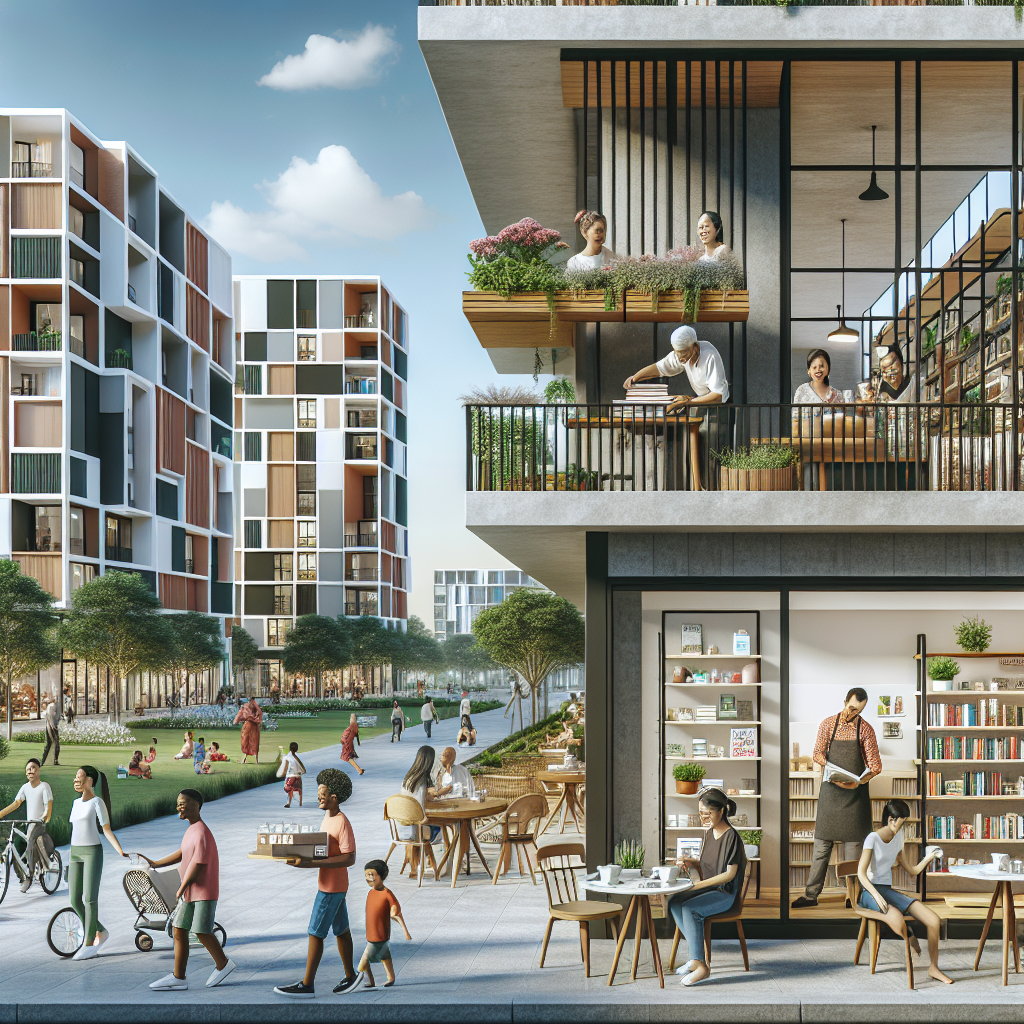
One of the most noticeable trends in the realm of mixed-use developments is their ubiquity in major metropolitan areas. Urban spaces that were once considered solely business districts or residential zones are now vibrant neighborhoods where people live, work, and play. This shift is largely due to the changing preferences of urban dwellers. Millennials and younger generations, in particular, prefer walkable communities where amenities are close at hand.
Another significant trend is the focus on sustainability. Mixed-use developments are often designed with eco-friendliness in mind. From incorporating green roofs and energy-efficient systems to minimizing car usage through strategic urban planning, these developments address environmental concerns while providing convenience.
Additionally, the integration of smart technology is becoming a standard feature in new mixed-use developments. Innovations like smart lighting, security systems, and energy management solutions make these spaces more efficient and appealing to tech-savvy residents. The Internet of Things (IoT) has indeed transformed the conceptualization and function of modern mixed-use properties.
Lastly, there is an increasing emphasis on community-building within mixed-use spaces. Developers are investing in communal areas such as parks, cultural centers, and public plazas to foster interaction and community spirit among residents. This investment in social infrastructure contributes to the overall appeal and success of these developments.
Benefits of Mixed-Use Developments
The advantages of mixed-use developments extend far beyond convenience and modernity; they offer substantial benefits on both personal and societal levels. To begin with, these developments promote a sense of community. By providing spaces where people can interact, relax, and participate in communal activities, they help foster a strong sense of belonging among residents.
Another significant benefit is economic development. Mixed-use projects can revitalize neglected or underutilized urban areas, attracting businesses and generating employment opportunities. The presence of residential units alongside commercial and office spaces ensures a constant flux of activity, which can boost local economies.
Environmental benefits are another strong selling point. By reducing the need for residents to commute long distances for work or leisure, mixed-use developments can significantly cut down on carbon emissions. The emphasis on sustainable construction practices and green amenities further enhances their eco-friendly profile.
Lastly, from a planning perspective, mixed-use developments offer a solution to urban sprawl. By creating high-density, multifunctional spaces, they optimize land use and reduce the pressure on outlying areas. This efficient land use can ease the strain on infrastructure and public services, making cities more livable in the long term.
Challenges and Considerations
Despite their many advantages, mixed-use developments come with their own set of challenges. One of the primary issues is zoning. Many cities have antiquated zoning laws that do not easily accommodate mixed-use projects, making regulatory approval a lengthy and complicated process.
Financial feasibility is another hurdle. The diverse nature of mixed-use developments often requires substantial initial investment, which can be a deterrent for developers. Financial institutions also sometimes view these projects as high-risk, adding another layer of complexity to securing funding.
Additionally, achieving the right blend of uses within a single development can be challenging. It requires careful planning and market research to ensure that the different components, whether retail, residential, or office, complement each other and attract the intended demographic.
Finally, the management and maintenance of mixed-use developments can be more complex than traditional projects. Coordinating between residential tenants, commercial businesses, and public amenities requires robust governance structures and clear communication channels.
Case Studies: Exemplary Mixed-Use Developments
To better understand the impact and success of mixed-use developments, let’s look at a few exemplary case studies. The Hudson Yards development in New York City is one of the most ambitious mixed-use projects in the United States. Spanning over 28 acres, this development includes residential towers, office spaces, retail outlets, public parks, and cultural venues. It’s a prime example of how comprehensive planning and significant investment can create a thriving urban microcosm.
Overseas, the King’s Cross redevelopment in London showcases the potential for transforming historical industrial sites into vibrant mixed-use neighborhoods. This project emphasizes green spaces, pedestrian-friendly designs, and heritage conservation, blending the old with the new in a seamless urban tapestry.
Another notable example is Singapore’s Punggol Digital District, designed to be a smart and sustainable mixed-use development. Featuring a mix of business parks, residential units, and educational institutions, this project leverages advanced digital technologies to enhance the quality of life for its residents and workers.
These case studies underline the diverse possibilities and innovative approaches within mixed-use developments, each tailored to its unique urban context while adhering to common principles of sustainability, community building, and economic feasibility.
The Future of Mixed-Use Developments
As urbanization continues to accelerate, mixed-use developments are poised to play an even more critical role in shaping our cities. The growing emphasis on sustainability is expected to drive further innovation in eco-friendly building practices and smart technology integration. The ongoing shift towards remote and flexible working may also influence the types of spaces included in these developments, with a likely increase in co-working areas and flexible office spaces.
Another trend to watch is inclusivity. Developers are increasingly prioritizing affordable housing and amenities designed to serve a diverse range of residents. This focus on inclusivity can help ensure that the benefits of mixed-use developments are more broadly shared across different socio-economic groups.
Additionally, the global trend towards healthier living environments may spur the incorporation of more wellness-oriented amenities, such as fitness centers, green parks, and recreational spaces. This might also include the adoption of biophilic design principles, which integrate natural elements to promote mental and physical well-being.
In conclusion, mixed-use developments represent a forward-thinking approach to urban planning. They address many contemporary urban challenges, from environmental sustainability to social cohesion, making them an essential part of future cityscapes. As we continue to innovate in design and technology, the potential for these developments to enhance the quality of urban life remains boundless.
Conclusion
The popularity of mixed-use developments reflects a broader shift towards more integrated, sustainable, and community-focused urban living. From the convenience of having diverse amenities within walking distance to the robust economic and environmental benefits, these modern-day “urban villages” cater to the evolving needs of 21st-century dwellers.
As we have seen, the trends driving this popularity are diverse and dynamic. From the increasing urbanization and the rise of smart technologies to a growing emphasis on sustainability and community-building, multiple factors are at play. While challenges exist, such as regulatory hurdles and financial feasibility, the overall trajectory for mixed-use developments is overwhelmingly positive.
Case studies like Hudson Yards, King’s Cross, and Punggol Digital District effectively illustrate the transformative potential of these projects. They serve as blueprints for future developments, demonstrating that with thoughtful planning and investment, mixed-use projects can revitalize urban areas, foster community spirit, and promote a more sustainable way of living.
Looking to the future, mixed-use developments are likely to become even more integral to our urban fabric. Innovations in design, technology, and inclusivity will continue to shape these spaces, making them adaptable to our ever-changing needs and aspirations. In embracing mixed-use developments, cities around the world can aspire to create more vibrant, sustainable, and resilient urban environments for generations to come.
Frequently Asked Questions
1. What are mixed-use developments, and why are they becoming so popular?
Mixed-use developments are urban spaces that integrate housing, commercial, cultural, and sometimes industrial facilities in a single community. They are essentially all-in-one developments where people can live, work, and play without needing to travel long distances. The growing popularity of mixed-use developments can be attributed to several factors. First, they offer a solution to urban sprawl by using land more efficiently and reducing the need for long commutes, which helps to cut down on traffic congestion and pollution. Secondly, they appeal to a societal shift towards more sustainable and community-oriented living. Residents value the convenience and vibrancy of having everything they need within walking distance. By facilitating a live-work-play dynamic, these developments inject vitality into urban spaces, making them attractive places to live and invest in.
2. How do mixed-use developments impact local economies?
Mixed-use developments can profoundly impact local economies in several ways. By attracting businesses, they create jobs and stimulate economic growth. The combination of residential and commercial spaces means that residents—who are also potential employees and customers—are right on the doorstep, thus reducing the risk for businesses relying on foot traffic. These developments increase the tax base, which can then be reinvested into local infrastructure and services, improving overall quality of life. Furthermore, the presence of amenities such as shops, restaurants, and entertainment venues attracts visitors, which in turn boosts tourism revenue. Real estate values in and around mixed-use developments often appreciate due to their desirability, contributing further to economic vitality.
3. Are mixed-use developments sustainable, and if so, how?
Yes, mixed-use developments are often more sustainable than traditional single-use zoning. Firstly, they promote walkability, reducing the reliance on cars and thereby lowering greenhouse gas emissions. They encourage the use of public transportation due to their strategic location within urban centers, near transit hubs. By integrating various land uses in close proximity, they reduce the need for expansive land development, preserving green spaces and mitigating urban sprawl. Additionally, the concentration of resources and services in one area helps to minimize energy consumption and infrastructure costs. Many contemporary mixed-use developments also incorporate green building practices, like utilizing renewable energy sources and implementing efficient water and waste systems to further enhance sustainability.
4. What challenges do mixed-use developments face?
Despite their benefits, mixed-use developments face several challenges. Successfully integrating different types of spaces can be complex, requiring careful planning and collaboration between architects, urban planners, and local authorities. There’s a balancing act in ensuring each use—residential, commercial, recreational—can function optimally and complement one another. Zoning regulations can be a barrier, as they often need to be adapted to accommodate mixed-use projects. Additionally, the initial development costs can be high, requiring substantial investment and financial backing. There can also be resistance from local communities who fear changes to neighborhood character or increased density. Ensuring accessibility and affordability for a wide range of residents and tenants is another significant hurdle, as these developments can sometimes drive up living costs in the area.
5. What does the future look like for mixed-use developments?
The future of mixed-use developments looks promising, as they align well with the growing demand for urban environments that prioritize connectivity, convenience, and community. With an increasing focus on sustainable living and smart urban design, mixed-use developments are likely to become more integrated with technology, offering smarter, more connected living. The integration of green spaces and adaptive reuse of historical buildings within these projects can become more prevalent, catering to aesthetic and environmental considerations. As urban populations continue to grow, the efficient land use and vibrant communities provided by mixed-use developments will be essential in supporting more resilient cities. Policymakers and urban planners are likely to continue embracing mixed-use strategies as part of comprehensive urban development plans to manage growth sustainably and equitably.