Introduction to Urban Forests and Tree Canopies
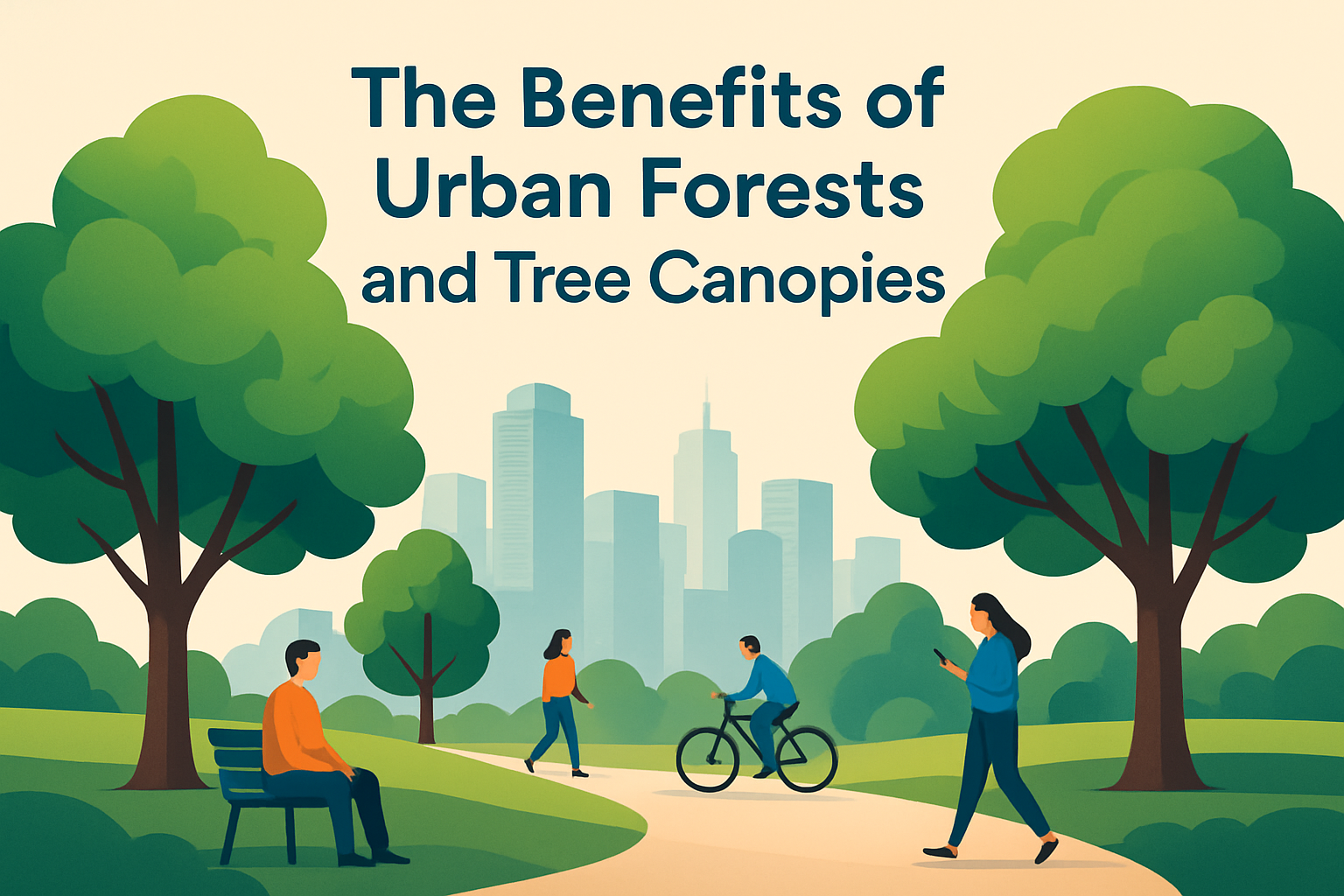
Urban forests and tree canopies are essential components of city landscapes that play significant roles in enhancing the quality of urban life. An urban forest, by definition, is a collection of trees and shrubs located within an urban setting, including parks, street trees, and private gardens. The tree canopy specifically refers to the upper layer formed by mature tree crowns, which constitutes the greenery seen from above.
These natural elements matter because they offer a myriad of benefits, ranging from environmental and economic to social and health-related. With cities rapidly expanding, understanding these benefits becomes critical to sustainable urban planning. By maintaining and expanding urban forests and tree canopies, cities can mitigate various urbanization challenges, such as heat islands, pollution, and biodiversity loss.
Environmental Benefits: Mitigating Urban Heat Islands
Urban heat islands (UHIs) are areas where cities experience significantly higher temperatures than their rural counterparts, primarily due to human activities and infrastructure that absorb and retain heat. Urban forests and tree canopies are effective in mitigating this phenomenon. The shade provided by tree canopies reduces the temperature of streets and pavements, which in turn reduces the overall ambient temperature.
For example, in New York City, strategic planting of trees has resulted in a measurable decrease in UHIs. Trees not only provide shade but also participate in a process called evapotranspiration, where they release moisture into the air. This process cools the surrounding environment, offering a natural air conditioning effect.
- Reduces surface temperatures
- Shades heat-retaining surfaces
- Provides cooling through evapotranspiration
Economic Advantages: Enhancements in Property Value and Energy Savings
Beyond the ecological impact, urban forests and tree canopies hold substantial economic value. Properties with well-maintained landscaping, particularly with mature trees, tend to have higher market values than those without. Trees add aesthetic appeal and provide a sense of tranquility, which is highly sought after in urban real estate.
Additionally, trees contribute to energy savings. By shading buildings and reducing wind speeds, they help lower heating and cooling costs. A study in Sacramento, California, demonstrated that strategically placed trees could reduce household energy consumption by up to 30%. Consequently, this leads to a decrease in overall demand for energy, benefiting both individual homeowners and the wider community economically.
Social and Health Benefits: Enhancing Well-Being and Community Cohesion
Urban forests and tree canopies also offer considerable social and health benefits. Green spaces are known to foster mental health by reducing stress levels, improving mood, and promoting physical activity. For instance, a study conducted in Toronto found that residential streets lined with trees correlated with improved self-reported health metrics among residents.
Furthermore, these green areas enhance community cohesion. Spaces like parks and greenways serve as communal gathering spots, encouraging social interaction and fostering a sense of belonging. As natural meeting points, these areas facilitate recreational and cultural events that strengthen community ties.
| Benefit Type | Example |
|---|---|
| Mental Health | Reduced stress levels |
| Physical Well-Being | Increased activity levels |
| Community Engagement | Cultural festivals |
Biodiversity and Ecosystem Health: Supporting Urban Wildlife
Urban forests and tree canopies play a crucial role in supporting biodiversity within cities. They provide habitats and food sources for various forms of urban wildlife, including birds, insects, and small mammals. This urban biodiversity is essential for ecosystem health, contributing to pest control, pollination, and maintaining a balanced environment.
The city of Melbourne, for example, has implemented policies to increase urban greenery with the goal of enhancing biodiversity. The presence of diverse plant species has been shown to attract a wide range of animal species, enriching the urban ecosystem and ensuring its resilience to environmental changes.
Resilience to Climate Change: Preparing for the Future
Urban forests and tree canopies are crucial in increasing a city’s resilience to climate change. They absorb carbon dioxide, a primary greenhouse gas, thus playing an important role in mitigating climate change effects. Trees also help manage stormwater by absorbing rainfall and reducing runoff, lowering the risk of floods.
Hong Kong’s commitment to expanding its urban tree coverage serves as a powerful example. The city has integrated tree planting into its climate action plans, recognizing the multifaceted role that trees play in reducing the impacts of climate extremes.
Conclusion: Embracing the Benefits of Urban Forests
In conclusion, urban forests and tree canopies present invaluable opportunities for cities looking to enhance quality of life through environmental, economic, social, and ecological benefits. By mitigating urban heat islands, raising property values, and enhancing community health and biodiversity, these green infrastructures prove vital to creating sustainable urban environments.
Given these significant benefits, it is imperative for urban planners, policymakers, and residents to advocate for the protection and expansion of urban forests. As a simple call to action, individuals can support organizations focusing on urban greening initiatives or participate in local tree-planting events. Together, these actions can ensure cities remain vibrant and livable spaces for current and future generations.
Frequently Asked Questions
1. What are urban forests and tree canopies, and why are they important?
Urban forests and tree canopies are vital components of city landscapes, substantially enhancing the quality of urban life. An urban forest comprises collections of trees and shrubs within city settings, including parks, street trees, and private gardens. What’s fascinating about urban forests is that they provide a breadth of ecological and social benefits. They act as green lungs for cities, improving air quality by absorbing pollutants and sequestering carbon dioxide. Additionally, they offer aesthetic value, enhancing urban biodiversity by providing habitats for various species. On top of that, these green spaces encourage physical activities among city dwellers, contributing to public health.
Tree canopies specifically refer to the upper layer formed by tree crowns that creates a sea of greenery when viewed from above. This diffused layer of foliage plays several pivotal roles, including managing temperature by shading surfaces, which helps to cool down urban areas and mitigate the urban heat island effect. In other words, tree canopies act like natural air conditioners for cities, significantly reducing reliance on artificial cooling. Moreover, they play a crucial role in managing stormwater by intercepting rainfall, which minimizes flooding risks and controls erosion. Thus, urban forests and tree canopies are indispensable for creating sustainable and livable urban environments.
2. How do urban forests and tree canopies benefit the environment?
Urban forests and tree canopies offer numerous environmental benefits, serving as indispensable natural assets for cities. One of their most critical functions is improving air quality. Urban trees act as efficient air purifiers by absorbing pollutants such as sulfur dioxide, ammonia, and nitrogen oxides. They also filter particulates out of the air by trapping them on their leaves and branches. Furthermore, through the process of photosynthesis, trees capture carbon dioxide, a significant greenhouse gas, thus playing an essential role in climate change mitigation.
Besides air purification, urban forests significantly manage urban temperatures. By providing shade and releasing water vapor through transpiration, tree canopies reduce local temperatures, effectively counteracting the heat generated by streets, buildings, and vehicles, notably known as the urban heat island effect. This temperature regulation is not just a boon for human comfort but also substantially reduces energy costs associated with air conditioning.
Additionally, urban forests enhance water management by capturing rainfall on their leaves, branches, and trunks, reducing the amount of water that makes it to the ground quickly. This interception delays the onset of peak runoff, reducing the risks of flooding and preventing soil erosion. Moreover, they improve groundwater quality by filtering rainwater, allowing it to percolate into the soil gradually. Hence, urban forests and their impressive canopies contribute fundamentally to maintaining ecological balance and sustainability in cities.
3. What are the social and health benefits of urban forests and tree canopies?
Urban forests and tree canopies offer profound social and health benefits, elevating the general quality of life for city residents. From a social perspective, these green spaces provide environments for leisure, recreation, and relaxation. Parks and gardens within cities often become communal hubs where people gather, socialize, and spend quality time outdoors. Such settings foster social interaction, enhance community ties, and create inclusive spaces that accommodate a diverse populace.
Additionally, the presence of urban forests has been linked to boosting mental health. Studies have consistently shown that spending time in green spaces can reduce stress, anxiety, and depression, contributing to improved mental well-being. The visual and physical access to nature, as offered by urban forests, provides a much-needed escape from the hustle and bustle of urban life, promoting overall mental health.
From a health standpoint, urban forests encourage physical activities such as walking, jogging, and cycling, which can lead to increased fitness levels and reduced risks of chronic diseases like obesity and heart disease. The cleaner air resulting from these green areas contributes to lower respiratory problems and enhanced public health. Thus, urban forests and tree canopies are not just attractive urban features but are critical in fostering healthier, happier communities.
4. How do urban forests and tree canopies impact urban biodiversity?
Urban forests and tree canopies are rich habitats that support and enhance urban biodiversity, providing sanctuary to a wide range of species. These green patches act as essential refuges for urban wildlife amidst densely built environments, offering food, shelter, and breeding grounds for birds, insects, and small mammals. Tree canopies, in particular, are indispensable for avian populations, supplying nesting sites and perches for numerous bird species.
The diverse plant species within urban forests contribute to a varied habitat structure, supporting species richness by offering different niches within the urban ecosystem. These spaces also play a crucial role in conserving pollinators like bees and butterflies, which are vital for pollinating urban gardens and contributing to local food production systems.
Moreover, urban forests can serve as critical nodes of connectivity within a fractured urban environment, linking different green spaces and allowing wildlife to move more freely between habitats. This connectivity is vital for maintaining genetic diversity and healthy populations. By promoting urban biodiversity, these green areas enhance ecosystem resilience to environmental changes, making cities more adaptable to climate impacts. Urban forests and tree canopies thus play an integral role in fostering biodiversity within metropolitan areas, ensuring that nature remains an essential aspect of urban living.
5. What are some challenges facing urban forests and tree canopies, and how can they be addressed?
Urban forests and tree canopies face several significant challenges, which can impact their capability to provide benefits. One major challenge is urban development and land use change, which can lead to habitat fragmentation, the loss of mature trees, and a reduction in green space. As cities expand, there is often a temptation to prioritize construction over preserving natural areas, leading to decreased biodiversity and less environmental protection.
Poor management and underfunding are other pertinent issues. Many urban forests suffer from a lack of maintenance due to budget constraints or insufficient political prioritization. This neglect can lead to unhealthy forests, disease outbreaks among trees, and a decrease in canopy coverage. Addressing these concerns encompasses advocacy for adequate funding and resources to ensure proper maintenance and management of urban green spaces.
Climate change poses another threat, with its associated impacts such as increased heat stress, droughts, and extreme weather events challenging the resilience of urban trees. The solution lies in selecting diverse and resilient tree species that can withstand changing environmental conditions and implementing strategic planting to enhance canopy cover.
Finally, public engagement and education are crucial in overcoming challenges facing urban forests. Increasing community awareness regarding the importance of trees encourages support for conservation efforts and helps integrate urban greening initiatives into local planning projects. By addressing these issues, we can safeguard and enhance urban forests and tree canopies for future generations, ensuring they continue to provide myriad benefits for urban dwellers and the environment.