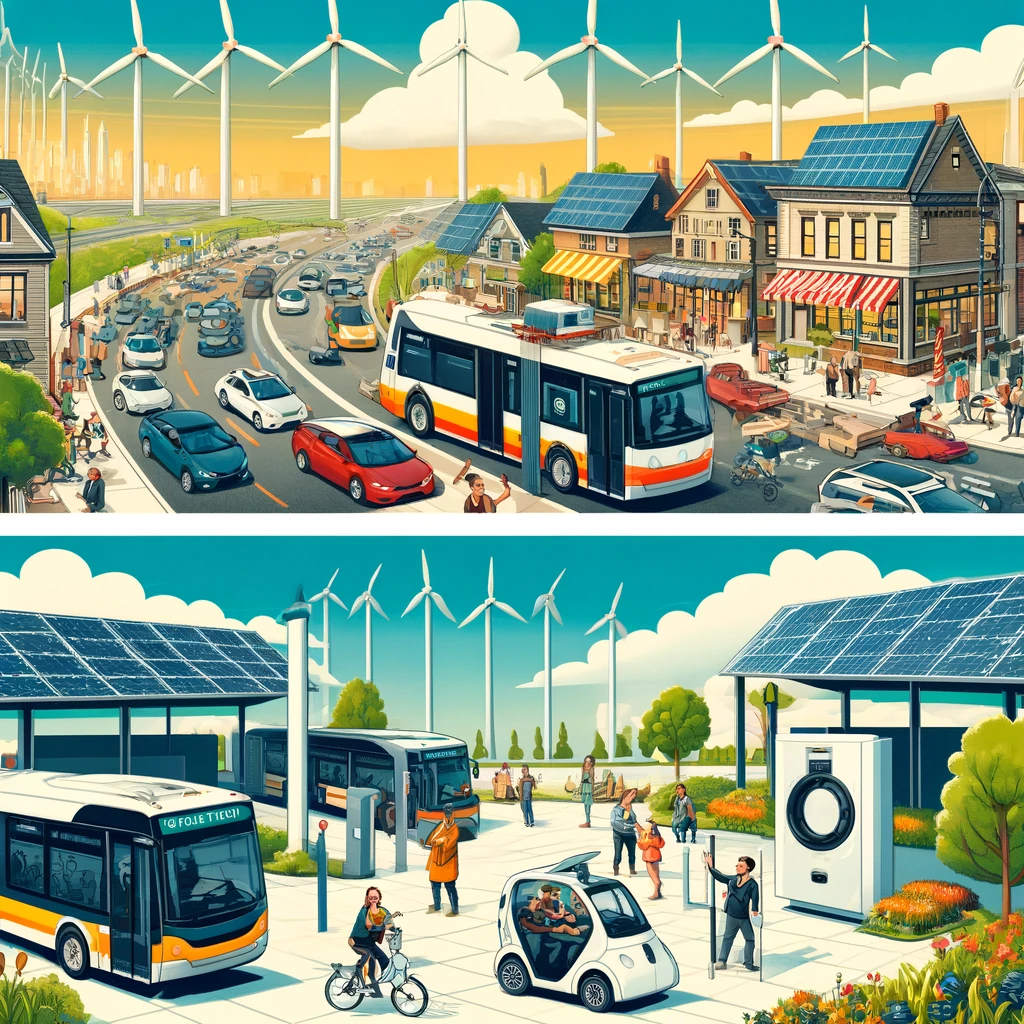
In an era where urbanization is rampantly increasing, cities around the globe are grappling with environmental degradation, particularly air pollution. Sustainable urban development stands as a critical measure to address these concerns. By focusing on reducing pollution, conserving natural resources, and promoting inclusivity, cities can evolve into healthier habitats. Notably, air quality is a vital component of sustainable urban development, as poor air quality directly impacts public health and the environment.
Introduction
As urban areas continue to expand globally, the importance of sustainable urban development amplifies. This concept is not merely about constructing buildings and infrastructure; it encompasses an integrated approach to urban planning that meets present needs without compromising the ability of future generations to meet theirs. Sustainable urban development is fundamentally about creating cities that are not only livable but also resilient to environmental challenges.
Air quality is a crucial facet of sustainable urban development. It is well-documented that air pollution in urban regions results from a multitude of activities, including transportation, industrial processes, and construction. These activities release a variety of harmful pollutants into the air, such as particulate matter (PM10 and PM2.5), nitrogen oxides (NOx), sulfur dioxide (SO2), and volatile organic compounds (VOCs).
Poor air quality is a significant public health issue. According to the World Health Organization (WHO), air pollution is linked to respiratory infections, heart disease, lung cancer, and stroke. The detrimental effects on vulnerable populations, such as children and the elderly, are especially pronounced. Hence, ensuring good air quality is integral to sustainable urban development, promoting not only healthier living conditions but also enhanced quality of life for urban residents.
The Role of Green Spaces
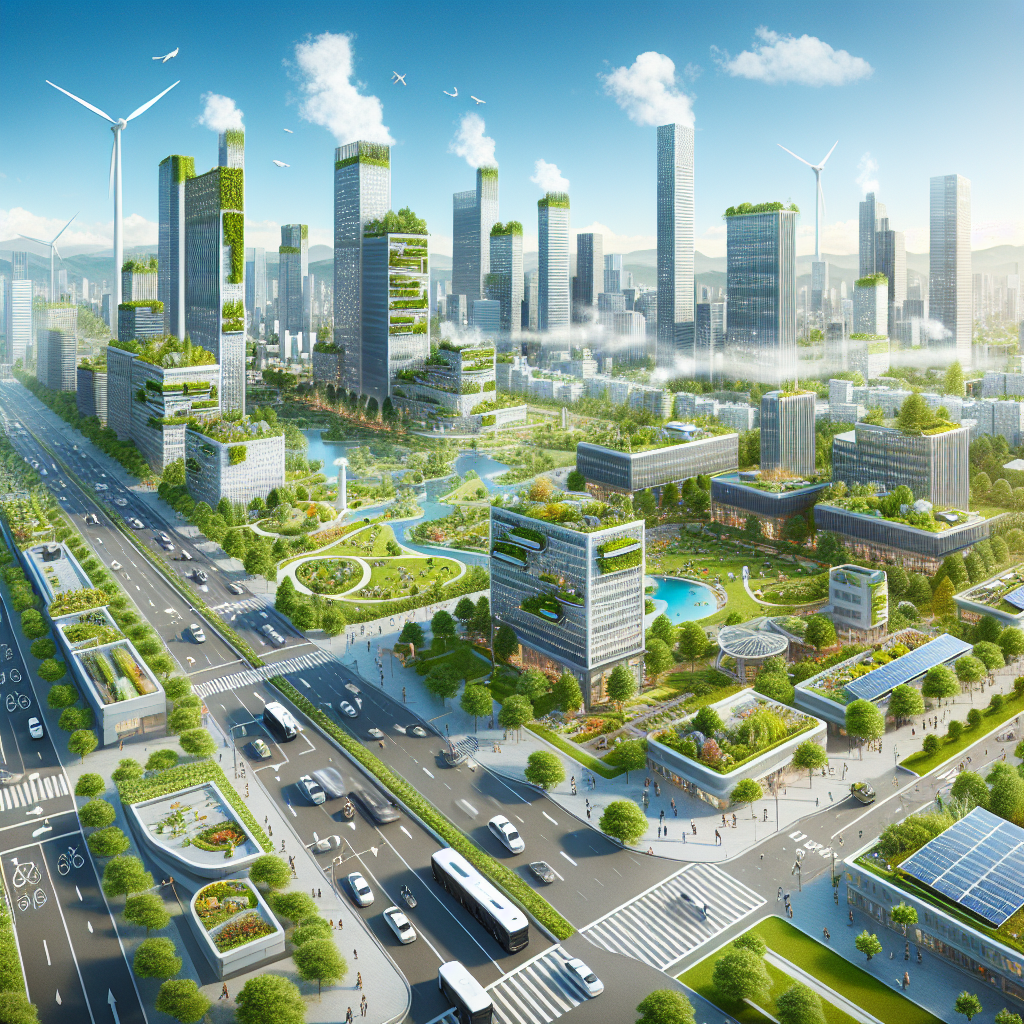
Green spaces play a pivotal role in sustainable urban development, particularly in improving air quality. Parks, gardens, and urban forests act as the lungs of the city, absorbing pollutants and providing oxygen. Vegetation absorbs carbon dioxide and releases oxygen, thereby improving air quality and mitigating the effects of climate change.
Moreover, green spaces have been shown to act as natural air filters. Trees and plants absorb pollutants through their leaves and bark, reducing the concentration of harmful gases in the air. For example, a mature tree can absorb up to 48 pounds of carbon dioxide annually, which significantly contributes to reducing urban air pollution.
Additionally, green spaces offer numerous other benefits, such as reducing urban heat islands, enhancing biodiversity, and providing recreational areas for residents. Integrating green spaces into urban design not only combats air pollution but also creates more sustainable and livable cities. Cities like Singapore and Copenhagen have successfully incorporated extensive green spaces, demonstrating the profound impact on air quality and overall urban sustainability.
Sustainable Transportation
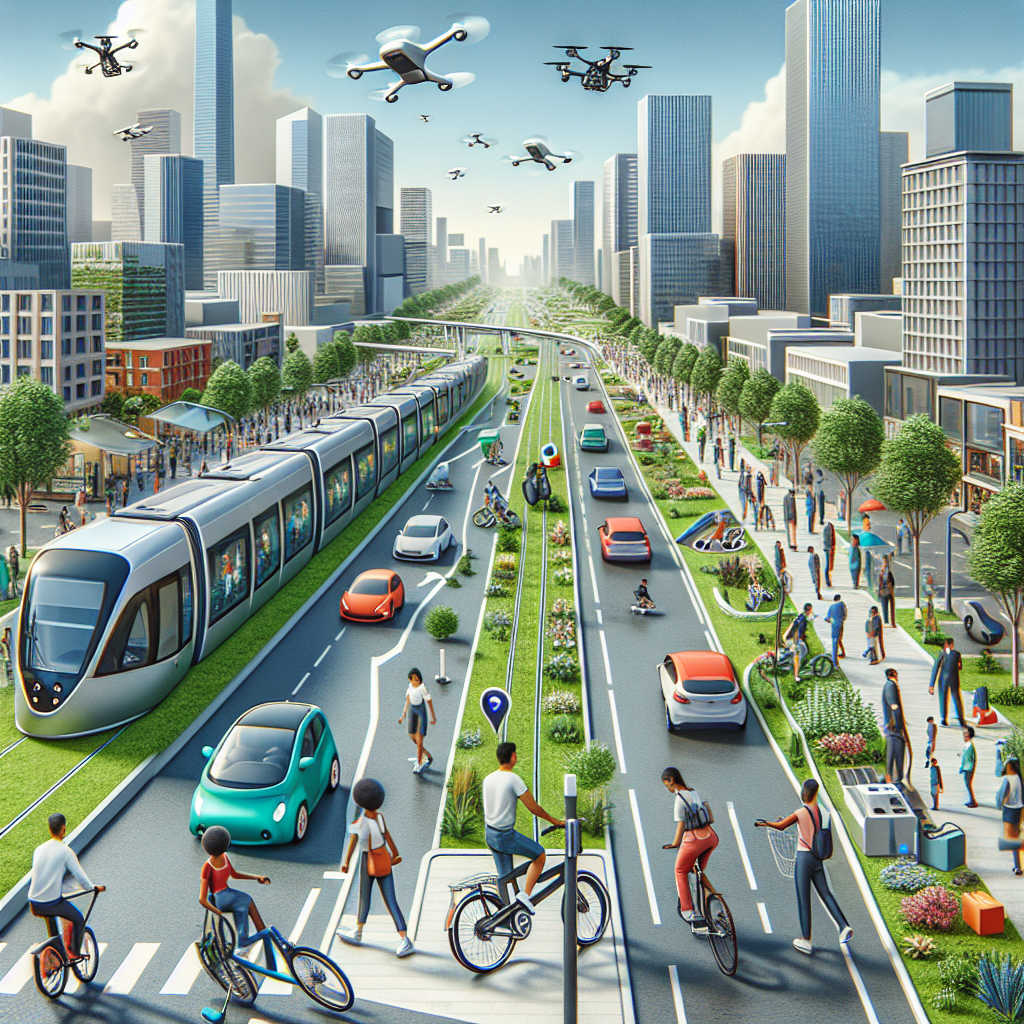
Transportation is one of the largest sources of air pollution in urban areas. The reliance on fossil-fueled vehicles contributes significantly to the emission of pollutants like NOx and PM2.5. Promoting sustainable transportation is therefore crucial for improving air quality and fostering sustainable urban development.
There are several strategies that cities can adopt to promote sustainable transportation:
- Bicycle Infrastructure: Developing extensive bike lanes and bike-sharing systems can encourage more people to choose cycling over driving. Cities like Amsterdam and Copenhagen have set exemplary benchmarks in cycling infrastructure.
- Public Transportation: Investing in efficient and reliable public transportation systems, such as buses, trams, and subways, can reduce the number of personal vehicles on the road, thereby decreasing emissions.
- Electric Vehicles (EVs): Encouraging the adoption of EVs through incentives and providing necessary charging infrastructure can significantly reduce emissions from the transportation sector.
By prioritizing sustainable transportation options, cities can not only improve air quality but also enhance mobility and accessibility, contributing to overall urban sustainability.
Energy-efficient Buildings
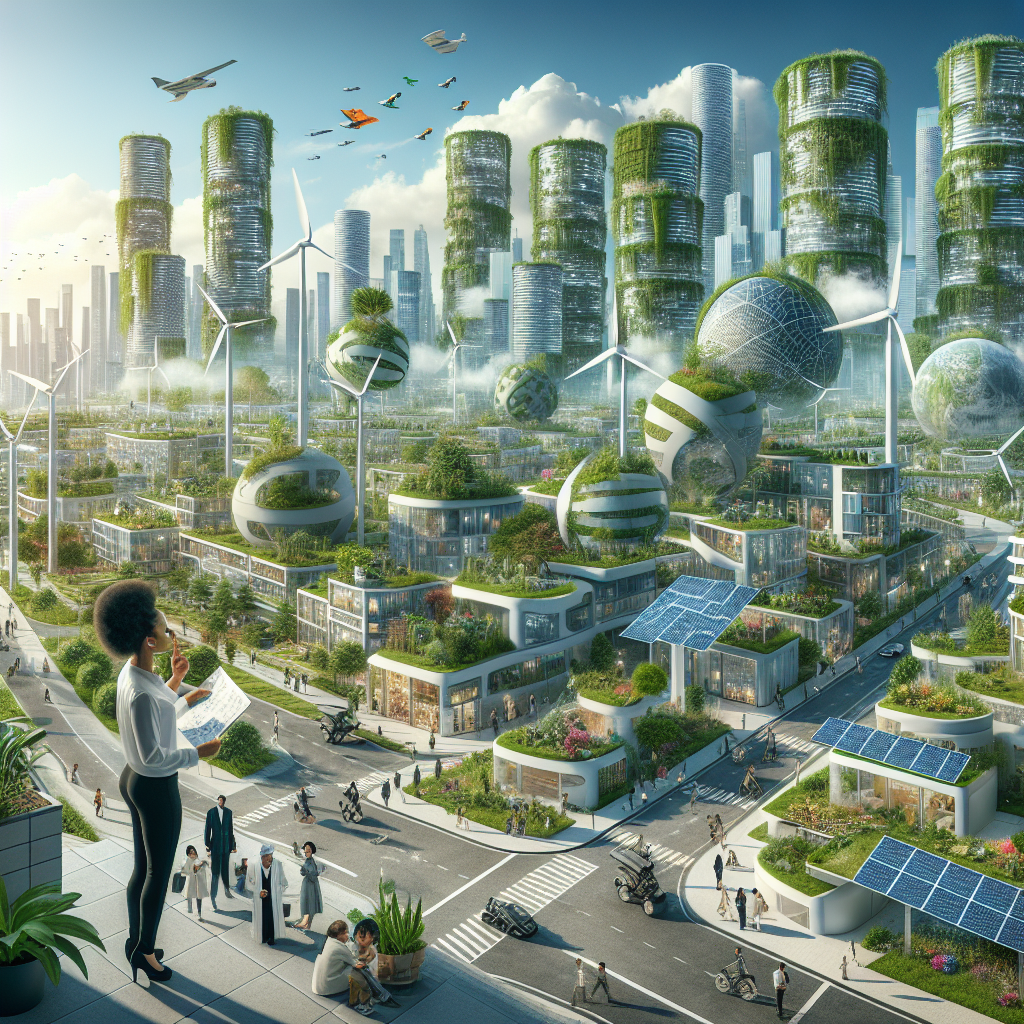
Buildings are another major contributor to urban air pollution. The construction process, building materials, and the energy consumed by buildings all contribute to the urban air quality burden. Implementing energy-efficient and sustainable building practices can play a crucial role in addressing these challenges.
Some strategies for promoting energy-efficient buildings include:
- Green Building Standards: Adopting standards like LEED (Leadership in Energy and Environmental Design) can encourage the construction of buildings that use less energy and water, reducing overall environmental impact.
- Renewable Energy Integration: Incorporating renewable energy sources, such as solar or wind, into building designs can significantly reduce reliance on fossil fuels and decrease emissions.
- Efficient HVAC Systems: Using high-efficiency heating, ventilation, and air conditioning (HVAC) systems can reduce energy consumption and the associated emissions.
Energy-efficient buildings not only contribute to better air quality but also result in cost savings for residents and businesses, making them a key component of sustainable urban development.
Policy and Regulation
Governments play a crucial role in shaping sustainable urban development through policies and regulations that address air quality. Effective legislation at local, national, and international levels is essential in mitigating air pollution and fostering sustainable urban growth.
Key policy measures include:
- Emission Standards: Setting strict emission standards for industries, vehicles, and buildings can compel them to adopt cleaner technologies and reduce air pollutants.
- Air Quality Monitoring: Establishing comprehensive air quality monitoring systems can help identify pollution sources and measure the effectiveness of air quality regulations.
- Public Awareness Campaigns: Educating the public on the importance of air quality and sustainable practices can foster community support for regulatory measures and encourage individual action.
- Incentives and Subsidies: Providing financial incentives for adopting green technologies and sustainable practices can accelerate the transition to cleaner urban environments.
By implementing these policy measures, governments can create an enabling environment for sustainable urban development that prioritizes air quality improvements.
Community Involvement
The involvement of local communities is paramount in achieving sustainable urban development and improving air quality. Community-based approaches can foster a sense of ownership and responsibility among residents, leading to more sustainable behaviors and practices.
Community involvement can be promoted through:
- Participatory Planning: Involving residents in the urban planning process can ensure that their needs and concerns are addressed, leading to more effective and inclusive decisions.
- Local Initiatives: Supporting community-led initiatives, such as urban gardening projects or local clean-up campaigns, can directly improve local air quality and promote sustainability.
- Education and Outreach: Providing education on sustainable practices and the impacts of air pollution can empower individuals to take action in their daily lives.
By actively involving communities in the pursuit of sustainable urban development, cities can harness local knowledge and resources to effectively tackle air quality issues.
Conclusion
Sustainable urban development is a multifaceted approach that integrates various strategies aimed at creating resilient, inclusive, and environmentally friendly cities. Air quality, a fundamental aspect of urban sustainability, impacts public health, the environment, and overall quality of life. By implementing comprehensive sustainable urban development practices, cities can significantly improve air quality and foster healthier living conditions for their residents.
Green spaces, sustainable transportation, energy-efficient buildings, robust policies and regulations, and community involvement are all essential components of these practices. Each element contributes in its unique way to reducing air pollution and creating more sustainable urban environments.
As urbanization continues to surge, it is imperative for cities to prioritize sustainable development. By doing so, they can not only address current air quality challenges but also ensure a healthier and more viable future for generations to come. Ensuring that cities are designed and managed with sustainability at the forefront will be key to achieving improved air quality and overall urban resilience.
Sustainable urban development presents a pathway towards a cleaner, healthier, and more equitable urban future. By harnessing the collective effort of government, industry, and communities, cities can evolve to meet the challenges of today while safeguarding the prospects of tomorrow.
“`htmlFrequently Asked Questions
1. What is sustainable urban development and why is it important for air quality in cities?
Sustainable urban development is an approach to designing and managing cities that aims to meet the needs of the present without compromising the ability of future generations to meet their own needs. This includes reducing pollution, conserving natural resources, fostering economic growth, and promoting social inclusivity. It’s particularly important for air quality as it targets the sources of pollution in urban environments, such as transportation, industrial emissions, and energy production. By shifting towards renewable energy sources, improving public transport systems, and integrating green spaces, sustainable urban development endeavours to significantly reduce pollutants in the air, leading to healthier and more livable urban settings. This holistic approach helps in ensuring that cities can grow economically, culturally, and environmentally without degrading air quality or harming public health.
2. How does urban planning influence air quality in the context of sustainable urban development?
Urban planning plays a crucial role in sustainable urban development by influencing air quality through strategic choices in land use, transportation, and infrastructure development. Proper urban planning involves designing cities that minimize dependence on cars, thereby reducing exhaust emissions, one of the largest contributors to air pollution. Effective urban planning includes zoning laws that prevent industrial operations from being too close to residential areas, thereby mitigating direct exposure to harmful emissions. Additionally, integrating green spaces such as parks and green rooftops helps in carbon sequestration, absorbing carbon dioxide while releasing oxygen, which can improve air quality. Encouraging compact, mixed-use developments reduces the need for long commutes, further lessening vehicular pollution. In essence, thoughtful urban planning that embraces sustainability principles can lead to cleaner air and a healthier urban population.
3. What are some specific strategies cities can implement to improve air quality through sustainable urban development?
Cities can adopt several targeted strategies to enhance air quality while pursuing sustainable urban development. Firstly, transitioning to greener energy by investing in renewable energy sources such as solar, wind, or hydroelectric power can drastically cut down emissions from fossil fuels. Secondly, optimizing public transportation can reduce the number of private vehicles on the road. This includes expanding bus networks, building efficient metro systems, and developing bicycle-friendly infrastructure to encourage cycling. Thirdly, implementing policies that encourage the use of electric vehicles (EVs), through subsidies or dedicated charging infrastructure, can help lower road transport-related emissions. Furthermore, promoting green building practices, like using energy-efficient materials and designs, ensures new developments contribute minimally to air pollution. Lastly, enforcing stricter industrial emission standards and regularly monitoring air quality can maintain accountability and spur industries toward sustainable practices.
4. How does air quality affect public health, and what role does sustainable urban development play in mitigating these health impacts?
Poor air quality can have severe health implications, affecting cardiovascular health, respiratory systems, and exacerbating chronic conditions like asthma or bronchitis. Long-term exposure to polluted air is linked to higher risks of heart disease, lung cancer, and premature mortality. Children, the elderly, and those with pre-existing health conditions are particularly vulnerable to air pollution. Sustainable urban development addresses these health impacts by aiming to reduce pollutant levels through cleaner energy solutions, greener transport systems, and enhanced regulatory measures. By integrating green spaces, cities not only combat air pollution but also provide areas for exercise and recreation, promoting overall health and well-being. Furthermore, sustainable urban development seeks to raise awareness and engage the community in practices that prioritize air quality, such as tree planting schemes and pollution-reduction education campaigns. Thus, tackling air quality through sustainable urban development is essential for protecting and improving public health for current and future generations.
5. What are the challenges cities face in implementing sustainable urban development practices that could improve air quality?
Although sustainable urban development has clear benefits, cities face several challenges in implementing these practices, particularly concerning air quality improvement. One of the major hurdles is financial constraints, as transitioning to sustainable infrastructure often requires substantial investment. Many cities struggle with insufficient funding or competing budget priorities. Additionally, there is often a lack of political will or resistance to change from stakeholders who benefit from the status quo, such as industries tied to fossil fuels. There’s also the challenge of balancing development needs with environmental goals, particularly in rapidly growing cities where housing and jobs are critical. Furthermore, there can be technical and logistical difficulties, such as retrofitting existing urban areas with new green technologies or creating supportive regulatory frameworks. Education and awareness play an important role; the public and policymakers must understand and support the benefits of sustainable urban development to overcome these hurdles effectively. Despite these challenges, with perseverance, innovation, and global cooperation, cities can make substantial progress towards sustainable development that enhances air quality.
“`