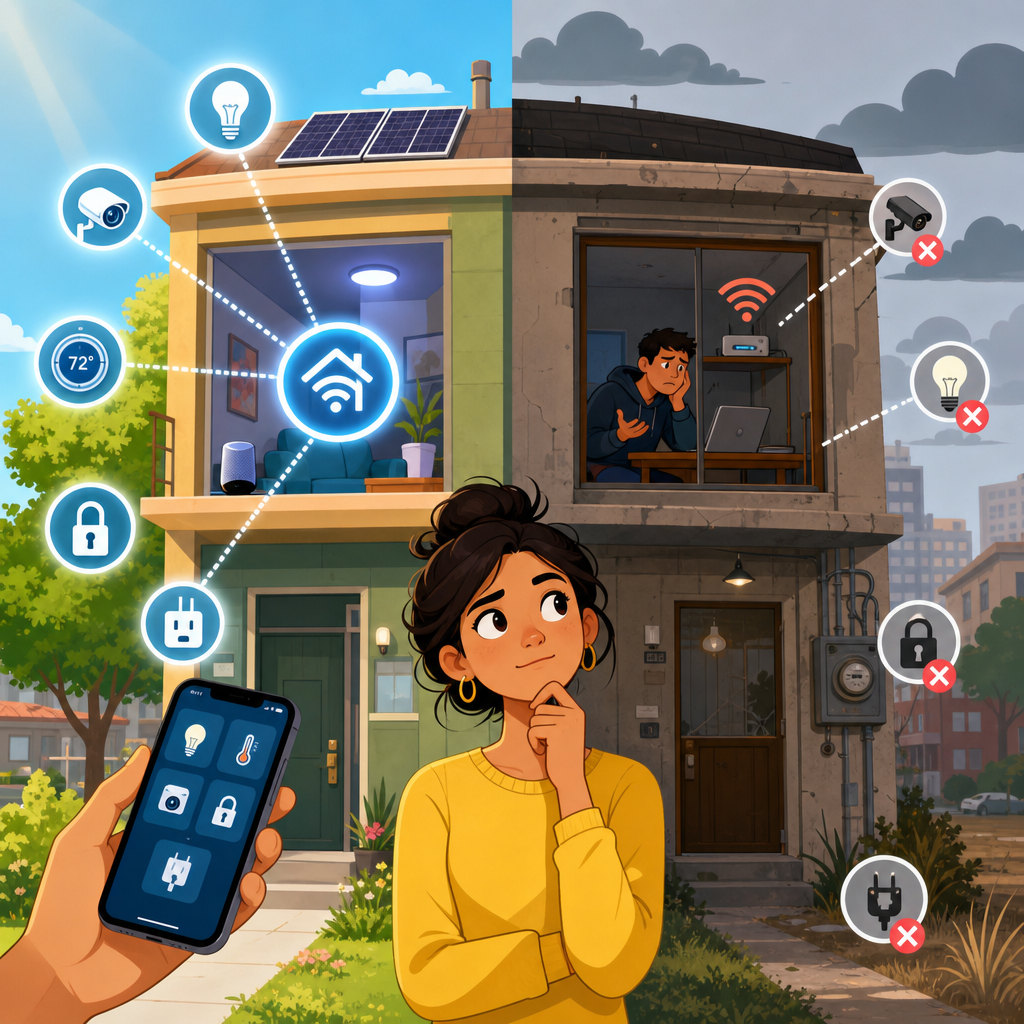
Smart home technology in affordable housing sits at the intersection of housing policy, building operations, resident well-being, and digital equity. In simple terms, smart home technology includes connected devices such as thermostats, leak sensors, smart locks, lighting controls, air-quality monitors, and internet-enabled appliances that collect data or automate tasks. Affordable housing refers to homes priced so lower- and moderate-income households do not spend an unsustainable share of income on rent, mortgage, and utilities. The promise is compelling: lower energy bills, fewer maintenance emergencies, safer buildings, and better resident experience. The reality is more complicated, because every device depends on funding, connectivity, staff capacity, procurement discipline, and trust.
I have worked with multifamily operators evaluating connected thermostats, water sensors, and access-control systems, and the gap between pilot results and portfolio-wide performance is real. A model unit can demonstrate elegant automation in a sales presentation, yet a 200-unit affordable community must contend with aging wiring, intermittent broadband, language access, high staff turnover, and strict compliance requirements. Decision-makers also face a different risk profile than luxury developers. If a smart lock fails in a market-rate tower, it is an inconvenience. If it fails in senior housing or supportive housing, it becomes an urgent service and safety issue.
This topic matters because affordable housing owners operate on thin margins while residents feel utility spikes and maintenance disruptions most sharply. According to the U.S. Department of Energy, space heating, cooling, water heating, lighting, and appliances make up the largest share of household energy use, so even modest efficiency gains can matter. At the same time, the Federal Communications Commission has repeatedly highlighted broadband access gaps that limit adoption of connected services. Any serious discussion therefore has to balance technical capability with the economics of ownership, resident choice, and the practical question every housing provider asks: does this technology solve an expensive, recurring problem better than a simpler alternative?
What smart home technology actually includes in affordable housing
In affordable housing, smart home technology usually does not mean voice assistants in every room or fully automated apartments. The most common applications are building systems with direct operational value. Smart thermostats can limit excessive heating and cooling while allowing resident control within defined bands. Leak sensors placed near water heaters, under sinks, and behind toilets can alert maintenance teams before a small drip becomes a costly flood. Smart locks and access-control systems can reduce rekeying costs and help manage staff entry logs. Lighting controls in common areas can trim electricity use. Some communities add smoke and carbon monoxide monitoring, occupancy sensors, and centralized dashboards that aggregate alerts across units.
The distinction between consumer gadgets and operational technology is important. In affordable housing, the best-performing installations are usually the least flashy. Housing providers are not buying novelty; they are trying to reduce truck rolls, avoid insurance claims, document maintenance events, and support resident comfort. For example, a leak sensor costing far less than drywall replacement can prevent thousands of dollars in remediation, mold treatment, and unit downtime. A connected thermostat may cut peak HVAC waste, but only if the building envelope, HVAC equipment, and resident onboarding are handled correctly. Technology amplifies good building operations; it does not replace them.
The strongest case for adoption: cost control, preservation, and resident benefit
The clearest argument for smart home technology in affordable housing is preservation of scarce housing assets. Owners and public agencies spend heavily to acquire, finance, and rehabilitate affordable units, so preventing avoidable damage is financially rational. Water management is the classic example. In multiple portfolios I have reviewed, unmonitored leaks were among the most expensive recurring causes of emergency maintenance, insurance deductibles, and resident displacement. A simple network of sensors tied to a maintenance platform can shorten response times from days to hours. That directly protects the property and indirectly protects residents from disruption.
Energy management is another legitimate advantage, especially in master-metered properties where owners bear utility costs. Connected thermostats, boiler controls, and common-area lighting systems can support measurable reductions when paired with commissioning and resident education. The key phrase is paired with. Devices alone rarely deliver the savings shown in vendor brochures. Savings come from better schedules, better setpoints, fewer overrides, and visibility into malfunctioning equipment. For residents, the upside can be more stable indoor temperatures, fewer outages caused by neglected systems, and in some cases lower bills where utilities are individually metered. Safety and convenience also matter. Controlled access, remote credential management, and time-stamped entry events can streamline operations and reduce the security risks associated with lost physical keys.
| Technology | Main benefit | Typical challenge | Best fit |
|---|---|---|---|
| Leak sensors | Prevents water damage and mold | Needs reliable alert routing and battery replacement | Older buildings with frequent plumbing claims |
| Smart thermostats | Improves comfort and reduces HVAC waste | Works poorly with incompatible HVAC systems | Properties with stable broadband and modern controls |
| Smart locks | Reduces rekeying and improves access logging | Battery failures and resident training | Sites with high turnover or many vendor entries |
| Lighting controls | Lowers common-area electricity use | Sensor placement and resident complaints | Hallways, parking areas, community rooms |
| Air-quality monitors | Flags ventilation or humidity problems | Data interpretation and false alarms | Senior housing and rehabbed older stock |
Why the reality often falls short of the sales pitch
The biggest reason smart home technology underperforms in affordable housing is that many deployments ignore total cost of ownership. Hardware is only the opening expense. There are installation labor costs, software subscriptions, cellular or Wi-Fi connectivity, battery replacement cycles, cybersecurity reviews, staff training, vendor support, and eventual device replacement. A five-year budget can look very different from a first-year proposal. If a property lacks dedicated asset-management capacity, small failures accumulate: dead batteries, offline gateways, unclosed service tickets, and dashboards nobody checks. At that point, the system becomes shelfware attached to walls.
Interoperability is another major obstacle. Affordable housing portfolios are often a patchwork of building vintages, financing requirements, and legacy equipment. One site may have packaged terminal air conditioners, another hydronic heat, another mini-splits. Some devices rely on proprietary platforms that do not communicate with property-management systems or maintenance software such as Yardi, RealPage, AppFolio, or Entrata. When alerts do not flow into the tools staff already use, adoption falls. Procurement also matters. Teams sometimes buy based on a pilot in a newly renovated building and then attempt to scale across older sites with different infrastructure. The result is inconsistent performance, frustrated residents, and maintenance teams forced to support several incompatible systems at once.
There is also a human reality vendors tend to understate. Residents may not want app-based controls, may share phones among family members, or may distrust data collection inside their homes. Staff may prefer physical keys because they are faster during a hectic turnover day. Multilingual onboarding materials, clear consent practices, and low-friction fallback options are not optional extras. They determine whether the technology is accepted or bypassed.
Digital equity, privacy, and resident trust
Affordable housing brings digital equity issues to the center of the conversation. A connected apartment assumes reliable internet access, a compatible smartphone, comfort with apps, and enough data literacy to troubleshoot basic problems. Many households have some but not all of those conditions. The federal Affordable Connectivity Program showed how strongly affordability influences broadband adoption, and its funding instability demonstrated how fragile that access can be. If a smart device only works smoothly when residents have stable home internet and modern phones, the benefit will be unevenly distributed.
Privacy concerns are equally important. Sensors that detect occupancy, entry events, temperature patterns, or indoor air conditions can create sensitive data trails. Housing providers must define exactly what is collected, who can see it, how long it is retained, and how it is secured. In my experience, residents respond better when owners explain the operational purpose in plain terms: a leak sensor exists to prevent apartment damage, not to monitor behavior. Policies should be written before installation, not after complaints arise. At minimum, providers should follow basic data governance principles such as collecting only necessary data, restricting access by role, documenting vendor responsibilities, and complying with state privacy laws and fair housing obligations.
Trust is also shaped by reliability. A resident who gets locked out because a battery failed or loses heat because a thermostat went offline will remember that far longer than promised efficiency savings. For that reason, resident-facing technology in affordable housing should always have manual overrides, staffed support pathways, and emergency procedures that do not depend on a cloud platform being available.
What works in practice: deployment principles that improve outcomes
The most successful affordable housing deployments begin with a narrow operational problem, not a broad innovation agenda. Start with avoidable water loss, after-hours access management, or common-area energy use. Measure current costs, define the failure points, and then select the smallest system that can solve the problem. Before purchase, verify HVAC compatibility, signal strength, battery life assumptions, and integration with existing work-order software. Require service-level commitments from vendors, including response times, replacement policies, and data export capability. If the vendor cannot provide a clear battery management plan and a roadmap for hardware support, that is a warning sign.
Pilots should be structured, time-bound, and compared against a baseline. In one common approach, owners test leak detection in a subset of buildings with documented historic claim frequency, then compare incident count, response time, and repair cost over six to twelve months. The goal is not to prove the technology is impressive; it is to determine whether it pays for itself under real operating conditions. Resident communication should be built into the rollout plan from day one. Explain what is being installed, why it helps, what data is collected, and whom to call when something goes wrong. Maintenance teams need hands-on training, not just vendor slide decks. If the frontline staff do not trust the system, nobody else will.
Funding strategy matters too. Owners should look beyond capital budgets and account for subscription expenses, replacement reserves, and staffing impacts. In some cases, utility incentives, green financing, or local resilience grants can support sensors, controls, or energy upgrades, but those funds often require documentation and performance verification. Matching the technology to the funding source prevents unpleasant surprises later.
Promise versus reality: a balanced verdict for housing providers
So, does smart home technology belong in affordable housing? Yes, but selectively. The promise is real when the technology addresses a clear operational need, works with the building’s physical systems, and respects the realities of residents’ lives. Leak detection, common-area lighting controls, and carefully chosen access systems often deliver practical value because their benefits are concrete and measurable. Whole-unit consumer automation packages usually struggle because they add cost and complexity without solving the owner’s most expensive problems. Smart thermostats can be worthwhile, but only after verifying HVAC compatibility, override rules, internet resilience, and resident usability.
The central lesson is that affordable housing is not a test bed for gadget-driven experimentation. It is essential infrastructure. Every connected device should earn its place by lowering risk, preserving housing quality, or improving resident comfort in a way that can be demonstrated over time. Housing providers should think like long-term stewards: standardize where possible, avoid proprietary dead ends, budget for maintenance, and protect resident choice and privacy. Done that way, smart home technology can support affordable housing preservation rather than distract from it. If you are evaluating options now, start with one measurable pain point, build a disciplined pilot, and expand only when the results are proven.
Frequently Asked Questions
1. What does “smart home technology” actually mean in affordable housing?
In affordable housing, smart home technology usually refers to connected devices and systems that help manage building performance, improve safety, and make day-to-day living easier for residents. Common examples include smart thermostats, leak detectors, water shutoff sensors, smart locks, lighting controls, air-quality monitors, connected smoke and carbon monoxide alarms, and internet-enabled appliances. These tools can either automate basic functions or provide real-time information that helps property staff and residents respond faster to maintenance issues, indoor environmental concerns, and energy waste.
The important distinction is that in affordable housing, smart technology is not just about convenience or luxury. Its strongest value often comes from practical outcomes: preventing costly water damage, reducing unnecessary energy use, supporting healthier indoor environments, and helping building operators maintain aging properties more efficiently. In theory, that can translate into lower operating costs, fewer emergency repairs, and more stable housing conditions for residents.
However, the term can be misleading if it suggests every connected device is automatically beneficial. In affordable housing, the usefulness of smart technology depends on whether the devices solve real problems, work reliably, are easy for residents to use, and do not create new burdens related to privacy, maintenance, or internet access. A smart thermostat is only helpful if residents understand it, can override it when needed, and are not left uncomfortable because of poor setup. Likewise, a smart lock is only valuable if it improves access and security without causing lockouts, technical failures, or confusion.
So, in this context, “smart” should mean more than internet-connected. It should mean technology that is thoughtfully selected, equitably deployed, and tied to measurable benefits for both housing providers and the people who live there.
2. What is the main promise of smart home technology for affordable housing communities?
The promise is that smart home technology can help affordable housing do more with limited resources while improving residents’ quality of life. Property owners and housing providers often operate under intense financial pressure. Buildings may be older, maintenance backlogs can be significant, utility costs are rising, and staff may be stretched thin. Smart systems offer a way to catch problems earlier, operate buildings more efficiently, and use data to make better decisions about repairs, energy management, and capital planning.
For example, leak sensors can identify small plumbing failures before they become expensive floods. Smart thermostats and HVAC monitoring can reduce wasted energy and help maintain more consistent indoor temperatures. Air-quality sensors may alert staff to ventilation problems, humidity issues, or conditions that contribute to mold. Smart lighting and occupancy controls can lower electricity use in common areas. Connected entry systems may improve access control and reduce the administrative workload tied to physical keys.
From a resident perspective, the promise is equally significant. If implemented well, smart technology can create safer, healthier, and more comfortable homes. Residents may benefit from fewer outages, better indoor air, more stable temperatures, and quicker maintenance response times. Some technologies can also support aging in place, accessibility, or independent living for seniors and people with disabilities, especially when devices are designed around real household needs rather than novelty.
At a broader level, the promise also includes policy and sustainability goals. Affordable housing developers and public agencies are under growing pressure to reduce carbon emissions, improve resilience, and modernize housing stock. Smart technologies can support those goals by generating operational insights and helping buildings perform better over time. But the key word is “can.” The promise is real, but it depends heavily on design, funding, resident engagement, and long-term support.
3. Why doesn’t the reality of smart home technology in affordable housing always match the promise?
The gap usually comes down to implementation. Installing devices is the easy part; building a durable, resident-centered system around them is much harder. Many affordable housing providers face constraints that make smart technology difficult to sustain, including limited capital budgets, thin operating margins, aging infrastructure, staffing shortages, and the need to prioritize urgent repairs over innovation. A property may receive funding for initial installation but not for long-term maintenance, software subscriptions, replacements, staff training, or resident support.
Digital equity is another major issue. Many smart devices assume stable broadband access, smartphone ownership, app literacy, and comfort with connected technology. But affordable housing residents are not a uniform group, and not every household has the same level of internet access, device availability, language support, or trust in digital systems. If a system depends on residents downloading apps, managing notifications, or maintaining connectivity, it may exclude the very households it is supposed to benefit.
There are also concerns about privacy, surveillance, and control. Residents may reasonably ask who collects the data, what is being monitored, how long information is stored, and whether it could be used against them in disputes or screenings. Smart systems that feel intrusive can undermine trust, especially in communities that have historically experienced over-monitoring or unequal treatment. Without clear safeguards, informed consent, and transparent policies, technology that is intended to improve housing operations can instead feel extractive or punitive.
Operational complexity is another reality check. Devices fail. Batteries die. Platforms become obsolete. Vendors change products, discontinue support, or lock customers into proprietary systems. Staff need training to interpret alerts and respond appropriately. If property teams are overwhelmed by false alarms, fragmented dashboards, or poorly integrated systems, the technology may add work instead of reducing it. In short, the reality falls short when smart technology is treated as a quick upgrade rather than a long-term operational strategy grounded in resident needs.
4. Which smart home technologies tend to deliver the most practical value in affordable housing?
The technologies that usually deliver the strongest value are the ones tied to specific, high-cost, high-frequency problems. Leak detection is often near the top of the list because water damage is expensive, disruptive, and common in multifamily housing. Small sensors placed near water heaters, sinks, toilets, or mechanical rooms can alert staff before minor leaks become major repair events. In some cases, automated shutoff systems add even more protection. These tools can preserve units, reduce insurance claims, and minimize resident displacement caused by avoidable damage.
Smart thermostats and HVAC monitoring can also be useful, particularly in buildings where heating and cooling costs are significant or comfort complaints are common. When properly configured, these systems can help identify malfunctioning equipment, reduce waste, and maintain healthier temperature ranges. However, they need resident-friendly controls and clear policies so tenants are not left feeling like their comfort is being managed remotely without input.
Connected smoke alarms, carbon monoxide detectors, and certain air-quality monitors can provide meaningful safety and health benefits, especially in older buildings where ventilation, combustion safety, or moisture issues are concerns. These technologies can help staff identify problems sooner and prioritize responses. Smart locks and controlled-access systems may also be valuable in some settings, especially where turnover, lost keys, or security concerns create frequent operational problems.
By contrast, technologies marketed primarily as lifestyle upgrades often produce weaker returns unless they solve a well-defined housing challenge. The most effective affordable housing deployments are typically modest, targeted, and operations-focused rather than flashy or overly complex. The best investments are usually the ones that reduce preventable maintenance, improve resident safety, lower utility waste, and fit into a realistic support model for the property team.
5. What needs to happen for smart home technology to work more equitably and effectively in affordable housing?
First, technology decisions need to start with resident outcomes, not vendor pitches. Housing providers should ask practical questions: What problem are we solving? Who benefits? What new burdens could this create? How will residents interact with the system? If the answer relies on perfect internet access, constant app use, or high digital literacy, the approach may need to be redesigned. The best programs are shaped through resident input, pilot testing, and clear attention to language access, accessibility, and usability across diverse households.
Second, digital equity must be treated as infrastructure, not an afterthought. That means considering broadband availability, device access, onboarding support, and non-digital alternatives where possible. Residents should not lose access to essential home functions because they do not own a smartphone or cannot navigate a mobile app. Core housing systems should remain functional, understandable, and fair even when connectivity is limited.
Third, there must be strong governance around privacy and data use. Residents deserve clear explanations of what data is collected, why it is collected, who can see it, and how it will be protected. Data policies should be transparent, limited in scope, and designed to support housing quality rather than surveillance. Trust is essential, and once lost, it is hard to rebuild.
Finally, success requires long-term operational planning. Affordable housing providers need funding not just for installation, but also for maintenance, staff training, system integration, troubleshooting, and eventual replacement. Policymakers, lenders, and housing agencies can help by supporting technology standards, encouraging interoperable systems, and recognizing that effective smart housing is a service model as much as a hardware purchase. When resident needs, operational realities, and equity concerns are all taken seriously, smart home technology has a much better chance of delivering on its promise instead of becoming another underperforming upgrade.