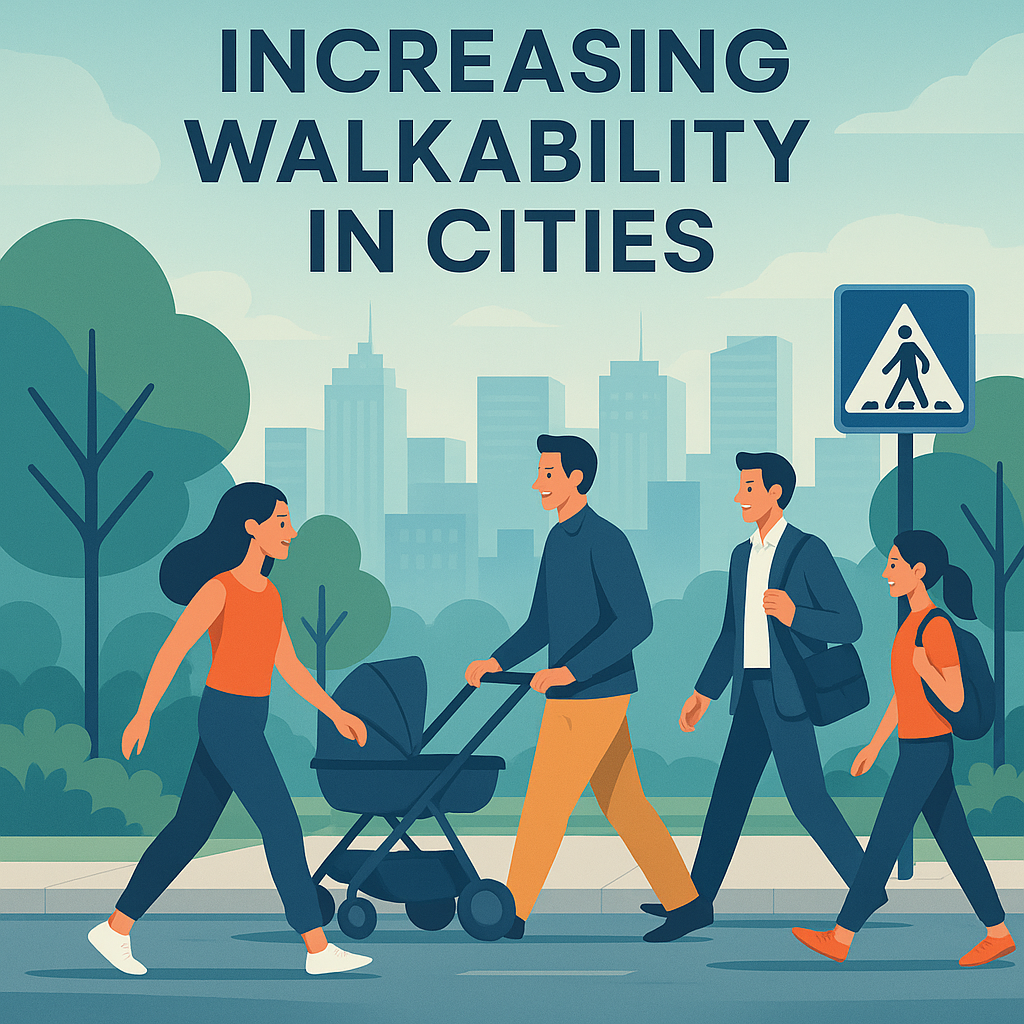
Urban areas worldwide are increasingly focusing on walkability, a crucial factor that improves quality of life, boosts the economy, and contributes to environmental sustainability. In simple terms, walkability refers to how friendly an area is to walking. It encompasses the presence and quality of sidewalks, pedestrian crossings, street lighting, and other urban infrastructures that facilitate and encourage walking as a primary mode of transportation. Enhancing walkability isn’t just about aesthetics; it’s about creating safe, accessible, and appealing urban environments that promote physical activity, reduce traffic congestion, and lower emission levels.
Walkable cities are not only healthier but also economically vibrant. Research indicates that walkable neighborhoods generally have higher property values, reduce medical costs by promoting healthier lifestyles, and support local businesses by bringing foot traffic. As cities grow, they face challenges such as pollution, traffic, and rising health issues related to sedentary lifestyles. Prioritizing walkability offers solutions to these challenges by fostering closer-knit communities, reducing reliance on cars, and lowering greenhouse gas emissions. Understanding and implementing “walkability” effectively is essential for creating sustainable urban environments. This article delves into various solutions and policies that can enhance walkability, making cities more lively and livable for their residents.
Designing Walkable Streetscapes
A vital element in increasing walkability is designing streetscapes that prioritize pedestrian comfort and safety. A well-designed streetscape includes wide, unobstructed sidewalks, pedestrian-friendly intersections, green spaces, adequate lighting, and street furniture such as benches and trash cans. These elements invite people to walk, rest, and explore their surroundings. For example, New York City’s pedestrian plaza in Times Square illustrates how redesigning streets for pedestrians can transform a crowded commercial area into a welcoming space for social interaction. By replacing vehicular lanes with pedestrian plazas, the city reduced traffic congestion and created a vibrant area that tourists and locals enjoy.
Designing streetscapes with human-scale architecture and minimizing setbacks from buildings to the sidewalk helps create a more engaging and safer environment for pedestrians. Inviting shopfronts and mixed-use developments further enhance the pedestrian experience by adding visual interest and accessibility to amenities. Implementing raised crosswalks and reducing street widths are other ways cities can ensure pedestrian safety and encourage walking. Creating buffer zones, such as trees or planters between sidewalks and road traffic, provides a sense of security and green relief, enriching the urban landscape.
Implementing Pedestrian-First Policies
Adopting pedestrian-first policies greatly contributes to increased walkability in urban areas. Policies should focus on reducing speed limits, creating pedestrian zones, and improving walkways signages. In cities like Copenhagen, significant efforts have been made to replace car-centric spaces with pedestrian-friendly infrastructure. Strøget, one of the world’s longest pedestrian streets, is a prime example of effective pedestrian-first policies. By banning vehicles and providing ample walking space, it became a bustling corridor full of restaurants, shops, and cultural landmarks.
Ensuring pedestrian safety involves integrating traffic-calming measures such as speed bumps, rumble strips, and curb extensions. These measures encourage drivers to reduce speed, enhancing pedestrian protection. Policy regulations can also mandate developers to include pedestrian amenities in new urban projects, ensuring future urban developments are inherently walkable. Moreover, cities should enforce strict crosswalk regulations and increase fines for pedestrian safety violations, reinforcing the message that pedestrian well-being is a top priority.
Improving Accessibility for All
Ensuring accessibility for all is a critical element of walkable cities that cannot be overlooked. Urban designs must consider the needs of diverse populations, including those with disabilities, the elderly, and families with strollers. Features such as smooth pavements, ramped crossings, audible traffic signals, and tactile paving for the visually impaired make sidewalks usable for everyone. Toronto’s commitment to building an accessible city is evident in its design standards, which require integrating accessibility features into urban planning.
Investing in accessible transit options is also essential to enhance connectivity for people relying on public transportation. An interconnected network of accessible subway stations, bus stops, and pedestrian routes makes urban spaces more traversable. Developing wayfinding systems with clear signage and maps not only assists all pedestrians in navigating urban spaces but also enriches the city’s sense of place. Ensuring seamless connectivity between different forms of transportation and pedestrian paths encourages walking as a convenient mode of completing commutes.
Encouraging Mixed-Use Development
Mixed-use developments, where residential, commercial, and recreational spaces co-exist, naturally foster walkable neighborhoods. By reducing the distance between living areas and essential services, these developments make it easier for residents to perform daily activities without the need for a car. Portland, Oregon, exemplifies successful mixed-use zoning, creating vibrant neighborhoods where people can live, work, and play, all within walking distance.
This approach also supports local businesses by increasing foot traffic and potential business opportunities. Mixed-use environments encourage diverse socio-economic interactions, building cohesive communities that thrive on connectivity. To sustain such development, urban planners need to advocate for zoning reforms that allow higher housing density, affordably priced housing units, and statutes promoting eco-friendly designs. Invariably, mixed-use development contributes to environmental sustainability by limiting urban sprawl, conserving energy, and reducing emissions.
- Live – Incorporating residential spaces close to workplaces and leisure facilities
- Work – Bridging office space and commercial units within community locale
- Play – Making recreational areas and green spaces accessible
Investing in Smart Infrastructure
The integration of technology in urban planning can greatly enhance walkability. Smart infrastructure utilizes technology to provide real-time information, improving the pedestrian experience and safety. An example of this can be seen in Singapore, where smart traffic lights adjust the timing of pedestrian crossing signals based on the foot traffic density. This remains especially beneficial during peak hours, allowing more people to cross safely and efficiently.
Smart infrastructure promotes a deeper understanding of pedestrian patterns and needs, allowing more precise planning. Applications, such as smartphone apps and digital kiosks, can guide pedestrians through cities, showcasing potential points of interest en route. Collecting and analyzing data on pedestrian movement helps identify high-volume areas and areas that require infrastructure improvements. Investing in infrastructure like Wi-Fi hotspots and charging stations on streets enhances the experience, making walking more convenient and appealing.
Community Engagement and Awareness
Community engagement plays a pivotal role in increasing walkability. Encouraging community participation in urban planning ensures that pedestrian needs are prioritized and met. Holding public forums and surveys can help gather valuable insights from local populations who intimately understand their neighborhood’s walkability challenges. For instance, Los Angeles conducts outreach programs to involve communities in the Metro’s expansion plans, ensuring objectives align with public needs.
Raising awareness of walkability’s benefits also fosters cultural shifts in transportation habits. Initiatives, such as “Walk to School Day” or “Open Streets” events, encourage a shift from car reliance and demonstrate that walking can be a viable, enjoyable daily activity. Providing education on the health, environmental, and economic benefits of walking will empower communities to advocate for resources and policy changes that support walkability. Building partnerships with businesses and local organizations can further sustain and spread walkable city initiatives, creating shared goals for urban improvement.
Public-Private Partnerships in Walkability Projects
Leveraging public-private partnerships (PPPs) is a strategic approach to fund and implement walkability projects efficiently. Collaboration between municipal authorities and private entities allows sharing of resources, expertise, and risks, expediting project timelines and improving outcomes. In cities like Melbourne, PPPs have successfully revitalized underutilized areas by transforming them into pedestrian-friendly zones rich in cultural and commercial amenities.
These partnerships often bring about innovation, with private enterprises contributing cutting-edge solutions and designs that enhance pedestrian experiences. However, clear communication and alignment on urban goals are crucial when blending diverse interests. Establishing legal frameworks and incentives can encourage private companies to invest in walkability improvements, considering them as core elements of urban development.
In conclusion, increasing walkability in cities brings numerous benefits including healthier residents, reduced congestion, and vibrant economies. By focusing on urban design, smart policies, accessibility, mixed-use development, smart infrastructure, community engagement, and leveraging public-private partnerships, cities can create pedestrian-friendly environments. The integration of these design and policy solutions leads to sustainable development that encourages active lifestyles and caters to the diverse needs of urban populations. As cities continue to grow, focusing on increased walkability is essential for fostering livable, resilient urban spaces. Urban planners, policymakers, and city residents must collaborate to champion walkable city initiatives, transforming them from ideas into reality. The next step is simple: advocate for walkable projects in local city planning meetings, or join community groups focused on enhancing pedestrian spaces.
Frequently Asked Questions
1. What are the main components that contribute to a walkable city?
Creating a walkable city involves integrating various components that collectively make walking a pleasant, safe, and efficient mode of transportation. At its core, walkability relies on several factors. Firstly, sidewalks are paramount; they need to be wide, well-maintained, and unobstructed to accommodate pedestrians comfortably. Pedestrian crossings with clear visibility, appropriate signage, and safety measures like traffic signals are vital to ensure walkers can cross streets with ease and without fear. Street lighting also plays a crucial role, as it not only enhances security but also extends the usability of pedestrian pathways into the evening. Furthermore, urban greenery such as street trees and parks can significantly impact the attractiveness of walking routes by providing shade and enhancing the aesthetic appeal of the street. Accessibility for all is also important, ensuring that urban areas are friendly to people regardless of mobility level. All these elements work in tandem to create a city where people choose to walk as a primary mode of transportation, thus improving their quality of life and supporting sustainable urban growth.
2. How does increasing walkability in cities impact the local economy?
There’s a strong economic case for boosting walkability in urban areas. Firstly, walkable areas tend to attract more foot traffic, which often translates into increased patronage for local businesses. People walking through a neighborhood linger longer, are more likely to enter shops, cafes, and restaurants, and typically spend more than those who travel by car. This foot traffic encourages diversity in retail and dining options, leading to a thriving local business ecosystem. Additionally, walkability can increase property values. Homes and commercial spaces in pedestrian-friendly areas often command higher prices because they offer the appeal of convenience and a high quality of life. Furthermore, cities that prioritize walking over driving can reduce transportation costs for individuals and decrease vehicular infrastructure spending for municipalities. Over time, these savings can be redirected into further community enhancements, contributing to a robust local economy.
3. What are some common policy solutions cities can implement to improve walkability?
Cities can adopt a variety of policy measures to increase walkability and make urban areas more pedestrian-friendly. One effective approach is the implementation of complete streets policies, which ensure that transportation planners and engineers design and operate roadways that accommodate all users, including pedestrians, bicyclists, motorists, and transit riders. Additionally, reducing speed limits in areas with high pedestrian traffic improves safety and encourages more walking. The creation of pedestrian-only zones in certain city areas, particularly densely packed commercial districts, can also significantly enhance walkability. Moreover, cities can incentivize developers to include pedestrian-friendly elements in new constructions, aligning urban growth with walkability goals. Investment in public transport is another critical policy measure, as it often complements walkable environments by extending the range pedestrians can comfortably travel.
4. What are the environmental benefits of enhancing walkability in urban areas?
Elevating walkability in cities contributes extensively to environmental sustainability. Primarily, it can lead to a significant reduction in vehicle emissions, as more people opt to walk rather than use cars for short trips, thereby decreasing air pollution and promoting cleaner, healthier air. Walkability reduces the need for expansive parking areas, which in turn decreases urban heat islands and preserves land for green spaces. Furthermore, enhancing pedestrian pathways encourages urban density by supporting mixed-use developments where people live, work, and play in close proximity. This urban density minimizes the sprawl and preserves natural land resources while simultaneously promoting ecosystems within the cities themselves, evident through community gardens, urban forests, and wildlife corridors. Together, these changes contribute to combating climate change by fostering a more sustainable urban lifestyle.
5. Why is community involvement essential in creating walkable cities?
Community involvement is crucial in crafting walkable cities because it ensures that the solutions implemented are tailored to the specific needs and desires of residents. Citizens are often best positioned to identify problematic areas and suggest feasible solutions based on their daily experiences. Engaging the community in planning and decision-making fosters a sense of ownership and responsibility towards the improvements made, promoting ongoing maintenance and upkeep. Additionally, when people see their voices reflected in urban development, it enhances the use and appreciation of walkable spaces, fostering a greater community spirit. Moreover, when diverse groups within a community are involved, it ensures that walkability measures are inclusive and cater to the needs of all demographic segments, including children, the elderly, and those with disabilities. Therefore, for walkability initiatives to be truly successful and sustainable, they must be rooted in grassroots participation and embrace community input at every stage of planning and implementation.