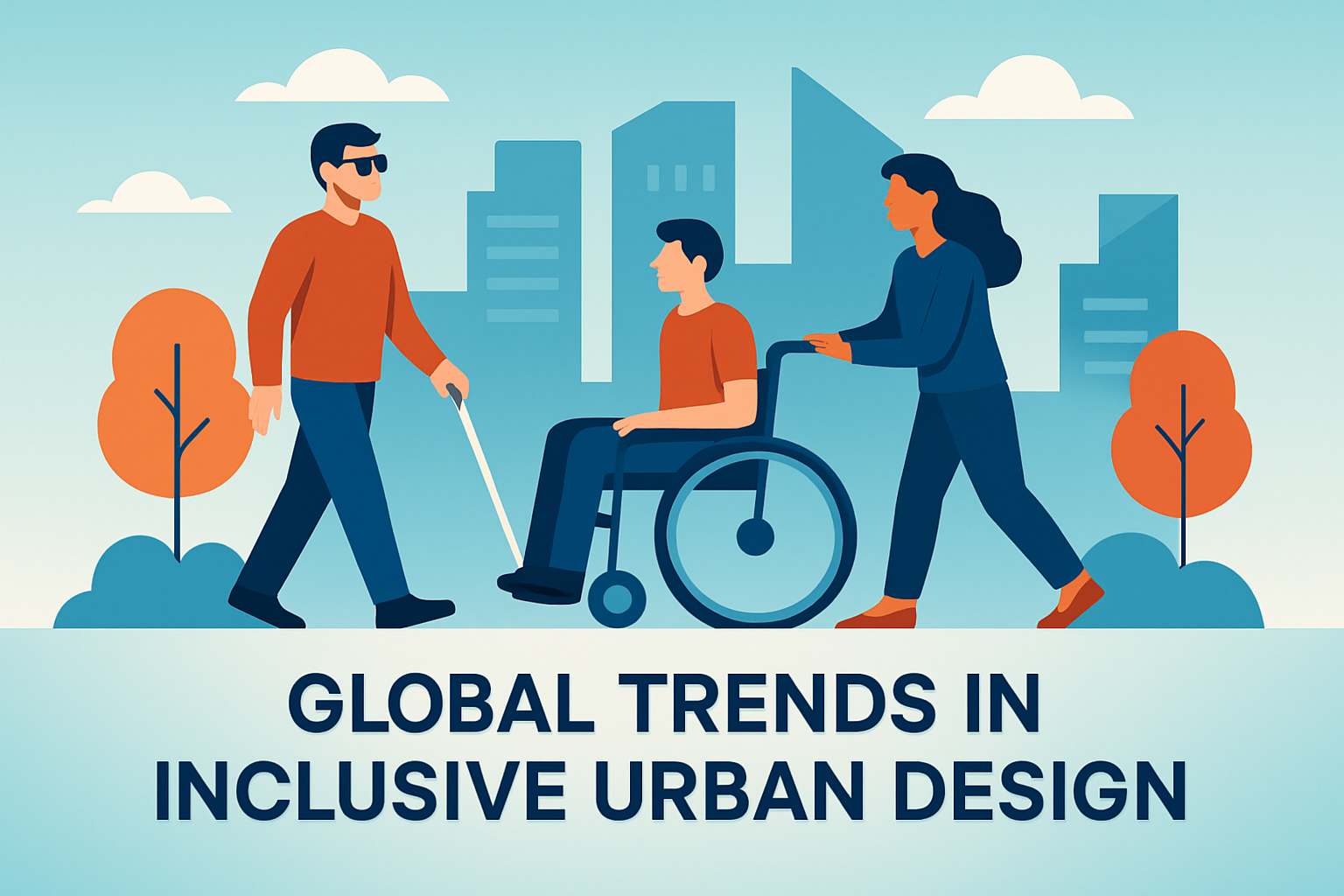
The concept of inclusive urban design has gained significant traction in recent years, reflecting a crucial shift toward creating cities that cater to diverse populations. Inclusive urban design involves the planning and development of urban areas to ensure they are accessible, welcoming, and beneficial to all residents, including those with disabilities, the elderly, children, and marginalized groups. This approach emphasizes breaking down physical, social, and economic barriers to create equitable urban environments.
As the global population becomes increasingly urbanized, with more than half of the world’s people living in cities, the importance of inclusive urban design cannot be overstated. Urban centers are often the heart of economic activity, social exchange, and cultural development. Therefore, ensuring that these spaces are inclusive and accessible for all individuals is essential for fostering community well-being, economic growth, and social equity. In light of these considerations, exploring trends and innovations in inclusive urban design is more vital than ever.
Universal Design Principles
Universal design principles serve as a foundational guideline for creating inclusive urban spaces. These principles advocate for the design of environments that are inherently usable by everyone, regardless of age, ability, or status. Key principles include flexibility in use, simple and intuitive use, perceptible information, and tolerance for error.
Norway provides an exemplary case of implementing universal design principles in urban planning. The city of Oslo has been at the forefront of integrating these principles into its public spaces, transportation systems, and public buildings. This involves creating barrier-free environments, ensuring tactile paving for the visually impaired, and designing ergonomic public seating that caters to different users.
By capitalizing on universal design, cities not only improve accessibility but also enhance the overall user experience for all citizens. This holistic approach fosters a more inclusive urban environment where diversity is accommodated and celebrated.
Smart Cities and Technology Integration
The rise of smart cities represents a significant trend that intertwines technology and urban development to create more efficient, adaptive, and inclusive spaces. Smart city solutions integrate technology into infrastructure and services to improve quality of life for residents, often emphasizing accessibility and inclusivity.
| Smart Technology | Urban Application |
|---|---|
| Smart Traffic Lights | Improves safety for visually impaired pedestrians |
| Connected Public Transport | Real-time updates and accessibility features |
| Sensors and IoT Devices | Monitor and adjust environmental conditions for comfort |
Singapore is a leader in smart city initiatives, using technology to enhance urban living conditions. The city has implemented smart traffic management systems that use sensors and predictive analytics to regulate traffic flow, reduce congestion, and improve pedestrian safety. In addition, Singapore’s public transportation network incorporates real-time updates and augmented assistance features, making it convenient for all users, including those with mobility challenges.
These advancements not only provide practical benefits, such as more efficient transportation and energy use but also promote inclusivity by lowering barriers for individuals who might otherwise face challenges navigating urban spaces.
Green and Open Spaces
Incorporating green and open spaces into urban environments is another significant trend that supports inclusive urban design. These spaces provide essential respite from urban density, improve mental and physical well-being, and offer inclusive areas for community gathering and recreation.
Copenhagen, Denmark, sets an excellent example of integrating green spaces into urban planning. The city’s commitment to sustainability and inclusivity is evident in its extensive network of parks, green roofs, and waterfronts open to everyone. These areas are designed with accessibility in mind, featuring pathways that accommodate wheelchairs and facilities that cater to families and children.
The presence of green and open spaces in urban areas significantly enhances the quality of life for all residents by offering areas for relaxation, exercise, and social interaction. It also contributes to environmental sustainability and resilience, an increasingly important consideration for urban areas worldwide.
Inclusive Housing Strategies
Housing is a critical component of inclusive urban design. An inclusive approach to housing seeks to provide affordable, accessible, and quality living spaces for all segments of society. This often involves mixed-use developments that incorporate residential, commercial, and community spaces in a single area to enhance accessibility and reduce travel times.
One notable example is the city of Vienna in Austria, which has been recognized globally for its inclusive housing model. The city’s housing strategy includes social housing projects that ensure affordable accommodation for a diverse population. Vienna’s approach integrates social, economic, and environmental considerations to create vibrant communities that are inclusive and sustainable.
By ensuring access to adequate housing, cities can address social inequality and promote social cohesion. Inclusive housing models like Vienna’s set a benchmark for other urban areas seeking to create equitable and diverse communities.
Participatory Urban Planning
Another prevailing trend in inclusive urban design is the emphasis on participatory urban planning. This approach involves engaging community members in the planning and decision-making processes to ensure that urban development reflects the needs and aspirations of all residents.
The city of Medellín in Colombia offers an exemplary model of participatory urban planning. Medellín has transformed its urban landscape through inclusive participatory processes that involve local communities in the development of public spaces, infrastructure, and services. As a result, the city has not only improved living conditions but also fostered a strong sense of ownership and community among its residents.
Participatory planning empowers individuals and communities by giving them a voice in shaping their urban environments. It also assures that urban development strategies align with the diverse needs of the population, leading to more sustainable and inclusive urban outcomes.
Challenges and Opportunities
While significant progress has been made in promoting inclusive urban design, numerous challenges remain. Funding constraints, political barriers, and resistance to change can hinder the implementation of inclusive practices. Furthermore, the complexity of urban systems often requires interdisciplinary collaboration, which can be challenging to coordinate.
Despite these challenges, there are abundant opportunities for innovation and advancement in inclusive urban design. Emerging technologies, such as artificial intelligence and big data analytics, offer new avenues for understanding urban dynamics and developing tailored solutions for diverse populations. Additionally, global knowledge exchange and collaboration provide valuable insights that can drive inclusive urban design forward.
By continuing to embrace these opportunities, cities worldwide can work toward creating urban environments that are truly inclusive, catering to the needs and aspirations of all residents. The journey toward inclusive urban design is ongoing, but the potential rewards in terms of social equity and community well-being are immense.
Conclusion
The global trends in inclusive urban design highlight a growing commitment to creating cities that are accessible, equitable, and welcoming to all residents. By integrating universal design principles, leveraging smart city technologies, prioritizing green spaces, adopting inclusive housing strategies, and embracing participatory planning, urban areas can transform into inclusive environments that enhance the quality of life for all citizens. Despite ongoing challenges, the progress and innovation in this field provide reason for optimism.
As we move forward, it is crucial for policymakers, urban planners, and community stakeholders to remain focused on the goal of inclusivity. By prioritizing inclusive urban design in future development efforts, we can ensure that our cities not only meet the needs of today but are also equipped to accommodate the diverse populations of tomorrow. The call to action is clear: advocate for inclusive urban design in your community, support policies that promote accessibility and equity, and actively participate in shaping the urban landscapes of the future. Together, we can create cities that truly reflect the richness and diversity of human experience.
Frequently Asked Questions
1. What is inclusive urban design, and why is it important?
Inclusive urban design is a forward-thinking approach to city planning and development that prioritizes accessibility and equality for all residents, regardless of their age, gender, ability, or socioeconomic status. This concept has become increasingly important as cities around the world seek to accommodate their growing and diverse populations. Essentially, inclusive urban design ensures that everyone can safely navigate and enjoy urban spaces without facing physical, social, or economic barriers.
Imagine a city where public transportation systems are designed to be accessible to everyone, including wheelchair users, parents with strollers, and the elderly. Imagine pedestrian pathways that are well-lit, smooth, and safe for everyone to use, and public parks with facilities for all age groups and abilities. That’s the vision of inclusive urban design. By incorporating these principles, cities not only become more equitable spaces but also more vibrant and sustainable, ultimately enhancing the quality of life for all residents.
2. How does inclusive urban design benefit people with disabilities?
For individuals with disabilities, inclusive urban design fundamentally transforms how they experience and engage with urban environments. It goes beyond merely adding ramps or elevators to include a comprehensive approach that anticipates and addresses the various obstacles disabled people might encounter in a city. From broad, unobstructed sidewalks with textured paving for visually impaired individuals to tactile maps and auditory signals at crosswalks, inclusive urban design aims to make every aspect of city life accessible.
The benefits are profound. It enhances independence, allowing individuals with mobility issues to travel without relying on others for assistance. It fosters economic participation, as accessible workplaces and transit options open up employment opportunities. Socially, it encourages connection by enabling everyone to partake in civic, cultural, and recreational activities that might have otherwise been inaccessible. The end goal is creating urban spaces that respect and meet the needs of people with diverse abilities.
3. What role do policy and legislation play in promoting inclusive urban design?
Policy and legislation are pivotal in ensuring the implementation and advancement of inclusive urban design globally. Governments and city planners utilize a framework of regulations and guidelines that mandate accessibility standards in the construction and modification of urban spaces. Such policies might dictate the design specifications for public infrastructure, residential complexes, and transportation systems to ensure they accommodate the needs of all citizens.
Globally, numerous policies have set the stage for inclusive urban design. For example, the Americans with Disabilities Act (ADA) in the United States has been instrumental in ensuring public spaces and buildings are accessible. Many countries have adopted similar regulations, underscoring the importance of legislative backing in achieving inclusive environments. Enforcement and compliance monitoring are essential components, ensuring that urban design projects adhere to set standards and genuinely serve the entire community.
4. Can you give examples of successful inclusive urban design projects globally?
Absolutely! There are several remarkable projects worldwide that exemplify inclusive urban design. Take the city of Curitiba in Brazil, which pioneered the world-renowned Bus Rapid Transit (BRT) system. This efficient public transport model is notable for its accessibility features, including level boarding and wide entryways, ensuring easy access for wheelchair users and the elderly. What’s more, the integration of bike paths and pedestrian-friendly zones supports an inclusive, multimodal transport network.
In Europe, the city of Barcelona is renowned for its efforts in accessibility and inclusivity. The city’s public spaces, such as the redesigned Passeig de Sant Joan, feature seamless walkways, dedicated cycling paths, and inclusive play areas, making it more inviting for families, children, and individuals with disabilities. Similarly, Singapore’s urban landscape is celebrated for its inclusivity, with its meticulously planned pedestrian routes, public transportation, and verdant parks designed to be accessible to all.
5. What challenges do cities face in implementing inclusive urban design?
While the shift towards inclusive urban design is gaining momentum, cities confront numerous challenges in implementing these principles effectively. One major hurdle is the financial cost associated with designing or retrofitting urban spaces to meet inclusive standards. Implementing ramps, tactile paving, and accessible transit systems can require significant investment, which might deter cash-strapped municipalities.
Another challenge is resistance to change, especially in historic urban areas where infrastructure is outdated and modification can be complex due to preservation rules. There can also be a lack of awareness or understanding among city planners and developers about the critical nuances of inclusivity. Overcoming these challenges requires robust advocacy, education, stakeholder engagement, and a commitment to long-term urban planning goals. Ultimately, it requires a shift in mindset, recognizing that an inclusive city is a resilient, flourishing city that benefits all its residents.