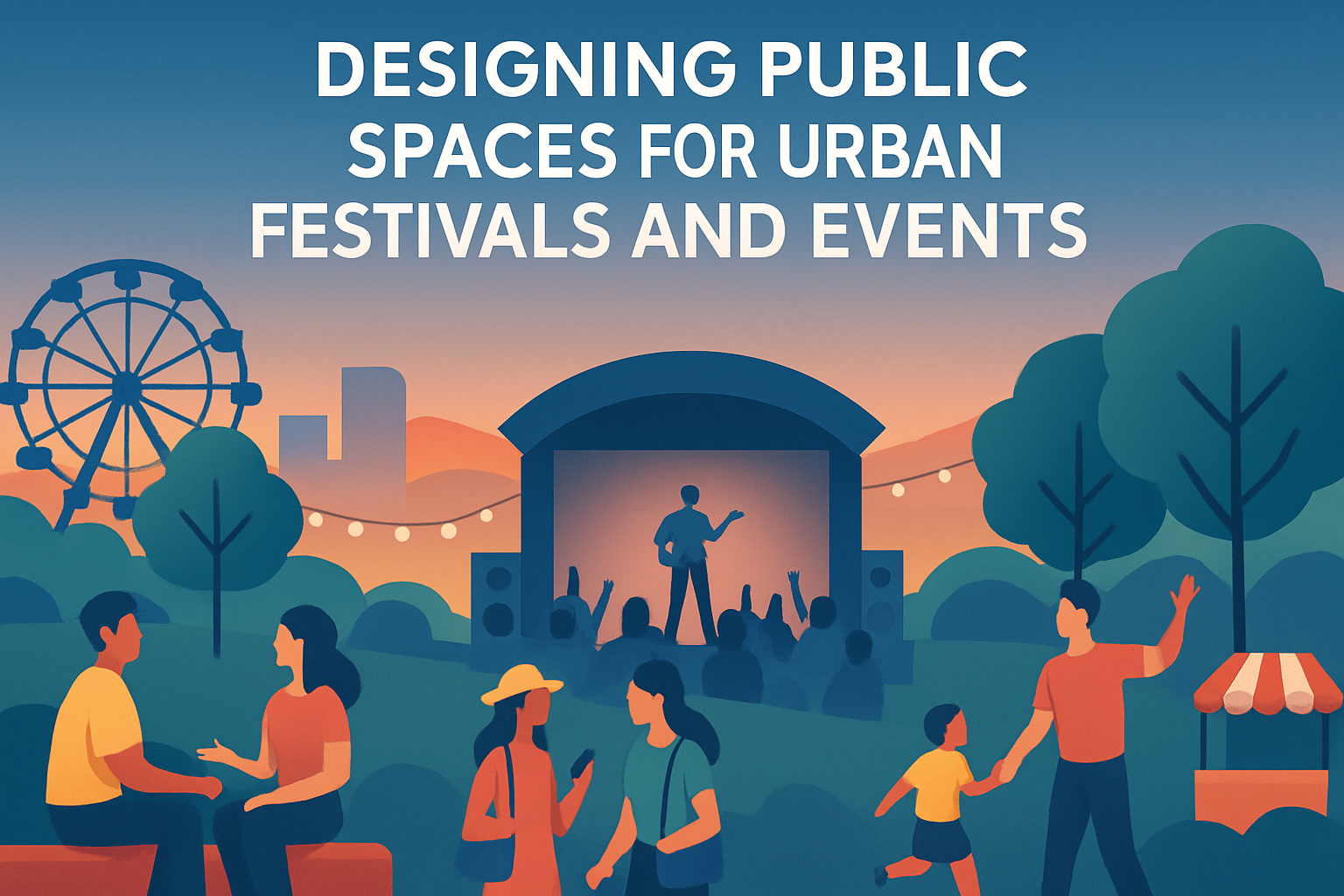
Urban festivals and events have become an integral part of city life, providing residents and visitors alike with opportunities to experience culture, community, and entertainment. The design of public spaces for these gatherings is crucial to their success, impacting attendance, experience, and even local economies. But what exactly does “designing public spaces” mean in this context? In essence, it involves crafting environments that are accessible, functional, and conducive to large crowds. This is not merely about aesthetics; it’s about creating spaces that facilitate the flow of people, enhance safety, and provide infrastructure that supports various activities. Understanding the design requirements of public spaces for urban festivals and events matters because it affects how people engage with the city, influences city branding, and ultimately shapes the urban landscape.
The Importance of Accessibility
Accessibility is paramount when designing public spaces for festivals and events. The aim is to ensure that everyone, regardless of physical ability, can participate. Large-scale events often draw diverse crowds, and a lack of accessible pathways and facilities can alienate potential attendees. One example is the Edinburgh Festival Fringe, where organizers set high standards for accessibility to accommodate guests with disabilities by providing ramps, accessible toilets, and designated viewing areas. Accessibility considerations also involve the integration of public transportation and pedestrian pathways to minimize congestion and enhance safety. Ultimately, prioritizing accessibility has significant social benefits, promoting inclusivity and enhancing the overall attendee experience.
Flexibility in Space Design
Modern urban events demand flexibility in space design. A versatile venue can host various types of events, from concerts to markets, without needing significant modifications. This flexibility makes efficient use of resources and reduces downtime between events. Federation Square in Melbourne, Australia, exemplifies such design. The multi-use plaza features adaptable spaces that can transform quickly for different occasions, thanks to modular seating, portable stages, and an open-plan design. The capacity to morph from an open park to a bustling festival ground maximizes utility and ensures that spaces remain active and engaging year-round.
Designing for Safety
Safety is a non-negotiable aspect of event design. Ensuring physical safety through crowd management, emergency access, and safe infrastructure is as crucial as providing psychological safety. The Love Parade disaster in 2010, which resulted in several deaths due to overcrowding, highlights the dire consequences of inadequate safety measures. Effective design must consider crowd flow dynamics, using barriers to guide movement and avoiding bottleneck areas where congestion can occur. Signage, lighting, and surveillance systems also play vital roles in maintaining security, and when leveraged appropriately, these elements can significantly enhance the safety features of a public space.
Environmental Considerations and Sustainability
Sustainability has become a pivotal concern for urban planning, and festivals and events are no exception. The environmental impact of these events, from waste management to energy consumption, must be mitigated through strategic design. For instance, Glastonbury Festival in the UK employs multiple sustainable practices, such as using biodegradable materials and solar energy. On-site recycling stations and water refill points are strategically placed to reduce littering and plastic waste. Designing spaces that encourage attendees to follow eco-friendly practices contributes to sustainability goals and enhances the event’s social responsibility credentials.
Technology Integration in Event Spaces
The incorporation of technology within event spaces can significantly enhance the experience for both organizers and attendees. Smart technology solutions, such as free public Wi-Fi, mobile apps for navigation, and digital screens for real-time updates, are increasingly becoming standard features. An illustrative case is the Coachella Valley Music and Arts Festival, which embraces technology through RFID wristbands for entry, augmented reality initiatives, and interactive digital installations. These technological integrations streamline operations, improve security, and enrich the visitor experience with interactivity and engagement.
Understanding Cultural Context and Local Identity
Every event is held within a cultural and social context that can significantly influence its success and legacy. Therefore, understanding and integrating local identity into the design of public festival spaces can foster a sense of pride and community ownership. Consider the example of the Rio Carnival in Brazil, where vibrant cultural expressions and local traditions are designed into every aspect of the event, from costumes to float designs. By reflecting the local culture, the events resonate more deeply with the community and support the unique cultural economy, which also facilitates tourism.
- Events that ignore cultural context risk alienating local communities.
- Culturally resonant events encourage tourism and foster economic growth.
- Integrating local art and cultural elements enhances the authenticity of the event.
Economics of Urban festivals and Events
Economic impact goes hand-in-hand with large urban events. They act as catalysts for economic growth, stimulating local businesses and generating significant revenue streams. Events like Mardi Gras in New Orleans make substantial local contributions through increased accommodation bookings, restaurant patronage, and transportation use. For urban planners, understanding the economic dimensions helps in designing spaces that optimize spending, from vendor zones to partnering with local services. When done right, these events can transform local economies and pave the way for future investments in urban development projects.
Public Participation in Design Processes
Innovative cities are incorporating public participation into the urban design process for festivals and events. Engaging community members early on through consultations or feedback sessions ensures the final design meets broader public needs and preferences. One practical example can be seen in the planning of London’s Notting Hill Carnival. Residents are actively involved in discussions to improve noise management, route planning, and safety protocols. Public participation cultivates a sense of ownership and satisfaction among local residents, making them more inclined to support and participate in the events.
The Impact of Climate on Event Design
The geographical and climate conditions of a location can greatly impact event planning and space design. For regions that experience extreme weather, whether hot, cold, or rainy, designers must create adaptable infrastructure. For instance, Dubai’s Global Village, functioning through the cooler months, utilizes shade structures, misting stations, and heat-resistant materials to ensure comfort. Similarly, events in rainy regions might deploy temporary tent cities or build water management systems into their designs. Understanding climatic conditions is vital to creating resilient spaces that can accommodate the elements and ensure positive attendee experiences.
Realizing the Potential of Multi-Functional Spaces
To maximize the utility of urban spaces, one key approach is to explore multi-functional uses. Public spaces designed with this in mind can host urban festivals, music concerts, farmers’ markets, and community gatherings. Bryant Park in New York exemplifies this strategy, offering a venue that transforms from a bustling summer concert site to a winter skating rink. These multi-functional spaces promote environmental sustainability by optimizing land use and reducing the need for new construction. Moreover, they can become iconic city landmarks that attract visitors year-round, providing long-term economic and social benefits.
In leveraging urban public spaces effectively for festivals and events, all these considerations must work cohesively. Designing for accessibility, flexibility, safety, and sustainability, while integrating technology and respecting cultural context, provides a solid foundation for successful urban planning.
Conclusion
The design of public spaces for urban festivals and events involves a multifaceted approach. As explored, crucial elements include accessibility, adaptability, safety, technology, cultural integration, economic benefit, public participation, climate consideration, and multi-purpose potential. Each of these factors plays a vital role in ensuring that public spaces not only support but actively enhance the event experience.
For city planners, architects, and event organizers, adopting these strategies can lead to spaces that are not only functional but are beloved by the community, economically viable, and environmentally sustainable. This comprehensive approach not only promotes a thriving urban culture but also bolsters city branding and creates a lasting impact on the local economy.
As communities continue to evolve, the need for innovative public space design will only grow. This underscores the importance of continually revisiting and improving design practices to align with emerging trends, technological advances, and community needs. Whether you are a planner, a community member, or a visitor, engaging with these evolving spaces is a step toward a more connected and vibrant urban experience. As the world becomes more urbanized, let’s seize the opportunity to shape our cities in ways that celebrate diversity and inspire collective joy. Even a simple act of attending a local festival can be a way to engage and affirm one’s connection to the community. Whether you are designing or participating in these events, recognize your role in shaping the urban narrative.
Frequently Asked Questions
1. What are the fundamental elements considered when designing public spaces for urban festivals and events?
Designing public spaces for urban festivals and events is a multi-faceted process that requires careful planning and consideration of various elements to ensure a successful outcome. At its core, the design should be focused on accessibility, functionality, and the capacity to hold large crowds safely and comfortably.
Accessibility is crucial. The space needs to be easily reachable for a diverse audience, including individuals with disabilities. This means considering the layout for entry and exit points, the availability of public transport, parking facilities, and clear signage for easy navigation throughout the event. The aim is to create an inclusive environment where everyone can participate and enjoy the event without barriers.
Functionality is another vital aspect. The space should be designed to accommodate different activities, whether that’s stages for performances, areas for food vendors, restrooms, or zones for interactive workshops. The infrastructure must support these activities without causing congestion or logistical nightmares. Power supply, water access, sound and lighting must all be factored into the design.
Then there’s the issue of crowd management. Smart space planning can maintain the flow of people, preventing overcrowding and ensuring the safety of attendees. This involves contemplating the width of paths, the location of gathering areas, and the strategic placement of obstacles and seating to prevent bottlenecks. The layout must also take into account emergency services and plans for evacuation if needed.
2. How can public spaces be designed to enhance the experience of attendees at urban festivals?
When it comes to enhancing attendee experiences at urban festivals, the design of the space can play an instrumental role. A thoughtfully designed space can transform a typical event into a unique and memorable experience. One way to achieve this is through the use of thematic elements and creative design approaches that resonate with the theme of the festival.
For instance, incorporating interactive installations or artistic decorations can create a visually engaging environment that encourages exploration and engagement. Placing art installations along paths not only enriches the aesthetic of the space but also acts as a navigational tool, leading attendees to different parts of the festival.
Comfort is another key component. Providing ample seating areas, shaded zones, and rest areas can significantly impact how attendees enjoy the event. Spaces designed with comfort in mind allow individuals to linger longer and engage more deeply with the event activities.
Adding greenery, water features, or other natural elements can create a relaxing atmosphere that balances the bustling energy of festivals. These enhancements contribute to a pleasant environment where visitors can take a break or gather for informal conversations.
Technology can also offer new dimensions to event experiences. Free Wi-Fi zones, charging stations, and interactive digital maps can improve overall convenience and engagement for tech-savvy crowds. The integration of multimedia presentations, such as LED displays and augmented reality installations, can captivate audiences and provide dynamic content related to festival themes.
3. What role does sustainability play in designing public spaces for urban events?
Sustainability has become an increasingly important consideration in the design of public spaces for urban festivals and events. Ensuring that these events are eco-friendly not only makes them appealing to environmentally conscious attendees but also contributes to the responsible stewardship of the planet.
Sustainability begins with material choices. Using recycled or locally sourced materials for temporary structures can significantly reduce the environmental footprint of an event. Design choices, like opting for reusables instead of disposables, can minimize waste. This extends to the strategic placement of recycling and waste management stations throughout the event space to encourage responsible disposal practices.
Energy efficiency is another factor. Selecting energy-saving lighting options, such as LEDs, and incorporating renewable energy sources like solar or wind power can reduce the energy consumption of the event. Additionally, partnering with vendors who have sustainable practices in place can influence the overall environmental impact.
Sustainable transport options, like bikes or shuttles, can be incentivized. Event organizers might provide information or discounts to encourage public transport use or carpooling, directly impacting the carbon emissions associated with travel to and from the festival. Facilities for cyclists, like bike racks and storage, further promote cleaner transport methods.
Furthermore, incorporating green initiatives like tree planting or eco-friendly workshops can engage attendees in meaningful ways, fostering a culture of sustainability that extends beyond the festival itself.
4. How can public spaces be designed to boost local economies during festivals?
Public space designs for festivals can significantly boost local economies by drawing visitors and encouraging spending in the community. The key to achieving this lies in strategic design and the collaborative effort with local businesses.
The location of the festival is crucial. Holding events in central areas or near business districts makes it easier for festival goers to wander into local shops, restaurants, and cafes, directly driving traffic to these businesses. Partnering with local merchants to create festival-themed promotions or special festival menus can attract more visitors to their establishments during the event.
Incorporating markets or vendor areas within the festival space gives local artisans and entrepreneurs the chance to showcase and sell their products. This supports local economies while enriching the festival experience with unique, locally made crafts and foods.
Designing events where workshops or demonstrations are featured can involve local talent and experts, showcasing the community’s skills and offerings. This, in turn, may encourage festival goers to seek out these local services post-event for more detailed experiences or purchases.
Efforts can also extend to post-event marketing, encouraging attendees to return with compelling narratives or packages that include local attractions, accommodations, and dining. Collaborating with local tourism boards to promote the destination using the festival as a highlight can extend economic benefits beyond the duration of the event.
5. What are the challenges faced when designing public spaces for large urban events?
Designing public spaces for large urban events comes with a host of challenges that must be navigated thoughtfully to ensure the event’s success. One of the foremost challenges is managing logistical coordination with various stakeholders, including city planners, safety officials, vendors, artists, and the community affected by the event.
Securing permits and adhering to safety and zoning regulations requires extensive planning and can be a complex process. This involves ensuring compliance with all relevant laws, such as fire codes, public safety ordinances, and traffic management requirements, while also coordinating with law enforcement and emergency services to guarantee a safe event environment.
Budget constraints pose another significant obstacle, as balancing quality designs with financial limits requires creative solutions. It often involves making strategic decisions about where to allocate resources for maximum impact, whether it’s enhancing stage areas, improving seating and viewing experiences, or investing in quality sound systems.
Community engagement and expectations can also present challenges. While festivals have the potential to invigorate local areas, they can also cause disruptions and concerns among residents regarding noise, traffic congestion, and cleanliness. Addressing these concerns with transparent communication and fostering community buy-in can help alleviate resistance and ensure the community feels like a part of the event.
Finally, unpredictable weather conditions pose a constant threat to outdoor event planning. Designing spaces with flexibility to adapt to sudden changes, including providing covered areas or planning for contingencies like excess rain or heat, is essential to keep the event running smoothly, regardless of the weather.