

Affordable housing is one of the most pressing issues facing urban planners and policymakers today. As urban areas continue to grow, the challenge of providing safe, affordable, and accessible housing for all income levels is becoming increasingly complex. One solution that has garnered significant attention is mixed-use development, a concept where residential and commercial spaces coexist within a single building or complex. This approach not only maximizes land use but also fosters a sense of community and convenience. By integrating living and working spaces, mixed-use developments have the potential to address multiple urban issues simultaneously, including housing affordability, economic development, and environmental sustainability.
This article explores the potential of mixed-use developments as a solution for affordable housing, examining the various benefits and challenges associated with this innovative approach. From the perspective of urban planning and real estate development, mixed-use projects offer a promising way to revitalize neighborhoods, reduce commuting times, and create more vibrant, livable communities. Moreover, they can serve as a catalyst for economic growth by attracting businesses and generating jobs. However, the successful implementation of mixed-use developments requires careful planning, coordination, and community engagement. This article aims to provide a comprehensive understanding of how mixed-use developments can contribute to affordable housing solutions and the key considerations for their development.
The Benefits of Mixed-Use Developments
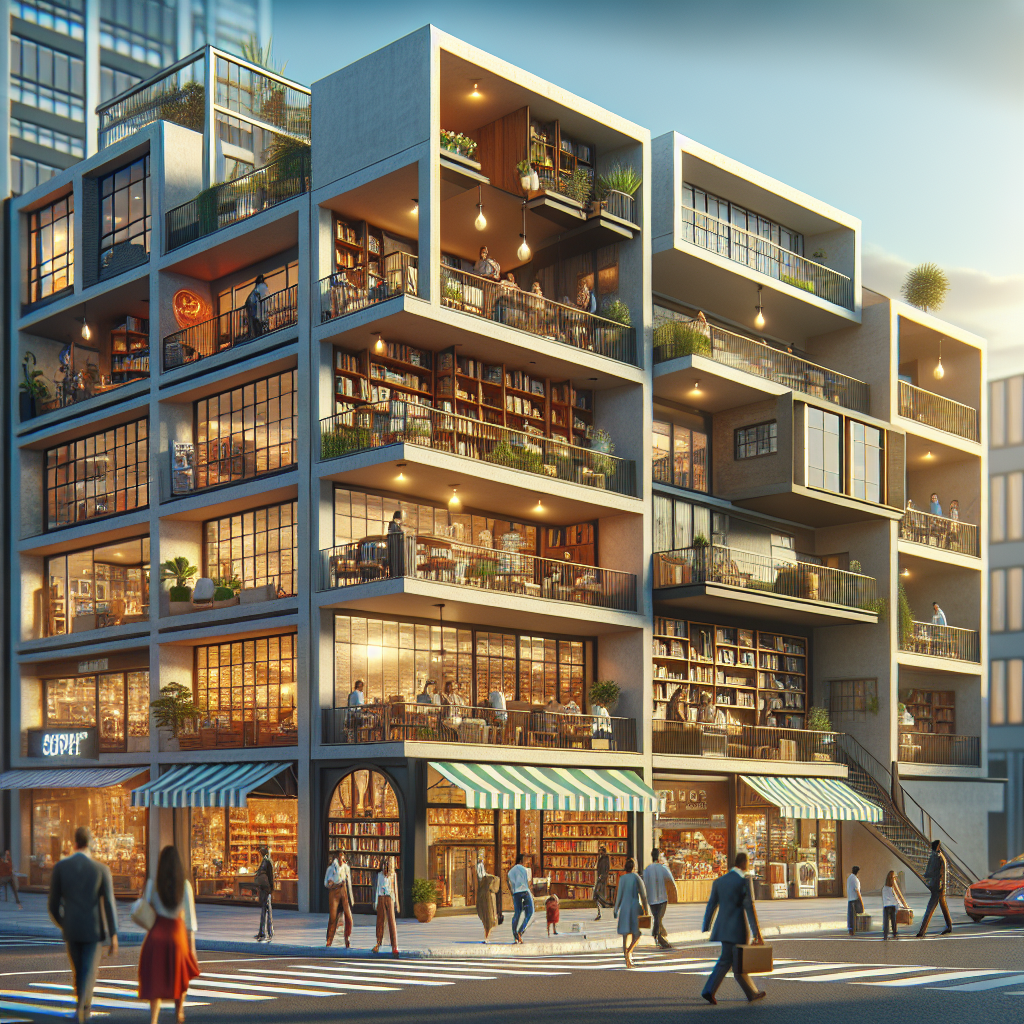
Mixed-use developments offer a multitude of benefits that contribute to the overall quality of urban life. By combining residential, commercial, and sometimes even industrial uses within a single project, these developments create a dynamic environment that fosters interaction and community engagement. One of the primary advantages of mixed-use developments is the efficient use of land. In densely populated urban areas, space is at a premium, and mixed-use projects maximize the utilization of available land, reducing the need for urban sprawl and preserving green spaces.
Another significant benefit is the reduction of commuting times and traffic congestion. When people live closer to their workplaces, retail shops, and recreational facilities, they are less reliant on personal vehicles, leading to a decrease in traffic congestion and greenhouse gas emissions. This proximity also promotes a healthier lifestyle, encouraging walking and cycling as viable modes of transportation. Additionally, mixed-use developments can stimulate local economies by attracting businesses and creating jobs. The presence of commercial spaces within residential areas boosts retail sales and services, providing residents with convenient access to essential goods and services.
Challenges and Considerations
Despite the numerous benefits, mixed-use developments also present several challenges that must be addressed to ensure their success. One of the primary challenges is the complexity of planning and design. Mixed-use projects require careful coordination between various stakeholders, including architects, urban planners, developers, and the community. Balancing the needs and preferences of different groups can be challenging, and conflicts may arise over issues such as building height, density, and land use. Effective communication and collaboration are essential to navigate these complexities and create a cohesive, well-designed development.
Financial feasibility is another critical consideration. Mixed-use developments often involve higher upfront costs compared to single-use projects due to the need for specialized design and construction techniques. Securing financing can be challenging, particularly in areas with limited market demand or lower-income populations. To mitigate these risks, developers may need to seek public-private partnerships, grants, or other funding sources. Additionally, ensuring long-term affordability is crucial. Policies such as inclusionary zoning, which requires a percentage of units to be affordable, can help address this issue. However, ongoing management and maintenance of affordable units are essential to prevent displacement and ensure the sustainability of the development.
Case Studies: Successful Mixed-Use Developments
Several cities around the world have successfully implemented mixed-use developments to address affordable housing and urban revitalization. One notable example is the Hudson Yards project in New York City. This large-scale development combines residential, commercial, and public spaces, creating a vibrant community with a mix of affordable and market-rate housing. The project has also generated significant economic activity, attracting businesses and tourists and creating jobs. Hudson Yards demonstrates how mixed-use developments can transform underutilized areas into thriving urban hubs.
Another successful case is the High Line Corridor in New York City. Initially an abandoned elevated railway, the High Line has been transformed into a public park, surrounded by mixed-use developments that include residential units, retail shops, and cultural institutions. This project has not only provided affordable housing but also enhanced the quality of life for residents by creating green spaces and promoting community engagement. The success of the High Line Corridor underscores the importance of integrating public spaces and recreational facilities into mixed-use developments to create holistic, livable environments.
Policy Framework and Implementation
The successful implementation of mixed-use developments requires a supportive policy framework and proactive government involvement. Local governments play a crucial role in facilitating these projects by providing incentives, streamlining permitting processes, and ensuring alignment with broader urban planning goals. Policies such as density bonuses, tax increment financing, and expedited approvals can encourage developers to pursue mixed-use projects. Additionally, zoning regulations must be flexible to accommodate the diverse components of mixed-use developments, and there should be a strong emphasis on community engagement throughout the planning process.
Public-private partnerships are instrumental in overcoming financial and logistical challenges. By collaborating with private developers, non-profit organizations, and housing agencies, local governments can leverage resources and expertise to deliver successful mixed-use projects. Grants, low-interest loans, and tax credits can also support the development of affordable housing within mixed-use projects. Moreover, comprehensive planning and urban design guidelines are essential to ensure that mixed-use developments are well-integrated into the surrounding neighborhoods and contribute positively to the urban fabric.
Future Trends in Mixed-Use Developments
Looking ahead, several trends are likely to shape the future of mixed-use developments and their role in affordable housing. Technological advancements, such as smart building systems and sustainable construction methods, are expected to enhance the efficiency and sustainability of mixed-use projects. These innovations can reduce construction costs, improve energy efficiency, and create more adaptable and resilient living and working spaces. Additionally, the growing emphasis on sustainable urban development and climate resilience will drive the adoption of green building practices and the integration of renewable energy sources in mixed-use developments.
The COVID-19 pandemic has also highlighted the importance of flexible and adaptable spaces. As remote work becomes more prevalent, there is an increasing demand for residential units with dedicated home office spaces and high-speed internet connectivity. Mixed-use developments can cater to these evolving needs by providing versatile living and working environments. Furthermore, the focus on health and well-being is expected to influence the design of mixed-use projects, with greater attention to green spaces, natural lighting, and community amenities that promote physical and mental health.
Conclusion
In conclusion, mixed-use developments present a promising solution for addressing affordable housing challenges in urban areas. By combining residential, commercial, and recreational spaces, these projects can enhance the quality of urban life, reduce commuting times, and stimulate economic growth. However, the successful implementation of mixed-use developments requires careful planning, collaboration, and a supportive policy framework. Policymakers, developers, and communities must work together to navigate the complexities and ensure that these projects deliver long-term benefits.
As cities continue to evolve, the demand for affordable housing and sustainable urban development will persist. Mixed-use developments offer a viable path forward, fostering vibrant, inclusive, and resilient communities. By embracing innovative design, leveraging public-private partnerships, and prioritizing community engagement, urban planners and developers can create mixed-use projects that meet the diverse needs of residents and contribute to the overall well-being of urban environments.
Frequently Asked Questions
1. What is mixed-use development, and why is it considered a solution for affordable housing?
Mixed-use development refers to a type of urban development strategy that combines residential, commercial, cultural, institutional, or entertainment purposes into a single space. The idea is to create a vibrant, walkable community where people can live, work, and play without needing to rely heavily on driving. This approach is considered a solution for affordable housing because it makes optimal use of land resources, which can help drive down costs. By integrating various uses and increasing density, developers can reduce per-unit construction costs through shared infrastructure, such as common utilities and amenities. Additionally, these developments often encourage diverse housing options—ranging from affordable units to market-rate apartments—catering to a broad spectrum of income levels.
2. How does mixed-use development benefit communities overall?
Mixed-use development offers numerous benefits to communities, as it fosters a sense of community and active lifestyle by encouraging pedestrian-friendly environments. Residents enjoy the convenience of having amenities and essential services close to home, which reduces the need for long commutes and promotes local shopping. As urban areas struggle with congestion and air pollution, these developments can be pivotal in cutting down carbon emissions due to less dependency on vehicles. Moreover, by clustering uses together, mixed-use areas tend to be safer and more vibrant, leading to increased economic activity and neighborhood revitalization. They even affect social integration positively, as a diverse range of people can meet and interact within these blended spaces.
3. Are there any potential downsides to developing mixed-use properties?
While mixed-use developments offer significant benefits, they do pose certain challenges. For starters, the complexity of such projects demands higher initial investment and sophisticated planning, which can deter developers concerned about risks and returns. Ensuring that the mix of uses is balanced can be tricky, as too much emphasis on residential over commercial, or vice versa, can disrupt the dynamic intended. Furthermore, integrating different property types raises issues such as noise and privacy that require thoughtful design solutions. From a regulatory standpoint, zoning laws might need adjustment, which can complicate approvals. Despite these challenges, with careful planning and community engagement, many of these issues can be mitigated.
4. How do policymakers and urban planners determine the ideal mix of residential and commercial spaces in a development?
Determining the ideal mix involves an in-depth analysis of the community’s needs, preferences, and the development’s geographic location. Urban planners often conduct feasibility studies and market analyses to understand the demand for various types of housing and commercial spaces. Community input is crucial, with public meetings and surveys providing a sense of what local residents desire within their neighborhoods. Planners also consider existing infrastructures, such as transportation links, schools, and healthcare facilities, to ensure the development supports long-term growth. The focus is on creating a sustainable ecosystem where businesses can thrive, residents have access to essential services, and there is room for future adaptation based on changing demographic trends.
5. How does financing work for mixed-use developments, particularly those including affordable housing?
Financing mixed-use developments, especially those that incorporate affordable housing, can be quite complex. It often requires a combination of private investment, public funding, and sometimes philanthropic contributions. Developers usually seek financing through traditional loans and may apply for tax credits aimed at encouraging affordable housing, such as Low-Income Housing Tax Credits (LIHTCs) available in the United States. Municipalities might offer incentives like tax abatements or grants to reduce construction costs. Public-private partnerships are common, wherein the public sector provides land or financial subsidies, while private entities undertake the construction and operation. Additionally, developers work with financial institutions experienced in mixed-use projects to create a flexible funding package that addresses the various components of the development, ensuring a feasible and sustainable project.


