

Welcome to our comprehensive guide on the role of crowdfunding in affordable housing projects. In this article, we will explore how crowdfunding can significantly impact the development and accessibility of affordable housing. Stick with us as we delve into the different aspects of this innovative financial tool and how it is shaping the future of housing.
Introduction: The Affordable Housing Crisis
Affordable housing has been a persistent and growing issue worldwide. Urbanization, rising property values, and economic disparities have made it increasingly difficult for low and middle-income families to find secure and affordable places to live. Governments and non-profits have been working tirelessly to address this crisis, but traditional funding mechanisms often fall short of meeting the demand.
In this challenging landscape, crowdfunding has emerged as a promising alternative. This relatively new financial tool leverages the power of the crowd to pool resources and fund projects that might otherwise struggle to find conventional financing. By tapping into a broad base of contributors, crowdfunding has the potential to bring new and innovative solutions to the affordable housing crisis.
Understanding Crowdfunding
Crowdfunding is a method of raising capital through the collective efforts of a large number of individuals, typically via the internet. It operates on platforms that allow project creators to showcase their ideas and campaign for funds. There are four main types of crowdfunding:
- Reward-based crowdfunding: Contributors receive a tangible or intangible reward for their investment.
- Donation-based crowdfunding: Supporters contribute funds without expecting any return.
- Debt-based crowdfunding: Investors provide loans that will be repaid with interest.
- Equity-based crowdfunding: Investors receive shares in the project in exchange for their contribution.
Each type of crowdfunding has its unique benefits and mechanisms, making it versatile and adaptable to different kinds of projects, including affordable housing.
Crowdfunding Platforms for Affordable Housing
Several platforms specialize in crowdfunding for real estate and housing projects. Some of the most prominent include:
- Fundrise: Allows individuals to invest in a diversified portfolio of real estate assets, including affordable housing.
- RealtyMogul: Provides options for both equity and debt investments in various real estate projects.
- Small Change: Specifically focused on projects that aim to make a social impact, such as affordable housing.
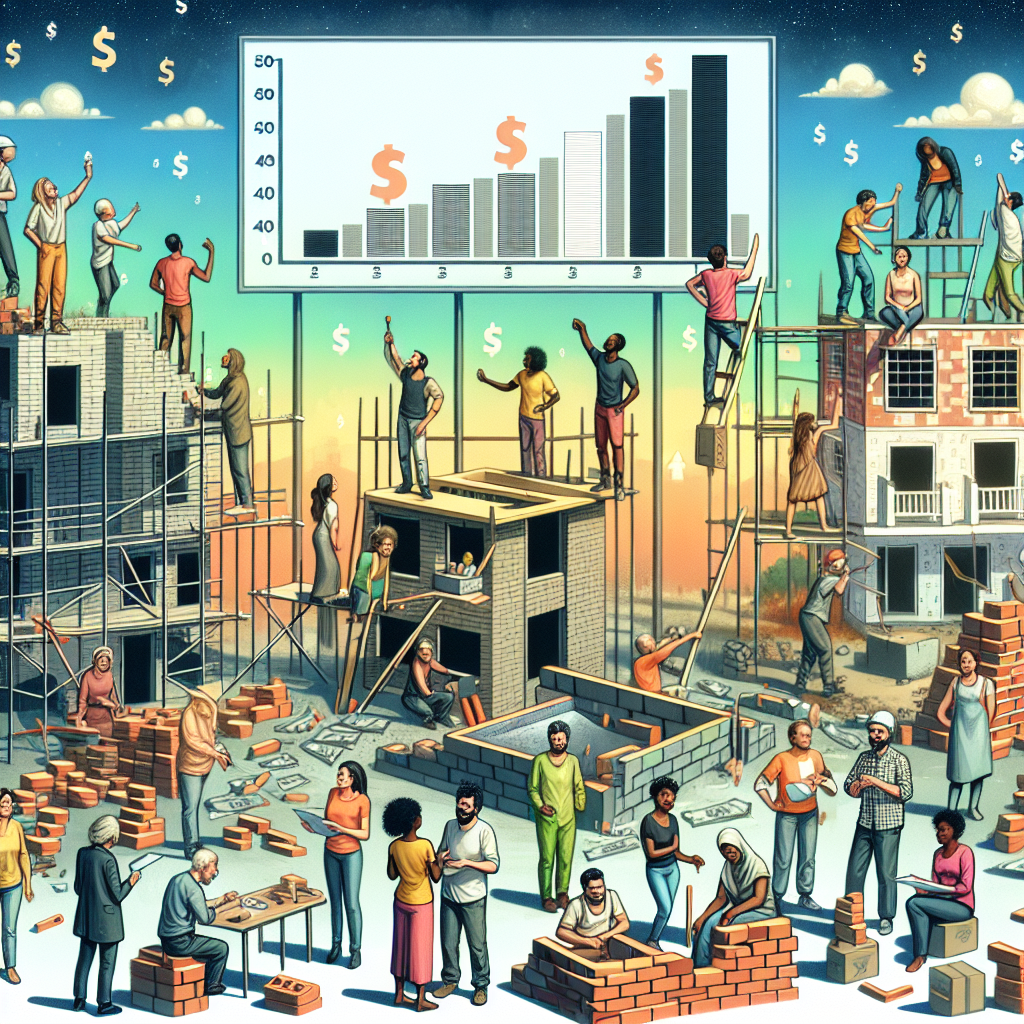
These platforms not only provide a marketplace for investors and developers to connect but also offer tools and resources to facilitate the success of the campaigns. By lowering the barriers to entry, these platforms democratize investment and participation in real estate development projects.
How Crowdfunding Can Benefit Affordable Housing Projects
Crowdfunding offers several key benefits that make it particularly suited for affordable housing projects:
- Diversified Funding Sources: Traditional funding for affordable housing often relies on government grants and subsidies, which can be limited and competitive. Crowdfunding opens up new revenue streams from individual investors, philanthropists, and social investors.
- Community Involvement: Crowdfunding campaigns can rally community support, increasing local engagement and backing for projects. This sense of ownership can further drive the project’s success.
- Flexibility and Innovation: Crowdfunding allows for more flexibility in project design and implementation. Developers can test new ideas and pivot based on feedback from the investors and community.
- Transparency and Accountability: Most crowdfunding platforms maintain strict oversight and transparency, which can help ensure that funds are used as intended and that projects adhere to promised timelines and outcomes.
Challenges and Limitations
While crowdfunding holds great promise, it is not without its challenges. Some of the common issues faced include:
- Regulatory Hurdles: Depending on the region, regulatory frameworks for crowdfunding can be complex and restrictive. Compliance with securities laws and investment regulations can pose challenges.
- Market Saturation: With many projects vying for attention, it can be difficult for affordable housing campaigns to stand out and attract sufficient funding.
- Investor Risk: Crowdfunding investments can be high-risk. If a project fails, investors may not see a return on their investment. This risk can deter potential backers.
- Project Viability: Ensuring that projects are viable and realistically scoped is critical. Over-promising and under-delivering can damage trust and make future campaigns more difficult.
Successful Case Studies
Despite the challenges, there are numerous examples of successful crowdfunding campaigns for affordable housing:
- The Fifth Avenue Committee’s L+M Development Partners: This campaign raised over $1 million to fund affordable housing projects in New York City.
- The Tapestry Redevelopment Corporation: Raised funds through Small Change to renovate and create affordable housing units in Pittsburgh.
- CrowdStreet’s Affordable Housing Fund: Successfully pooled investments for multiple affordable housing developments across the U.S.
These case studies highlight the potential of crowdfunding to make a real impact on affordable housing, demonstrating how diverse sources of funding can be mobilized to address critical housing needs.
Conclusion: The Future of Crowdfunding in Affordable Housing
Crowdfunding is a powerful tool that has the potential to transform the affordable housing landscape. By engaging a broad base of supporters, diversifying funding sources, and fostering a sense of community involvement, crowdfunding can drive innovation and development in this sector.
However, it is important to navigate the challenges and limitations carefully. Regulatory compliance, effective project management, and transparent communication are critical to the success of crowdfunding campaigns. As governments, non-profits, and private developers continue to explore and refine this approach, crowdfunding is likely to play an increasingly significant role in addressing the affordable housing crisis.
Through ongoing collaboration and innovation, the dream of secure, affordable housing for all can move closer to reality.
Frequently Asked Questions
1. What is crowdfunding and how does it relate to affordable housing projects?
Crowdfunding is a method of raising capital through the collective effort of a large number of people, typically through online platforms. It enables project creators to pitch their ideas and secure funding from a diverse pool of small individual contributions rather than relying on traditional financial institutions. In the context of affordable housing projects, crowdfunding has emerged as a pivotal tool that allows developers to access the necessary funds to create or refurbish affordable housing units. This is particularly crucial as it provides an alternative funding source at a time when government budgets and traditional financing systems are stretched thin. It democratizes the investment process, giving ordinary people a stake in housing solutions and sometimes offering return on investments or benefits for contributors, depending on the platform and project terms.
2. How does crowdfunding impact the development of affordable housing?
Crowdfunding impacts the development of affordable housing in multiple significant ways. Firstly, it provides a new stream of funding that supplements conventional sources such as bank loans, government grants, or private investments. This can accelerate the pace of development, as reliance on fewer, potentially unreliable sources is reduced. Secondly, crowdfunding can lead to greater community involvement and attachment to projects, as local individuals become directly invested, both financially and emotionally, in the success of the housing projects. Furthermore, by showcasing demand and community support for such projects on crowdfunding platforms, developers can generate awareness and attract additional investment. The marketing and exposure gained through crowdfunding can also raise consciousness about the need for affordable housing more broadly, potentially influencing policy decisions and encouraging similar initiatives.
3. What are some challenges associated with using crowdfunding for affordable housing projects?
While crowdfunding offers exciting opportunities, it also comes with its share of challenges. One major hurdle is the regulatory and compliance landscape, as real estate projects, including affordable housing, are subject to rigorous regulations that can complicate the crowdfunding process. Additionally, it can be challenging to attract a vast number of investors, particularly when the projects involve longer-term returns compared to consumer-focused crowdfunding campaigns. There’s also the need for transparency in how funds are utilized, and project managers must establish and maintain trustworthiness with backers. Another challenge is the risk of not reaching the funding target within the specified timeframe, which could potentially delay or derail the project altogether. Lastly, the successful management and communication with a large group of small investors can be complicated, requiring more resources and effective outreach strategies.
4. Are there any successful examples of affordable housing projects funded by crowdfunding?
Yes, there are several noteworthy examples where crowdfunding has successfully funded affordable housing projects. One prominent example is the ‘Naked House’ project in London, which aimed to reduce the cost of housing by stripping homes to their bare essentials, allowing residents to finish and customize their living spaces. Through crowdfunding, the project was able to secure a significant portion of its funding from the local community and interested individuals worldwide. Another example is “RE_City,” a crowdfunding initiative which aims to rejuvenate abandoned properties in Detroit, converting them into affordable housing units. Such projects demonstrate not only the viability of crowdfunding as a funding source but also its power to galvanize public support and creativity in addressing pressing societal issues like affordable housing deficiencies.
5. How can potential investors assess the credibility of a crowdfunding project for affordable housing?
Investors interested in crowdfunding affordable housing projects should conduct thorough due diligence to assess the credibility and potential of these projects. This includes examining the platform’s reputation and track record – platforms dedicated solely to real estate or known for stringent vetting processes can often be more reliable. Investors should also scrutinize the project developers’ previous work, including completed projects and their impacts, to gauge their ability to deliver. Transparency is key, so reviewing the project’s blueprint, financial projections, land ownership details, and compliance with local housing laws is crucial. Furthermore, understanding the return on investment (ROI), risk factors involved, and the structure of investor agreements will provide clarity on what to expect. Engaging with other investors and participating in discussions spaces such as forums or community events allows potential backers to gather insights and different perspectives, enabling them to make informed decisions.


