
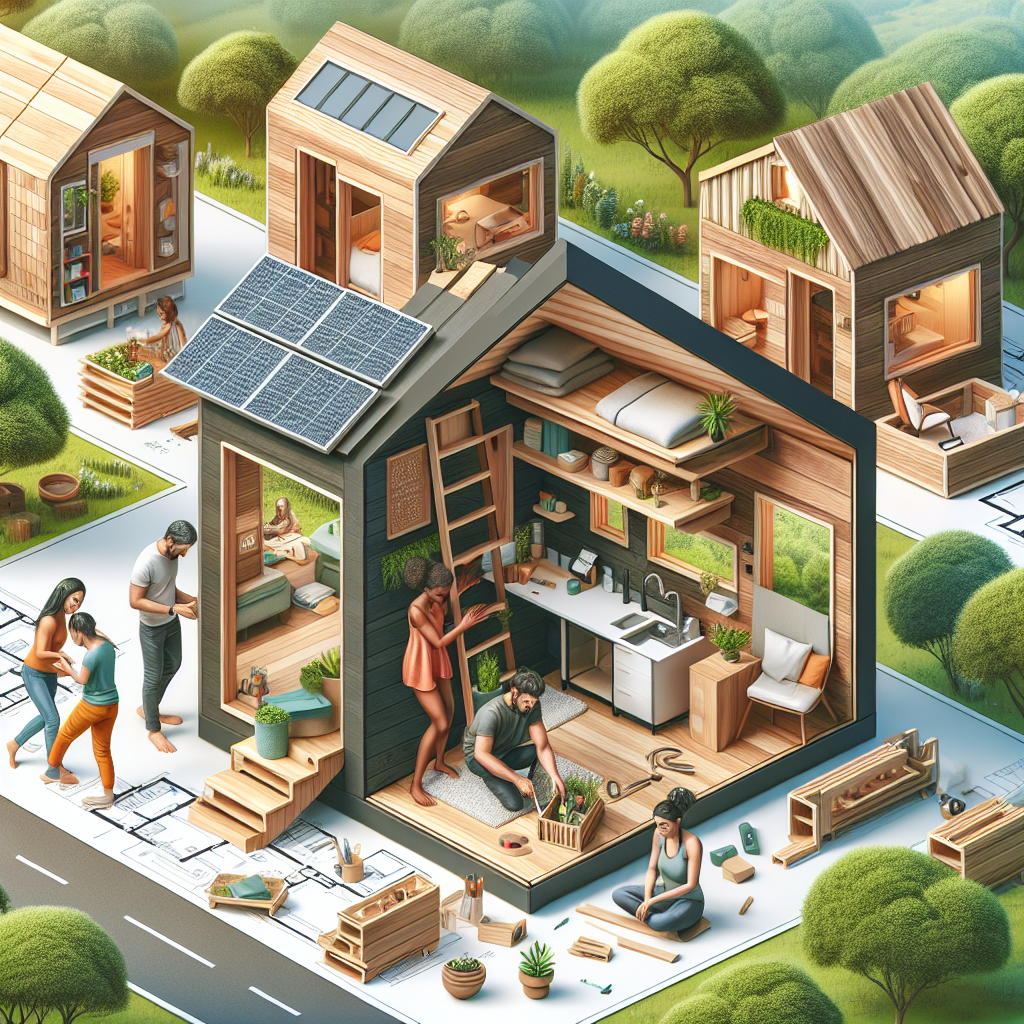
The concept of affordable housing has become increasingly critical in today’s urban planning discourse. As urban populations swell and housing prices soar, more and more individuals and families find it difficult to secure affordable, safe, and adequate homes. This situation has led to a housing crisis in many regions, where the availability of affordable housing has not kept pace with demand. In response, various innovative housing solutions have emerged, among which the Tiny House Movement stands out. This movement represents a paradigm shift in the way we think about living spaces: it promotes downsizing, minimalism, and sustainable living. For many, tiny houses provide a practical solution to housing affordability issues while supporting a simpler, more ecologically conscious lifestyle.
Tiny houses are typically defined as homes that are under 400 square feet, and they come in a wide range of styles and formats. From mobile homes on wheels to stationary small homes constructed on a permanent foundation, the versatility of tiny homes allows them to be tailored to meet the specific needs and preferences of their inhabitants. Moreover, the movement is not limited to a particular demographic; it appeals to young professionals, retirees, and even families with children. The allure of a reduced financial burden and the freedom that comes with owning a smaller space are powerful incentives driving the Tiny House Movement forward. But what does this mean for urban planning and the broader issue of affordable housing?
In this article, we will delve into the relationship between the Tiny House Movement and affordable housing. We will explore the origins of the movement, its benefits, and challenges, as well as its potential role in addressing housing affordability. Additionally, we will discuss how tiny homes fit into the broader urban planning framework and the implications for future housing policies.
The Origins of the Tiny House Movement
The Tiny House Movement began to gain traction in the early 2000s, although the concept of living in small, efficient spaces is far from new. Historically, humans have often lived in small dwellings, whether out of necessity or choice. However, the modern tiny house phenomenon is largely attributed to a combination of economic, environmental, and social factors. The 2008 economic downturn was a significant catalyst, as the financial instability caused many to rethink the traditional approach to homeownership and mortgages.
Environmental consciousness also played a critical role. As awareness of climate change and sustainability grew, many people began to question the environmental impact of their lifestyles, including the size of their homes. Smaller homes mean less energy consumption, lower carbon footprints, and fewer resources used in construction. The minimalist lifestyle, which often accompanies tiny house living, further enhances sustainability by encouraging people to own fewer possessions and live more simply.
Social media and the internet have also had a profound impact on the Tiny House Movement. Platforms like YouTube, Instagram, and Pinterest have allowed tiny house enthusiasts to share their experiences, designs, and tips, inspiring others to join the movement. This digital sharing has helped create a sense of community among tiny house dwellers and has made information on building and living in tiny homes more accessible to a broader audience.
Overall, the Tiny House Movement has emerged as a multifaceted response to economic hardship, environmental concerns, and a desire for a more intentional way of living.
Benefits of Tiny Houses
Tiny houses offer numerous benefits that make them an attractive option for addressing affordable housing concerns. First and foremost, their affordability is a major draw. The cost of building or purchasing a tiny house is significantly lower than that of a traditional home. This affordability extends beyond the initial purchase or construction costs; tiny homes also cost less to maintain, heat, cool, and furnish. For individuals and families struggling with high housing costs, a tiny home can represent a viable path to homeownership without the burden of a substantial mortgage.
Another key benefit is the environmental impact. Tiny homes typically have a much smaller carbon footprint compared to larger homes. They are often built with sustainable materials and designed to be energy-efficient. Many tiny houses incorporate features such as solar panels, rainwater collection systems, and composting toilets, which further reduce their environmental impact. Living in a smaller space also encourages a minimalist lifestyle, reducing the amount of waste generated and promoting the use of fewer resources.
The flexibility and mobility offered by tiny houses are also significant advantages. Many tiny homes are built on trailers, allowing homeowners to move their homes to different locations as needed. This mobility can be especially beneficial for people who may need to relocate frequently for work or other reasons. For those who prefer a more permanent residence, tiny homes can also be built on a fixed foundation, providing a stable living environment with the same benefits of affordability and sustainability.
Moreover, tiny houses can foster a greater sense of community. Because they require less land, multiple tiny homes can be placed on a single plot, creating opportunities for close-knit communities to form. This setup can encourage social interaction and mutual support among residents, contributing to a higher quality of life.

Challenges Faced by the Tiny House Movement
Despite the numerous benefits, the Tiny House Movement faces several challenges that must be addressed for it to become a mainstream solution to affordable housing issues. A primary challenge is the legal and regulatory hurdles. Zoning laws in many areas are not designed to accommodate tiny houses. These laws often have minimum size requirements for dwellings, restrictions on mobile homes, and regulations regarding where homes can be placed. Navigating these regulations can be daunting for potential tiny house owners and may require significant advocacy and policy changes at the local level.
Financing tiny homes can also be problematic. Traditional mortgages are typically not available for tiny houses, as they do not meet the requirements for conventional home loans. Instead, buyers may need to rely on personal loans, which can come with higher interest rates and shorter repayment terms. The lack of financing options can be a barrier for many people who would otherwise consider living in a tiny home.
Another challenge is the perception of tiny houses. Despite growing popularity, some people still view them as novelty items rather than legitimate housing solutions. This perception can affect acceptance within communities and among policymakers. Additionally, living in a tiny house is not suitable for everyone. Families with children, for example, may find the space too restrictive, and not everyone is willing or able to adopt the minimalist lifestyle that tiny house living often necessitates.
The movement also faces practical challenges related to infrastructure. Ensuring access to utilities such as water, electricity, and sewage can be more complicated for tiny homes, especially those on wheels. Adequate planning and investment are required to address these infrastructure needs effectively.
Tiny Houses in Urban Planning
Integrating tiny houses into urban planning strategies presents both opportunities and challenges. On one hand, tiny homes can be an innovative solution to urban housing shortages, providing affordable options without the need for extensive new infrastructure. They can be used to fill vacant lots, create in-fill housing, or establish clusters of tiny home communities within cities. By utilizing underused land, cities can increase their housing stock and provide affordable options without resorting to large-scale developments.
Tiny homes can also contribute to the diversification of housing options within a city. Urban areas often face a shortage of affordable, diverse housing types, and tiny houses can help fill this gap. They offer a solution for individuals and small families looking for affordable, sustainable living options within urban environments. This diversification can make cities more inclusive and accessible to a broader range of residents.
However, incorporating tiny houses into urban planning requires thoughtful consideration of zoning and land use policies. Cities must adapt their regulations to accommodate the unique characteristics of tiny homes, which may require changes to minimum size requirements, building codes, and land use designations. Collaboration between city planners, policymakers, and the tiny house community is essential to navigate these regulatory challenges and find solutions that work for both cities and residents.
Additionally, cities must address infrastructure needs to support tiny house communities. This includes ensuring access to utilities, transportation, and community services. Thoughtful planning and investment in infrastructure can help integrate tiny houses into the urban fabric and ensure that residents have access to the resources they need.
The Future of Affordable Housing and Tiny Houses
The future of affordable housing may well be influenced by the principles and practices of the Tiny House Movement. As policymakers, developers, and urban planners look for solutions to the growing housing crisis, tiny houses offer a compelling option that combines affordability, sustainability, and flexibility. To realize their potential, several steps can be taken.
First, advocacy is key. Stakeholders must work to raise awareness about the benefits of tiny houses and advocate for changes to zoning laws and building codes that inhibit their development. This involves engaging with local governments, participating in community meetings, and building alliances with other housing advocates.
Second, innovative financing solutions are needed to make tiny homes more accessible. This could include the development of specialized loan programs, subsidies, or grants designed to support the construction and purchase of tiny homes. Financial institutions and policymakers must recognize the viability of tiny houses as legitimate housing options and develop mechanisms to support their financing.
Furthermore, the design and construction of tiny houses will continue to evolve, incorporating new materials, technologies, and design principles that enhance their livability and sustainability. Advances in modular and prefabricated construction, for example, can reduce costs and make tiny homes more accessible to a broader audience.
Community-building efforts can also play a vital role in the future of tiny houses. Creating intentional tiny house communities that offer shared amenities, communal spaces, and support networks can enhance the quality of life for residents and demonstrate the viability of tiny homes as long-term housing solutions.
Conclusion
Affordable housing remains one of the most pressing challenges in urban planning today. The Tiny House Movement offers a innovative and practical solution to this issue, providing affordable, sustainable, and flexible housing options. While there are challenges to be addressed, including regulatory barriers and financing hurdles, the potential benefits of tiny houses make them an attractive option for addressing the housing crisis.
Tiny houses not only provide a path to homeownership for individuals and families who might otherwise be priced out of the housing market, but they also promote sustainable living and environmental stewardship. The movement encourages a shift towards minimalism and intentional living, which can have positive impacts on individuals’ financial well-being and overall quality of life.
As urban planners and policymakers seek to create more inclusive and resilient cities, tiny houses can play a significant role in diversifying the housing stock and providing affordable options for residents. By adapting regulations, developing innovative financing solutions, and investing in infrastructure, cities can effectively integrate tiny houses into their urban landscapes.
In conclusion, the Tiny House Movement represents a promising avenue for addressing the affordable housing crisis. As we continue to explore and embrace this innovative housing solution, we have the opportunity to create more equitable, sustainable, and vibrant communities for the future. The movement’s focus on affordability, environmental sustainability, and community-building aligns well with the broader goals of urban planning and offers valuable insights into the future of housing.
Frequently Asked Questions
1. What is the Tiny House Movement and how does it relate to affordable housing?
The Tiny House Movement is a social and architectural trend that advocates for downsizing living spaces, simplifying lifestyles, and in many cases, promoting self-sufficiency. It’s part of a larger ideal of minimalism and ecological responsibility. This movement involves living in homes that are typically less than 400 square feet. By reducing the size of the living space, tiny homes often cost significantly less than traditional houses, which can make them more accessible to individuals and families who are struggling to afford conventional housing.
Tiny homes offer a creative solution to the affordable housing crisis because they can be built with minimal resources and placed on smaller plots of land. This makes them especially attractive in urban areas where land prices can be prohibitive. Also, due to their small size, tiny homes often use less energy, further reducing living expenses. For people who prioritize financial freedom or who wish to cut unnecessary living costs, tiny houses can provide a sustainable path to owning a home without the hefty mortgage or ongoing costs of larger homes.
2. What are the benefits of living in a tiny house?
Living in a tiny house offers numerous benefits, ranging from financial savings to environmental impact. First and foremost, the reduced size means lower building costs, making tiny houses an affordable option for many. This affordability extends to lower utility costs, as the energy required to heat, cool, and power the home is much less than a larger home would require.
Beyond financial savings, tiny houses also contribute to a lower environmental footprint. The materials needed to build them are less, and many tiny homes are constructed using sustainable materials and technologies. The decrease in energy consumption further reduces one’s carbon footprint, aligning well with sustainable living goals.
Socially and psychologically, living in a tiny house encourages a decluttered lifestyle, as there’s simply less room for excess possessions. This can lead to a more mindful lifestyle, with a focus on experiences over things. The mobility of some tiny homes also provides a flexible living situation, allowing homeowners to relocate with ease, which can be particularly appealing for those seeking an adventurous lifestyle.
3. Are tiny houses legal everywhere? What are the challenges and considerations concerning zoning and regulations?
The legality of tiny houses varies widely from place to place, often posing a significant hurdle for those interested in pursuing this lifestyle. Zoning laws, building codes, and land-use policies are determined by local governments and can significantly influence whether a tiny house is a feasible living option in any given area.
In many urban areas, building codes are designed for traditional homes and do not accommodate the unique characteristics of tiny houses, such as their less-than-standard size. Some regions may have minimum size requirements for permanent houses, or they may not permit mobile homes other than in designated trailer parks. Additionally, tiny houses on wheels are often categorized as recreational vehicles (RVs) rather than dwellings, which can limit where they can legally reside.
Addressing these challenges often requires engaging with local governments to adapt policies to better accommodate tiny homes. This might include establishing tiny house communities specifically zoned to support this type of living arrangement or adjusting building codes to acknowledge the architecture of tiny houses. Some municipalities are beginning to recognize the value of tiny homes in alleviating the housing crisis and are adapting their policies accordingly, though there’s still a long way to go in many areas.
4. How can a tiny house be a part of community development and urban planning?
Tiny houses can play a crucial role in community development and urban planning by offering flexible, space-efficient, and affordable housing solutions, particularly in densely populated urban areas where traditional housing is unaffordable. By incorporating tiny homes into the urban fabric, municipalities can make effective use of underutilized spaces, fill in vacant lots, and develop new affordable housing communities with a relatively low footprint.
In the context of urban planning, tiny houses can provide affordable housing without the need for expansive new developments. They can be arranged in clusters to create compact, community-oriented living environments with shared amenities. For instance, a development might include common laundry facilities, gardens, and community centers — fostering a strong sense of community and shared responsibility among residents.
On a larger scale, tiny house neighborhoods can contribute to vibrant urban environments, enhancing diversity and resilience. They offer an appealing housing option for a variety of people, including young professionals, retirees, and small families, encouraging a mix of age groups and lifestyles within city neighborhoods. Additionally, this integration of tiny homes within urban areas can help cities address housing shortages while supporting smart growth and sustainable development principles.
5. What are the potential drawbacks or challenges of living in a tiny house?
While the Tiny House Movement presents many potential benefits, it also comes with several challenges that prospective dwellers should consider. Perhaps the most immediate drawback is the limited space, which requires significant downsizing and a commitment to minimalist living. This lifestyle shift may not be suitable for everyone, particularly those with larger families or those who need ample space for possessions and activities.
Moreover, the lack of regulation uniformity across different jurisdictions can create logistical challenges associated with finding legal places to park or build these homes. Potential owners must conduct thorough research to understand the legal landscape in their preferred area, which can be time-consuming and complicated.
Storage can also be an issue, particularly in homes built on wheels or those designed with ultra-compact footprints. While creative storage solutions and multi-functional furniture can mitigate these concerns, they may necessitate additional planning and customization, which could increase costs.
Finally, the resale market for tiny houses is still emerging. Although the appeal of tiny homes is growing, finding buyers interested in purchasing such a specialized property may be more challenging than with traditional homes. Despite these challenges, for many, the benefits of living in a tiny house—such as financial freedom, sustainable living, and community—outweigh these potential drawbacks.


