

The rising cost of housing is a major issue wreaking havoc on urban populations worldwide. Although affordable housing is often championed as a remedy, the implementation of such projects frequently encounters stumbling blocks—be it bureaucratic red tape, financial limitations, or logistical challenges.
As with many sectors, the introduction of innovative technologies has begun to reshape the landscape of affordable housing. These advancements range from construction techniques and materials to smart home systems and data analytics. Our technologies promise not just to reduce costs but also to accelerate project completion, enhance sustainability, and improve the quality of life for residents.
In this article, we will delve deeply into how technology is driving change in the affordable housing sector. We’ll examine new materials and construction methods, explore data management and analytics in housing projects, and consider the impact of smart home technologies on low-income families. By the end of this comprehensive guide, you should have a clear understanding of how these innovations are helping to shape a more equitable future in housing.
Innovative Construction Materials and Methods
One of the most promising areas for reducing housing costs pertains to construction materials and methods. Traditional building techniques can be labor-intensive and time-consuming, making them less suited for large-scale affordable housing projects. However, recent years have seen groundbreaking innovations that can transform how we build homes.
3D printing technology, for instance, has made significant strides. Construction companies can now print homes layer by layer using concrete or other materials, drastically cutting labor costs and time. Companies like ICON and Apis Cor are already implementing this technology to build affordable homes quickly and sustainably.
Prefabrication, another revolutionary approach, involves building parts of homes in factories and then assembling them on-site. This method allows for greater precision and speed, reducing both waste and costs. Moreover, the use of recycled and sustainable materials, such as hempcrete and reclaimed wood, is gaining traction. These materials not only cut costs but also contribute to environmental conservation.
By adopting these advanced materials and methods, we can lower production costs and accelerate the timeline for deploying affordable housing units, making it possible to meet the overwhelming demand more effectively.
Smart Home Technologies for Affordable Housing
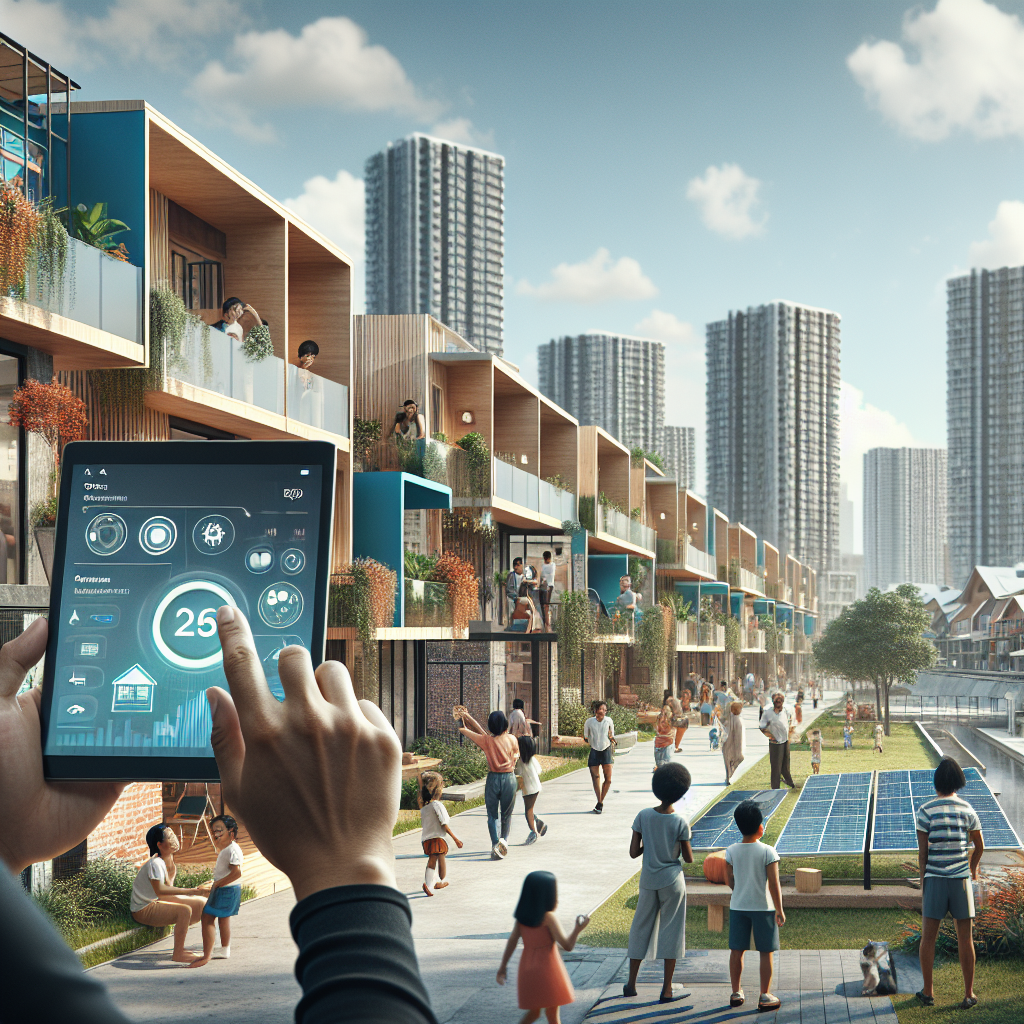
Smart home technologies have often been marketed toward high-end consumers, but their applications in affordable housing cannot be overlooked. Features like smart thermostats, energy-efficient lighting, and security systems can contribute significantly to cost savings for residents.
Smart thermostats, such as those developed by Nest or Ecobee, allow residents to control heating and cooling efficiently, minimizing energy usage and reducing utility bills. Similarly, smart lighting systems that utilize LED technology can further cut down electricity costs.
Safety and security are other critical aspects. Affordable housing units equipped with smart security cameras and access systems provide peace of mind for residents. These systems can be monitored remotely, adding layers of security that were previously unavailable in low-income housing.
The integration of these technologies not only makes homes more affordable in the long run but also enhances the living conditions of the residents, making affordable housing projects more appealing and sustainable.
Data Analytics and Urban Planning
Data analytics is proving to be a game-changer in urban planning and affordable housing projects. Through the use of big data and AI algorithms, planners can now make more informed decisions. This data-driven approach facilitates the optimization of resources, efficient project management, and the identification of suitable locations for affordable housing.
Platforms like GIS (Geographic Information Systems) analyze spatial data to identify patterns and trends in urban areas. These tools help planners assess factors such as accessibility to public transport, proximity to schools and healthcare facilities, and area crime rates. This comprehensive analysis ensures that affordable housing projects are strategically located in areas that best serve the needs of residents.
Furthermore, machine learning algorithms can predict future housing needs by analyzing extensive data sets. These predictions allow for proactive measures in urban planning, ensuring that affordable housing projects remain viable and sustainable in the long term.
By leveraging data analytics, we can improve the efficiency and effectiveness of affordable housing initiatives, making them more responsive to the needs of urban populations.
Government Policies and Technological Integration
Government policies play a crucial role in the implementation and success of affordable housing projects. These policies need to be adaptive to technological advancements to maximize their impact. For instance, zoning laws and building codes often lag behind the latest construction technologies, creating hurdles for their adoption in affordable housing projects.
Governments can foster innovation by updating these regulations to accommodate new construction techniques and materials. Grants and incentives for tech-driven affordable housing projects can also accelerate their completion and reduce costs.
Additionally, public-private partnerships can harness the strengths of both sectors. Collaborations with tech firms and construction companies can lead to the development and implementation of innovative solutions tailored to the unique challenges of affordable housing.
A conducive policy environment that embraces technological advancements can significantly enhance the outcomes of affordable housing projects, making them more effective in addressing the housing crisis.
Evolving Future Trends in Affordable Housing Technology
The future of affordable housing looks promising with several trends on the horizon. One such trend is the adoption of sustainable and energy-efficient technologies that reduce the environmental impact of housing units. Innovations such as solar panels, rainwater harvesting systems, and green roofs are increasingly being integrated into affordable housing designs.
Another promising trend is the use of blockchain technology in real estate transactions. Blockchain can streamline processes such as property registration, financing, and leasing, thereby reducing costs and increasing transparency and security.
In addition, the concept of co-living spaces is gaining traction. These shared living arrangements, equipped with smart technologies, provide affordable housing solutions while fostering community interaction and social inclusion.
As technology continues to evolve, it is crucial for stakeholders in the affordable housing sector to stay abreast of these trends and embrace them proactively. By doing so, we can create more inclusive, sustainable, and affordable housing solutions for the future.
Conclusion
Affordable housing is a pressing need, and technological advancements offer promising solutions to meet this demand efficiently and sustainably. From innovative construction materials and methods to smart home technologies and data-driven urban planning, technology is transforming the affordable housing landscape.
Governments, policymakers, and industry stakeholders must work collaboratively to embrace these innovations. By updating regulations, providing incentives, and fostering public-private partnerships, we can remove the barriers to technological integration in affordable housing.
As we look to the future, it is imperative to remain agile and adaptive to new trends and technologies. By doing so, we can ensure that affordable housing projects not only address the current needs of urban populations but also pave the way for a more equitable and sustainable future.
Ultimately, the integration of technology in affordable housing is more than just a cost-saving measure; it is a pathway to improving the quality of life for countless individuals and families. By leveraging these innovations, we can create homes that are not only affordable but also safe, comfortable, and environmentally friendly.
Frequently Asked Questions
1. How is technology reshaping the landscape of affordable housing?
Technology is playing a pivotal role in transforming how we approach affordable housing, offering innovative solutions to tackle various challenges that have traditionally hindered progress in this area. One of the most significant technological advancements is in the realm of construction techniques and materials. For example, prefabrication and modular construction are becoming increasingly popular. These methods allow for housing units to be built off-site in a controlled environment, which significantly reduces construction time and costs. The final modules can quickly be assembled on the building site, speeding up the process of providing affordable homes to those in need.
Moreover, the introduction of 3D-printed homes offers an exciting avenue to reduce material costs and construction waste while also shortening the time it takes to build new housing units. 3D printing in construction is still in its nascent stages but shows great promise for future developments. Additionally, advancements in smart home technologies can reduce energy costs, making homes more sustainable and affordable in the long term.
Technology also aids in overcoming bureaucratic and logistical challenges. For instance, digital platforms can streamline the application process for affordable housing candidates, ensuring that the allocation is efficient and fair. Overall, technology serves as a critical lever in modernizing and optimizing the resources needed to develop and sustain affordable housing projects.
2. What are some innovative construction materials being used for affordable housing?
In the quest to make affordable housing more accessible and sustainable, the construction industry is exploring a variety of innovative materials. One notable material is Cross-Laminated Timber (CLT), which is gaining traction due to its strength, sustainability, and lower carbon footprint compared to traditional building materials like concrete and steel. CLT panels are prefabricated and assembled on-site, similar to LEGO blocks, which streamlines the construction process and saves time.
Another groundbreaking material is Hempcrete, a bio-composite made from the inner fibers of the hemp plant mixed with a lime-based binder. Hempcrete is lightweight, durable, and provides excellent insulation, making it ideal for reducing energy consumption in homes. Moreover, its composition is environmentally friendly and contributes to better indoor air quality.
Recycled and repurposed materials are also seeing increased use. Materials like recycled steel and plastic bricks help in diverting waste from landfills and reducing the overall environmental impact of building projects. These innovative materials not only contribute to sustainability but also enable more cost-effective building solutions, crucial for the viability of affordable housing developments.
3. How can technology address the issue of energy efficiency in affordable housing?
Energy efficiency is a critical aspect of affordable housing because it directly impacts the cost of living for residents. The integration of technology into home designs and systems can significantly enhance energy efficiency in affordable housing units. One way technology contributes is through the use of smart home systems, which allow residents to monitor and control their energy usage in real time. Smart thermostats, for example, learn a user’s habits and adjust heating and cooling patterns to optimize energy consumption, leading to lower utility bills.
Smart lighting systems can also drastically reduce electricity usage. By using motion detectors, these systems ensure that lights are only on when necessary. Additionally, advancements in solar panel technology have made it more feasible to integrate solar energy systems into affordable housing projects. These systems can provide clean energy solutions that reduce dependency on traditional power grids.
Another significant technology-driven development is the integration of high-efficiency heating, ventilation, and air conditioning (HVAC) systems designed to use less energy while maintaining optimal living conditions. Furthermore, building designs are increasingly incorporating passive solar designs, which maximize natural light and heat to reduce energy consumption. Collectively, these technologies play a vital role in making affordable housing not just more financially accessible but also more sustainable and livable in the long term.
4. What role do government policies play in the implementation of technology in affordable housing?
Government policies are crucial in facilitating the adoption of technology in affordable housing. Governments can create favorable conditions for innovation by offering incentives such as tax breaks, grants, and subsidies for developers and homeowners who utilize sustainable practices and technologies in their building projects. Policymakers can set building codes and standards that encourage or require the use of energy-efficient technologies and sustainable materials.
Moreover, governments can invest in research and development initiatives to advance technological solutions specifically targeted at affordable housing. By collaborating with tech companies, academia, and non-profit organizations, policymakers can foster a robust ecosystem that accelerates innovation in this crucial sector.
Beyond financial and regulatory measures, governments can lead by example, incorporating tech-driven solutions in public housing projects. Such initiatives demonstrate the feasibility and benefits of integrating technology in affordable housing, thus paving the way for wider adoption across both public and private sectors. Additionally, policy frameworks that streamline approval processes and reduce bureaucratic hurdles contribute significantly to the timely implementation and scaling up of technological innovations in affordable housing ventures.
5. How does technology impact the logistics and management of affordable housing projects?
Technology significantly enhances the logistics and management of affordable housing projects by improving efficiency, transparency, and coordination across multiple stakeholders involved in these initiatives. Project management software platforms enable seamless collaboration between architects, contractors, suppliers, and government officials, allowing for real-time updates and adjustments to project timelines and budgets. These platforms help keep projects on schedule and within budget, mitigating some of the common challenges associated with affordable housing projects.
Technology also plays a crucial role in supply chain management for construction materials. Advanced software solutions can predict demand, manage inventory, and optimize delivery schedules, ensuring that materials are available when needed without any costly delays. Furthermore, digital platforms streamline the procurement process, fostering competitive pricing and reducing the financial burden on housing projects.
When it comes to managing existing affordable housing units, technology aids in maintenance and operations. Property management solutions allow for the efficient tracking of maintenance requests, tenant communication, and lease management, providing residents with high-quality service and maintaining the integrity of housing units over time. By effectively leveraging technology, stakeholders can overcome logistical challenges and maximize the impact of affordable housing efforts, ultimately improving accessibility and quality of life for residents.


