Sustainable urban transportation is the coordinated movement of people and goods through cities in ways that cut emissions, improve safety, expand access, and support economic life without exhausting public budgets or public space. In practice, it means designing streets, vehicles, land use, pricing, and digital systems so that walking, cycling, public transit, shared mobility, and cleaner freight work together rather than competing for the same limited road capacity. I have worked on transport content and planning briefs where the biggest lesson was simple: congestion is rarely a single-road problem. It is usually a systems problem shaped by housing patterns, job locations, service frequency, curb management, and the true cost of driving.
The topic matters because urban transportation sits at the intersection of climate policy, public health, social equity, and city competitiveness. Transport accounts for a major share of urban greenhouse gas emissions, while traffic injuries remain one of the leading causes of death for younger people worldwide. At the same time, the way a city moves determines whether residents can reach jobs, schools, parks, and healthcare within reasonable time and cost. A sustainable approach does not mean banning cars or forcing one travel mode on everyone. It means giving people practical, affordable alternatives and making the most efficient choices the easiest ones for most trips.
Key terms help frame the discussion. Mode share is the percentage of trips taken by each travel mode, such as transit, walking, cycling, or private car. Vehicle miles traveled measures total distance driven and is a core indicator of traffic exposure and emissions. Transit-oriented development refers to compact, mixed-use growth around high-quality public transport. Micromobility includes bikes, e-bikes, and scooters for short trips. Complete streets is the design principle that roads should safely serve users of all ages and abilities, not only motorists. Demand management covers policies like parking reform, road pricing, and employer commuting programs that reduce unnecessary car travel.
For a hub article under urban mobility and transportation, the goal is to connect these pieces. Sustainable urban transportation is not one project, one technology, or one political slogan. It is a portfolio of strategies that reinforce each other over time. Reliable buses become more useful when land use allows housing near corridors. Protected bike lanes perform better when intersections are redesigned and bike parking is secure. Electric buses deliver more value when transit agencies also improve speed and frequency. The sections below outline the practical strategies cities use, the tradeoffs that matter, and the solutions most likely to produce durable results.
Build a balanced network around walking, cycling, and public transit
The most effective sustainable transportation strategy is to build a connected network that prioritizes the lowest-cost, lowest-emission modes for the trips they serve best. Walking is the foundation because every trip starts or ends on foot. Cities improve walkability through wider sidewalks, shorter crossing distances, better lighting, universal accessibility, shade, and traffic calming. Small upgrades matter. In corridor audits I have reviewed, a missing curb ramp or a two-minute signal delay often explained why residents drove even short distances. Safe, direct pedestrian routes increase transit ridership because they reduce the friction of reaching stops.
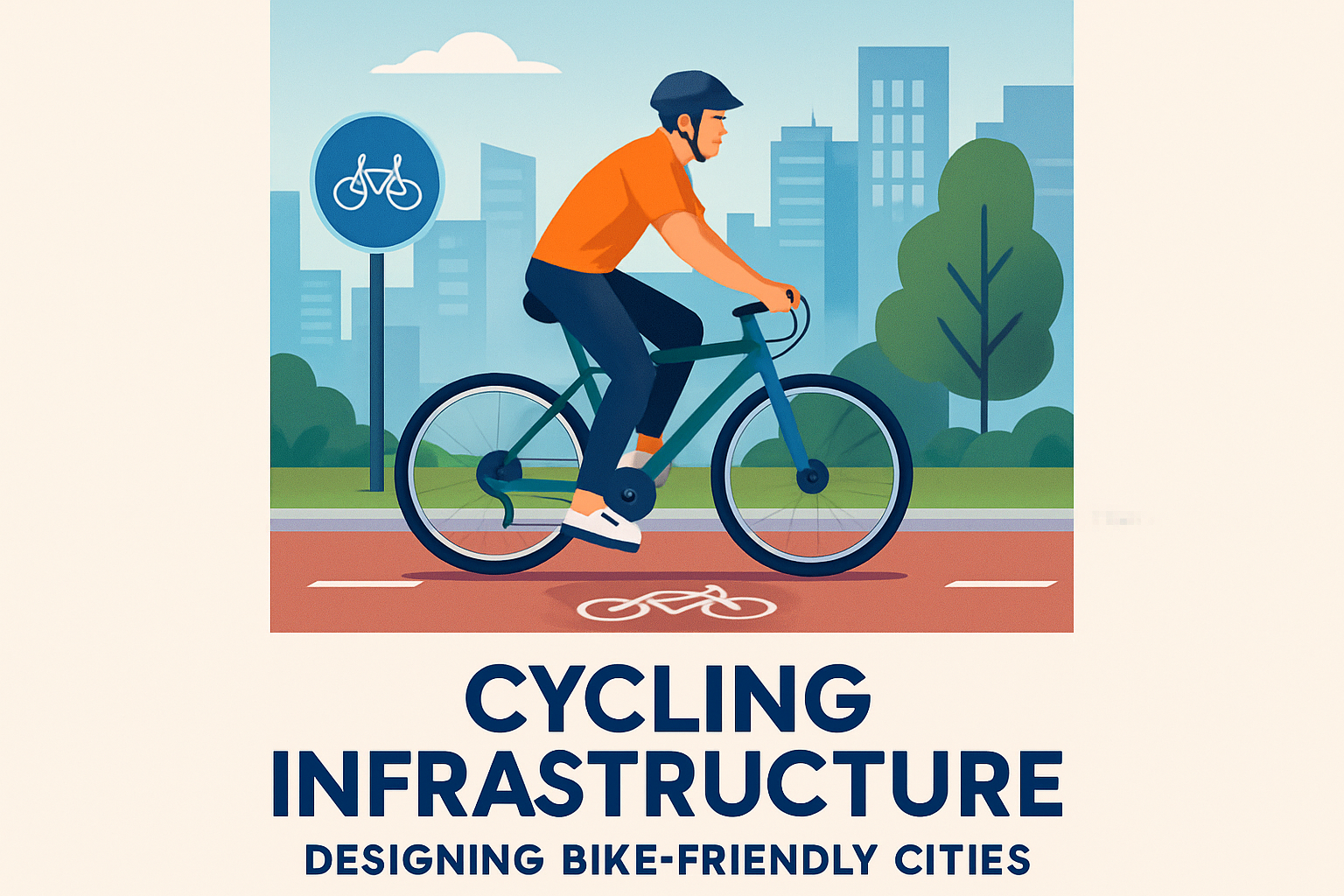
Cycling and micromobility expand the range of low-carbon travel, especially for trips between one and five miles. The key is protection and continuity. Painted lanes on fast roads do little for risk-averse riders. Protected lanes, low-traffic neighborhood streets, secure parking, and clear intersection treatments are what shift mode share. Cities such as Paris and Seville demonstrated that ridership rises quickly when networks feel coherent rather than fragmented. E-bikes have widened the potential user base by making hills, heat, age, and longer commutes less of a barrier, which is why planners increasingly treat them as a serious transport mode instead of a niche device.
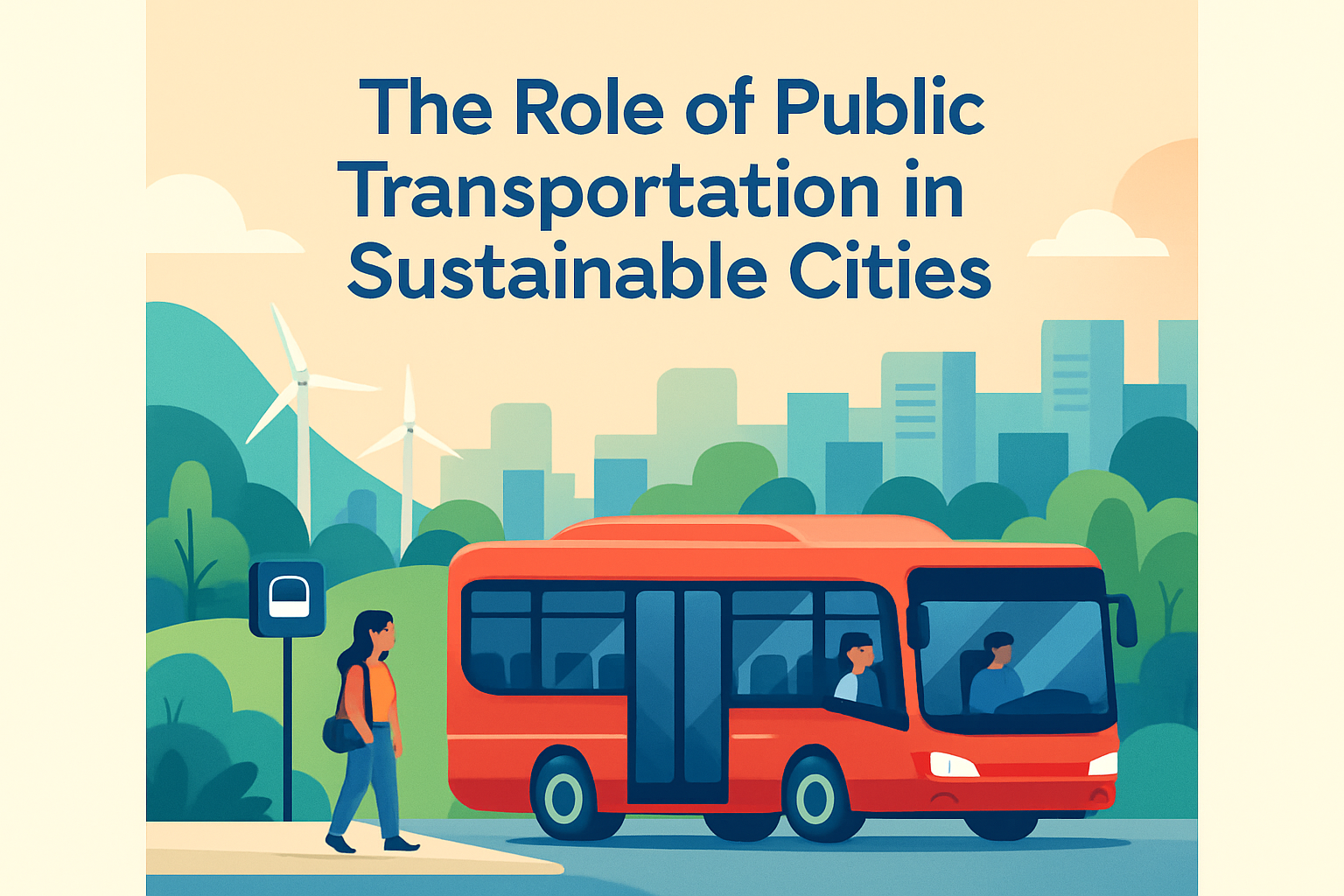
Public transit remains the backbone for moving large numbers of people efficiently. Buses carry the most riders in many cities because they are cheaper to deploy than rail and can be upgraded quickly through bus rapid transit features like dedicated lanes, off-board fare collection, platform-level boarding, and signal priority. Rail can provide higher capacity and development certainty on the strongest corridors, but it is not automatically the most sustainable choice if capital costs crowd out service improvements elsewhere. Frequency, reliability, span of service, and easy transfers matter more to riders than whether a vehicle runs on tires or steel wheels.
| Strategy | Primary Benefit | Best Use Case | Main Limitation |
|---|---|---|---|
| Protected bike lanes | Low-cost emissions reduction and safer short trips | Dense corridors and neighborhood connectors | Needs network continuity to scale |
| Bus rapid transit | Fast implementation and high person-throughput | Busy arterial routes with bus demand | Requires lane priority enforcement |
| Light rail or metro | High capacity and strong development signal | Very high-demand corridors | High capital cost and long delivery time |
| Pedestrian upgrades | Universal access and safer local travel | Station areas, schools, retail streets | Benefits diffuse across agencies and budgets |
Integrated networks outperform isolated investments. A protected lane that ends at a dangerous intersection loses users. A fast bus corridor without sidewalks or shade underperforms in hot climates. A rail station surrounded by parking lots instead of mixed-use development captures fewer all-day trips. The hub principle is simple: cities should think in door-to-door journeys, not separate projects. When streets, stations, fares, and land use are coordinated, sustainable urban transportation becomes convenient enough to compete with private driving on time, comfort, and cost for a large share of daily trips.
Use land use, street design, and pricing to reduce unnecessary car dependence
Transportation outcomes are shaped as much by urban form as by vehicles. If homes, jobs, schools, and daily services are spread far apart, car dependence rises even when a city adds transit. That is why compact, mixed-use development near frequent transit is central to sustainability. Transit-oriented development concentrates housing and commerce around stations and high-frequency bus corridors, which shortens trips and improves the financial performance of transit service. It also lowers household transportation costs. In many metropolitan regions, car ownership is the second-largest household expense after housing, and location decisions can lock families into that burden for years.
Street design determines whether people feel safe choosing alternatives. Wide lanes, high corner radii, and long crossing distances invite speed and increase crash severity. Traffic calming, protected intersections, raised crossings, and lower urban speed limits directly reduce injury risk. The Safe System approach, used by many transport agencies, starts from the premise that human error is inevitable and roads must be designed so mistakes do not become fatal. This is not anti-driver policy. It is evidence-based risk management. Slower turning speeds and clearer sightlines protect pedestrians, cyclists, delivery workers, and motorists alike.
Pricing is often politically difficult but operationally powerful. Free or underpriced parking encourages driving because it hides the true cost of storing vehicles on valuable urban land. Parking reform can include market-based curb pricing, eliminating minimum parking requirements, residential permits, and converting some curb space to bus lanes, loading zones, parklets, or bike corrals. Congestion pricing goes further by charging for access to the busiest areas at the busiest times. London, Stockholm, and Singapore showed that when pricing is paired with strong transit alternatives, traffic falls, travel times improve, and bus reliability increases. The policy works because it manages scarce road space rather than trying to build enough lanes for peak demand, which cities rarely can do.
Employer commute benefits and school travel planning also influence demand. Subsidized transit passes, secure bike facilities, remote work options, and flexible schedules spread peak loads and reduce parking demand. Freight loading windows and digital curb reservations can cut double-parking on commercial streets. These are not glamorous interventions, but they often deliver measurable gains quickly. Sustainable urban transportation succeeds when cities stop treating congestion purely as an engineering problem and start managing access, timing, and space with the same discipline they apply to water, energy, or broadband networks.
Decarbonize vehicles and freight without ignoring operations
Vehicle electrification is essential, but it is not a complete strategy on its own. Battery electric buses, delivery vans, taxis, and private cars can sharply reduce local air pollution and lower lifecycle emissions when grids become cleaner. Transit agencies increasingly adopt electric buses because they cut tailpipe emissions in neighborhoods with heavy bus activity and can reduce maintenance for certain components. Yet fleet transition depends on depot charging, utility coordination, route scheduling, workforce training, and battery replacement planning. I have seen agencies announce electric bus targets before resolving charger capacity or dwell time assumptions, which is why operations planning matters as much as procurement.
Freight deserves special attention because cities rely on it constantly, while residents mostly notice it when trucks block lanes or idle at the curb. Urban freight sustainability means using cleaner vehicles, but also better logistics. Consolidation centers, cargo bikes for last-mile deliveries, designated loading zones, off-peak delivery programs, and route optimization software can reduce congestion and emissions significantly. European cities have shown that cargo bikes are highly effective for parcels, food, and service calls in dense districts because they avoid parking delays and use less space. For heavier goods, electric trucks and low-emission zones are becoming more common, though charging infrastructure and vehicle cost remain barriers.
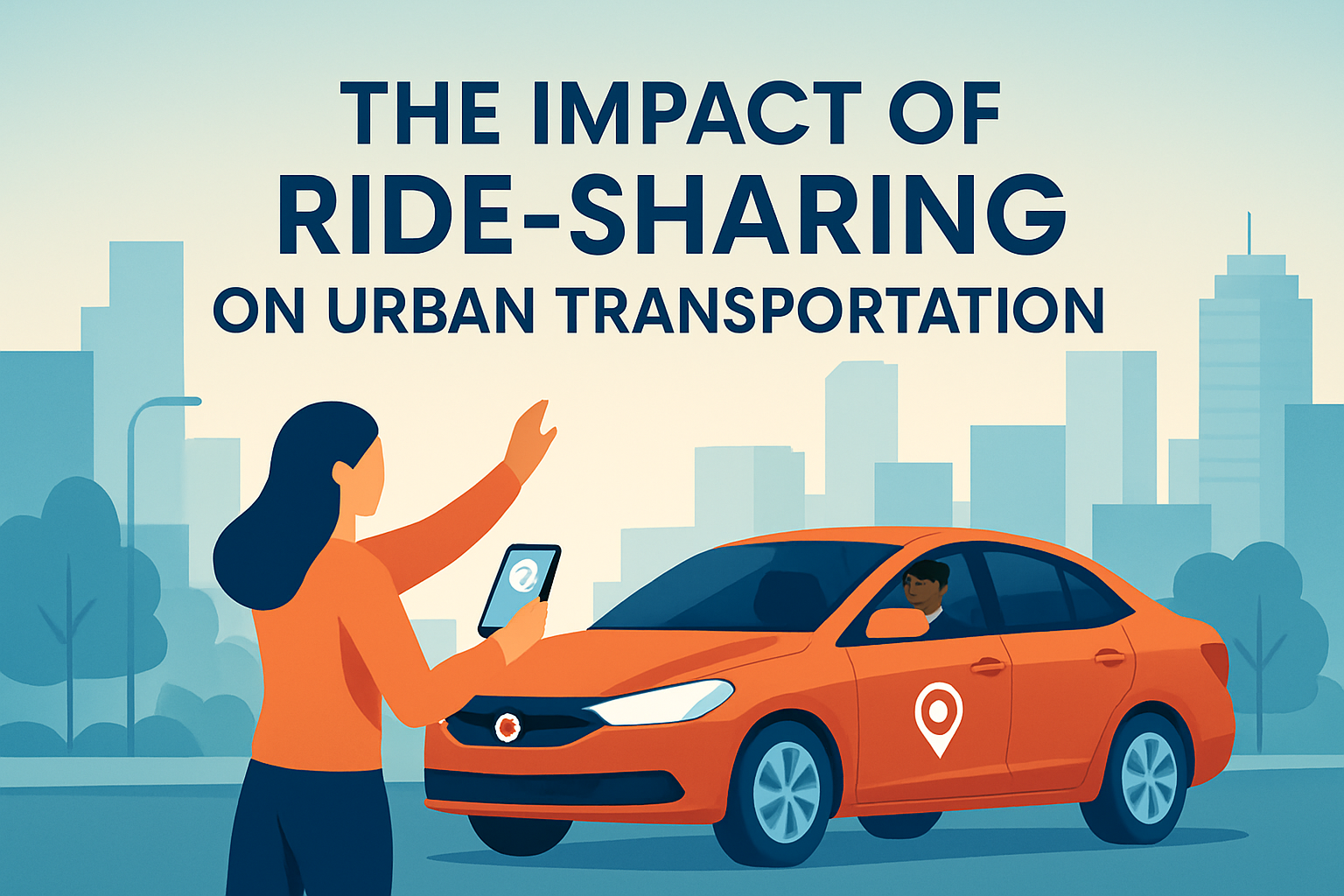
Shared mobility can complement decarbonization if cities regulate it well. Car-share services reduce the need for private vehicle ownership in some neighborhoods, especially when paired with good transit. Ride-hailing, by contrast, can increase vehicle miles traveled if it substitutes for walking, cycling, or transit. The sustainable approach is not to assume every app-based service is beneficial. Cities need data-sharing agreements, pickup and drop-off management, wheelchair-accessibility requirements, and integration with public transport goals. Electrifying ride-hail fleets is valuable, but it does not erase congestion if those vehicles spend long periods circulating empty.
The strongest results come from combining cleaner vehicles with fewer unnecessary trips and better use of each vehicle. A diesel bus stuck in traffic is inefficient, but an electric bus stuck in the same traffic still wastes time and operating resources. A city that electrifies cars yet continues to expand low-density development may cut tailpipe pollution while preserving congestion, crash exposure, and high infrastructure costs. Sustainable urban transportation therefore treats electrification as one pillar within a broader system that prioritizes efficiency, occupancy, and network performance.
Make the system equitable, data-driven, and resilient
Equity is not a side issue in transportation planning. It is a test of whether the system actually serves the people who depend on it most. Lower-income households, older adults, people with disabilities, shift workers, and residents in outer neighborhoods often have the fewest choices and the longest travel times. A sustainable system addresses this through affordable fares, accessible stations, frequent all-day service, safe walking routes, and participatory planning that reaches beyond the loudest voices at public meetings. Equity analysis should examine who benefits, who bears disruption during construction, and whether investment patterns reinforce historic disinvestment.
Data helps cities move from assumptions to evidence. Common metrics include person-throughput, travel time reliability, injury rates, transit on-time performance, access to jobs within a given travel time, curb turnover, and emissions per passenger mile. Tools such as GTFS feeds, automatic passenger counters, traffic signal data, and GIS accessibility models allow agencies to identify where service gaps actually exist. Good data governance matters too. Privacy safeguards, standardized definitions, and transparent dashboards build trust and improve coordination across transport, planning, police, public works, and public health departments.
Resilience is becoming more urgent as heat, flooding, storms, and power disruptions affect urban networks. Stations need drainage and backup systems. Sidewalks and bike lanes need shade and materials that can handle extreme temperatures. Transit agencies need contingency plans for fuel supply, battery charging, and communications during outages. Redundancy is often dismissed as inefficiency until a climate event shuts down a key corridor. Cities with multiple travel options recover faster because riders can reroute on foot, by bike, or through parallel transit lines when one mode fails.
The core lesson is that sustainable urban transportation is a governance challenge as much as a technical one. Agencies need stable funding, clear accountability, and the discipline to evaluate outcomes after projects open. Start with a corridor, measure safety and travel times, refine the design, and scale what works. If your city is building this hub of urban mobility and transportation knowledge, use it to connect policy, design, operations, and community needs into one practical agenda. The benefit is not abstract sustainability. It is a city that is cleaner, safer, more affordable, and easier to move through every day. Explore the linked subtopics, compare strategies, and identify the next project your community can deliver now.
Frequently Asked Questions
What is sustainable urban transportation, and why does it matter for cities?
Sustainable urban transportation is the planning and operation of city travel systems in ways that move people and goods efficiently while reducing pollution, improving safety, strengthening access to jobs and services, and making better use of limited public space and public funds. Rather than relying almost entirely on private cars, it combines walking, cycling, public transit, shared mobility, cleaner vehicles, smart freight management, and supportive land-use planning into one connected system. The goal is not simply to replace one vehicle type with another, but to give people practical, affordable, low-emission choices for everyday trips.
This matters because cities face multiple pressures at once: traffic congestion, poor air quality, rising infrastructure costs, road injuries, climate targets, and unequal access to opportunity. A car-dominated system consumes large amounts of land for roads and parking, costs households more, and often leaves children, older adults, low-income residents, and people with disabilities with fewer safe travel options. Sustainable transportation helps cities respond to these challenges by shifting short trips to walking and cycling, making transit more reliable and attractive, improving street design, and using pricing and technology more intelligently. The result is often a city that is cleaner, safer, more productive, and more inclusive.
What are the most effective strategies cities can use to build a sustainable transportation system?
The most effective strategies usually come from combining infrastructure, policy, service design, and land-use decisions rather than depending on a single solution. High-impact measures include investing in frequent and reliable public transit, building safe and connected pedestrian and cycling networks, redesigning dangerous streets, and making transfers between modes simple and predictable. Bus priority lanes, protected bike lanes, wider sidewalks, accessible crossings, and well-designed transit stations often deliver strong results because they improve everyday travel for large numbers of people, not just peak-hour commuters.
Cities also benefit from transportation demand management tools such as parking reform, congestion pricing, low-emission zones, employer commute programs, and fare integration across transit services. These strategies help manage scarce road space and encourage shifts toward more efficient modes. Equally important is land-use planning: when housing, jobs, schools, and services are located near high-quality transit and within walkable neighborhoods, residents can make more trips without needing a private car. In practice, the strongest urban transportation plans are coordinated across agencies and include clear goals, measurable performance indicators, stable funding, and community engagement so that improvements are both technically sound and publicly supported.
How can public transit, walking, and cycling work together instead of competing?
They work best when cities treat them as complementary parts of a single mobility network. Walking is the foundation of nearly every trip because people walk to bus stops, train stations, shops, schools, and workplaces. Cycling extends the practical reach of local travel and can connect neighborhoods to major transit corridors faster than local driving in many dense urban areas. Public transit then carries larger numbers of people efficiently over medium and long distances, especially where road space is constrained. When these modes are planned together, they reduce dependence on private cars and make the whole transport system more resilient.
In practical terms, integration means safe sidewalks leading to stations, protected bike access, secure bike parking, bike-share near transit stops, coordinated schedules, integrated fares, real-time passenger information, and station areas designed for easy transfers. It also means avoiding street designs that force one sustainable mode to undermine another. For example, bus lanes should not disappear at intersections, and bike facilities should not be treated as leftover space. A well-designed corridor can prioritize buses for speed, protect cyclists from traffic, and still improve crossings for pedestrians. The key principle is that each mode serves different trip types, and a city gains the most when residents can combine them seamlessly.
What role do technology and cleaner vehicles play in sustainable urban transportation?
Technology and cleaner vehicles are important, but they are most effective when they support broader system goals rather than substitute for them. Electric buses, delivery vans, and shared vehicles can significantly reduce local air pollution and greenhouse gas emissions, especially when paired with cleaner electricity generation. Intelligent transport systems, signal priority for buses, traffic management platforms, integrated payment systems, and real-time data can improve reliability, reduce delays, and make journeys easier to plan. Digital tools can also help cities manage curb space, freight deliveries, parking, and shared mobility services more efficiently.
That said, technology alone will not solve congestion, road danger, or excessive land consumption if cities continue to prioritize low-occupancy car travel. An electric car still occupies road space and requires parking. The most sustainable approach is to electrify and modernize the modes that use urban space most efficiently, especially public transit and freight fleets, while also expanding walking, cycling, and shared travel options. Cities should evaluate technology based on public outcomes such as safety, access, affordability, emissions reduction, and operational efficiency. In other words, the question is not whether a tool is innovative, but whether it helps more people move well with less environmental and spatial impact.
How can cities measure whether their sustainable transportation policies are actually working?
Cities should track performance through a balanced set of indicators that reflect mobility, safety, environmental outcomes, equity, and economic value. Useful measures include transit ridership, travel times, reliability, mode share, sidewalk and bike network coverage, traffic injuries and fatalities, emissions levels, local air quality, freight delivery efficiency, household transportation costs, and access to jobs and essential services within a reasonable travel time. Looking at only one metric, such as average vehicle speed, can be misleading because it may reward traffic flow for cars while ignoring broader public goals.
Strong evaluation also depends on disaggregated data. Cities need to understand how outcomes differ by neighborhood, income level, age, disability status, and time of day. A policy is not truly successful if it improves travel for some residents while leaving others behind. Before-and-after studies, pilot projects, public surveys, and open performance dashboards can all help decision-makers understand what is working and where adjustments are needed. The best transportation programs use evidence continuously: they test changes, monitor results, refine designs, and stay focused on whether the system is becoming safer, cleaner, more accessible, and more financially sustainable over time.