The concept of smart cities is redefining urban living with its blend of advanced technology, sustainable development, and improved quality of life. This transformation not only impacts day-to-day activities for residents but also significantly influences various industries, including tourism. As cities around the world adopt smart technologies, they are becoming dynamic, interactive spaces that attract visitors for business and leisure. Smart cities leverage data and technology to enhance public services, improve transportation efficiency, and create innovative experiences for tourists. As this trend continues to grow, it’s crucial to understand the impact of smart cities on tourism.
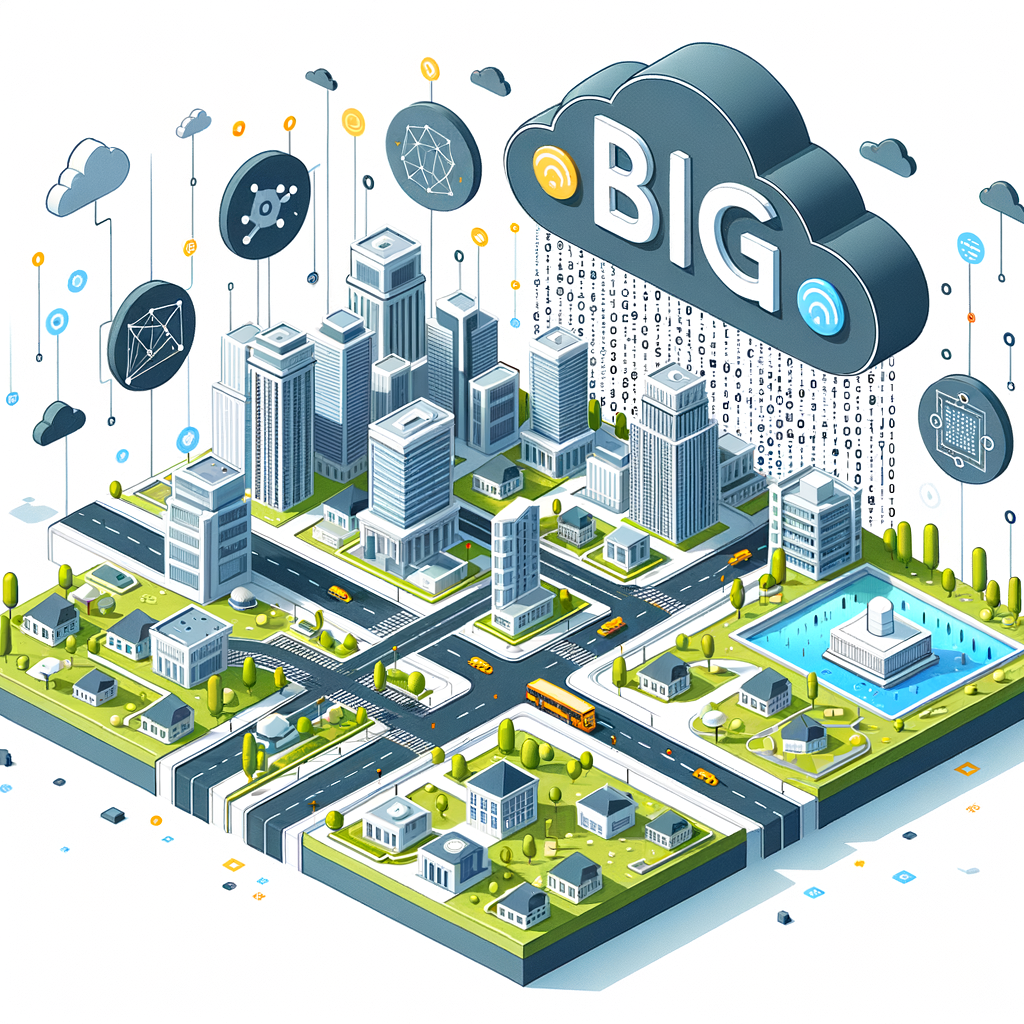
Smart cities utilize the Internet of Things (IoT), big data, and smart grids to offer enhanced services and seamless connectivity. Tourists benefit from the improved infrastructure, sustainability, and a focus on personalized experiences. By leveraging technological advancements, cities are more than just destinations; they become interactive landscapes that entice and engage tourists. This has huge implications for local economies, cultural exchange, and the future of travel. Smart cities have the potential to redefine how tourists experience urban landscapes by making it easier, safer, and more exciting to explore while ensuring that the city’s resources are being used effectively.
In this article, we’ll delve into how smart cities impact tourism. We’ll explore the infrastructural enhancements, the role of technology in personalization, and sustainable practices that attract conscious travelers. We’ll also discuss challenges faced and future prospects for both smart city development and the tourism sector, providing a comprehensive overview of the profound effects and potential of this growing intersection.
Infrastructure Improvements
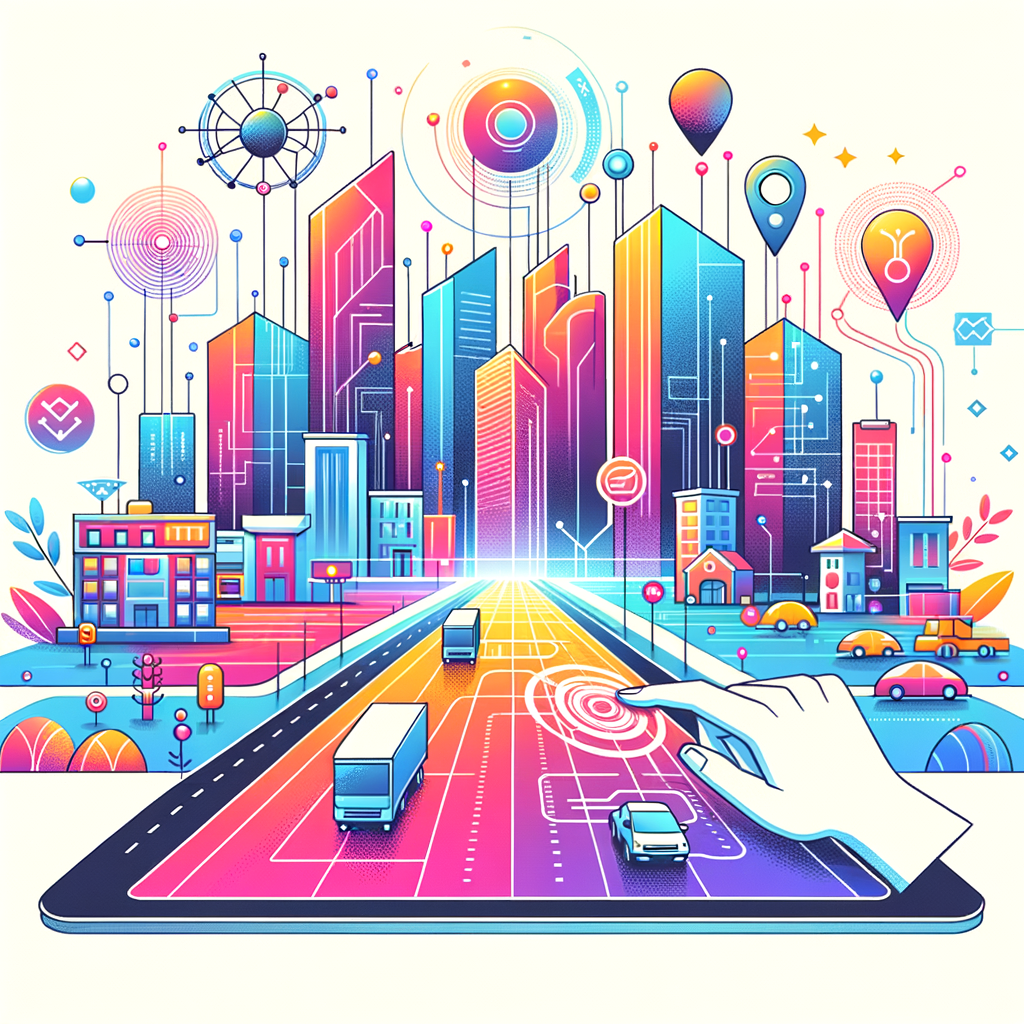
One of the most noticeable impacts of smart cities on tourism is the enhanced infrastructure. Smart cities focus on improving transportation systems, energy efficiency, and waste management, among other services that directly affect the tourism experience. Advanced public transportation systems incorporating IoT technologies allow for real-time tracking, making it easier for tourists to navigate cities efficiently. Whether it’s smart buses providing Wi-Fi connectivity and real-time updates or autonomous vehicles offering tours, the convenience is undeniable. This not only increases the ease of movement throughout the city but also reduces the stress and uncertainty visitors may experience when navigating a new place.
Infrastructure improvements extend beyond transportation. Smart lighting systems enhance safety and transform urban landscapes, making them more welcoming to tourists. For instance, energy-efficient LEDs embedded with sensors detect activity levels and adjust illumination accordingly. Such advancements ensure well-lit paths in tourist-heavy areas, enhancing both safety and ambience. Moreover, these lights often double as communication nodes, providing cellular connectivity that augments tourist experiences with interactive guides and emergency communication capabilities.
Accommodation, an essential aspect of tourism, benefits considerably within smart cities. Hotels and other lodging services integrate smart technologies such as automated check-in/check-out procedures, personalized room settings, and mobile-operated keys. These features elevate the comfort level for tourists, offering them seamless and personalized experiences. Further, smart waste management ensures cleaner, more pleasant environments for visitors, thereby enhancing the city’s overall image as a tourist destination. As a result, travelers are drawn to cities that not only promise adventure and attractions but also maintain high living standards through intelligent urban planning.
Technological Personalization
Smart cities provide opportunities for highly personalized tourism experiences through the use of advanced technology. The data collected via various smart city infrastructures allows for a deep understanding of tourist behaviors and preferences. This information is utilized to craft tailored experiences that make visits memorable. Mobile applications that guide tourists based on their interests have emerged as powerful tools. Utilizing location data, these applications offer real-time suggestions about nearby landmarks, historical sites, dining options, and entertainment venues aligned with individual preferences. This personalization enhances tourist engagement with the city and its culture, leading to more satisfying travel experiences.
Virtual and Augmented Reality (VR and AR) technologies are also being implemented within smart cities. These technologies provide immersive experiences that deepen tourist engagement by bringing to life historical narratives or architectural insights through their devices. For example, museums and historical sites offer AR-enabled tours that allow tourists to experience scenes from the past or explore artifacts in a 3D space, adding an interactive layer to the traditional visitor experience. Such innovations not only make visits more exciting but also facilitate educational tourism by enhancing learning experiences.
Moreover, smart city technologies ensure accessibility for all tourists, including those with disabilities. Smart technologies such as navigation apps tailored for individuals requiring mobility assistance, real-time sign language translation, and audio guides integrated with city infrastructure make cities more inclusive. These digital aids are crucial in making travel possible and enjoyable for everyone, thus broadening the demographic of tourists who can appreciate the city’s offerings. Expanding tourism inclusivity through technology not only enhances visitor experiences but also significantly elevates the city’s reputation as a forward-thinking, inclusive destination.
Sustainability Initiatives
A critical mission of smart cities is promoting sustainability, a priority that greatly influences tourism appeal. As environmental concerns become more central to travel decisions, cities incorporating green technologies position themselves as leaders in sustainable tourism. Renewable energy resources, such as solar or wind power, decrease the carbon footprint of tourist attractions and accommodations, appealing to eco-conscious travelers. Smart grids and energy-efficient infrastructure contribute to minimizing waste and preserving resources, allowing tourists to enjoy the city guilt-free.
In addition to energy efficiency, smart cities often implement water conservation programs and waste reduction strategies. These efforts are essential as they preserve local natural resources while maintaining cleanliness and hygiene standards crucial for tourism. Tourists are increasingly interested in destinations that demonstrate eco-friendly policies, and smart cities cater to this demand by fostering environments that support sustainable travel practices. Visitors can engage in activities like eco-tours that showcase sustainability, offering a unique blend of enjoyment and environmental responsibility.
Smart cities’ efforts to improve air quality and reduce pollution also attract health-conscious travelers. By utilizing data to regulate traffic flow or developing green spaces to counteract urban pollution, these cities promote healthier urban living. Cleaner air and well-maintained recreational areas enhance tourist satisfaction and provide peaceful retreats within bustling urban environments. Due to these benefits, smart cities are fast becoming hotspots for tourism, blending environmental stewardship with urban exploration in ways that meet the evolving expectations of modern travelers.
Challenges and Future Prospects
Despite the numerous advantages smart cities offer to tourism, there are challenges to their implementation and success. Financial constraints often hinder the comprehensive development of smart city projects, as establishing the necessary infrastructure demands significant investment. Budget limitations, particularly in developing countries, make it challenging to construct smart cities from the ground up or retrofit existing urban areas with suitable technologies. However, public-private partnerships offer a viable solution, enabling collaboration between government entities and tech companies to share the financial burden and expertise needed to realize smart tourist-city projects.
Privacy concerns also pose a significant challenge. The widespread collection and use of data to enhance city services and personalize experiences may be perceived as intrusive or vulnerable to security threats. Tourists must have assurances that their data is handled with care and protected from unauthorized access. Establishing robust cybersecurity measures and transparent data utilization policies is crucial in creating trust among visitors. Building such frameworks ensures that the benefits of smart technology are experienced without compromising personal privacy or safety.
Looking forward, smart cities have the potential to revolutionize tourism further. As technologies evolve, opportunities abound for even more sophisticated personalization, sustainability, and inclusivity in tourism. Innovations in artificial intelligence may soon provide unprecedented insights into visitor patterns, enabling more efficient resource allocation and enhanced visitor satisfaction. Moreover, as global environmental awareness increases, smart cities will spearhead eco-friendly tourism, promoting responsible travel practices and sustainable urban development.
The future of smart cities in tourism seems bright, with exponential improvements expected to draw more tourists worldwide into immersive, efficient, and sustainable urban experiences. Cities that embrace these technologies will likely establish themselves as prime destinations, redefining not just what travelers seek but also the way they experience destinations.
Conclusion
The integration of smart city features has a profound impact on tourism, transforming urban spaces into destinations designed for ease, engagement, and sustainability. Infrastructure advancements and technologic personalizations foster environments where tourists can navigate efficiently, have customized experiences, and engage interactively with the cityscape. Through sustainable practices, smart cities appeal to environmentally conscious travelers, creating a harmonious balance between tourism and environmental preservation. These facets combine to create a magnetic appeal for tourists who seek not only excitement but also innovation and responsibility within their travel destinations.
While challenges exist, notably regarding financial and privacy concerns, smart cities and tourism present a powerful symbiotic relationship with great potential for growth. Proper management and security can alleviate these concerns, setting the stage for a new era of urban tourism where cities are not just backdrops for visits but active participants in the tourism experience. This relationship not only amplifies the attractiveness of destinations but also pushes forward the tourism industry as a whole, driving economic growth, fostering cultural exchange, and enabling sustainable development. As smart technologies continue to evolve, the impact on tourism will likely deepen, offering even richer, more efficient, and environmentally sound travel experiences.
Ultimately, smart cities stand as the blueprint for future tourist destinations — thriving ecosystems where innovation enhances human experiences and travelers are limited only by their imagination. In this convergence of technology and tourism, the future holds endless possibilities for cities to engage with visitors more profoundly and creatively, establishing themselves as frontiers of modern tourism.
Frequently Asked Questions
1. What exactly are smart cities, and how do they impact tourism?
Smart cities represent urban areas that use advanced technologies, such as the Internet of Things (IoT), big data, artificial intelligence (AI), and other innovative digital solutions to improve the quality of life for residents and visitors alike. They focus on sustainable infrastructure, efficient resource management, and enhancing the accessibility and delivery of services. By integrating these technologies, smart cities become more attractive destinations for tourists in various ways. For instance, smart cities offer enhanced transportation systems, like electric buses, smart parking solutions, and real-time traffic updates, making it easier and more convenient for tourists to navigate. Tourists can also access comprehensive city information through mobile apps, interactive kiosks, or digital tourist guides. These capabilities provide a seamless and enjoyable experience, ensuring visitors can spend more time exploring attractions or enjoying local culture.
2. How does smart technology improve the safety and security of tourists in smart cities?
Safety and security are primary concerns for tourists when visiting a new place, and smart cities harness technology to enhance these aspects significantly. Surveillance systems equipped with smart cameras, predictive analytics, and AI are used to monitor and mitigate potential threats or criminal activities in real-time. Moreover, smart street lighting improves visibility and safety at night by automatically adjusting brightness based on pedestrian movement. Beyond physical security, smart cities implement advanced cybersecurity measures to protect the digital information of tourists using citywide networks for services. Emergency response systems are also augmented with data-driven insights to respond faster and more efficiently in crises. Consequently, this tech-enhanced safety infrastructure helps create an environment where tourists feel secure and can focus more on enjoying their travels.
3. In what ways do smart cities contribute to sustainable tourism?
Sustainability is a core component of smart city planning and operation. Smart cities strive to reduce their carbon footprint by implementing green technologies, which undoubtedly extend to tourism. These cities employ renewable energy sources, efficient waste management systems, and eco-friendly transportation options. Tourists visiting smart cities are encouraged to use green public transportation, such as electrically powered buses or e-scooters, reducing their travel emissions. Additionally, smart technology enables data collection on tourist patterns and behaviors to optimize the environmental management of popular spots, preventing overcrowding and overuse of resources. Moreover, smart cities often promote and support local businesses that adopt sustainable practices, giving tourists options to make conscious choices in dining, shopping, or entertainment. Altogether, smart cities offer a touring experience that aligns with environmentally friendly values, appealing to a growing demographic of eco-conscious travelers.
4. How do smart cities enhance the cultural experience for tourists?
Smart cities provide an immersive and interactive cultural experience for tourists by integrating technology with the local heritage and attractions. Virtual reality (VR) and augmented reality (AR) applications allow visitors to delve into historical narratives and cultural stories like never before, augmenting their understanding of cultural landmarks and museums. Interactive interfaces installed at cultural sites can provide personalized information in multiple languages, making cultural experiences more accessible and engaging. Additionally, smart cities host digital art exhibits or festivals illuminated with cutting-edge technology, presenting cultural showcases in innovative forms. Furthermore, with big data analytics, smart cities can monitor tourist interests and adapt cultural offerings accordingly, ensuring that attractions remain relevant and engaging to diverse international audiences. This fusion of culture and technology enriches the educational and experiential value for tourists, leaving them with memorable and unique insights into the city’s cultural landscape.
5. Can smart city infrastructure improve tourist accommodations and convenience during their stay?
Absolutely. Smart city infrastructure enhances the overall convenience and comfort of tourist accommodations and services. Digital platforms enable seamless booking and check-in processes at hotels, which are increasingly adopting smart room technologies for personalized guest experiences. Guests can control room environments, like lighting and temperature, through smart devices or voice commands. Furthermore, smart waste systems achieve higher sanitation standards in tourist locations, including public spaces and accommodations. With smart city connectivity, tourists can easily access citywide Wi-Fi to stay connected and informed, making it simpler to plan activities or stay in touch with loved ones. Beyond accommodations, smart mobile apps assist tourists with quick and easy payments, transportation booking, restaurant recommendations, and much more. These technological advancements collectively elevate the standard of convenience, allowing tourists to focus on enjoying their destination without worrying about logistical complications commonly encountered in traditional urban settings.