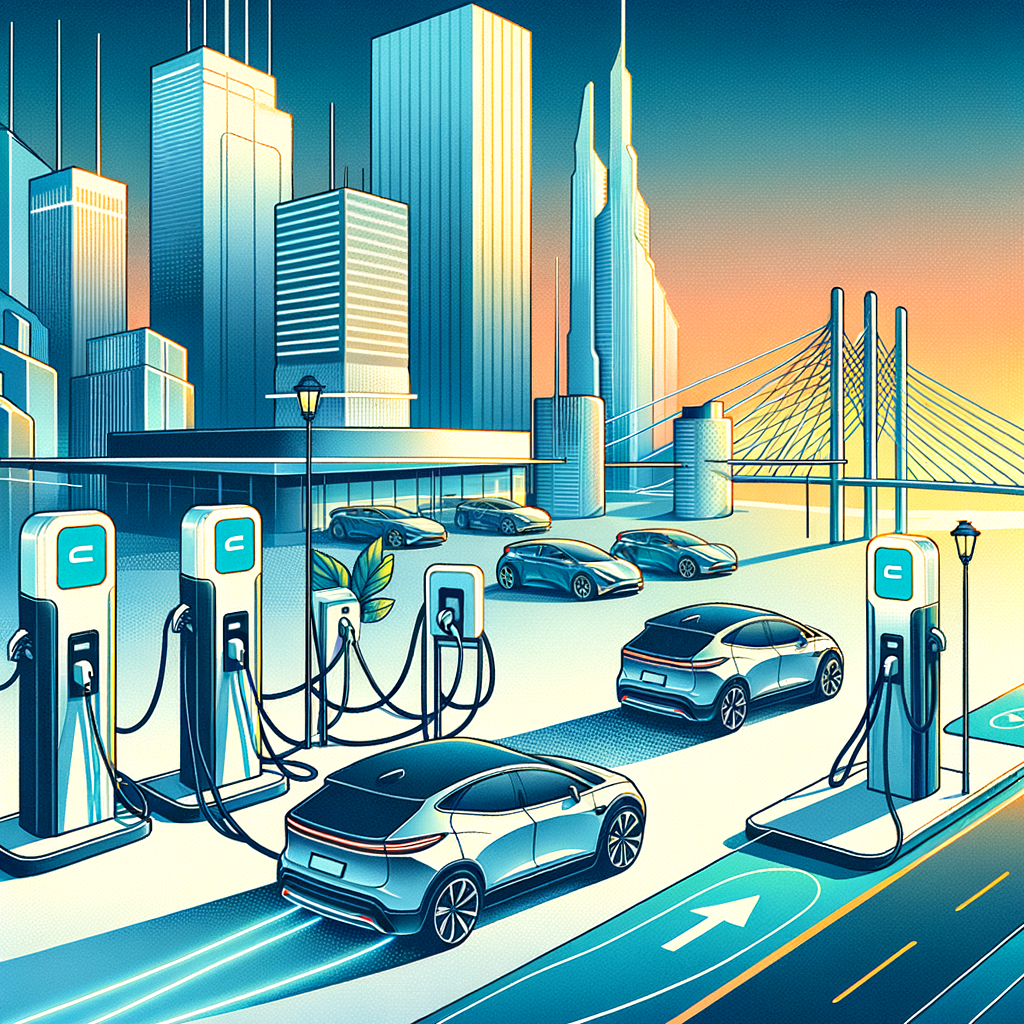
As the world strides toward a sustainable future, the adoption of electric vehicles (EVs) stands at the forefront of global initiatives to limit carbon footprints and reduce dependence on fossil fuels. In this context, the concept of “smart cities” has gained traction as a pivotal model to facilitate this transition. A smart city integrates advanced technology, data analytics, and sustainable practices to support the holistic growth of urban areas. These cities are becoming essential incubators for promoting electric vehicle adoption through various strategic measures. This involves a symbiotic relationship where smart cities provide necessary infrastructural and technological support to EVs, while EVs contribute to the overall sustainability goals of these cities. By offering innovative solutions and leveraging technology-driven infrastructures, smart cities are not just supporting but accelerating the transition to electric mobility.
The rapid development and integration of intelligent transportation systems, energy management solutions, and smart grid technologies in urban landscapes underscore the push toward an eco-friendly future. These technologies aim to not only improve the quality of urban living but also respond to environmental challenges with agility and foresight. EVs are central to this environmental response, and smart cities play a critical role in addressing the challenges associated with EV adoption, such as range anxiety, charging infrastructure, energy management, and policy incentives. In the following sections, we delve into how smart cities are setting the stage for wider electrification of transport, focusing on innovative infrastructural solutions, technological advancements, and the policies that underpin these initiatives.
Infrastructure Development for EVs
One of the primary ways smart cities are supporting electric vehicle adoption is by developing comprehensive EV charging infrastructure. The presence and accessibility of charging stations are paramount to alleviating range anxiety amongst EV users, which is one of the significant barriers to wider adoption. Smart cities are addressing this by implementing a variety of charging solutions, including home charging, public charging networks, and fast-charging stations. Moreover, some cities are experimenting with wireless charging technology, which allows vehicles to charge without the need for cords, enhancing convenience for EV users.
Furthermore, smart cities employ data analytics to strategically identify optimal locations for charging stations, ensuring that they are highly accessible and evenly distributed across urban areas. Public-private partnerships often play a crucial role in these developments, as collaborations with energy companies and technology providers can facilitate the rollout of these networks with greater efficiency and coverage. In addition to physical infrastructure, digital platforms that allow users to locate charging stations, check their availability, and even make reservations are being integrated into smart city plans.
Many smart cities are also developing EV-ready buildings and infrastructure that accommodate and integrate EV charging technologies from the ground up. This involves installing charging points in residential complexes, office buildings, and public facilities, essentially embedding EV support into the structural fabric of new urban developments. Such proactive planning not only incentivizes residents to switch to EVs but also showcases the city’s commitment to futuristic sustainable living.
Smart Grid Technology and Energy Management
The integration of smart grid technology is another cornerstone of how smart cities aim to bolster electric vehicle adoption. A smart grid uses information and communication technology to gather and act on information about the behaviors of suppliers and consumers to improve the efficiency, reliability, and sustainability of electricity services. In the context of EVs, a smart grid can accommodate the increased demand for electricity and streamline energy distribution to prevent overloads.
Through smart grid management, cities can optimize the flow of electric power and enhance the efficiency of distribution networks. This flexibility is crucial for managing peak loads, which can occur when a significant number of EVs are charging simultaneously. Additionally, smart grids enable demand response strategies, where EV charging can be modulated based on real-time electricity demand and pricing, thus encouraging off-peak charging and ensuring grid stability.
Energy storage solutions, including the use of batteries and renewable energy sources, complement smart grid initiatives by ensuring a steady supply of electricity even when demand surges. By tapping into renewable sources such as solar and wind, smart cities can further reduce their carbon footprint and offer clean power for charging EVs. Battery storage systems, often integrated into smart grid frameworks, can store excess renewable energy generated during off-peak times and utilize this stored power when demand peaks, thus minimizing reliance on non-renewable energy sources.
Policy Support and Incentives
Smart cities also maintain a robust policy framework to encourage electric vehicle adoption. These policies often include financial incentives such as tax rebates, subsidies, and lower registration fees for EVs, making them financially attractive to potential buyers. Moreover, some cities have implemented non-financial incentives such as free parking or access to carpool lanes exclusively for EV users, enhancing the convenience of ownership.
Policies on integrating EVs into urban planning are also gaining momentum. Some smart cities mandate a certain percentage of parking spots be equipped with charging stations, require new buildings to have EV-ready infrastructure, and even designate specific areas as low-emission zones where only EVs are permitted, directly influencing consumer behavior towards environmentally friendly vehicles.
Engaging businesses and local government agencies in policy development often leads to more effective and realistic regulations. Public consultations and collaboration with stakeholders in the automotive, energy, and technology sectors enable smart cities to understand the needs and challenges unique to EV deployment and design policies that address these effectively.
Technological Advancements and Innovations
Smart cities leverage technological innovations to provide a seamless experience for EV users. Advanced vehicle-to-grid (V2G) technology, which allows vehicles to communicate with the power grid to sell demand response services by returning electricity to the grid, is a vital innovation that many smart cities are adopting. V2G systems can potentially turn EVs into mobile energy storage units, offering flexibility and additional revenue sources for vehicle owners.
Moreover, smart cities are experimenting with the Internet of Things (IoT) to create interconnected networks of devices and sensors that monitor traffic patterns, energy consumption, and charging station status, among other things. This information allows city management to optimize energy use, track emissions, and improve urban mobility solutions, directly benefiting the EV ecosystem.
Through the use of big data analytics, cities collect valuable information about EV usage patterns, charging behaviors, and infrastructure needs. This data is pivotal in planning and optimizing city resources, tailoring initiatives to improve user experience, and ensuring the infrastructure keeps pace with the growing EV population.
Public Awareness and Engagement
Increasing public awareness and engaging communities is another strategic area where smart cities contribute toward electric vehicle adoption. Educational campaigns about the benefits of EVs, such as lower maintenance costs, reduced environmental impact, and long-term savings, play a crucial role in changing public perceptions and encouraging the switch from conventional to electric vehicles.
Smart cities often host demonstrations, workshops, and even ride-and-drive events to allow the public to experience EVs firsthand. These initiatives significantly elevate the public’s understanding and comfort with the technology, thus fostering a more conducive environment for EV adoption.
Collaborations with educational institutions, community groups, and local businesses to disseminate information about electric vehicles and related technologies ensure that knowledge passes through every stratum of society, enhancing the impact of awareness campaigns.
Conclusion
As the push towards environmentally sustainable living gains momentum, the role of smart cities in facilitating the widespread adoption of electric vehicles becomes increasingly indispensable. Through a multifaceted approach that involves infrastructure development, technological integration, policy frameworks, public engagement, and continuous innovation, smart cities set a viable framework that not only supports but accelerates EV adoption.
The synergies between smart cities and electric vehicles create a mutually beneficial cycle: smart cities enhance their sustainability profile through reduced emissions and optimized urban management, while electric vehicles benefit from a supportive environment that addresses traditional barriers to adoption such as range anxiety and charging infrastructure.
The roadmap set by smart cities around the world presents a promising path for other urban areas aspiring to embrace electric mobility and sustainability. As technology advances and new solutions emerge, the collaboration between city planners, governments, the private sector, and communities will ensure that the future of urban transportation remains not only smart but also eco-friendly, efficient, and inclusive.
Overall, the concerted efforts of smart cities represent a pioneering model for supporting electric vehicle adoption, showcasing the potential of integrating advanced technologies and strategic planning to propel society towards a more sustainable future.
Frequently Asked Questions
1. What role do smart cities play in supporting the adoption of electric vehicles?
Smart cities play a pivotal role in the adoption of electric vehicles by providing the necessary infrastructure and technology needed to support EVs. These cities integrate advanced technologies such as IoT devices and data analytics to create efficient and sustainable urban landscapes. They facilitate EV adoption through smart grids and charging stations distributed strategically across the city. By optimizing energy usage and reducing utility costs, smart cities make it easier for individuals to make the switch to electric vehicles. Additionally, smart cities invest in public awareness campaigns and incentives such as tax rebates or reduced registration fees to entice citizens to opt for greener alternatives. These initiatives help mitigate the initial cost barrier that many face when considering electric vehicles.
2. How do smart cities ensure there are enough charging stations for electric vehicles?
Ensuring a robust network of charging stations is key to the success of electric vehicles in smart cities. These cities utilize comprehensive planning and real-time data analytics to identify high-demand areas where charging stations are most needed. Data from traffic flows, population density, and existing station usage are analyzed to optimize the location and number of charging stations required. Partnering with private enterprises, smart cities often encourage businesses to host charging stations in their parking facilities, further extending the network. Incorporating renewable energy sources, like solar panels, into the charging infrastructure also helps in meeting energy demands sustainably. Through apps and real-time monitoring systems, EV owners can easily locate available charging stations, reducing range anxiety and promoting confidence in electric vehicle ownership.
3. What incentives do smart cities offer to encourage residents to adopt electric vehicles?
Smart cities deploy a suite of incentives aimed at reducing both financial and logistical barriers to EV adoption. Financial incentives often include rebate programs or subsidies on the purchase price of electric vehicles, lowering the overall cost for residents. Cities may offer reductions or exemptions on road tax, registration fees, and tolls for EV owners, making the long-term cost of ownership more appealing. Beyond monetary incentives, smart cities also create non-financial benefits such as dedicated EV parking spaces, access to high-occupancy vehicle lanes regardless of the number of passengers, and reduced congestion fees in urban areas. Furthermore, educational initiatives are often implemented to raise awareness about the environmental and economic benefits of electric vehicles. By promoting the advantages of EVs and making them financially viable, smart cities play a crucial role in accelerating their adoption.
4. What impact do electric vehicles have on the energy infrastructure of smart cities?
Electric vehicles significantly impact the energy infrastructure of smart cities, both in demand and supply management. EVs require significant electricity, creating a need for cities to upgrade their energy systems and capacity. To meet this demand, smart cities invest in modernizing their grid infrastructure, ensuring it can handle the increased load without compromising reliability. Smart grids equipped with advanced metering infrastructure and demand response capabilities allow for better energy distribution and minimize peak load disruptions. Smart cities also emphasize the integration of renewable energy sources, such as wind and solar power, into their grid systems. Doing so not only signifies a commitment to sustainability but also helps stabilize energy costs associated with charging electric vehicles. By taking proactive measures, smart cities effectively manage the energy requirements of the growing EV market while promoting a cleaner and more sustainable urban environment.
5. How do smart cities use technology to enhance the experience of electric vehicle users?
Technology is at the heart of a smart city’s approach to enhancing the electric vehicle user experience. From improved navigation apps that direct drivers to nearest available charging stations to municipal platforms that provide real-time updates on traffic and environmental conditions, technology facilitates a more seamless EV experience. Advanced telematics systems track vehicle performance and energy consumption, offering insights to drivers on optimizing their driving patterns for better efficiency. Smart parking solutions allow users to reserve spots at charging stations, minimizing wait times and enhancing convenience. Additionally, smart cities and their technology infrastructure enable better integration with emerging technologies such as autonomous vehicles, where electric propulsion is often a significant component. Through continual innovation and the deployment of intelligent systems, smart cities are making electric vehicle adoption not just feasible but also exceptionally user-friendly for their residents.