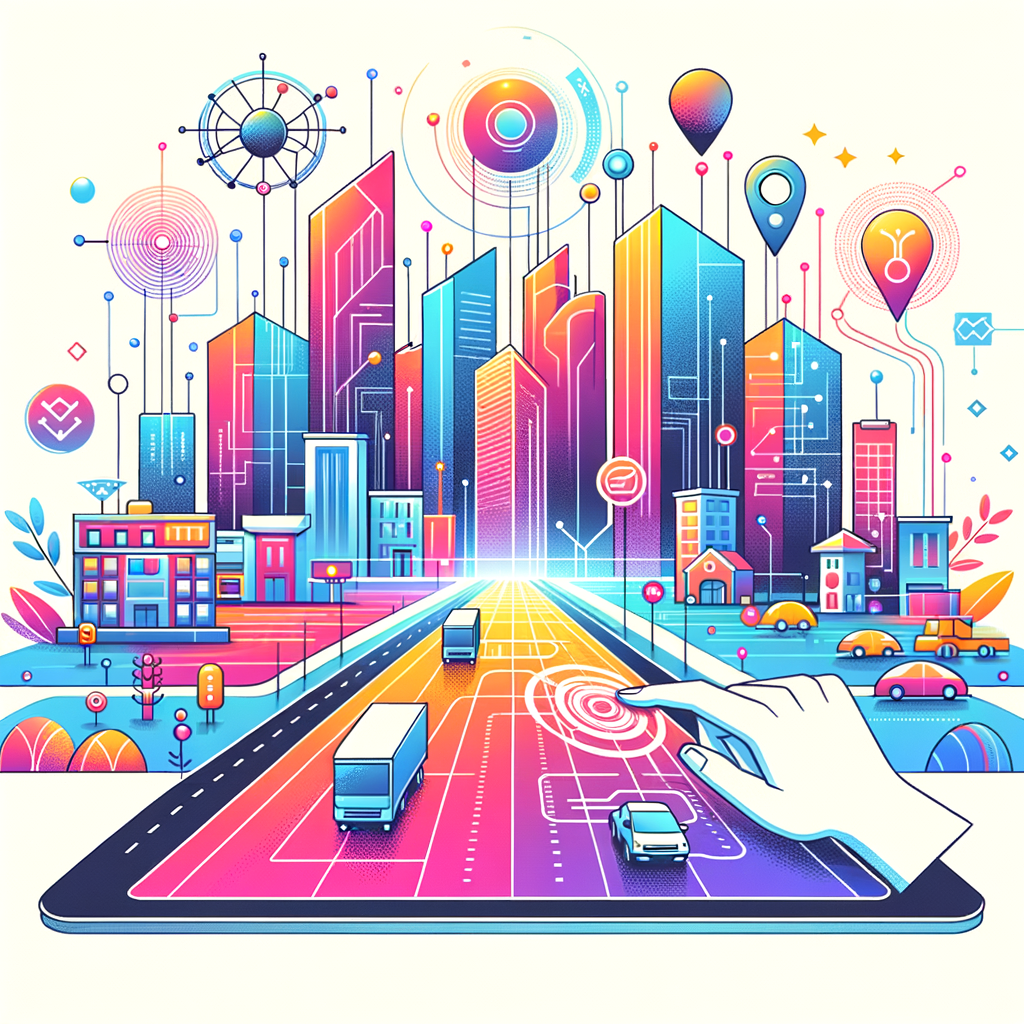
In our rapidly advancing world, the concept of smart cities has emerged as a transformative approach to urban development. These cities utilize cutting-edge technology, data analytics, and the Internet of Things (IoT) to enhance the quality of life for their residents while promoting sustainability and efficiency. One of the most significant aspects of smart cities is their ability to bolster urban resilience. Urban resilience refers to a city’s capacity to absorb, recover, and adapt to various challenges, including environmental, economic, and social disruptions. As urban populations soar and cities face unprecedented challenges, the impact of smart cities on urban resilience becomes increasingly relevant. This article delves into the multifaceted ways in which smart cities can fortify urban resilience, examining diverse dimensions such as infrastructure, governance, community engagement, and environmental sustainability. By harnessing technology, smart cities not only address current urban challenges but also prepare for future uncertainties. Thus, understanding this interplay is crucial for policymakers, urban planners, and residents aiming to foster cities that are not only technologically advanced but also robust and adaptable in the face of adversity.
Infrastructure and Technological Integration
Smart cities revolutionize urban infrastructure by integrating advanced technologies with traditional systems. This integration enhances the city’s ability to withstand and recover from various challenges. For example, smart grids leverage sensors and data analytics to optimize energy distribution, reducing the risk of blackouts and ensuring reliable power supply during emergencies. The incorporation of IoT devices throughout transportation networks enables real-time traffic management, thus minimizing congestion and optimizing public transportation efficiency, which is crucial during evacuations or large-scale events.
Furthermore, smart water management systems can detect leaks and monitor water quality in real time. This capability ensures a consistent and safe water supply, even during droughts or contamination events. By enhancing infrastructure resilience, smart cities reduce vulnerabilities to infrastructural failures, ultimately contributing to the overall resilience of urban environments.
Data-Driven Urban Governance
Smart cities rely on vast amounts of data collected from a multitude of sensors, cameras, and other digital sources. These data streams provide city administrators with a comprehensive understanding of urban dynamics. In terms of urban resilience, data-driven governance plays a critical role in decision-making, allowing cities to swiftly respond to crises.
For instance, predictive analytics can forecast natural disasters, such as floods or hurricanes, enabling timely evacuations and resource allocation. Moreover, data analytics help in identifying patterns that may signify emerging threats, such as disease outbreaks or crime hotspots. By leveraging data to anticipate and react to challenges, smart cities enhance their capacity to maintain stability and continue functioning even amid disruptions.
Community Engagement and Participation
The success of smart cities hinges not only on technology but also on the active participation of their residents. Engaging communities in the urban planning process fosters a sense of ownership and resilience. Through digital platforms, residents can provide feedback, report issues, and participate in decision-making, ensuring that their voices are heard and accounted for.
Emerging technologies, like mobile apps and social media, serve as conduits for real-time communication between city officials and the public. This interaction builds trust and empowers citizens to take part in communal resilience efforts, such as community watch programs or local sustainability initiatives. By involving citizens in resilience planning, smart cities create a collaborative environment where both technology and human agency contribute to urban resilience.
Environmental Sustainability
Smart cities prioritize environmental sustainability, which is integral to urban resilience. By reducing the ecological footprint and conserving resources, these cities are better equipped to withstand environmental shocks. For instance, smart waste management systems optimize waste collection routes, reducing emissions from waste-hauling vehicles and minimizing landfill overflow. Additionally, sustainable building practices and materials reduce energy consumption and increase durability against natural disasters such as hurricanes and earthquakes.
Renewable energy integration is another vital component. Smart cities often incorporate solar panels, wind turbines, and other renewable sources to diversify their energy mix. This diversification not only decreases reliance on fossil fuels but also enhances energy security in the wake of supply chain disruptions. By embracing environmentally sustainable practices, smart cities not only adapt to but also mitigate the impacts of climate change, enhancing their resilience to future environmental challenges.
Social Equity and Inclusivity
For smart cities to truly enhance resilience, they must ensure that technological benefits are accessible to all residents, regardless of socio-economic status. Addressing issues of social equity and inclusivity is crucial in building a resilient urban fabric. By narrowing the digital divide, smart cities empower all citizens to access information, services, and opportunities, thus strengthening community ties and resilience.
Programs that provide affordable internet access, digital literacy training, and equitable access to smart city resources ensure that marginalized communities are not left behind. When all citizens can participate in the digital ecosystem, the city benefits from a diverse range of perspectives and solutions, enriching the overall resilience strategy.
Economic Resilience
Smart cities contribute significantly to economic resilience by fostering innovation and entrepreneurship. Technology-driven environments attract businesses, enhancing job opportunities and economic diversification. By nurturing a vibrant economy, smart cities create a robust foundation for absorbing economic shocks and recovering from downturns swiftly.
Moreover, smart cities facilitate efficient allocation of resources, optimizing budgetary expenditures, and redirecting funds towards critical resilience-building initiatives. These increased efficiencies translate into cost savings that can be reinvested into further developing urban resilience strategies. As a result, smart cities can better support their economies during financial crises, ensuring sustained growth and innovation.
Conclusion
In conclusion, the impact of smart cities on urban resilience is multifaceted, spanning from infrastructure advancements to community engagement and economic growth. By leveraging technology, data, and inclusive governance, smart cities enhance their capacity to withstand and recover from diverse disruptions. The integration of smart technologies with urban environments has paved the way for cities that are not only more efficient and sustainable but also adaptable and robust in the face of adversity.
As urban populations continue to grow and the challenges facing cities become more complex, the lessons learned from smart city initiatives will be invaluable. Policymakers, urban planners, and communities worldwide must continue to collaborate and innovate, ensuring that the benefits of smart cities are harnessed to create resilient, thriving urban areas. Only through these concerted efforts can cities face the future with confidence, equipped to tackle any obstacle that may arise.
Frequently Asked Questions
1. What is a smart city and how does it differ from a traditional city?
A smart city is an urban area that integrates advanced technology, data analytics, and the Internet of Things (IoT) to enhance the quality of life for its residents. Unlike traditional cities, which may focus on conventional methods of development and management, smart cities utilize cutting-edge technology to streamline operations. These cities make data-driven decisions to improve efficiency, sustainability, and the overall urban living experience.
For example, smart cities implement digital platforms and IoT devices to manage resources such as water, electricity, and waste more efficiently. They also use real-time data to improve traffic flow, enhance public transportation, and increase public safety. This technological integration enables smart cities to be more responsive to environmental, economic, and social challenges, setting them apart from their traditional counterparts.
2. How do smart cities contribute to urban resilience?
Urban resilience refers to a city’s ability to withstand and recover from various challenges, including natural disasters, economic shifts, and social disruptions. Smart cities enhance urban resilience by using technology and data to predict, respond to, and mitigate these challenges effectively. For instance, smart cities use IoT sensors and data analytics to monitor environmental conditions, detect anomalies, and alert authorities in real-time about potential threats like floods or earthquakes.
Additionally, smart city infrastructure is designed to be adaptable and flexible, allowing for quick recovery in the face of unforeseen events. With efficient resource management systems in place, these cities can maintain essential services even during crises, ensuring that citizens have access to necessities like water, electricity, and healthcare. This proactive approach significantly improves their ability to bounce back from disruptions and thrive in the long run.
3. In what ways do smart cities improve sustainability?
Smart cities prioritize sustainability by leveraging technology to reduce their environmental footprint and promote greener living practices. One key feature of smart cities is the implementation of energy-efficient systems, such as smart grids that optimize energy use and reduce waste. These systems can integrate renewable energy sources like solar and wind power, further decreasing reliance on fossil fuels.
Waste management is another area where smart cities make a significant impact. They use IoT-enabled bins to monitor waste levels and optimize collection routes, minimizing the environmental impact of waste disposal. In terms of transportation, smart cities improve public transit systems by using real-time data to optimize routes and schedules, reducing congestion and emissions. By fostering a culture of sustainability through these various initiatives, smart cities not only protect the environment but also improve the health and well-being of their residents.
4. What role does technology play in ensuring the safety of smart city residents?
Technology plays a crucial role in enhancing the safety of smart city residents. These cities integrate surveillance systems, smart lighting, and emergency response systems to improve public safety. For instance, smart surveillance cameras equipped with facial recognition and anomaly detection capabilities enable law enforcement to respond swiftly to potential security threats.
Moreover, smart cities use real-time data to improve emergency response times. Advanced communication networks allow first responders to receive immediate alerts and coordinate their actions effectively. On the streets, smart traffic management systems can adapt to emergency situations by creating clear passageways for ambulances and fire trucks. These technological advancements ensure that smart city residents have a safer living environment, which is a foundational aspect of urban resilience.
5. How do smart cities handle data privacy concerns while utilizing technology?
In the realm of smart cities, data privacy is a paramount concern due to the vast amount of personal and operational data collected through various digital platforms and devices. Smart cities address these concerns by implementing robust data protection policies and technologies, governed by stringent compliance with privacy regulations like the General Data Protection Regulation (GDPR).
To safeguard citizen information, smart cities employ data encryption, anonymization, and secure data storage solutions. Additionally, they ensure transparency by informing residents about how their data is collected, stored, and used. Public engagement and feedback mechanisms are also vital, allowing residents to voice concerns and participate in decisions regarding data use.
By balancing technological innovation with privacy safeguards, smart cities maintain trust among their residents while continuing to enhance urban resilience through technology-driven solutions.