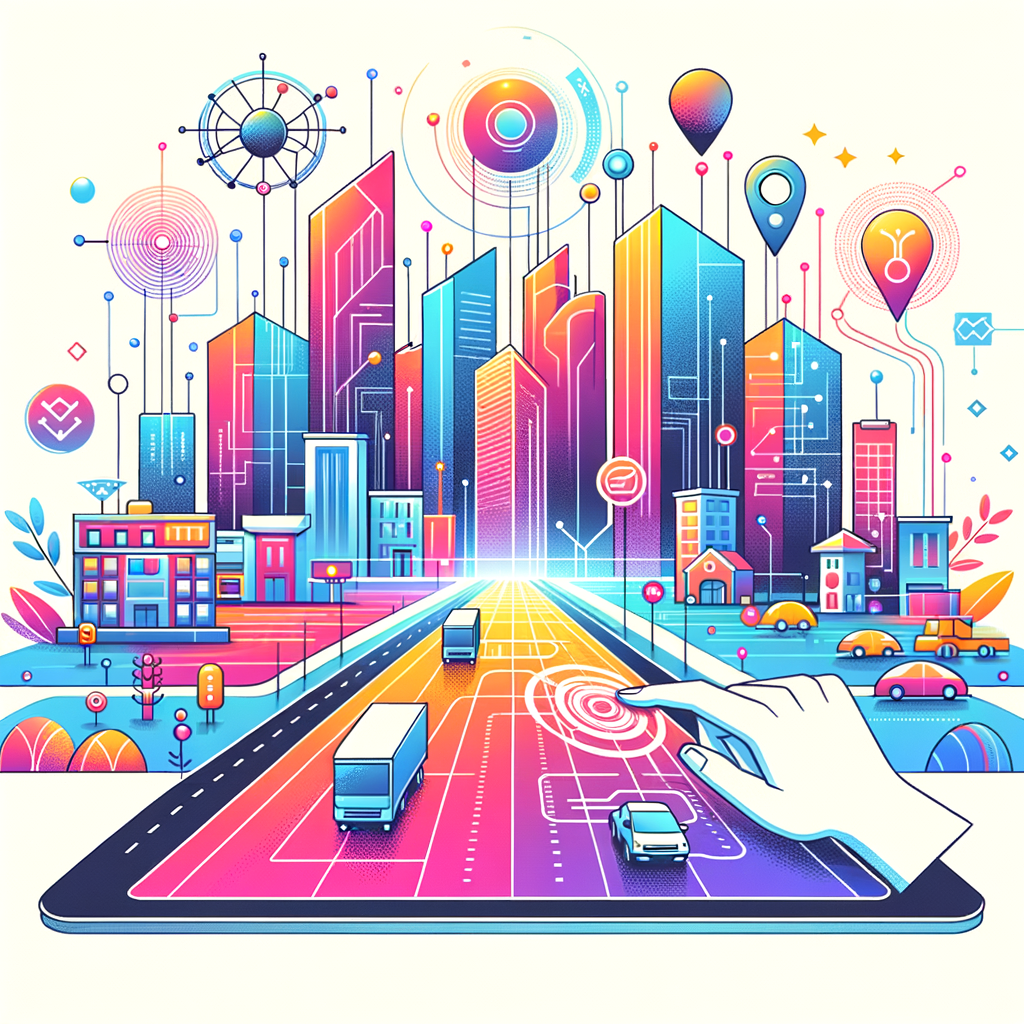
In the era of rapid urbanization, the concept of smart cities has emerged as a visionary solution to tackle the various challenges presented by growing urban populations. Smart cities employ advanced technologies, like the Internet of Things (IoT), big data analytics, and artificial intelligence, to enhance the efficiency of urban operations, improve the quality of life for residents, and foster sustainable practices. With environmental concerns at the forefront of global discourse, understanding the impact of smart cities on environmental sustainability is crucial for developing strategies to mitigate the adverse effects of climate change, pollution, and resource depletion. This article delves into how smart cities contribute to environmental sustainability by optimizing resource usage, promoting renewable energy, minimizing waste, improving urban mobility, and enhancing green spaces. In examining these elements, we gain insight into the transformative potential of smart cities in creating a more sustainable future for urban environments worldwide.
The first aspect of smart cities’ impact on environmental sustainability is the optimization of resource usage. By implementing smart grids, advanced water management systems, and energy-efficient building designs, smart cities aim to reduce resource consumption and minimize environmental impact. Smart grids enable the seamless transmission and distribution of electricity, resulting in reduced energy losses, increased reliability, and improved integration of renewable energy sources into the power grid. Additionally, these grids allow for real-time monitoring and management of energy usage, encouraging consumers to adopt more sustainable consumption practices. Meanwhile, smart water management systems facilitate efficient water distribution and usage, reducing wastage and leakages. By harnessing data from IoT devices, these systems can predict demand patterns, identify inefficiencies, and optimize water resource allocation. Furthermore, energy-efficient building designs incorporate innovative materials and intelligent systems that regulate temperature, lighting, and ventilation, significantly decreasing energy usage in urban spaces.
Optimizing Resource Usage
Smart cities capitalize on modern technologies to optimize resource usage, ensuring minimal waste and maximum efficiency. One of the most significant advancements is the implementation of smart grids. These advanced electrical grids facilitate the seamless integration of renewable energy sources while promoting efficient energy distribution and consumption. By monitoring energy usage in real-time, smart grids can adjust supply based on current demand, effectively reducing energy wastage and lowering carbon emissions. Moreover, smart grids enable better management of peak electricity loads, ensuring that energy demands are met without necessitating additional fossil fuel-based power plants. They also allow for better resilience to power outages and improved energy storage capabilities.
In tandem with smart grids, smart water management systems play a vital role in optimizing water usage in urban environments. By deploying IoT sensors and devices, these systems can monitor water quality, detect leaks, and analyze usage patterns in real-time. This data-driven approach allows cities to address inefficiencies in water distribution and prioritize conservation efforts. For example, predictive analytics can forecast water demand, ensuring that supply matches consumption and preventing water scarcity. Additionally, smart water management systems can assist in developing sustainable urban drainage systems that mitigate the risk of flooding and promote water recycling.
Lastly, energy-efficient building designs are integral to resource optimization in smart cities. By utilizing cutting-edge materials and incorporating smart technologies, modern buildings can reduce their energy consumption and overall carbon footprint. For example, intelligent HVAC (heating, ventilation, and air conditioning) systems can optimize temperature and air quality while minimizing energy use. Automated lighting systems that adjust based on occupancy and natural light levels further contribute to energy conservation. Moreover, green building certifications like LEED (Leadership in Energy and Environmental Design) encourage the incorporation of sustainable practices and materials in construction projects, setting a precedent for future urban development.
Promoting Renewable Energy
The transition from fossil fuels to renewable energy sources is a critical component of reducing urban carbon footprints and fostering environmental sustainability. Smart cities prioritize renewable energy deployment by integrating solar, wind, and other clean energy sources into their infrastructure. This integration is facilitated by smart grids, which can distribute and store renewable energy effectively, accommodating fluctuations in supply and demand. By encouraging the use of clean energy, smart cities actively reduce their dependency on non-renewable resources and contribute to a reduction in greenhouse gas emissions.
Furthermore, smart cities encourage the implementation of local renewable energy initiatives, such as solar panels on rooftops or community wind farms. These decentralized energy systems allow cities to harness clean energy at a local level, reducing reliance on centralized power plants and transmission networks. Moreover, smart city initiatives often include incentives and subsidies for individuals and businesses to adopt renewable energy technologies, further accelerating the transition to cleaner energy sources.
Energy storage solutions are also a cornerstone of renewable energy promotion in smart cities. For instance, advanced battery technologies like Lithium-ion and flow batteries provide efficient energy storage capabilities, ensuring that renewable energy can be stored for future use. Additionally, smart cities utilize machine learning algorithms to predict energy demand and supply patterns, optimizing storage utilization and minimizing energy wastage. By incorporating these advanced solutions, smart cities can effectively balance energy supply and demand, contribute to grid stability, and maximize the benefits of renewable energy resources.
Minimizing Waste
Smart cities employ innovative waste management systems to reduce waste generation and promote recycling and reuse practices. By utilizing IoT technologies, smart waste management systems can monitor and manage waste disposal processes more efficiently, reducing the environmental impact of urban waste. For instance, smart bins equipped with sensors can track fill levels, enabling timely waste collection and preventing overflows. This data-driven approach enhances operational efficiency and minimizes unnecessary fuel consumption by optimizing collection routes and schedules.
Moreover, smart cities promote circular economy principles, which focus on reducing waste by encouraging the recycling, reuse, and refurbishment of products. Through digital platforms and mobile applications, residents can receive timely information on recycling programs and disposal guidelines, fostering a community-driven approach to waste management. Furthermore, technologies like AI and robotics are employed in recycling facilities to enhance the sorting and processing of waste materials, increasing recycling efficiency and reducing landfill dependency.
Additionally, smart cities often implement policies and initiatives that support sustainable consumption practices and reduce waste generation at the source. Examples include imposing fees on single-use plastics, encouraging the adoption of sustainable packaging solutions, and supporting local businesses that prioritize eco-friendly products. By raising awareness and providing incentives for sustainable behavior, smart cities can drive significant reductions in waste production and promote a culture of environmental responsibility among residents.
Improving Urban Mobility
Transportation is a significant contributor to urban emissions, and smart cities are redefining urban mobility to address this challenge. By leveraging intelligent transportation systems, smart cities are transforming how individuals navigate urban environments, reducing traffic congestion and lowering vehicle emissions. For example, real-time traffic management systems use data from sensors, cameras, and GPS devices to optimize traffic flow, adjust signal timings, and alleviate congestion, leading to reduced idling and lower emissions.
In addition to optimizing existing transportation infrastructure, smart cities encourage the adoption of sustainable transportation alternatives, such as public transit, cycling, and walking. By deploying integrated mobility platforms, residents can access information on public transportation routes, availability, and schedules, making it easier to choose eco-friendly transportation options. Moreover, smart cities often implement bike-sharing and e-scooter programs, facilitating convenient and low-emission commuting options for residents.
Another critical aspect of urban mobility in smart cities is the push towards electrification. By incentivizing electric vehicles (EVs) and expanding EV infrastructure, such as charging stations, smart cities aim to reduce vehicular emissions significantly. The integration of smart charging technologies ensures efficient energy management, while real-time monitoring systems prevent overloading and optimize charging patterns. Furthermore, smart cities support carpooling and ride-sharing initiatives, further reducing traffic congestion and emissions.
Enhancing Green Spaces
Green spaces play a vital role in promoting environmental sustainability, enhancing urban air quality, and providing recreational opportunities for city dwellers. Smart cities prioritize the creation and maintenance of urban green spaces like parks, gardens, and green roofs to improve environmental conditions in urban settings. IoT technologies are utilized in these spaces to monitor soil quality, temperature, humidity, and other factors essential for plant health, ensuring optimal growth conditions and maintenance.
Moreover, smart cities employ advanced landscaping techniques and urban planning to maximize space utilization and enhance ecological biodiversity. Green corridors and vertical gardens contribute to air quality improvement by absorbing carbon dioxide and releasing oxygen, effectively mitigating the urban heat island effect. Additionally, these green spaces promote community well-being by providing areas for leisure activities and social interaction, further enhancing citizen satisfaction and quality of life.
Smart cities also integrate smart irrigation systems that leverage data from weather forecasts and soil sensors to optimize water usage, preventing overwatering and drought stress. This approach not only conserves water resources but also enhances plant health and ensures sustainable green space management. By prioritizing green infrastructure and urban greening initiatives, smart cities contribute to fostering environmentally resilient urban environments.
Conclusion
The emergence of smart cities represents a promising advancement in the pursuit of environmental sustainability within urban landscapes. Through optimizing resource usage, promoting renewable energy, minimizing waste, improving urban mobility, and enhancing green spaces, smart cities are redefining city living with a focus on ecological balance and resource conservation. By integrating technological innovation with sustainable urban planning, smart cities have the potential to significantly reduce carbon footprints, improve air and water quality, and elevate the quality of life for urban dwellers.
Looking ahead, the continued development and implementation of smart city initiatives will be crucial in addressing the pressing environmental challenges of the 21st century. Stakeholders, including governments, businesses, and residents, must collaborate to promote sustainable practices, advocate for the integration of advanced technologies, and support policies that prioritize environmental protection. Success in these endeavors will not only lead to more sustainable cities but set a benchmark for global efforts to combat climate change and ensure a healthier, more resilient planet. By embracing the potential of smart cities, we pave the way for a future where urban growth is harmonized with environmental sustainability, providing a model for urban innovation and ecological stewardship.
Frequently Asked Questions
1. What defines a smart city and how does it contribute to environmental sustainability?
A smart city leverages advanced technologies such as the Internet of Things (IoT), big data analytics, and artificial intelligence to manage city assets and resources effectively. These technologies are integrated into a city’s infrastructure to streamline city operations and enhance the overall quality of life. When it comes to environmental sustainability, smart cities play a crucial role by optimizing energy usage, improving waste management, and promoting efficient public transportation. For instance, IoT sensors and data analytics can be used to monitor energy consumption patterns across the city, leading to smarter grid systems that reduce excessive use and ensure energy is distributed effectively and sustainably. Additionally, smart waste management systems can optimize waste collection routes and schedules, minimizing fuel consumption and emissions.
2. How do smart cities address the issues of energy management and conservation?
Energy management in smart cities is significantly enhanced through the deployment of smart grids, which intelligently balance the energy supply and demand. These grids can incorporate renewable energy sources, such as solar or wind, into the system, reducing reliance on fossil fuels. Smart meters offer real-time data to consumers, empowering them to make informed decisions about their energy usage. Furthermore, streetlights in smart cities often use motion sensors and LED technology to operate only when necessary and reduce energy wastage. The integration of smart building technologies, like automated HVAC systems, plays a substantial role in reducing overall energy consumption in office spaces and residential areas.
3. How can smart cities help in reducing pollution levels and enhancing air quality?
Air quality is a critical concern for urban environments, and smart cities bring a pragmatic approach to this issue. They utilize IoT sensors to continuously monitor air quality in different parts of the city. This data helps city planners and policymakers to identify pollution hotspots and implement targeted measures to improve air quality. For instance, AI-driven traffic management systems can optimize traffic flow, reducing congestion and vehicular emissions. Moreover, encouraging the adoption of electric vehicles through the development of charging infrastructure is another effective strategy. By promoting alternative transport methods such as biking and public transportation with real-time information systems, smart cities also indirectly contribute to lower carbon emissions and overall pollution levels.
4. What role do smart cities play in waste management and what are the sustainable benefits?
Smart waste management is a key component of a sustainable city framework. Traditional waste management systems can be inefficient and resource-intensive, but smart cities provide innovative solutions. Waste bins equipped with sensors inform collection systems when they are full, thus optimizing collection routes and schedules, saving fuel, and reducing carbon emissions from waste collection vehicles. Additionally, data analytics can be used to track waste generation and patterns across different areas of the city. This information is valuable for implementing educational campaigns on waste reduction and recycling. As a result, smart city waste management solutions not only increase efficiency but also promote recycling and proper waste disposal, contributing significantly to environmental sustainability.
5. How do smart city technologies impact water conservation and management?
Water is a crucial resource, and smart cities implement advanced technologies to conserve and manage it efficiently. Using IoT devices, cities can create a detailed grid of water gauges and sensors to monitor and manage the distribution network. This real-time data helps in reducing water loss due to leaks or inefficiencies in the distribution system. Additionally, smart cities often incorporate greywater recycling systems and rainwater harvesting technologies in urban planning. These efforts help in reducing the overall water demand and ensure a sustainable water supply for the future. Real-time monitoring and predictive analytics also allow city managers to prepare better for water scarcity events by establishing more robust conservation strategies.