Urban placemaking has emerged as a pivotal concept in the pursuit of sustainable urban development. Simply put, placemaking is the collaborative process of shaping the public realm to maximize shared values. More than just promoting better urban design, placemaking facilitates creative patterns of human activity by paying meticulous attention to the physical, cultural, and social identities that define a place.
As urban areas grow, planners and residents alike face challenges related to population density, environmental sustainability, and the need for vibrant, engaging public spaces. The purpose of urban placemaking is not merely to create aesthetically pleasing environments but to foster strong community ties, improve quality of life, and ensure that cities remain sustainable for future generations. Through carefully considered design and implementation, placemaking can transform underused spaces into thriving areas that reflect the needs, desires, and lifestyles of those who live and work there.
This article delves into the core concept of urban placemaking and explores how it contributes to sustainable development. We will examine its principles, the elements that make up its foundation, its social, environmental, and economic benefits, and provide examples of successful placemaking initiatives from around the world. By the end, we hope to gain a comprehensive understanding of how placemaking can shape resilient, eco-friendly urban landscapes.
Principles of Urban Placemaking
At its essence, urban placemaking is rooted in several fundamental principles designed to ensure successful and meaningful places. These principles serve as the building blocks for cities looking to create vibrant, sustainable communities:
- Community Engagement: Placemaking begins with the involvement of the community. Local residents, businesses, and organizations play a crucial role in identifying the unique needs and characteristics of a place. Engaging the community ensures that the development aligns with local culture and values, fostering a sense of ownership and pride.
- Collaborative Design: Effective placemaking relies on collaboration between public, private, and non-profit sectors. Architects, planners, artists, and community members work together to co-create spaces that are functional, inclusive, and adaptable to future needs.
- Diversity and Inclusion: Inclusive placemaking considers the needs of all community members, regardless of age, income, or background. Public spaces should reflect the diversity of the population and be accessible to everyone, encouraging interaction and social cohesion.
- Environmentally Responsible: Sustainable placemaking incorporates environmentally friendly practices such as green building materials, energy-efficient design, and the use of native vegetation. These practices help reduce the environmental footprint and contribute to long-term sustainability.
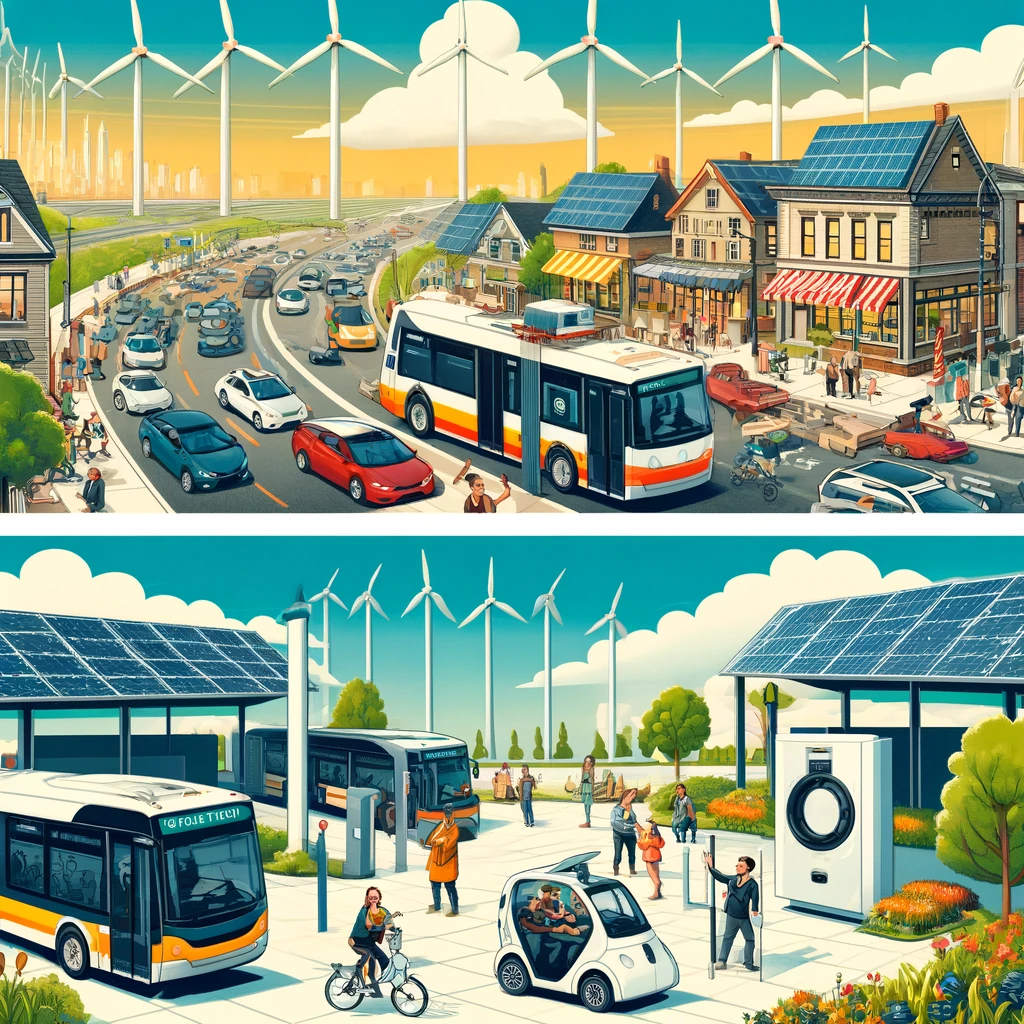
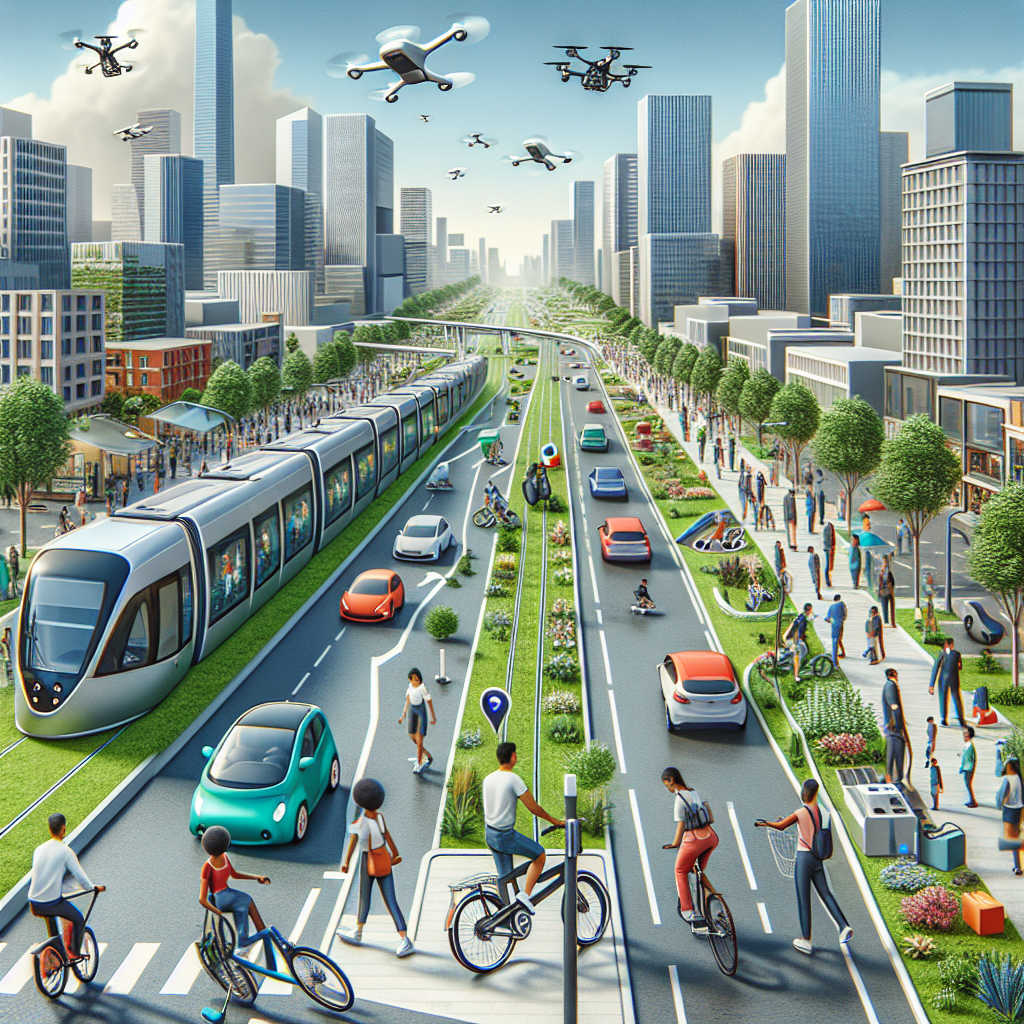
- Connectivity and Mobility: Successful placemaking promotes walkability and alternative modes of transportation. Well-connected spaces with safe pedestrian pathways, bike lanes, and efficient public transit options reduce reliance on cars, thus lowering carbon emissions.
These principles are not standalone—they are interconnected and work in harmony to create lasting, impactful places that benefit both people and the environment.
Social Benefits of Placemaking
Urban placemaking fosters community and enhances social well-being in numerous ways. Creating vibrant public spaces encourages social interaction, fostering a sense of belonging and mutual trust among community members. Here are some key social benefits of placemaking:
- Enhanced Community Engagement: Placemaking initiatives often involve participatory processes, where community members collaborate in the design and implementation of spaces. This engagement empowers residents, giving them a sense of control and investment in their environment.
- Promotion of Inclusivity: Well-designed public spaces are inclusive, welcoming people from diverse backgrounds. By providing areas for different activities—be it recreation, cultural events, or social gatherings—these spaces cater to various demographics and encourage community integration.
- Improved Public Health: Access to recreational spaces and nature promotes physical activity and mental well-being. Green spaces provide a sanctuary from urban stress, and opportunities for exercise improve overall health.
- Reduction of Social Isolation: In densely populated urban areas, social isolation can be a significant issue. Placemaking creates opportunities for social interaction, reducing feelings of loneliness and fostering community spirit.
- Safety and Security: Active public spaces with consistent foot traffic are inherently safer. The presence of people fosters a sense of security, reducing crime rates and enhancing the general quality of life.
The social advantages of placemaking are manifold, creating interconnected communities that thrive on shared spaces and mutual respect.
Environmental Benefits of Placemaking
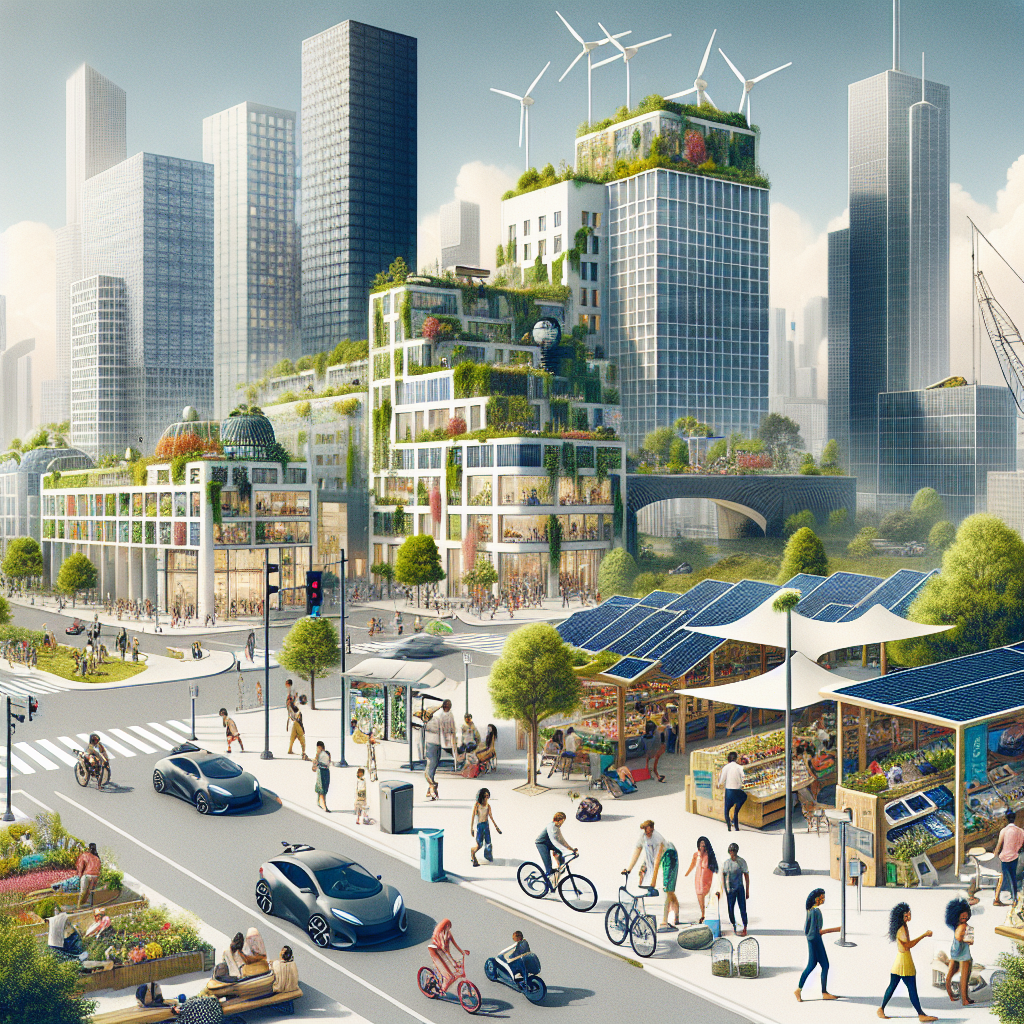
Environmental sustainability is a cornerstone of urban placemaking. By thoughtfully designing public spaces, cities can reduce their environmental impact and promote eco-friendly living. Key environmental benefits of placemaking include:
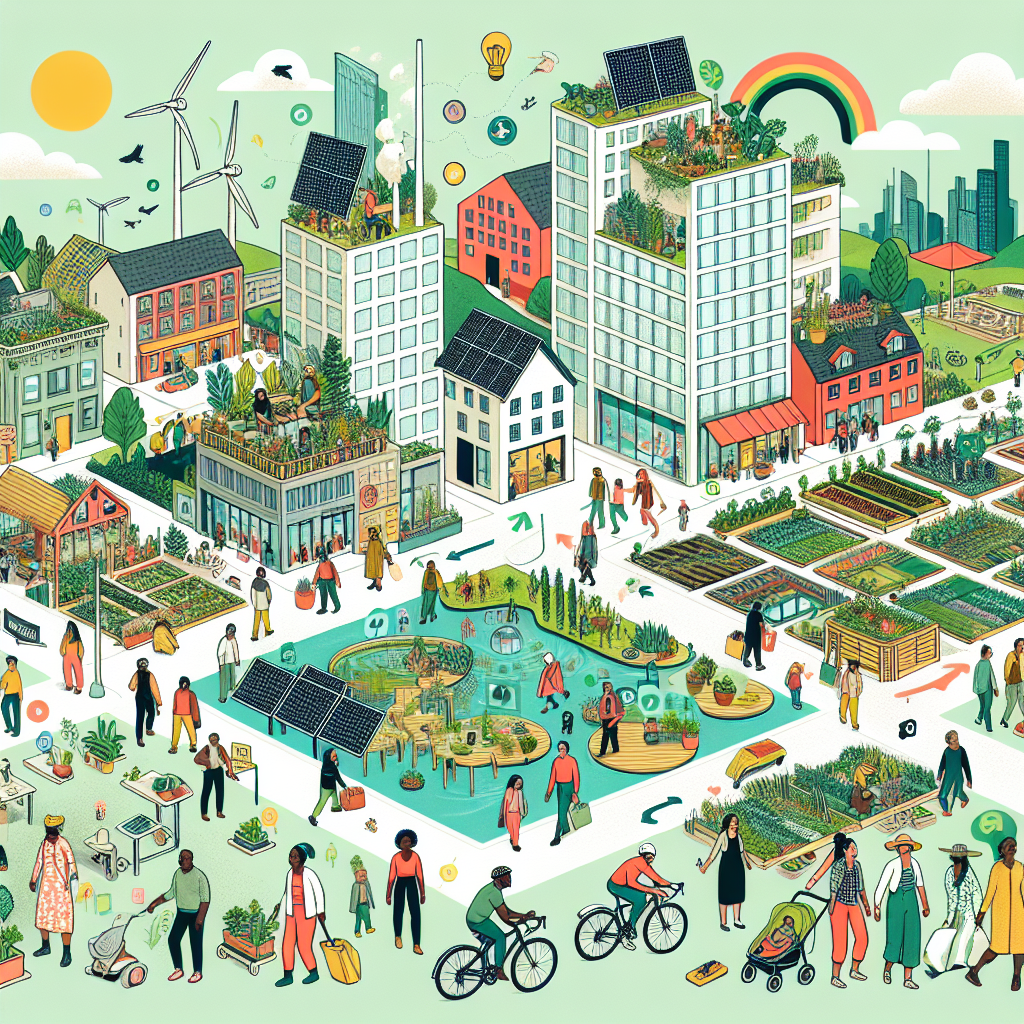
- Green Infrastructure: Incorporating green infrastructure, such as parks, green roofs, and rain gardens, helps manage stormwater, reduce urban heat islands, and improve air quality. These elements also provide habitats for urban wildlife.
- Energy Efficiency: Placemaking emphasizes energy-efficient design. Buildings and spaces designed with sustainability in mind utilize natural light, renewable energy sources, and energy-efficient materials, significantly reducing energy consumption.
- Promotion of Sustainable Transportation: Providing safe, accessible pathways for walking and biking, alongside efficient public transit options, reduces reliance on fossil fuels. Encouraging alternative transportation methods lowers greenhouse gas emissions.
- Conservation of Natural Resources: Sustainable placemaking involves using local, sustainable materials and preserving existing natural features. This reduces the need for new resources and minimizes environmental degradation.
- Climate Resilience: Thoughtful placemaking contributes to climate resilience by designing spaces that can adapt to changing environmental conditions. For example, flood-prone areas can be transformed into parks that absorb excess water, protecting adjacent communities.
By prioritizing environmental considerations, urban placemaking helps create cities that are not only enjoyable to live in but are also environmentally responsible and resilient.
Economic Benefits of Placemaking
Sustainable urban placemaking can boost local economies by creating attractive, functional spaces that draw people in and encourage businesses to thrive. Some of the economic benefits include:
- Increased Property Values: Attractive, well-maintained public spaces increase the appeal of surrounding properties. This can lead to higher property values and bolster local real estate markets.
- Boosted Local Economy: Vibrant public spaces attract tourists, residents, and businesses. Cafes, shops, and markets thrive in well-designed areas, generating economic activity and creating jobs.
- Cost Savings: Investing in green infrastructure and energy-efficient designs can lead to long-term cost savings for cities. Reduced energy bills, lower maintenance costs, and less spending on stormwater management are some of the financial benefits.
- Attracting Investments: Companies and investors are more likely to invest in areas with high quality of life. Attractive public spaces signal a thriving, forward-thinking community, attracting both domestic and international investment.
- Enhanced Workplace Productivity: Public spaces that encourage relaxation and recreation improve employee well-being and productivity. Workers who have access to green spaces and recreational areas report higher job satisfaction and better performance.
By fostering a vibrant local economy, placemaking contributes to the sustainability and financial stability of urban areas, ensuring long-term prosperity.
Case Studies of Successful Placemaking
Several cities around the world have showcased the transformative power of urban placemaking. Here are a few noteworthy examples:
- New York, USA – Times Square Transformation: Originally known for its traffic congestion and lack of pedestrian space, Times Square underwent a radical transformation through placemaking. By converting traffic lanes into pedestrian plazas, the area has become a bustling hub for tourists and locals, significantly boosting economic activity and reducing pollution.
- Melbourne, Australia – Federation Square: Federation Square is a cultural precinct developed through extensive community consultation and collaborative design. It serves as a vibrant public space hosting a variety of events, promoting community engagement, and boosting Melbourne’s cultural and economic standing.
- Copenhagen, Denmark – Superkilen Park: This innovative public park in Copenhagen reflects the diverse cultural backgrounds of its residents. The park incorporates elements from over 60 countries, encouraging inclusivity and social interaction. Superkilen has become a symbol of diversity and a popular gathering spot, enhancing the city’s social fabric.
- Barcelona, Spain – Superblocks: Barcelona’s Superblocks project aims to reclaim streets for pedestrians by restricting car traffic within designated blocks. This initiative has reduced noise and air pollution, increased green space, and created safer, more livable neighborhoods, reinforcing the city’s commitment to sustainable urban living.
These case studies underscore the tangible benefits and significant impact of urban placemaking, providing valuable lessons for cities worldwide.
Conclusion
Urban placemaking stands as a vital strategy in the quest for sustainable urban development. By incorporating community engagement, collaborative design, diversity, environmental responsibility, and connectivity, placemaking creates vibrant, resilient, and sustainable urban spaces.
The social, environmental, and economic benefits of placemaking are evident across the globe. From enhancing community engagement and inclusivity to promoting environmental sustainability and boosting local economies, the positive outcomes are far-reaching and undeniable. Cities that embrace placemaking principles saw improved quality of life for residents, reduced environmental impact, and vibrant local economies.
The case studies of New York’s Times Square, Melbourne’s Federation Square, Copenhagen’s Superkilen Park, and Barcelona’s Superblocks illustrate how well-executed placemaking initiatives can transform urban landscapes. These examples serve as beacons of inspiration for cities aiming to achieve sustainable and thriving communities.
As urban areas continue to grow, the importance of placemaking in ensuring sustainable development cannot be overstated. By prioritizing the human experience and harmonizing it with environmental stewardship and economic vitality, placemaking paves the way for cities that are not only livable today but sustainable for future generations. Embracing this approach holds the promise of creating cities that function effectively and nourish the spirit of their inhabitants.
Frequently Asked Questions
1. What is urban placemaking and how does it contribute to sustainable development?
Urban placemaking is a transformative approach that focuses on the collaborative creation and planning of public spaces with the aim to enhance the quality and functionality of urban environments. This process actively engages community members, urban planners, designers, and stakeholders in the reimagining and realignment of areas, aiming to foster vibrant, inclusive, and sustainable neighborhoods. By emphasizing the unique cultural, social, and physical aspects of a community, placemaking contributes to sustainability by enhancing local identity, fostering a sense of belonging, and encouraging environmentally friendly practices. This approach helps create spaces that meet the needs of current residents while conserving resources and supporting eco-friendly living for future generations.
2. Why is collaboration important in urban placemaking?
Collaboration is at the heart of successful urban placemaking because it ensures that the development of public spaces resonates with the diverse needs and desires of the community it serves. By engaging a wide array of stakeholders—residents, local businesses, government officials, and urban designers—placemaking becomes an inclusive process that values multiple perspectives and expertise. This collaborative approach results in creative solutions that address specific local challenges while maximizing the use and enjoyment of urban areas. Additionally, involving the community fosters a sense of ownership and pride among residents, which is essential for the long-term sustainability and upkeep of these spaces. Collaborative placemaking encourages stewardship and ongoing community engagement, leading to vibrant, respected, and sustainable urban environments.
3. How does placemaking enhance the social and cultural identity of a community?
Placemaking enhances social and cultural identity by recognizing, celebrating, and integrating the distinct characteristics that make a community unique. It aims to create spaces that reflect the stories, history, and traditions of the people who live there, fostering a strong sense of place and belonging. This process often involves artistic and cultural activities, such as public art installations, cultural festivals, and interactive community events that highlight local heritage and diversity. By tailoring design and functionality to fit a community’s specific cultural narratives, placemaking can revive undervalued neighborhoods, preserve cultural landmarks, and reinvigorate communal pride. This reinforcement of cultural identity not only strengthens the social fabric of a community but also attracts visitors, stimulates local economies, and supports a more cohesive and meaningful urban experience.
4. What role does urban design play in the placemaking process?
Urban design is a crucial component of the placemaking process, serving as the foundation upon which vibrant public spaces are structured. Good urban design offers the tools to aesthetically and functionally enhance the physical environment, shaping places that are accessible, safe, and engaging for all users. It considers factors such as pedestrian pathways, greenery, lighting, seating, and other elements that contribute to the comfort and usability of a space. Well-thought-out design can seamlessly integrate nature into urban settings, promoting sustainability through green spaces and environmentally conscious infrastructure. Furthermore, urban design leverages architectural and spatial elements to create a sense of continuity and connection between space, community, and individual experiences. In essence, thoughtful urban design within the framework of placemaking aligns the built environment with the cultural and social priorities of the community, facilitating spaces that are not only functional but also enriching and sustainable.
5. How can urban placemaking influence environmental sustainability initiatives?
Urban placemaking holds the potential to significantly influence environmental sustainability by integrating green practices and eco-friendly technologies into the development of urban spaces. By planning for more green spaces, such as parks, community gardens, and green roofs, placemaking efforts can enhance local biodiversity, improve air quality, and mitigate urban heat island effects. The strategic layout of pedestrian-friendly and bike-friendly infrastructure helps reduce reliance on motor vehicles, thereby lowering carbon emissions and improving public health. Additionally, placemaking can incorporate sustainable building materials and techniques, such as rainwater harvesting and solar panels, to promote resource efficiency. By designing spaces that encourage outdoor activities and community connection, placemaking inspires a culture of environmental awareness and responsibility. Ultimately, urban placemaking emphasizes the interdependence of social, cultural, and environmental health, contributing to the overall resilience and sustainability of urban living.