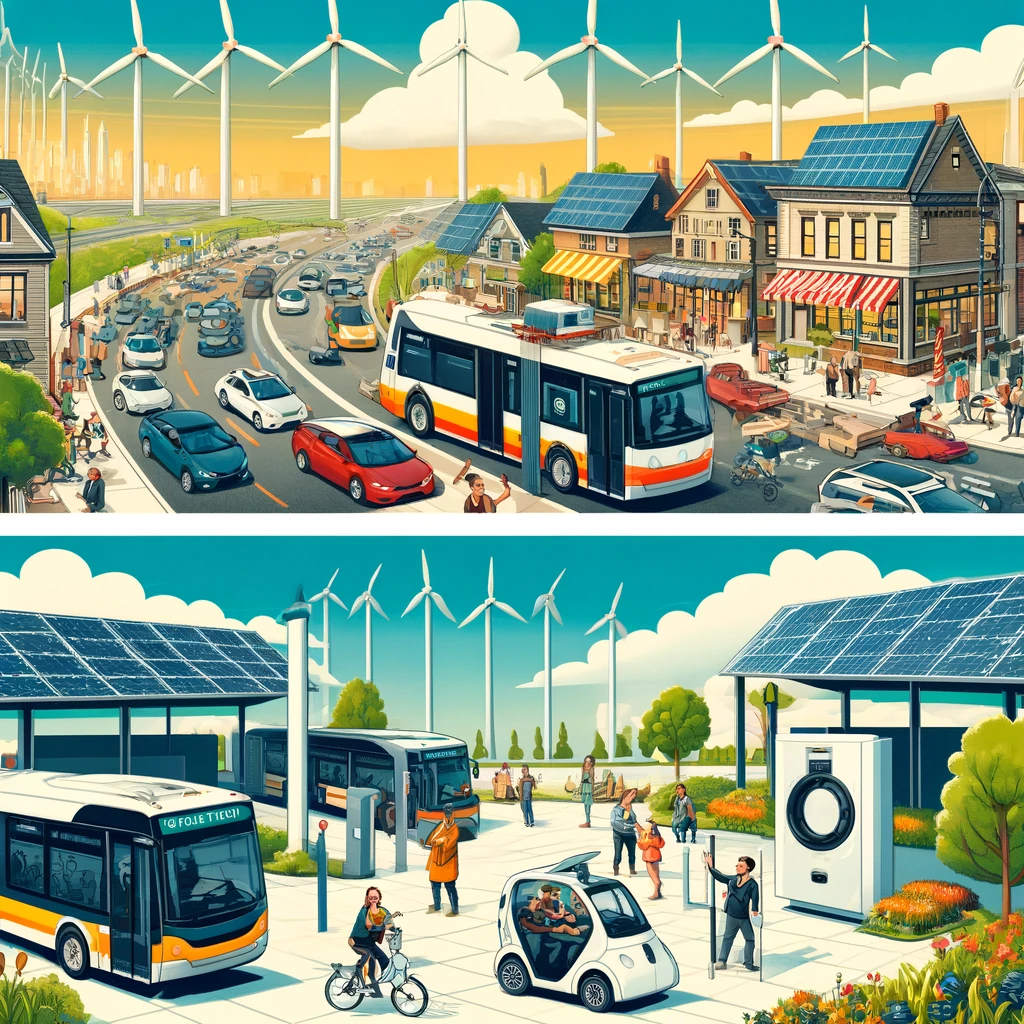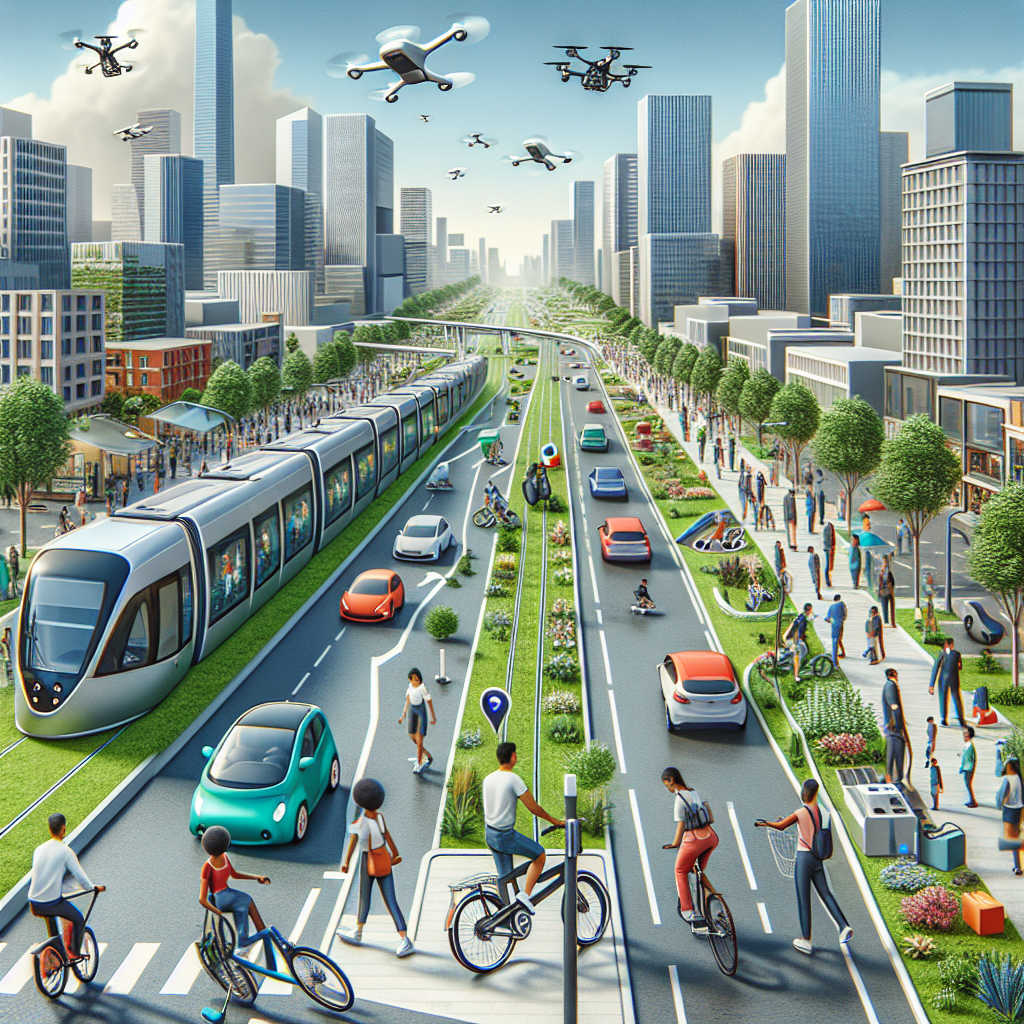
The rapid urbanization experienced globally has ushered in a myriad of challenges, one of the most pressing being the need for sustainable transportation solutions. With more than half of the world’s population residing in urban areas, the strain on existing transportation infrastructure is unprecedented. The escalating congestion, pollution levels, and the sheer demand for mobility in cities necessitate a paradigm shift towards sustainable transportation. This article delves into the multifaceted approaches to promoting sustainable transportation in urban areas, emphasizing the importance of integrating eco-friendly solutions to enhance the quality of urban living.
Sustainable transportation is characterized by systems that are efficient, eco-friendly, and conducive to a high quality of life. It involves a comprehensive approach that includes the development of greener modes of transportation, sustainable urban planning, and policy frameworks that encourage environmentally friendly practices. Implementing these solutions requires collaboration among various stakeholders, including government entities, private sectors, and the general public.
The benefits of sustainable transportation extend beyond environmental impact to encompass economic and social dimensions. Economically, these systems can reduce costs associated with fuel, traffic congestion, and healthcare. Socially, they can improve public health by reducing pollution and promoting physical activity. In the sections that follow, we will explore various strategies and innovations that are crucial for advancing sustainable transportation in urban settings.
Public Transportation Improvements
Public transportation is the backbone of urban mobility, and enhancing its efficiency and appeal is vital for sustainable urban development. Modern cities are investing heavily in upgrading their public transport systems to reduce reliance on private vehicles, which are a major contributor to urban congestion and pollution. Key improvements include the expansion of rail and bus networks, integration of smart technologies, and the transition to cleaner energy sources.
One significant advancement is the incorporation of intelligent transportation systems (ITS). ITS includes technologies such as real-time tracking of buses and trains, mobile ticketing apps, and integrated transit schedules. These technologies enhance the convenience and accessibility of public transport, making it a more attractive option for commuters.
Another critical aspect is the shift towards electric and hybrid public transportation. Cities are increasingly deploying electric buses and trains as they offer a cleaner alternative to traditional diesel-powered vehicles. Not only do electric vehicles significantly reduce emissions, but they also tend to be quieter, contributing to a reduction in noise pollution.
Moreover, implementing dedicated bus lanes and priority signaling for buses can significantly reduce travel times and improve reliability. Cities like Bogotá and Curitiba have set exemplary standards with their Bus Rapid Transit (BRT) systems, illustrating how well-planned bus networks can efficiently address urban mobility challenges.
Cycling and Walking Infrastructure
Promoting non-motorized forms of transportation, such as cycling and walking, is another cornerstone of sustainable urban development. Proper infrastructure and supportive policies play a crucial role in encouraging more people to adopt these eco-friendly modes of transport.
Developing extensive networks of dedicated bike lanes and pedestrian pathways is essential. These lanes should be safely separated from vehicular traffic to protect cyclists and pedestrians. Additionally, cities can enhance safety by implementing measures such as adequate lighting, clear signage, and intersection improvements.
Bike-sharing programs are gaining popularity in urban areas worldwide. These programs provide a convenient and affordable means for residents and visitors to access bicycles for short trips. Cities like Amsterdam and Copenhagen are often cited as models for their comprehensive cycling infrastructure and culture.
For walking, urban areas can promote pedestrian-friendly environments by enhancing streetscapes, creating pedestrian zones, and ensuring accessibility for all users, including those with disabilities. Programs like “Complete Streets” in the U.S. advocate for designing streets that cater to all transportation modes and users, thereby fostering a more inclusive urban mobility landscape.

Urban Planning and Land Use
Sustainable urban transportation cannot be achieved in isolation from broader urban planning and land use strategies. Integrating transportation planning with land use policies ensures that urban development supports sustainable mobility.
One approach to this integration is the promotion of transit-oriented development (TOD). TOD aims to create high-density, mixed-use communities within walking distance of public transit hubs. This design minimizes the need for private car use and encourages public transport, cycling, and walking as primary modes of transport.
Another aspect is zoning regulations that encourage compact, mixed-use development. Traditional zoning often segregates residential, commercial, and industrial areas, leading to longer commutes and increased car dependency. Mixed-use zoning, on the other hand, promotes closer proximity between places of work, residence, and recreation.
Green spaces and parks also play a vital role in sustainable urban development. They not only offer recreational areas but also serve as critical components of the urban ecosystem, improving air quality and providing natural pathways for pedestrians and cyclists. Cities like Singapore have integrated greenery into their urban fabric extensively, setting a benchmark for blending urban infrastructure with natural elements.
Policy and Incentive Strategies
Effective policies and incentives are crucial for driving the adoption of sustainable transportation solutions. Governments play a pivotal role by creating frameworks that encourage and facilitate eco-friendly transportation practices.
Implementing congestion pricing is one strategy that has proven effective in several cities, including London and Stockholm. Congestion pricing entails charging drivers a fee to enter high-traffic areas during peak times, thereby reducing traffic congestion and encouraging the use of public transport.
Tax incentives and subsidies for electric vehicles (EVs) are another important policy tool. By lowering the cost of EV ownership, governments can accelerate the transition from traditional fossil fuel vehicles to electric ones, significantly reducing urban emissions.
Additionally, policies that promote remote working and flexible work hours can help reduce peak travel demand. The COVID-19 pandemic has demonstrated the feasibility of remote work on a large scale, and integrating such practices into regular work culture can have lasting benefits for urban transportation systems.
Technological Innovations
Technological advancements are leading to transformative changes in urban transportation. Innovations in mobility technology can significantly enhance the efficiency, safety, and sustainability of transportation systems.
One such innovation is the rise of autonomous vehicles. Self-driving cars have the potential to revolutionize urban transportation by reducing traffic congestion, improving fuel efficiency, and enhancing road safety. While fully autonomous vehicles are still in development, their future integration into urban landscapes looks promising.
The concept of Mobility as a Service (MaaS) is also gaining traction. MaaS integrates various transportation services into a single, accessible platform, allowing users to plan, book, and pay for different modes of transport (e.g., public transit, ride-sharing, bike-sharing) through one app. This seamless integration can make sustainable transportation options more convenient and appealing.
Smart cities are utilizing Big Data and IoT (Internet of Things) technologies to optimize transportation systems. By collecting and analyzing data on traffic patterns, public transport usage, and environmental conditions, cities can make informed decisions to improve infrastructure, manage traffic better, and reduce emissions. Cities like Barcelona and Helsinki are pioneering the use of data-driven approaches to enhance urban mobility and sustainability.
Conclusion
The shift towards sustainable transportation in urban areas is not just an environmental necessity but also an economic and social imperative. As cities continue to grow, the need for efficient, eco-friendly, and inclusive transportation systems becomes increasingly critical. By investing in public transportation, improving cycling and walking infrastructure, integrating land use policies, implementing effective policy frameworks, and leveraging technological innovations, cities can pave the way for a sustainable urban future.
The journey towards sustainable urban transportation requires the collective effort of policymakers, urban planners, businesses, and citizens. It involves envisioning and creating urban environments where mobility is seamless, eco-friendly, and accessible to everyone. Through sustainable transportation solutions, we can address pressing urban challenges, enhance the quality of life for urban dwellers, and contribute to a healthier planet.
Cities that have embraced sustainable transportation solutions offer valuable lessons and inspiration for others. By sharing knowledge, experiences, and best practices, urban areas worldwide can learn from each other and collectively progress towards a more sustainable future. As we move forward, the commitment to sustainability in urban transportation will be vital in shaping resilient, livable, and vibrant cities for generations to come.
In conclusion, sustainable urban transportation is a dynamic and multi-dimensional challenge that requires innovative thinking and coordinated action. By fostering a holistic approach that integrates various aspects of transportation, urban planning, and technology, we can create urban environments that are not only efficient and convenient but also sustainable and thriving. The future of urban transportation lies in our hands, and it is our responsibility to steer it towards sustainability.
Frequently Asked Questions
1. What are sustainable transportation solutions, and why are they important for urban areas?
Sustainable transportation solutions refer to strategies and systems designed to meet current transportation needs without compromising the ability of future generations to meet their own needs. This includes reducing environmental impact, optimizing the use of resources, improving public health, and enhancing quality of life.
In urban areas, these solutions are crucial due to the high population density and the resultant demand for mobility. Traditional transportation methods often lead to significant congestion and pollution, which are detrimental to both the environment and human health. By adopting sustainable solutions, cities can reduce greenhouse gas emissions, improve air quality, decrease traffic congestion, and promote healthier lifestyles among citizens. This creates a more liveable urban environment that supports economic growth and social equity.
2. What role do public transportation systems play in sustainable urban transportation?
Public transportation systems are central to sustainable transportation strategies in urban areas. They serve as efficient, high-capacity alternatives to private car use and help significantly reduce congestion on city roads. Trains, buses, trams, and subways can transport large numbers of people simultaneously and are generally more environmentally friendly compared to individual car travel.
By expanding public transport networks, cities can decrease reliance on fossil fuels and lower the per capita carbon footprint associated with commuting. Additionally, well-designed public transport systems encourage social inclusivity by providing mobility options for low-income individuals and those without access to private vehicles. Ultimately, these systems contribute to economic vitality by improving access to employment, education, and other essential services, thus fostering urban resilience and sustainability.
3. How does the integration of technology enhance sustainable transportation solutions in cities?
Technology plays a pivotal role in advancing sustainable transportation solutions by optimizing systems and enhancing user experience. Innovations like smart traffic management systems use real-time data analytics to reduce congestion by adjusting traffic signals and routing vehicles efficiently. These smart systems can significantly lower emissions from idling vehicles and improve traffic flow.
Moreover, the proliferation of mobile apps and digital platforms enables convenient and seamless access to various transportation modes, encouraging the use of public transport, shared mobility services like carpooling, and micro-mobility options such as e-scooters and bicycles. Electric vehicles (EVs) represent another technological advancement in sustainable urban transportation. As charging infrastructure becomes more widespread and battery technology progresses, EVs provide an environmentally friendly alternative to traditional combustion engine vehicles, reducing urban air pollution and carbon emissions.
4. What are some examples of sustainable transportation initiatives being implemented in cities today?
Many urban centers across the globe are pioneering sustainable transportation initiatives. For example, Copenhagen is renowned for its extensive bicycle network, prioritizing cycling infrastructure as a primary mode of urban transportation. The city’s investment in cycling lanes and bicycle-friendly policies has resulted in significant reductions in car usage and a healthier population.
Another example is Singapore, which employs an advanced congestion pricing system. This system charges drivers based on when and where they drive, discouraging road usage during peak hours and promoting alternative transport modes. Furthermore, the city has integrated a seamless public transportation system that connects buses, trains, and walking paths, making it easier for residents to forego private car use.
In North America, cities like Portland are leading with initiatives that focus on expanding public transport options and developing pedestrian-friendly urban environments. These cities have implemented comprehensive plans to increase transit access, improve sidewalk infrastructure, and create more mixed-use developments that reduce the need for long vehicle commutes.
5. What challenges do cities face in implementing sustainable transportation solutions?
Implementing sustainable transportation solutions in urban areas poses several challenges. One of the primary obstacles is funding, as substantial investment is often required to develop infrastructure and acquire new technology. Cities must balance budgets while seeking out innovative financing mechanisms, such as public-private partnerships and international grants, to support these endeavors.
Political and social barriers can also hinder progress. Changes to urban transportation systems often involve altering long-standing habits and addressing opposition from stakeholders invested in the status quo, such as automotive and fuel industries. Public acceptance can be challenging, particularly if transitions are perceived as inconvenient or costly to individuals accustomed to car-centric lifestyles.
Moreover, logistical challenges arise in retrofitting existing urban layouts to accommodate new transportation modes and technologies. This may involve rethinking land use, repurposing road space, and integrating complex multimodal networks. Despite these challenges, cities that embrace collaborative approaches involving government, business, and community stakeholders are more likely to realize successful implementations of sustainable transportation solutions.