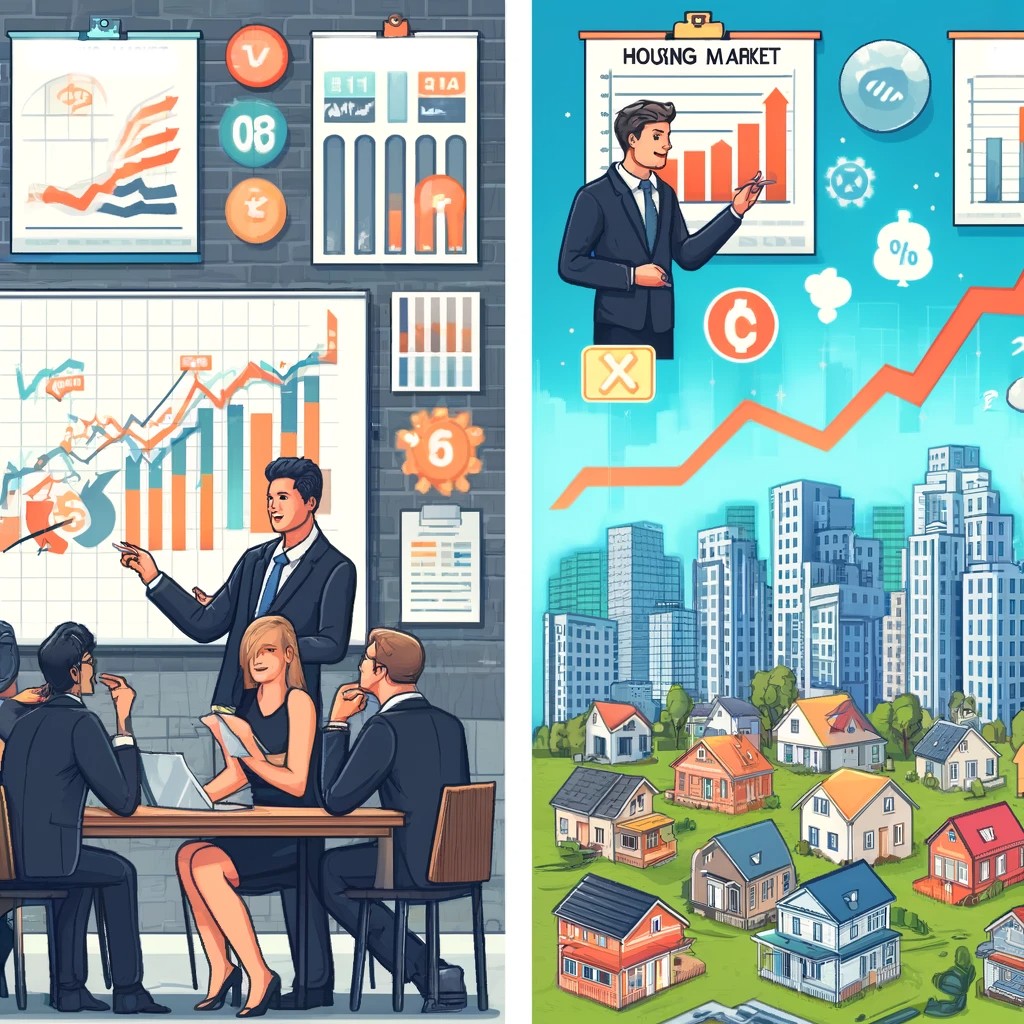
The evolution of urban landscapes into sophisticated smart cities has been more than just a theoretical concept; it is an ongoing transformation that is reshaping the way we live, work, and interact within our urban spaces. This advancement has, in turn, significantly impacted the housing market trends globally. Smart cities utilize cutting-edge technologies to optimize the efficiency of urban operations, enhancing processes like transportation, energy management, and waste disposal. These technological advancements aim to enhance the quality of life of the residents, thereby attracting more people to move into these cities. The demand for housing in smart cities is increasing, but this surge is not solely driven by the population growth. It’s also fueled by the desire for a better standard of living, which is a hallmark of these technologically advanced environments.
Traditional cities are gradually being upgraded to smart cities, incorporating various components of Information and Communication Technologies (ICT). These ICTs play a pivotal role in optimizing resources, reducing energy consumption, and ensuring sustainability. This transformation fosters a smart and sustainable living environment that appeals tremendously to prospective homeowners and investors. The implications of this shift are significant for stakeholders like urban planners, real estate developers, and policymakers who need to adapt rapidly to these changes.
In the sections that follow, we will explore how the emergence and development of smart cities influence housing market trends, focusing on areas such as supply and demand, real estate value, architectural innovation, and sustainability. By understanding these shifts, we can more effectively navigate the complexities of the evolving housing market.
Impact on Housing Supply and Demand
The shift towards smart city frameworks is rapidly altering the supply and demand dynamics in the housing market. As more people gravitate towards cities offering advanced technologies, there is a heightened demand for residential properties in these areas. What’s driving this demand is the allure of a smart lifestyle that promises enhanced security, efficient public services, and superior infrastructural facilities.
This increasing demand is pushing real estate developers to pivot their projects towards the smart city model, leading to a booming supply of smart homes and apartments. These properties are equipped with embedded sensors, smart appliances, and integrated communication networks that make daily living more convenient and efficient. For instance, energy-efficient systems that monitor and regulate utility usage are not only an attraction but also a selling point for properties in smart cities. This tech-savvy approach to housing attracts millennials and tech enthusiasts who prioritize convenience, sustainability, and modern living.
Moreover, government initiatives promoting smart city development are also influencing the supply aspect. Policymakers are enacting subsidies, tax incentives, and grants to encourage the construction of smart housing projects. These supportive policies stimulate real estate investment into smart infrastructure, ensuring a steady increase in the availability of smart homes.
Ultimately, the balance between supply and demand in the housing market of smart cities is being managed by both private and public sector efforts, leading to a dynamic housing market that is responsive to the needs and preferences of modern urban dwellers.
Real Estate Value Appreciation
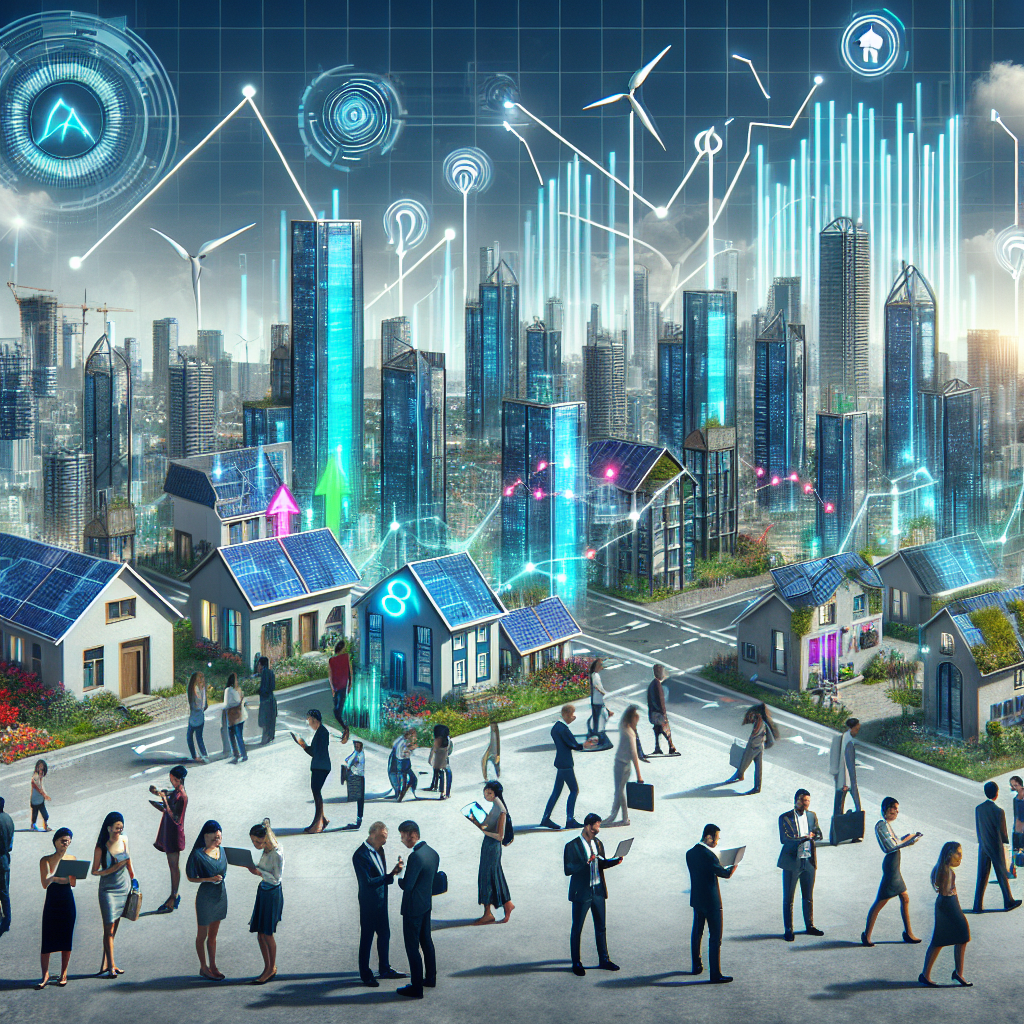
Another significant trend is the appreciation of real estate values in smart cities. Properties within these technologically advanced urban spaces are commanding higher prices compared to those in traditional cities, primarily due to the enhanced quality of life they offer. From smart energy grids to advanced security systems and efficient waste management solutions, these cities are designed to provide optimal living conditions.
Investors are keen to put their money into properties that promise higher returns, and smart cities are consistently proving to be lucrative investments. The integration of advanced technologies not only boosts the immediate appeal of these properties but also ensures long-term value appreciation. This proactive approach to urban development attracts both domestic and international investors who are eager to capitalize on the futuristic appeal of smart cities.
Real estate developers are harnessing these trends by embedding advanced features like smart home automation systems, renewable energy sources, and IoT-enabled devices into their projects. Such innovations drive up the value of properties, making them a desirable investment for both buyers and investors. The high tech appeal, coupled with sustainable living conditions, ensures that properties within smart cities remain valuable and sought-after.
Furthermore, proximity to smart infrastructure such as smart public transport systems, green spaces, and digital amenities significantly boosts the real estate value. This trend underscores the need for real estate developers and investors to stay abreast of technological advancements and integrate these innovations into their projects to ensure sustained market relevance and value.
Architectural Innovations
The rise of smart cities is also fostering groundbreaking architectural innovations. Architects and urban planners are pushed to think beyond traditional designs to create buildings and spaces that not only incorporate the latest technologies but also promote sustainability and energy efficiency.
One of the most notable innovations is the concept of green buildings. These structures are designed to minimize environmental impact through sustainable practices, including using renewable energy, reducing waste, and promoting energy efficiency. Smart buildings come equipped with automated systems that manage lighting, heating, cooling, and security, providing a seamless living experience. Additionally, the use of eco-friendly materials and construction practices help in reducing the carbon footprint.
Furthermore, the development of mixed-use buildings is becoming prominent in smart cities. These structures combine residential, commercial, and recreational spaces within a single development. This design not only enhances the convenience for residents but also promotes a sense of community, as people can live, work, and play within the same vicinity. These innovative architectural solutions cater to the modern urban lifestyle, fostering a live-work-play environment that is both sustainable and highly efficient.
The integration of smart mobility solutions, like electric vehicle (EV) charging stations and shared mobility services, also contributes to the architectural layout of smart cities. These solutions ensure that residents have easy and sustainable transportation options, further enhancing the appeal of living in a smart city. The focus on eco-friendly building practices and sustainable urban design is setting new standards in the housing market, driving demand for innovative and intelligent architectural solutions.
Sustainability as a Core Focus
Sustainability is at the heart of smart city development, and this focus is transforming housing market trends. With concerns about climate change and environmental degradation growing, there is an increasing demand for sustainable living solutions. Smart cities are leading the way by implementing green technologies and practices that reduce energy consumption, minimize waste, and promote renewable energy use.
One of the key aspects of sustainability in smart cities is energy efficiency. Smart homes are designed to use energy more efficiently, incorporating technologies like smart thermostats, solar panels, and energy-efficient appliances. These features not only reduce the environmental impact but also lower utility bills, making them attractive to environmentally conscious buyers.
Water conservation is another critical focus in smart cities. Smart water management systems monitor usage and detect leaks, promoting more efficient water use. These systems ensure that water resources are used judiciously, reducing wastage and conserving this precious resource.
Waste management in smart cities involves advanced technologies like sensor-based waste bins and intelligent waste collection systems. These technologies ensure efficient waste disposal and recycling, leading to cleaner urban environments. The emphasis on sustainability is driving a shift in the housing market, with buyers increasingly seeking homes that align with their environmental values. The growing popularity of eco-friendly homes is evident in the rising demand for properties that incorporate sustainable practices and technologies.
Challenges and Opportunities
The transition to smart cities and its impact on the housing market is not without challenges. One of the significant hurdles is the high cost of developing smart infrastructure. The initial investment required for implementing advanced technologies can be substantial, posing a challenge for developers and governments. However, the long-term benefits, both in terms of sustainability and economic returns, often outweigh the initial costs.
Another challenge is ensuring accessibility and inclusivity in smart city developments. It is essential to ensure that the benefits of smart city living are not limited to affluent sections of society but are accessible to everyone. Policymakers and urban planners must work towards creating affordable smart housing solutions that cater to diverse demographics. This inclusivity ensures balanced urban development and prevents social inequalities from widening.
Despite these challenges, the opportunities presented by the rise of smart cities are immense. The demand for smart housing solutions is driving innovation and technological advancements in the real estate sector. Developers are continually exploring new ways to incorporate cutting-edge technologies into housing projects, creating smarter, more efficient, and sustainable living spaces.
Moreover, the data generated by smart city technologies presents valuable insights that can be used to enhance urban planning and development. Data analytics can help identify patterns and trends, enabling more informed decision-making and resource allocation. This data-driven approach ensures that urban development is in tune with the needs and preferences of residents, leading to more effective and efficient city planning.
In conclusion, the rise of smart cities is significantly influencing housing market trends, shifting the focus towards technologically advanced, sustainable, and efficient living solutions. This transformation presents both challenges and opportunities, requiring a collaborative effort from developers, policymakers, and urban planners to ensure a balanced and inclusive urban development landscape.
Conclusion
The advent of smart cities is reshaping the housing market trends fundamentally by introducing advanced technological, architectural, and sustainable solutions into urban environments. As smart cities continue to develop and expand, they bring forth a plethora of opportunities for investors, developers, and residents alike. The emphasis on enhanced quality of life, economic viability, and sustainability positions smart cities as the future of urban living, driving a significant demand for housing within these areas.
For real estate developers, embracing smart city development means integrating advanced technologies and sustainable practices into housing projects. This approach not only meets the growing demand for smart homes but also ensures long-term value appreciation. Policymakers must also play a crucial role in fostering smart city growth by creating conducive environments for innovation and investment in smart infrastructure.
While the transition to smart cities presents challenges, such as high initial investment costs and the need for inclusivity, the long-term benefits far outweigh these hurdles. The data generated by smart city technologies offers valuable insights that can enhance urban planning and development, leading to more efficient and sustainable cities.
Ultimately, the role of smart cities in shaping housing market trends highlights the need for a holistic approach to urban development. By prioritizing technological advancements, sustainability, and inclusivity, we can create urban spaces that cater to the needs of modern living, ensuring a better quality of life for all residents. The future of housing lies in smart cities, and it is upon us to harness the opportunities they present to build smarter, more sustainable, and more inclusive urban environments.
Frequently Asked Questions
1. How do smart cities influence housing demand?
Smart cities revolutionize the infrastructure of urban areas by incorporating advanced technologies that alleviate various urban challenges. In doing so, they make cities more desirable places to live. For instance, enhanced transportation systems reduce commuting times and improve access to different parts of the city, making areas that were previously less attractive due to distance or commute times more viable for housing. Furthermore, green technologies that lower living costs, like energy-efficient buildings and sustainable water management systems, increase the appeal of residing in smart cities where the cost of living, over time, could be reduced. Thus, the improved quality of life and convenience offered by smart cities create a higher demand for housing as more individuals and families seek to relocate to these forward-thinking urban centers.
2. What role do smart technologies play in altering housing prices?
Smart technologies in cities directly influence housing prices in various ways. Properties within smart cities often see an increase in value due to the desirability of living in a technologically advanced environment. When a city integrates smart technologies, it generally becomes more efficient, sustainable, and pleasant to live in, which in turn heightens demand. Additionally, homeowners are often willing to pay premiums for energy-efficient homes that ultimately reduce monthly energy expenses. However, this surge in property values can also make affordability an issue, potentially pushing housing prices into a higher range and impacting socio-economic diversity if not managed properly.
3. In what ways do smart cities create opportunities for new housing developments?
Smart cities present a plethora of opportunities for new housing developments by leveraging data to make informed decisions about urban planning. Advanced analytics can uncover trends and demands that inform developers where new housing is needed, or where underutilized spaces can be transformed into residential sites. Moreover, the smart infrastructure enables developers to design projects that incorporate energy-efficient materials and sustainable construction practices. Integrating IoT (Internet of Things) devices and smart home technology from the beginning not only attracts modern buyers but also positions new developments as forward-thinking and aligned with the ongoing trends of urbanization. Additionally, smart city policies often support growth through incentives for sustainable building practices and by streamlining approval processes to promote quick and efficient creation of new housing options.
4. How do smart city developments affect residential preferences?
Smart cities have a profound impact on residential preferences by providing modern amenities that cater to contemporary lifestyles. These cities offer enhanced connectivity, security, and conveniences that are increasingly in demand. For example, the presence of pervasive WiFi, smart security systems, and app-controlled public services create an environment where individuals can enjoy greater freedom and efficiency in their daily routines. The ability to remotely control home devices, monitor energy usage, or seamlessly interact with community systems appeals to tech-savvy residents prioritizing convenience and environmental responsibility. Furthermore, smart cities often prioritize green spaces and community centers, which elevates the attractiveness and well-being of those choosing to reside there. As a result, considerable shifts towards high-tech and eco-friendly living arrangements are becoming more common.
5. Are there any challenges smart cities face in terms of housing affordability?
While smart cities provide myriad benefits, they also face significant challenges regarding housing affordability. The influx of new residents and increased demand driven by the allure of smart city living can drive up housing costs, making it difficult for lower-income families to afford living spaces. Rising property values and gentrification often accompany smart city developments, pushing existing communities out unless careful measures are implemented. Additionally, the initial cost of adopting smart technologies can be prohibitive, contributing further to housing cost inflation. City planners and policymakers must balance technological advancement with the creation of affordable housing solutions to ensure that smart cities remain inclusive and democratically accessible. Approaches like inclusionary zoning, subsidies for affordable housing projects, or tax incentives for developers who implement cost-efficient living solutions are some strategies being employed to mitigate these challenges.