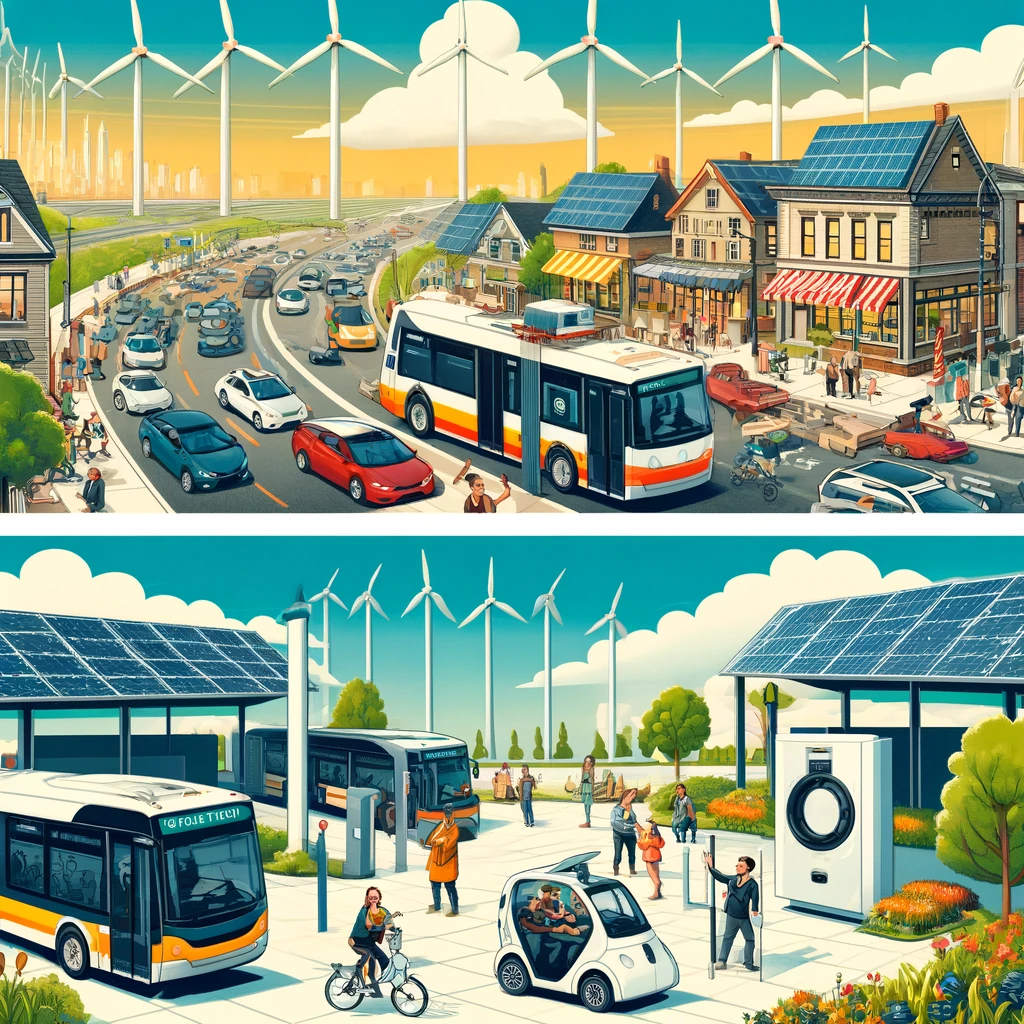
Green leasing strategies for commercial and mixed-use buildings are no longer a niche concern for sustainability teams; they are now a core operating tool for owners, asset managers, tenants, and lenders trying to reduce costs, meet climate targets, and protect long-term property value. A green lease is a lease that aligns landlord and tenant responsibilities around energy, water, waste, indoor environmental quality, data sharing, and capital improvements so both parties can support measurable environmental performance. In practice, that means standard lease clauses are adjusted to address issues like submetering, building certifications, fit-out standards, procurement rules, and how savings from efficiency projects are recovered. I have worked on lease reviews where a well-drafted clause resolved years of conflict over utility data and after-hours HVAC charges, while a conventional lease left both sides paying more and learning less. That is why this topic matters: in commercial and mixed-use buildings, sustainability outcomes are often determined less by design intent than by what the lease allows, requires, or discourages. Offices, retail, residential-over-retail, hospitality, medical suites, and coworking floors all create different occupancy patterns, but every one of them depends on clear rules for operating shared systems efficiently. Without a green leasing strategy, owners face split incentives, tenants lack visibility, and even high-performance buildings can underperform in daily use.
For commercial and mixed-use assets, the need is especially urgent because these properties combine multiple user types, varied operating hours, and complex base-building systems. A mixed-use tower may have retail tenants needing extended ventilation, offices wanting strict thermal comfort, and apartment residents expecting reliable hot water, all connected to the same energy infrastructure. If lease language does not define data access, operating standards, alteration review, and cost allocation, sustainability goals stay aspirational. Green leasing strategies solve that problem by translating environmental objectives into enforceable business terms. They also support compliance with standards and regulations such as ENERGY STAR benchmarking, ASHRAE operating guidance, LEED and BREEAM certification requirements, local building performance standards, and carbon disclosure rules. The result is not just lower emissions. Strong green leases improve net operating income by reducing waste, supporting capital planning, and making performance visible to occupiers and investors. They also strengthen retention, because tenants increasingly want space that helps them meet their own environmental reporting obligations. A practical green leasing strategy therefore sits at the intersection of law, building operations, sustainability, and asset management, and the buildings that handle that intersection well consistently outperform peers in resilience and marketability.
What a Green Leasing Strategy Actually Includes
A green leasing strategy is broader than inserting a sustainability rider at the end of a standard form lease. It begins with portfolio goals, then maps those goals into lease clauses, operating procedures, tenant engagement, and measurement protocols. The legal document matters, but so do the supporting playbooks used by property management, construction teams, and brokers. In my experience, the strongest programs start by deciding which outcomes are nonnegotiable: energy data sharing, efficient alterations, minimum fit-out standards, waste management rules, procurement preferences, commissioning support, and cooperation on certifications or building performance laws. Once those priorities are defined, ownership can create a clause library rather than renegotiating every concept from scratch on each deal.
Key provisions generally address utility benchmarking, tenant energy and water disclosure, installation of submeters where feasible, lighting power density limits, HVAC scheduling, after-hours use charges, and access for retro-commissioning or capital projects. They often include obligations to use low-emitting materials, ENERGY STAR appliances, LED lighting, and equipment that meets recognized efficiency thresholds. For mixed-use buildings, strategy must also separate base-building responsibilities from demised-premises obligations. Retail kitchens, for example, may have unusually high exhaust loads that affect common systems, while office tenants may drive plug loads through dense IT equipment. A lease should identify who pays for upgrades, who approves alterations, and how savings or added costs are allocated when improvements benefit both parties.
Successful strategies also define governance. Many owners establish sustainability meetings, annual performance reviews, and fit-out guidelines that become exhibits to the lease. Those documents explain how tenants submit data, how construction waste must be diverted, what metering hardware is acceptable, and which indoor air quality protections apply during renovation. The point is consistency. A green lease works best when legal language, building rules, and day-to-day operations all point in the same direction.
Solving Split Incentives Between Owners and Tenants
The central challenge in green leasing is the split incentive problem. Owners often pay for capital improvements, while tenants receive lower utility bills. In gross leases, landlords may control utilities but tenants control behavior. In triple-net structures, tenants may pay operating costs directly, reducing the owner’s incentive to invest in efficiency unless rents or asset value rise enough to justify it. Mixed-use properties complicate this further because some occupancies share systems and others are separately metered. Green leasing strategies are effective because they assign costs and benefits more rationally.
One common solution is an expense recovery clause that allows the landlord to pass through the cost of qualifying efficiency improvements to the extent annual savings offset the charge. If a chiller retrofit reduces common-area electricity costs by more than the annual amortized payment, both parties can benefit without increasing the overall operating burden. Another approach is a sustainability capital expenditure provision tied to useful life, verified savings, or compliance requirements. I have seen this structure work well where local energy ordinances effectively force upgrades but traditional lease language would have triggered disputes over whether the work was capital or operational.
Data transparency is equally important. When tenants see interval consumption data, they are far more likely to support scheduling changes, lighting controls, and equipment upgrades. In a mixed-use asset, retail tenants with long hours may resist broad energy policies unless the owner can show exactly how usage patterns affect costs. Green leases create that shared fact base. They also protect against free-rider issues by clarifying that tenants causing disproportionate load, waste, or after-hours demand bear related costs. Fair allocation is what turns sustainability from a marketing statement into a durable operating model.
Core Lease Clauses That Drive Building Performance
Not every clause delivers equal value. The most important green lease provisions are the ones that influence measurable outcomes and reduce ambiguity in enforcement. The following table highlights core clauses, what they do, and why they matter in commercial and mixed-use buildings.
| Clause area | Typical requirement | Operational benefit |
|---|---|---|
| Energy and water data sharing | Tenant provides utility data or authorizes direct access from utility providers and submeters | Enables benchmarking, compliance reporting, and targeted efficiency projects |
| Alterations and fit-outs | Work must meet lighting, HVAC, materials, and commissioning standards | Prevents inefficient tenant improvements that lock in excess load for years |
| Operating hours and HVAC use | Defines standard schedules and after-hours charges | Reduces waste and allocates extra consumption fairly |
| Capital cost recovery | Allows recovery of qualifying sustainability investments through operating expenses or amortization | Unlocks retrofit projects that otherwise stall under split incentives |
| Waste and recycling | Requires source separation, hauling coordination, and construction waste diversion | Improves diversion rates and supports local compliance |
| Building certifications and laws | Tenant agrees to cooperate with certification, audits, and performance standards compliance | Protects asset value and reduces legal friction during reporting cycles |
Beyond these basics, sophisticated leases address refrigerant management, electric vehicle charging, embodied carbon in materials, procurement of renewable electricity, demand response participation, and resilience planning. However, complexity should serve a purpose. If a building lacks submeters, a highly detailed data clause may be less useful than first securing audit rights and future metering authority. If mixed-use occupancies rely on one central plant, then scheduling, allocation methodology, and alteration review are often more valuable than generic recycling language. The best clauses are building-specific, measurable, and enforceable.
Mixed-Use Buildings Require Tailored Operating Rules
Commercial towers with one dominant occupancy can often standardize lease language across the rent roll. Mixed-use buildings rarely have that luxury. A property with ground-floor restaurants, two floors of medical office, upper-floor coworking, and residential units has overlapping but different environmental priorities. Restaurants generate grease, heat, and ventilation demand; medical tenants may have specialized plug loads and stricter air requirements; residential users care about comfort and water reliability; coworking operators need flexibility and dense occupancy management. A green leasing strategy for this kind of asset has to balance consistency with customization.
The first step is to identify shared systems and shared impacts. Central chilled water, condenser water, domestic hot water, loading docks, waste rooms, and parking ventilation all create cross-tenant consequences. Lease clauses should require tenants whose operations impose above-standard loads to disclose equipment specifications early, obtain engineering review, and pay for incremental infrastructure where appropriate. This is especially important during fit-out. A food tenant installing powerful exhaust without coordinated make-up air planning can destabilize energy performance for adjacent spaces. Likewise, a medical imaging suite may affect electrical capacity and cooling requirements beyond its premises.
Noise, odor, moisture, and operating hours also matter. In mixed-use settings, green leasing cannot focus only on kilowatt-hours. Indoor environmental quality and occupant health are part of sustainable performance because poor air balancing, filtration, and maintenance increase complaints, turnover, and legal risk. I have seen mixed-use assets improve tenant satisfaction simply by writing clearer alteration standards for filtration, low-VOC materials, and moisture control during renovations. Those clauses reduced rework and protected occupied areas nearby. A strong strategy treats the building as an ecosystem, not a stack of unrelated leases.
Implementation, Measurement, and Continuous Improvement
Even the best lease language fails if the organization cannot implement it. Owners need a repeatable process spanning acquisition, leasing, design review, operations, and annual asset planning. Start with a lease audit across the portfolio to identify which existing clauses support or hinder sustainability goals. Then build approved language for new deals, renewal templates, and amendment options for major tenants. Property managers should be trained to explain the business rationale behind each clause, because enforcement is easier when expectations are clear from the first tour through move-in.
Measurement should focus on metrics that can be tracked consistently: whole-building energy use intensity, water use, waste diversion, indoor air quality indicators, after-hours HVAC demand, and tenant participation rates in data sharing or fit-out compliance. Tools such as ENERGY STAR Portfolio Manager, LEED Arc, building automation systems, and submeter analytics platforms can provide the evidence needed to verify results. In cities with benchmarking and building performance standards, these systems are not optional extras; they are part of basic risk management. Owners should also document baseline conditions before major upgrades so savings calculations are credible.
Continuous improvement is where mature green leasing strategies separate themselves from symbolic programs. Review clauses after each major negotiation. Track where tenants resist, where property teams need better procedures, and where cost recovery formulas create confusion. A clause that works in a suburban office park may fail in an urban mixed-use podium with restaurant turnover and extended retail hours. Update exhibits, tenant manuals, and design criteria regularly. Most important, use data to have constructive conversations. When tenants can see that a scheduling change cut after-hours energy by double digits or that a fit-out standard improved indoor air complaints, cooperation becomes easier. Green leasing succeeds when it is treated as an operating discipline, not a one-time legal exercise.
Green leasing strategies work because they convert sustainability goals into practical, enforceable decisions about data, design, operations, and cost allocation. For commercial and mixed-use buildings, that conversion is essential. These assets are too complex to rely on goodwill alone, and too exposed to energy prices, regulation, and tenant expectations to keep using conventional leases that ignore performance. The most effective approach is clear: define portfolio priorities, solve split incentives, tailor clauses to actual building systems, and support the lease with measurement and operational follow-through.
Owners and tenants both benefit when responsibilities are explicit. Owners gain stronger compliance, better capital planning, and more durable asset value. Tenants gain transparency, healthier space, and a clearer path to meeting internal environmental commitments. Mixed-use buildings benefit most of all, because their overlapping uses make coordination indispensable. A green lease is not just a legal document. It is a management framework that helps everyone use the building better.
If you are building a sustainable urban development strategy, start by reviewing your current lease forms and operating rules against the performance outcomes you need over the next five years. Identify the clauses that already help, the gaps creating waste or conflict, and the tenant conversations that must happen before the next renewal cycle. Then create a green leasing roadmap that your legal, asset management, engineering, and property teams can execute together. That is how sustainable intent becomes measurable building performance.
Frequently Asked Questions
1. What is a green lease, and how is it different from a standard commercial lease?
A green lease is a commercial lease that explicitly aligns landlord and tenant responsibilities around sustainability, building performance, and resource efficiency. While a standard lease typically focuses on rent, maintenance, operating expenses, use restrictions, and default provisions, a green lease adds practical language covering issues such as energy efficiency, water use, waste reduction, indoor environmental quality, emissions reporting, and performance data sharing. The goal is to make sustainability operational rather than aspirational.
In practice, that means the lease can address who is responsible for tracking utility data, how capital improvements are evaluated, whether efficient equipment is required during tenant build-outs, how recycling and composting programs are handled, and how each party cooperates with benchmarking, certifications, and regulatory compliance. This is especially important in commercial and mixed-use buildings, where owners and tenants often control different parts of the energy and operating profile.
The biggest difference is that a green lease helps solve the classic “split incentive” problem. In many buildings, the owner pays for capital upgrades while the tenant benefits from lower utility bills, or the tenant controls operations that affect the owner’s asset performance and compliance obligations. Green lease clauses help bridge that gap by setting expectations upfront, sharing data, and creating mechanisms for collaboration. Done well, they reduce waste, lower costs, support climate goals, and protect asset value without changing the fundamental business relationship between landlord and tenant.
2. Why are green leasing strategies becoming so important for commercial and mixed-use properties?
Green leasing strategies have become important because sustainability is now directly tied to operating costs, tenant demand, compliance risk, and long-term asset performance. Owners and asset managers are under growing pressure to improve building efficiency, reduce emissions, and document performance for investors, lenders, and regulators. Tenants are also more focused on occupancy costs, employee wellness, ESG commitments, and brand reputation. A lease is one of the most effective tools for turning those priorities into enforceable day-to-day practices.
For mixed-use properties, the need is even greater because there are more variables to manage. Office tenants, retailers, restaurants, multifamily components, and common areas may each have different operating schedules, equipment loads, waste streams, and water demands. Without clear lease language, it becomes difficult to coordinate building-wide efficiency initiatives or collect the data needed to measure results. Green leasing creates a framework for cooperation across those different uses, helping the entire property operate more consistently and efficiently.
There is also a financial and risk-management dimension. Buildings that perform poorly on energy or emissions may face higher operating expenses, reduced competitiveness, and growing exposure to local building performance standards, disclosure laws, or carbon-related requirements. At the same time, efficient and well-managed buildings are often better positioned to retain tenants, support rent premiums, attract capital, and preserve value over time. Green leasing is no longer just a sustainability add-on; it is a practical strategy for improving resilience, transparency, and performance across the asset lifecycle.
3. What clauses should be included in a green lease for the best results?
The most effective green leases are tailored to the building, tenant mix, and market, but several core clauses consistently deliver value. One of the most important is a utility and performance data-sharing clause. This gives the landlord access to the information needed for benchmarking, regulatory reporting, sustainability certifications, and performance analysis, while clarifying how tenant data will be collected, protected, and used. Without good data, it is very hard to manage building performance in a meaningful way.
Another essential area is energy and water efficiency standards. A green lease can require efficient lighting, HVAC equipment, controls, appliances, and fixtures in tenant improvements and replacement projects. It can also establish operating practices such as after-hours HVAC policies, submetering requirements, commissioning cooperation, and preventive maintenance standards. For mixed-use buildings, these provisions help reduce inconsistencies between spaces that can undermine broader building performance goals.
Waste management and indoor environmental quality are also important. Strong leases often include requirements for recycling, composting, construction waste diversion, and responsible handling of hazardous materials. Indoor environmental quality provisions may address low-emitting materials, ventilation practices, cleaning standards, tobacco restrictions, and occupant comfort measures. These clauses support both sustainability outcomes and tenant experience.
Finally, many sophisticated green leases include capital improvement and cost-recovery language. This is where the business case becomes real. If the landlord makes an upgrade that reduces utility or operating expenses, the lease can define how those costs are shared or amortized, often in a way tied to expected savings. Some leases also include cooperation around certifications such as LEED, ENERGY STAR, BREEAM, or Fitwel. The best results come from clear, measurable, and workable provisions rather than vague statements of intent.
4. How can landlords and tenants overcome the split incentive problem in green leasing?
The split incentive problem happens when one party pays for improvements and the other receives most of the financial benefit. It is one of the main reasons sustainability opportunities stall in leased buildings. Green leasing addresses this by creating transparency, allocating responsibilities more fairly, and building cost-sharing mechanisms into the lease structure. Instead of treating sustainability upgrades as separate negotiations every time an opportunity appears, the lease establishes rules in advance.
One common solution is an expense recovery provision for qualified efficiency improvements. For example, if the landlord installs better controls, upgrades common-area systems, or improves central plant equipment, the lease may allow recovery of costs through operating expenses to the extent those costs are offset by measurable savings. This helps the owner justify the investment while still protecting the tenant from paying more than the value delivered. The same principle can be used for water savings, waste handling efficiencies, and resilience-related improvements.
Submetering and data transparency are also powerful tools. When tenants can see their actual energy and water use, and when landlords can analyze whole-building trends, it becomes easier to identify waste, target improvements, and show the financial impact of operational changes. In mixed-use settings, this is especially useful because different tenant types can have very different load profiles. Clear reporting can reduce disputes and encourage better behavior on both sides.
Just as important, successful green leases are collaborative rather than punitive. They may include sustainability meetings, fit-out guidelines, notice requirements for major energy loads, and mutual cooperation on benchmarking or compliance. When both landlord and tenant understand how efficiency, comfort, operating costs, and asset value are connected, the lease becomes a shared management tool rather than a one-sided compliance document.
5. How should owners implement green leasing strategies across an existing portfolio?
Portfolio-wide implementation works best when owners start with a structured, phased approach. The first step is to identify the organization’s goals: lower operating expenses, emissions reduction, regulatory readiness, stronger ESG reporting, better tenant engagement, improved health and wellness outcomes, or some combination of these. Once those priorities are clear, owners can develop a green leasing playbook with standard clauses, fallback positions, approval workflows, and negotiation guidance for legal, leasing, property management, and asset management teams.
The next step is segmentation. Not every asset or tenant requires the same lease provisions. A high-rise office tower, neighborhood retail center, mixed-use urban project, and industrial-flex property may each need different emphasis areas. Existing leases should be reviewed to identify renewal opportunities, amendment opportunities, and major gaps such as missing data rights, weak operating standards, or unclear cost-recovery language. For new leases, owners can introduce a stronger green lease template immediately. For existing tenants, improvements can often be added during renewals, expansions, or tenant improvement discussions.
Implementation also depends on internal coordination. Leasing teams need commercially realistic language. Property managers need procedures for collecting data and administering clauses. Engineers need standards for equipment and operations. Sustainability teams need reporting consistency. Legal teams need enforceable provisions that fit local law and market conditions. Training these groups together is critical, because even the best lease language will underperform if the operating teams do not know how to use it.
Finally, owners should measure results and refine their strategy over time. Track key metrics such as energy use intensity, water consumption, waste diversion, tenant participation, certification outcomes, regulatory compliance status, and utility cost trends. Document which clauses are easiest to negotiate and which create the most operational value. In a strong program, green leasing is not a one-time drafting exercise. It is an evolving portfolio strategy that supports efficiency, resilience, tenant relationships, and long-term property value in a market that increasingly rewards measurable performance.