
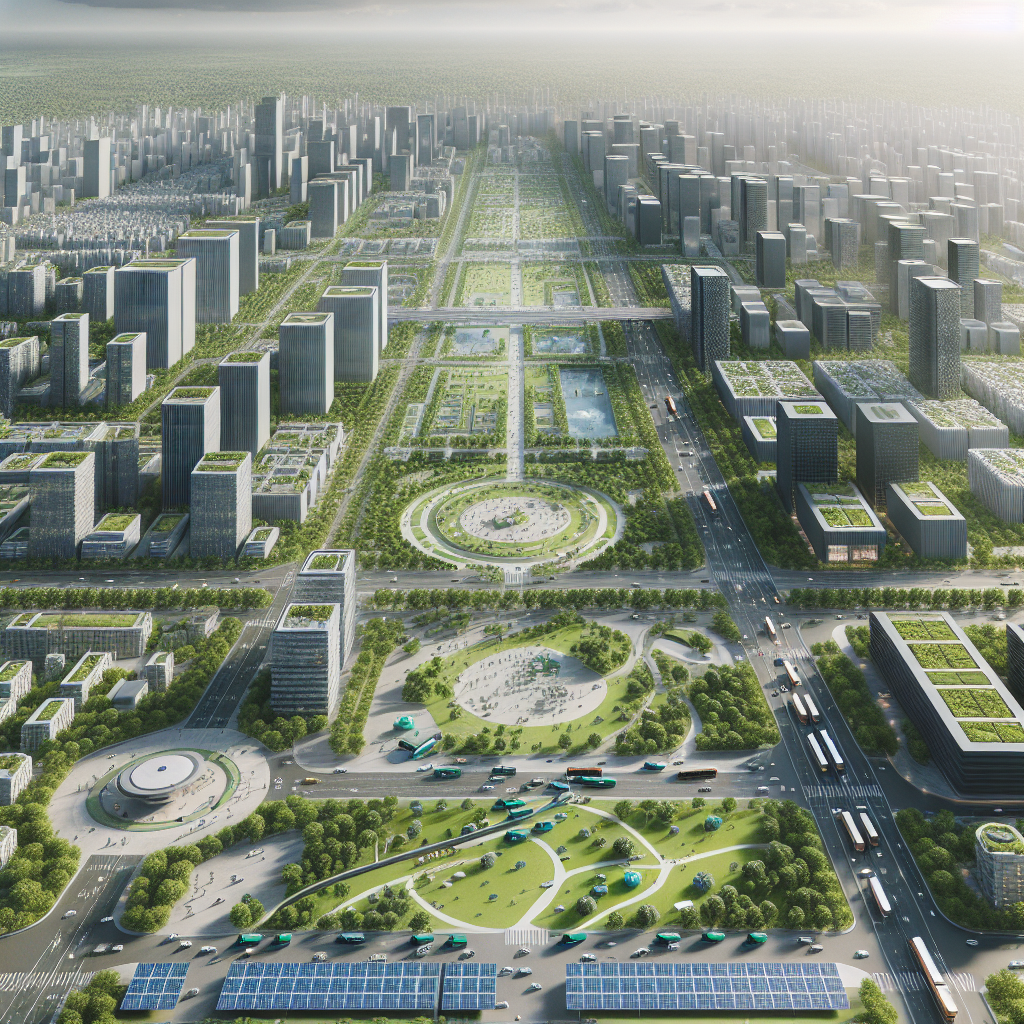
Urban planning is a critical facet of civil engineering and community development, serving as the blueprint for any city’s growth and evolution. As populations burgeon, the need for well-strategized urban environments that cater to the community’s needs while preserving ecological balance becomes more pressing than ever. Smart growth principles have steadily gained traction as a sustainable development strategy, aimed at curbing urban sprawl and promoting compact, transit-oriented, walkable, and bike-friendly land-use planning. This paradigm shift recognizes that the form and design of our environments play immense roles in determining the quality of life, environmental sustainability, and economic vitality of urban areas.
Imagine a city where public transport is efficient, green spaces abound, and essential services are just a short walk or bike ride away. Such cities aren’t a distant fantasy but a realizable goal with proper urban planning and smart growth strategies. These methods help create communities with a sense of place, reduce dependency on cars, lower greenhouse gas emissions, and preserve open spaces. By diving into the essence of urban planning and the implementations of smart growth, we can understand the myriad strategies available for fostering more sustainable urban development. These strategies are paramount to building livable cities, fostering economic prosperity, and ensuring environmental conservation for future generations.
Principles of Smart Growth
Smart growth involves designing urban environments that are both economically viable and environmentally sustainable. The core principles include promoting mixed land uses, creating walkable neighborhoods, encouraging community and stakeholder collaboration, fostering distinctive and attractive communities with a strong sense of place, and making development decisions predictable, fair, and cost-effective.
Mixed land use development supports diverse and vibrant communities by integrating residential, commercial, and recreational spaces. This variety not only makes day-to-day life more convenient but also enhances economic activity and promotes social interactions. Walkable neighborhoods reduce the dependence on cars, thereby cutting down on greenhouse gas emissions and fostering healthier lifestyles. Public participation is also crucial. Bringing communities together in the planning processes ensures that development meets local needs and values. This inclusive approach garners broader support for projects and initiatives. Moreover, maintaining a unique local character boosts community pride and local engagement, which in turn attracts tourism and investment. A fair and transparent decision-making process reduces uncertainties for developers and investors, encouraging more sustainable and responsible projects. By adhering to these principles, cities can develop in a manner that balances economic needs with environmental responsibilities, creating thriving, resilient urban areas.
Strategies for Implementing Smart Growth
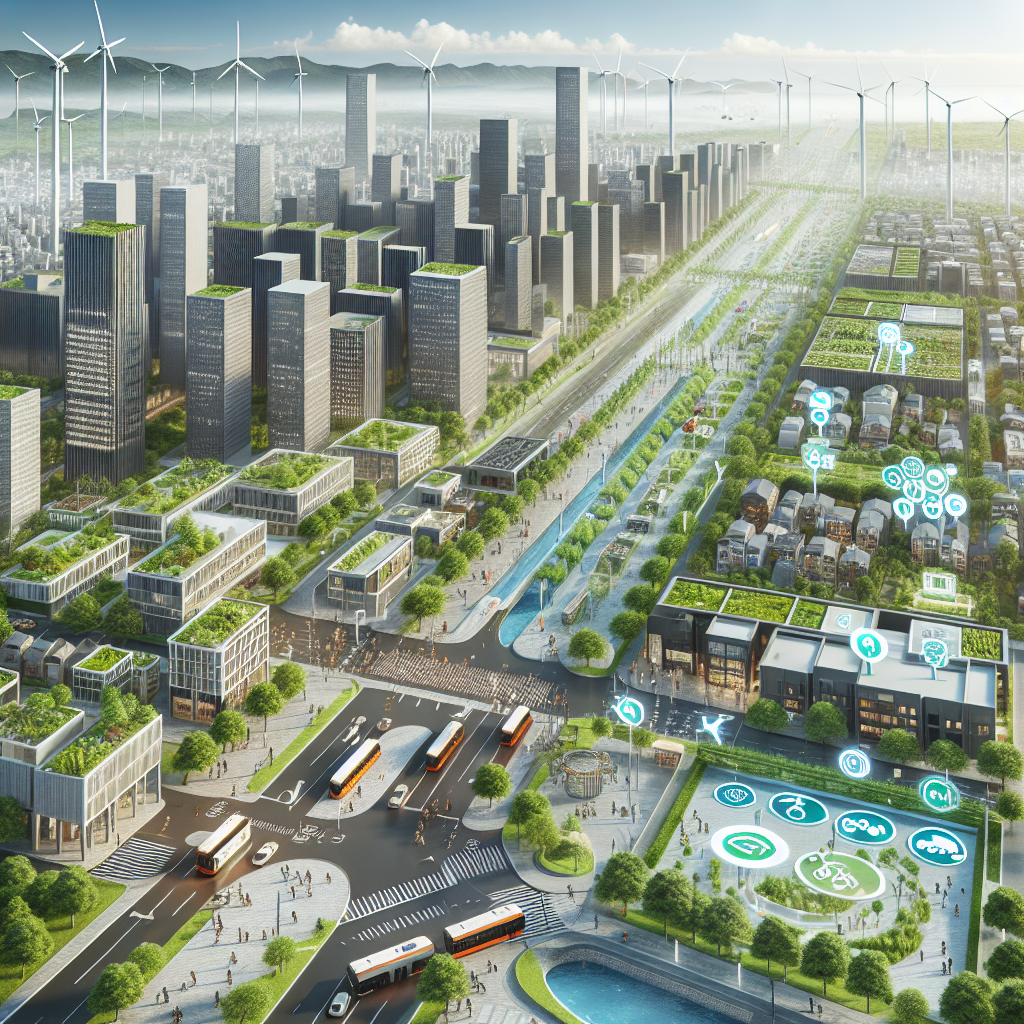
Implementing smart growth strategies involves a multi-faceted approach. One essential strategy is the development of extensive and efficient public transportation systems. High-quality public transit reduces the need for personal vehicles, easing traffic congestion and lowering pollution levels. It’s also crucial to support transit-oriented development (TOD), which integrates residential and commercial areas around transit hubs to maximize efficiency and accessibility. Zoning regulations need to be revisited as well. Traditional zoning often promotes urban sprawl by segregating residential, commercial, and industrial zones. Instead, form-based codes, which focus on building relationships and the physical form of development rather than land use, enable a more integrated and aesthetically pleasing urban environment. Promotion of green building practices is another strategy. Encouraging the construction of energy-efficient, environmentally friendly buildings reduces the urban heat island effect, lowers resource consumption, and mitigates the environmental impact of urban development. Furthermore, integrating green roofs, renewable energy sources, and sustainable materials into urban planning can transform cities into more resilient and adaptive spaces amidst the growing challenges of climate change.
Challenges to Smart Growth
Despite the apparent benefits of smart growth strategies, there are significant challenges to their implementation. Financial constraints often hinder the development of extensive public transportation systems and the adoption of green building practices. Many municipalities struggle with budget limitations and the high initial costs associated with sustainable development projects. Public resistance to change poses another hurdle. Often, community members may feel wary or skeptical about new planning initiatives, fearing potential downsides like increased living costs or displacement. Overcoming these concerns requires thorough community engagement and education about the long-term benefits of smart growth. There is also the issue of regulatory and policy barriers. Existing regulations and zoning laws in many places are outdated and not conducive to smart growth. Reforming these regulations requires not only political will but also time and effort to ensure that new policies are appropriately tailored to foster sustainable urban development.
Case Studies: Success Stories in Smart Growth
Successful implementation of smart growth strategies can be observed in various cities worldwide. One notable example is Portland, Oregon. With its urban growth boundary, the city has successfully curbed urban sprawl, preserving natural beauty and agricultural land. The city’s comprehensive public transportation system, coupled with policies promoting walkability and bikeability, has made it a model for smart growth planning. In Europe, Copenhagen stands out with its robust cycling infrastructure, extensive public transit options, and urban design that promotes high-quality, inclusive public spaces. These efforts have yielded a high quality of life, reduced carbon footprint, and a vibrant, resilient urban environment. In Asia, Singapore’s approach to urban planning integrates high-density residential areas with green spaces and comprehensive public transportation. The city-state’s rigorous focus on sustainability, from water resource management to green building standards, showcases a successful embodiment of smart growth principles.
The Future of Urban Planning and Smart Growth
The future of urban planning lies in the continued and expansive adoption of smart growth principles. Technological advancements and data analytics offer new tools for planners to understand and address the dynamic needs of urban populations. Big data, for instance, can inform more efficient public transit routes, while smart grids can optimize energy consumption across cities. Smart cities also represent the future of urban environments. These cities harness technology to enhance the quality of life for residents, focusing on sustainability, efficiency, and connectivity. From intelligent traffic management systems to IoT-enabled infrastructure, these advancements promise to drive the next wave of smart growth. However, achieving this future requires unwavering commitment from policymakers, city planners, and communities. It involves embracing innovation, fostering public-private partnerships, and ensuring inclusivity in urban development processes. The integration of environmental, social, and economic objectives is essential to building urban areas that are equipped to thrive amid future challenges.
Conclusion
Urban planning and smart growth strategies are pivotal in shaping sustainable and resilient cities for future generations. By adhering to core principles such as mixed-use development, walkable neighborhoods, and robust public transport systems, and by overcoming challenges through persistent and collaborative efforts, cities worldwide can transform into vibrant, livable spaces. The success stories from Portland, Copenhagen, and Singapore demonstrate that commitment to these principles can result in significant long-term benefits, from reduced environmental impact to enhanced quality of life. As urban populations continue to rise, the importance of smart growth becomes even more pronounced. The future of sustainable urban development hinges on integrating cutting-edge technology with traditional planning principles, ensuring that urban environments not only meet the needs of their residents but also promote environmental stewardship and economic vitality. Through persistent dedication to smart growth strategies, we can build cities that are not only livable today but also prepared to face the challenges of tomorrow. Urban planning is a dynamic field that requires constant innovation and adaptability. By continuing to prioritize smart growth, we can create urban environments that enhance our quality of life, protect our natural resources, and foster thriving communities for generations to come.
Frequently Asked Questions
1. What is urban planning and why is it important for sustainability?
Urban planning serves as the foundational blueprint for the development and evolution of cities. It encompasses the deliberate and strategic design and regulation of the layout, functionality, and aesthetics of urban spaces. Its cornerstone is sustainability, focusing not only on the current needs of the community but also aiming to safeguard environmental resources for future generations. The importance of urban planning lies in its ability to navigate and mitigate the challenges of growing populations, traffic congestion, pollution, and housing shortages. By fostering organized growth, urban planning ensures cities remain functional, vibrant, and liveable, establishing a sustainable urban ecosystem where residents can thrive.
2. What are the core principles of smart growth in urban planning?
Smart growth is a comprehensive planning strategy that seeks to address urban sprawl and its associated issues. Its core principles are centered around creating more sustainable, efficient, and livable communities. These include encouraging mixed land uses, promoting compact building designs, supporting a variety of transportation choices, and fostering walkable neighborhoods. Smart growth also emphasizes the strengthening of urban centers, limiting suburban sprawl, preserving open spaces and natural resources, and actively involving community stakeholders in the planning process. In essence, smart growth is about harmoniously integrating development with environmental preservation to enhance the quality of life for all residents.
3. How can urban planning and smart growth strategies reduce environmental impact?
Urban planning and smart growth strategies play pivotal roles in reducing environmental impacts by minimizing urban sprawl and encouraging environmentally friendly practices. They prioritize the efficient use of land and resources, aiming to lessen dependence on automobiles through the promotion of alternative transportation options like biking, walking, and public transit. Smart growth further supports the preservation of open spaces, such as parks and greenways, which provide crucial ecosystem services including carbon sequestration and habitat preservation. Moreover, it encourages the use of green building techniques and infrastructure designs that minimize energy consumption and reduce wastewater. Overall, these strategies help to decrease pollution levels, conserve energy, and enhance urban resilience to climate change.
4. What role does public transportation play in smart growth and urban planning?
Public transportation is a cornerstone of smart growth and urban planning strategies. It serves not only as a practical solution for reducing traffic congestion and pollution but also as a catalyst for economic development and community connectivity. Through strategic planning, urban areas can develop transit-oriented communities that prioritize accessibility and convenience, making it easier for residents to move around without relying on personal vehicles. This shift reduces the environmental footprint of transportation, lowers emissions, and conserves energy. Furthermore, well-developed public transportation systems can stimulate local economies by increasing accessibility to jobs and services, while also encouraging more vibrant, dynamic urban environments with fewer cars and more public spaces.
5. How do urban planners address community needs while promoting sustainability?
Urban planners act as mediators balancing community needs with sustainability imperatives through inclusive and strategic planning processes. They gather input from community stakeholders, including residents, businesses, and civic leaders, to understand the unique needs and aspirations of the population. By promoting strategies such as mixed-use developments, they create functional neighborhoods that provide housing, employment, and amenities in close proximity, reducing the need for long commutes and fostering a strong sense of community. In addition, urban planners incorporate sustainable practices like green spaces, renewable energy sources, and sustainable materials in urban design. This holistic approach ensures that urban growth is sustainable, equitable, and responsive to the needs of all inhabitants, creating a higher quality of life and a more sustainable urban future.


