
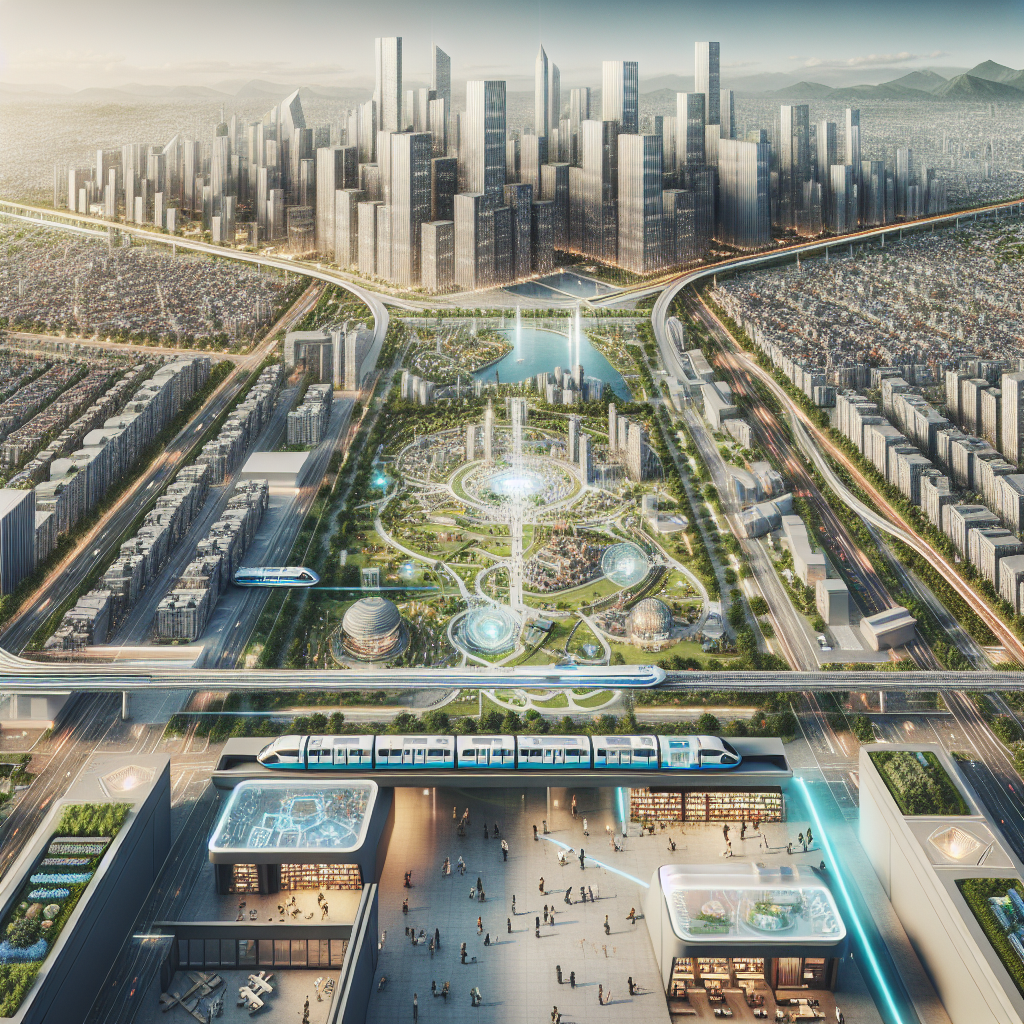
Urban planning, a significant instrument in the toolbox of any city, is pivotal in encouraging not only structured growth but also innovation. This is a crucial area for policymakers, urban designers, and city planners. With the global population increasingly moving towards urban areas, the conception, design, and management of these urban spaces become more critical than ever. Today’s cities must adapt and evolve to support dynamic changes, stimulate progress, and foster innovation. This adaptability directly correlates with effective urban planning and policy management. The focus on creating ‘smart cities’ has brought this into sharp relief, highlighting how innovative thinking can transform urban spaces into areas conducive to both economic growth and enhanced quality of life.
Urban planning isn’t just about where buildings go and how streets are laid out. It carries deeper implications for the social, economic, environmental, and cultural facets of a city. From the density and nature of the infrastructure to the presence of green spaces, the planning decisions significantly impact how a city develops and thrives. More importantly, enlightened urban planning can turn cities into hubs of innovation and productivity. It can make them more resilient, sustainable, and equitable. Let’s dive in and examine how urban planning can serve as a catalyst for fostering innovation in today’s rapidly changing urban landscapes.
Creating Innovative Infrastructures
One of the primary ways urban planning drives innovation is through the development of infrastructures designed to support technological advancements and creative enterprises. Smart infrastructure, such as the incorporation of IoT (Internet of Things) technologies, can revolutionize how a city functions. For instance, smart grids, smart transportation systems, and intelligent traffic management systems all contribute to a more efficient and innovative urban environment.
Furthermore, the planning process itself can integrate the idea of multifunctional spaces. Mixed-use developments, where residential, commercial, and recreational spaces coexist, encourage a higher degree of interaction and collaboration among residents. This physical proximity facilitates the exchange of ideas and innovation, serving as a fertile ground for creative ventures and startups.
Public spaces can also be reimagined to promote innovation. Maker spaces, business incubators, and shared working environments within a city can stimulate entrepreneurship. These spaces provide not only the physical tools necessary for creation but also a supportive community, fostering a culture of innovation and collaboration. Therefore, through thoughtful urban planning, cities can become living innovation ecosystems, fostering creativity at every turn.
Enhancing Connectivity
Connectivity is the lifeblood of any city aiming to be a beacon of innovation. The role of urban planning in enhancing both physical and digital connectivity cannot be underestimated. Effective transportation networks, comprising roads, railways, and cycle paths, ensure that people and goods move smoothly and efficiently, which is fundamental for any economic activity.
Additionally, urban planners today prioritize digital infrastructure. High-speed internet, city-wide Wi-Fi, and robust cellular networks are essential for supporting not just everyday communication but also the increasingly digital nature of modern businesses. A well-planned urban environment that supports connectivity can attract tech firms, startups, and freelancers, who all rely heavily on strong digital infrastructures.
The physical layout of a city can also foster connectivity through the concept of ’15-minute cities’—urban spaces where residents can access key services and workplaces within a 15-minute walk or bike ride. This enhances the quality of life while also reducing the carbon footprint, an increasingly important consideration in urban planning.

Promoting Sustainable Development
Sustainability is now a core aspect of urban planning as cities seek to mitigate environmental impacts and adapt to climate change. Green planning contributes to innovation by encouraging new methods and technologies that promote environmental sustainability and resilience. For example, green buildings equipped with energy-efficient technologies, rainwater harvesting systems, and solar panels are becoming increasingly common.
Urban planners are also prioritizing green spaces, such as parks, green roofs, and urban forests, which not only enhance the aesthetic appeal of a city but also improve air quality, reduce urban heat islands, and provide recreational spaces for residents. Green urban areas are vital for environmental and public health and can support biodiversity within city limits.
Moreover, sustainable urban planning often involves the use of data analytics to monitor and manage resources more effectively. Smart water management systems, waste monitoring, and energy-use tracking help cities reduce their environmental footprint and foster a culture of innovation in sustainability practices.
Inclusive Urban Policies
Innovation thrives in environments where diversity and inclusivity are embraced. Urban planners play a crucial role in developing policies that ensure all citizens, regardless of their socioeconomic status, can contribute to and benefit from the fruits of innovation. Social equity in urban planning involves creating affordable housing, equitable access to education and healthcare, and transportation options that serve all demographics.
This also extends to the design of urban environments that are accessible to people with disabilities. Inclusive design features such as ramps, auditory signals at crosswalks, and accessible public transit can make a city more navigable and livable for everyone. By implementing these features, urban planners ensure that the city infrastructure itself fosters inclusivity and equal opportunity.
Moreover, creating spaces where diverse cultural expressions are valued can spur creative ventures and artistic innovation, contributing to the overall cultural vibrancy of the city. Such environments become incubators for new ideas and collaborations, driving forward the innovation agenda.
Fostering Public-Private Partnerships
Public-private partnerships (PPPs) are another essential mechanism through which urban planning can drive innovation. By leveraging the strengths of both sectors, these collaborations can deliver innovative solutions that might not be achievable by the public sector alone. Urban planners can facilitate these partnerships by creating frameworks that encourage private investment in public projects.
Examples of successful PPPs in urban settings include the development of transportation infrastructures, public housing, and community amenities. In areas such as smart city technology, PPPs can be particularly effective. Private companies can bring in cutting-edge technology and expertise, while the public sector ensures that these innovations are implemented in ways that serve the broader community.
Additionally, these partnerships can lead to innovative financing models that make large-scale urban projects feasible. By spreading the financial risk and leveraging different funding sources, cities can undertake more ambitious and transformative projects. Thus, fostering environments where public and private entities can collaborate is a critical role for urban planners aiming to spur innovation.
Engaging the Community in Urban Planning
Community engagement is key to successful urban planning and fostering innovation. By involving citizens in the planning process, cities can ensure that the developments meet the needs and aspirations of the people who live there. Public participation in urban planning can take various forms, from town hall meetings and public consultations to digital platforms where residents can share their ideas and feedback.
This approach not only helps in gathering diverse perspectives but also fosters a sense of ownership among the residents. When people feel that they have a stake in the development of their city, they are more likely to support and contribute to innovative initiatives. Moreover, communities often have unique insights and solutions that can inform more effective and innovative urban planning.
Crowdsourcing ideas for public spaces, transportation improvements, and community amenities are examples of how engaging the community can lead to innovation. Urban planners can harness the collective intelligence of the community to solve issues creatively and collaboratively. By placing community engagement at the heart of urban planning, cities can become more innovative, responsive, and resilient.
Conclusion
Urban planning plays a pivotal role in fostering innovation within cities. By creating infrastructures that support technological advancements, enhancing connectivity, and promoting sustainable development, urban planners lay the groundwork for vibrant, dynamic urban environments. Inclusive urban policies and the fostering of public-private partnerships further enhance the innovation ecosystem, ensuring that all citizens can contribute to and benefit from these advancements.
Community engagement is the keystone of this process, ensuring that urban planning is informed by the needs and aspirations of the people who live there. Through thoughtful and inclusive planning, cities can become hubs of innovation, creativity, and progress, addressing the challenges of today and anticipating the needs of the future.
As urban areas continue to grow and evolve, the importance of innovative urban planning cannot be overstated. By integrating these strategies, urban planners and policymakers can create cities that not only function efficiently but also inspire and support their residents in new and exciting ways. The future of urban innovation lies in our hands, and through effective urban planning, we can build cities that are more resilient, sustainable, and vibrant than ever before.
Frequently Asked Questions
1. What is the importance of urban planning in fostering innovation?
Urban planning plays a critical role in fostering innovation by creating a structured framework for growth and development within cities. It establishes zoning laws and land usage patterns, which help maximize the efficiency of urban spaces. This, in turn, creates an environment where businesses, educational institutions, and research entities can thrive and collaborate. By planning for mixed-use neighborhoods, integrated public transportation, and sustainable infrastructure, urban planners create the necessary conditions for new ideas and technologies to emerge. Furthermore, urban planning facilitates the development of innovation hubs and districts that are designed to bring together talent, resources, and infrastructure in ways that actively encourage creativity and experimentation.
2. How does urban planning influence the adaptability and evolution of cities?
Urban planning influences the adaptability and evolution of cities by providing a vision and framework that anticipates future needs and changes. Planners consider population growth, technological advancements, environmental challenges, and shifting economic patterns to develop adaptable urban environments. This involves enhancing infrastructure resilience, encouraging flexible land use policies, and incorporating technology that can evolve alongside city needs. By identifying opportunities and potential challenges in advance, urban planning enables cities to remain resilient and responsive, ensuring they can adapt to new ways of living and working, thereby fostering innovation over time.
3. In what ways can urban planners stimulate innovation through design?
Urban planners can stimulate innovation through design by creating inclusive, vibrant environments that emphasize connectivity and collaboration. They can design public spaces that encourage interaction and creativity, such as coworking spaces, innovation hubs, and public art installations. By integrating smart city technologies and sustainable infrastructure into the urban landscape, planners promote innovative practices in energy efficiency, waste management, and transportation. Furthermore, urban design can facilitate knowledge sharing by physically situating educational institutions, tech companies, and startups in close proximity to foster networking and collaboration.
4. What role does technology play in urban planning to enhance innovation?
Technology plays a pivotal role in modern urban planning by providing the tools and infrastructure necessary to support innovative solutions. GIS (Geographic Information Systems) allows urban planners to visualize and analyze data to make informed decisions about land use and development. Smart city technologies, such as IoT (Internet of Things) sensors, help manage resources efficiently, reduce waste, and improve the quality of life for residents. By implementing advanced technologies, cities can gather real-time data to optimize traffic flow, energy consumption, and public service delivery. This technological integration not only enhances operational efficiency but also creates new opportunities for innovation in urban living and governance.
5. How can urban planning address environmental sustainability while promoting innovation?
Urban planning can address environmental sustainability while promoting innovation by strategically designing cities to minimize ecological impact and encourage sustainable practices. This involves incorporating green spaces, promoting energy-efficient buildings, and supporting renewable energy sources. Planners can implement policies that prioritize public transportation, reduce congestion, and encourage walking and cycling. By fostering an environment where sustainable living is not only feasible but attractive, urban planners can inspire innovation in green technologies and sustainable practices. Additionally, by engaging communities in the planning process, cities can inspire grassroots innovation aimed at addressing local environmental challenges.


