

Urban planning is a pivotal aspect of how cities and communities develop, thrive, and sustain themselves. One crucial element within urban planning is the design and management of public spaces. These spaces, ranging from parks and plazas to streets and recreational areas, serve as the veins of urban life, impacting social cohesion, economic activities, and the overall well-being of residents.
The importance of public spaces cannot be overstated, as they offer numerous benefits, including fostering community interaction, providing areas for physical activity, contributing to mental health, and enhancing the urban aesthetic. Furthermore, well-designed public spaces support environmental sustainability by integrating green areas and sustainable infrastructure.
As urban populations continue to grow, planners face the challenge of creating inclusive, accessible, and functional public spaces that cater to diverse populations. The planning and policy strategies employed must be forward-thinking and inclusive to address the multifaceted needs of modern urban communities. This article will delve into key aspects of urban planning and public spaces, examining the role of design, policy, community involvement, and innovation in creating environments that benefit all residents.
Design Principles for Effective Public Spaces
The design of public spaces is fundamental in determining their success and usability. Several principles play a critical role in shaping these areas to ensure they meet the community’s needs.
Accessibility and Connectivity
A successful public space must be easily accessible to all segments of the population, including elderly, disabled, and low-income individuals. Accessibility entails not only physical access but also visual and perceptual access. Well-designed pathways, clear signage, and functional transportation links are essential elements.
Flexibility and Multi-Functionality
Public spaces should offer flexible design features that can accommodate various activities and events. By incorporating adaptable elements, cities can ensure these spaces remain relevant and useful for a wide range of community activities, from markets and festivals to quiet relaxation and social gatherings.
Safety and Comfort
Safety and comfort are paramount in encouraging people to use public spaces. This involves considering factors like lighting, surveillance, and the overall design that promotes a sense of security. Comfortable seating, shaded areas, and pedestrian-friendly designs improve user experience significantly.
Policy Framework for Developing Public Spaces
Creating cohesive and comprehensive policy frameworks is crucial for the successful development and maintenance of public spaces. These policies must address various aspects, including land use, zoning, funding, and community engagement.
Land Use and Zoning Regulations
Effective land use and zoning regulations are integral to ensuring the availability of adequate public spaces. Planners must identify and allocate land for parks, recreational areas, and other public uses within urban development plans. Zoning policies should protect these spaces from being overtaken by private interests and ensure they remain accessible to all.
Funding and Resources
Securing funding for the development and maintenance of public spaces can be challenging, but it is essential for their sustainability. Public-private partnerships, grants, and dedicated municipal budgets are vital tools in financing these endeavors. Transparent and accountable funding mechanisms are also critical for gaining public trust and support.
Community Engagement and Participation
Involving the community in the planning process is key to creating public spaces that reflect the needs and desires of the residents. Community engagement can take various forms, including public meetings, surveys, and participatory design workshops. When communities have a say in the development of public spaces, they are more likely to take pride in and care for these areas.
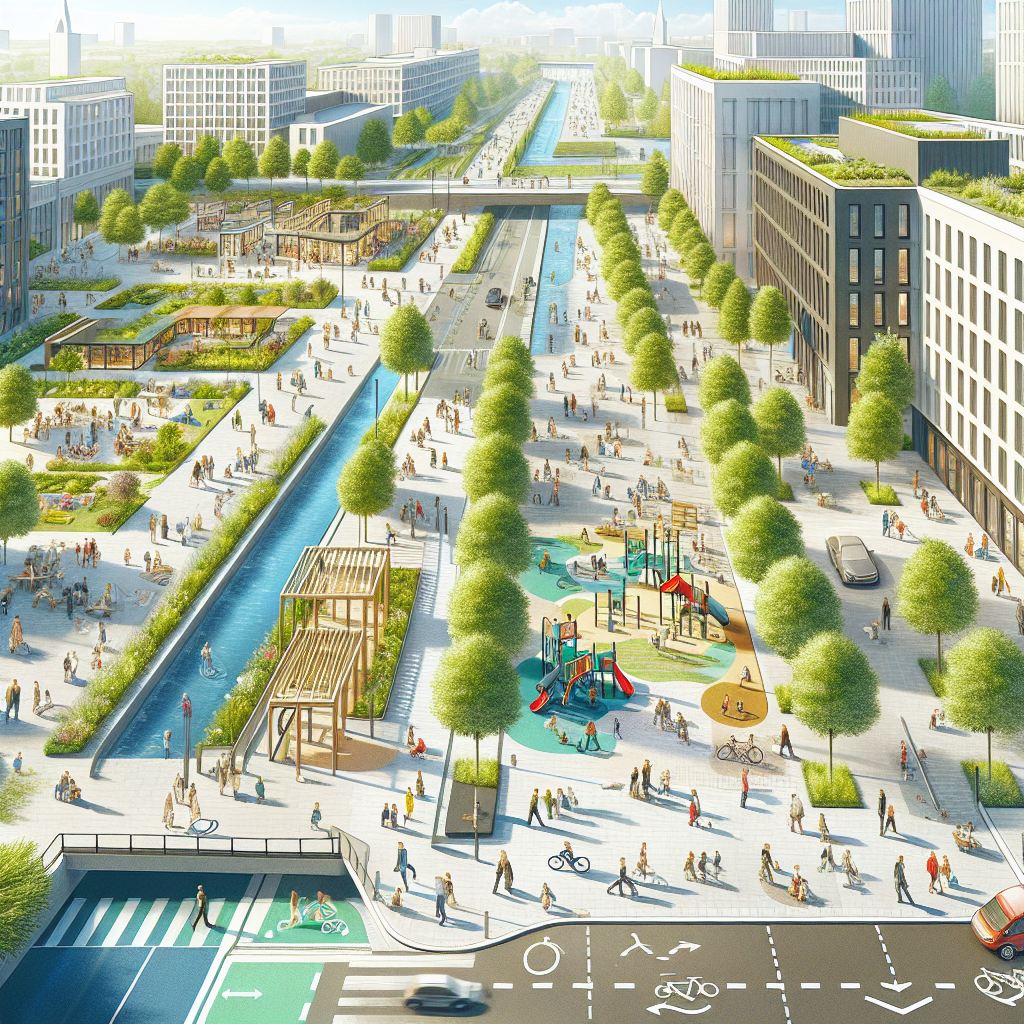
Innovative Approaches to Public Space Design
As urban environments evolve, so too must the approach to designing public spaces. Innovation plays a significant role in addressing contemporary urban challenges and creating vibrant, functional public areas.
Smart Technology Integration
Integrating smart technologies into public spaces can enhance their functionality and user experience. This includes offering free public Wi-Fi, implementing smart lighting systems that adjust based on usage and time of day, and incorporating sensors to monitor environmental conditions and usage patterns. These technologies can improve safety, convenience, and overall user satisfaction.
Green Infrastructure and Sustainability
Environmental sustainability is a crucial consideration in modern urban planning. Public spaces can contribute to this goal through the incorporation of green infrastructure, such as rain gardens, green roofs, and permeable pavements. These features help manage stormwater, reduce the urban heat island effect, and enhance biodiversity.
Art and Culture Integration
Art and culture play a significant role in shaping the identity and character of public spaces. Incorporating public art, cultural installations, and spaces for performances can make public areas more vibrant and engaging. These elements can also foster a sense of community pride and cultural appreciation.
The Role of Placemaking in Public Space Design
Placemaking is an approach to urban planning that focuses on creating quality public spaces that promote people’s health, happiness, and well-being. It is a collaborative process that involves community members working together to shape their public environment, fostering a sense of ownership and pride.
Community-Led Initiatives
Community-led placemaking initiatives recognize the unique needs and aspirations of local residents. By involving them in the design and implementation process, cities can create spaces that are truly reflective of the community’s identity and values. This also promotes active citizenship and community stewardship.
Temporary and Tactical Urbanism
Temporary and tactical urbanism involves implementing short-term, low-cost, and scalable interventions to improve public spaces. Examples include pop-up parks, street murals, and temporary pedestrian zones. These initiatives can test new ideas and engage the community in a dynamic and interactive way.
Public-Private Partnerships
Collaborations between the public sector and private entities are essential in facilitating placemaking projects. Public-private partnerships can bring additional resources, expertise, and innovation to the development of public spaces. These collaborations should be structured to ensure that public interests are prioritized and preserved.
Challenges and Solutions in Urban Planning for Public Spaces
Urban planning for public spaces presents several challenges that require thoughtful solutions to ensure the creation of effective and inclusive areas.
Balancing Competing Interests
One of the primary challenges is balancing the various interests and needs of different stakeholders, including residents, businesses, and government entities. Achieving a consensus that serves the broader community while respecting individual interests can be complex. Effective communication, negotiation, and collaboration are essential in addressing this challenge.
Ensuring Inclusivity
Ensuring that public spaces are inclusive and accessible to all members of the community, regardless of age, ability, or socioeconomic status, is another critical challenge. Planners must prioritize equity and inclusivity in their design and policy frameworks. This includes integrating universal design principles and considering the needs of marginalized groups.
Maintaining Public Spaces
Maintenance and upkeep are ongoing challenges for public spaces. Funding constraints, vandalism, and environmental factors can impact the quality and usability of these areas. Developing sustainable maintenance plans, engaging community volunteers, and adopting durable design materials can help mitigate these issues.
Conclusion: The Path Forward for Urban Planning and Public Spaces
Urban planning and the design of public spaces are crucial components of creating livable, sustainable, and vibrant communities. As urban populations continue to grow, the need for carefully planned and well-maintained public spaces becomes increasingly vital. These spaces are not just physical locations; they are the heart of community life, fostering social interaction, cultural expression, and overall well-being.
The principles and approaches discussed in this article highlight the importance of accessibility, flexibility, safety, community engagement, innovation, and sustainability in public space design. Planners must consider these factors comprehensively to create inclusive and functional public areas that serve diverse urban populations.
Moreover, addressing challenges such as balancing competing interests, ensuring inclusivity, and maintaining public spaces requires a collaborative and forward-thinking approach. By involving community members, leveraging public-private partnerships, and integrating smart technologies and green infrastructure, cities can develop public spaces that truly enhance the quality of urban life.
As we look to the future, the role of public spaces in urban planning will only continue to grow in significance. By prioritizing the needs of the community and adopting innovative and sustainable practices, urban planners can create public spaces that not only meet current demands but also anticipate and adapt to future challenges.
Frequently Asked Questions
1. What role do public spaces play in urban planning and community development?
Public spaces are fundamental components of urban planning, acting as centers for social interaction, economic activities, and recreation. They are designed to foster social cohesion, providing venues for community gatherings, cultural activities, and personal relaxation. For instance, parks offer opportunities for leisure and exercise, while plazas might host farmers’ markets or festivals, contributing to the local economy. Well-designed public spaces can improve the quality of life, promoting healthier lifestyles and enhancing the sense of belonging among residents. They also contribute to environmental sustainability by providing green space, supporting biodiversity, and mitigating urban heat effects.
2. How do urban planners ensure public spaces are inclusive and accessible for all community members?
Inclusivity and accessibility are key priorities in the design of public spaces. Urban planners aim to create areas that are open and inviting to people of all ages, abilities, and backgrounds. This involves careful consideration of elements such as pathways that accommodate individuals with disabilities, signage in multiple languages, and seating areas that cater to the elderly. The goal is to remove physical and social barriers, ensuring everyone can use these spaces comfortably. Community engagement is also critical; planners often conduct surveys, public meetings, and workshops to understand the diverse needs of community members and to incorporate their feedback into the design process.
3. How does urban planning address safety concerns in the design of public spaces?
Safety is a paramount concern in the design of public spaces. Urban planners employ a variety of strategies to create safe environments. These include designing spaces with clear sightlines to enhance visibility, integrating adequate lighting for nighttime use, and minimizing hidden corners that could potentially harbor criminal activity. Moreover, the presence of regular activities, such as sports events or market days, fosters a sense of community vigilance, which can deter unlawful behaviors. Collaborating with local law enforcement and incorporating technology, such as security cameras, further enhances safety in public spaces. The concept of “eyes on the street,” as coined by urban activist Jane Jacobs, underscores the importance of design that encourages natural surveillance.
4. What challenges do urban planners face when creating public spaces in densely populated urban areas?
In densely populated urban areas, planners face unique challenges, including land scarcity, high construction costs, and competing interests from various stakeholders. Securing space for public areas often requires creative solutions, such as converting underutilized land or integrating green rooftops. Balancing the needs and desires of different community groups can also be challenging, as planners must address diverse recreational, cultural, and economic activities within limited spaces. Additionally, urban public spaces must be resilient to changing climate conditions, which adds complexity to their design and maintenance. Despite these challenges, planners strive to maximize the utility and appeal of public spaces to benefit the entire community.
5. How can technology be integrated into the design and management of public spaces to enhance their functionality?
Technology plays a crucial role in enhancing the functionality and experience of public spaces. Smart city technologies, such as Wi-Fi connectivity and mobile apps, can improve accessibility and information sharing. For example, interactive kiosks and apps can provide real-time information about events, transportation, and nearby facilities. Sensors can monitor environmental conditions to optimize lighting and irrigation systems, ensuring sustainability. Modern public spaces also often incorporate features like charging stations for electronic devices and interactive art installations that engage visitors. Additionally, technology can support maintenance and security through the use of surveillance cameras and emergency call stations. By embracing technological advancements, urban planners can create dynamic, responsive public spaces that cater to the needs of contemporary urban life.


