
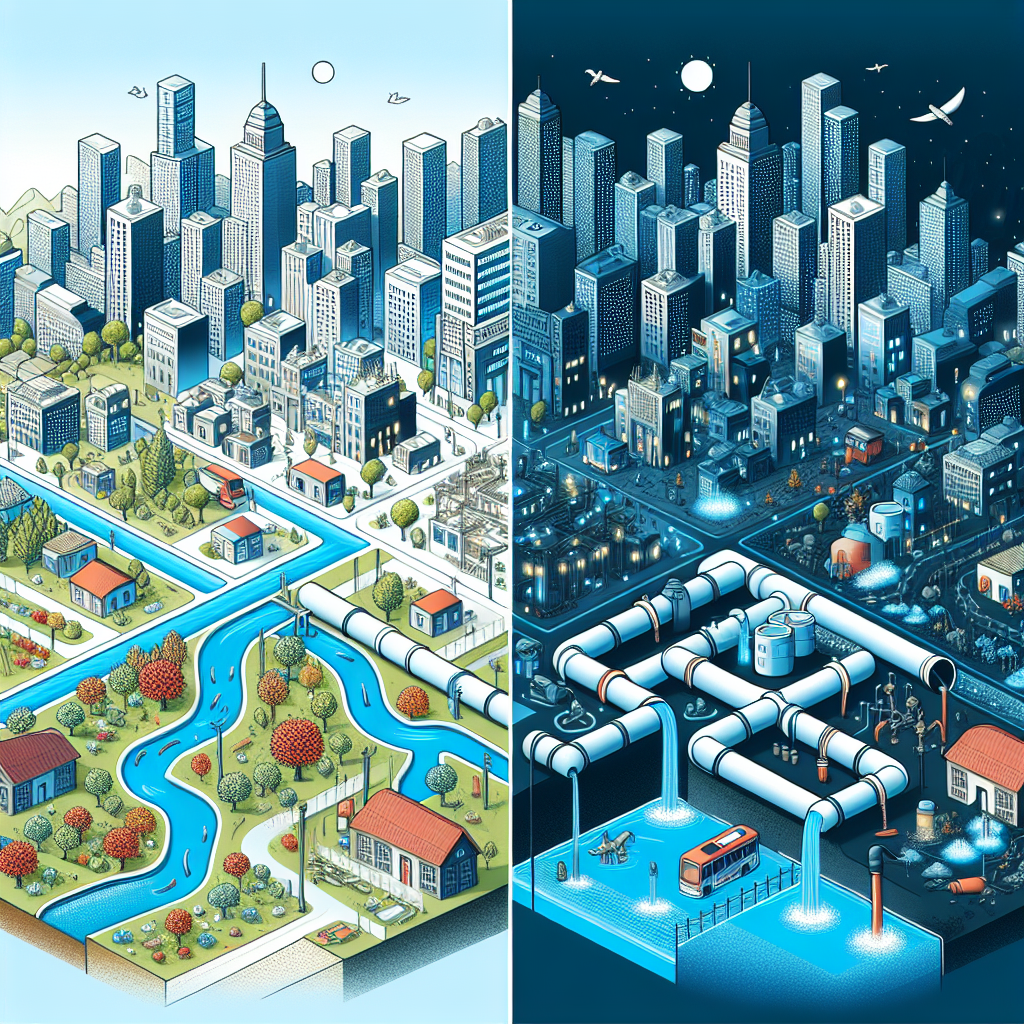
Urban planning is a critical field that involves the strategic development and management of cities and towns. One essential component of urban planning is water management, which directly impacts sustainability, health, and quality of life in urban areas. Water management includes activities such as providing clean drinking water, efficient wastewater treatment, stormwater management, and protecting water resources from contamination.
With increasing urbanization, the impact of urban planning on water management has become more significant. The rapid growth of cities underscores the necessity for integrated water management approaches that prioritize sustainable practices. Urban planners face the challenge of balancing development with the preservation of water resources, addressing the impacts of climate change, and ensuring equitable access to water.
Effective urban water management strategies address immediate needs like water supply and waste disposal while considering long-term sustainability and resilience against challenges such as flooding and water scarcity. Urban planning influences water infrastructure development and maintenance, implementing policies, regulations, and best practices to guide urban water use. Moreover, urban planning fosters innovative solutions such as green infrastructure, water conservation practices, and resilient water systems.
Water Management Challenges in Urban Areas
Urban areas face unique water management challenges that require comprehensive planning and policy-making.
1. Reliable Water Supply:
As cities expand, the demand for potable water increases, leading to over-extraction of resources and potential depletion of aquifers. Aging infrastructure often struggles to meet rising demands, requiring significant investments in maintenance and upgrades.
2. Wastewater Management:
Rapid urbanization increases wastewater production, potentially overwhelming existing treatment facilities. Inadequate wastewater management can lead to water body contamination, posing health risks and harming ecosystems. Urban planners must ensure wastewater infrastructure can handle growing needs while accommodating future expansion.
3. Stormwater Management:
Cities with large impervious surfaces, such as roads and buildings, experience higher stormwater runoff volumes. This can result in flooding, erosion, and water pollution. Efficient stormwater systems, including green infrastructure like permeable pavements, green roofs, and rain gardens, help mitigate these issues by promoting infiltration and reducing runoff.
The Role of Policy in Urban Water Management
Policy plays a crucial role in shaping urban water management practices.
1. Sustainable Regulations:
Water management policies should prioritize sustainability and resilience. These policies regulate water use, enforce pollution controls, and promote innovative technologies. Coordinating stakeholders—government agencies, private entities, and the public—ensures effective resource management.
2. Water-Sensitive Urban Design (WSUD):
Policies like WSUD guidelines integrate water management strategies into urban development, promoting water conservation and minimizing environmental impacts. Incentives for developers to adopt practices such as rainwater harvesting, greywater recycling, and water-efficient landscaping are key examples.
3. Equity and Accessibility:
Policies must address equitable water distribution, improving infrastructure in underserved areas while ensuring affordability. Inclusive water management enhances social sustainability by providing all residents with clean and safe water.
Innovative Solutions for Urban Water Management
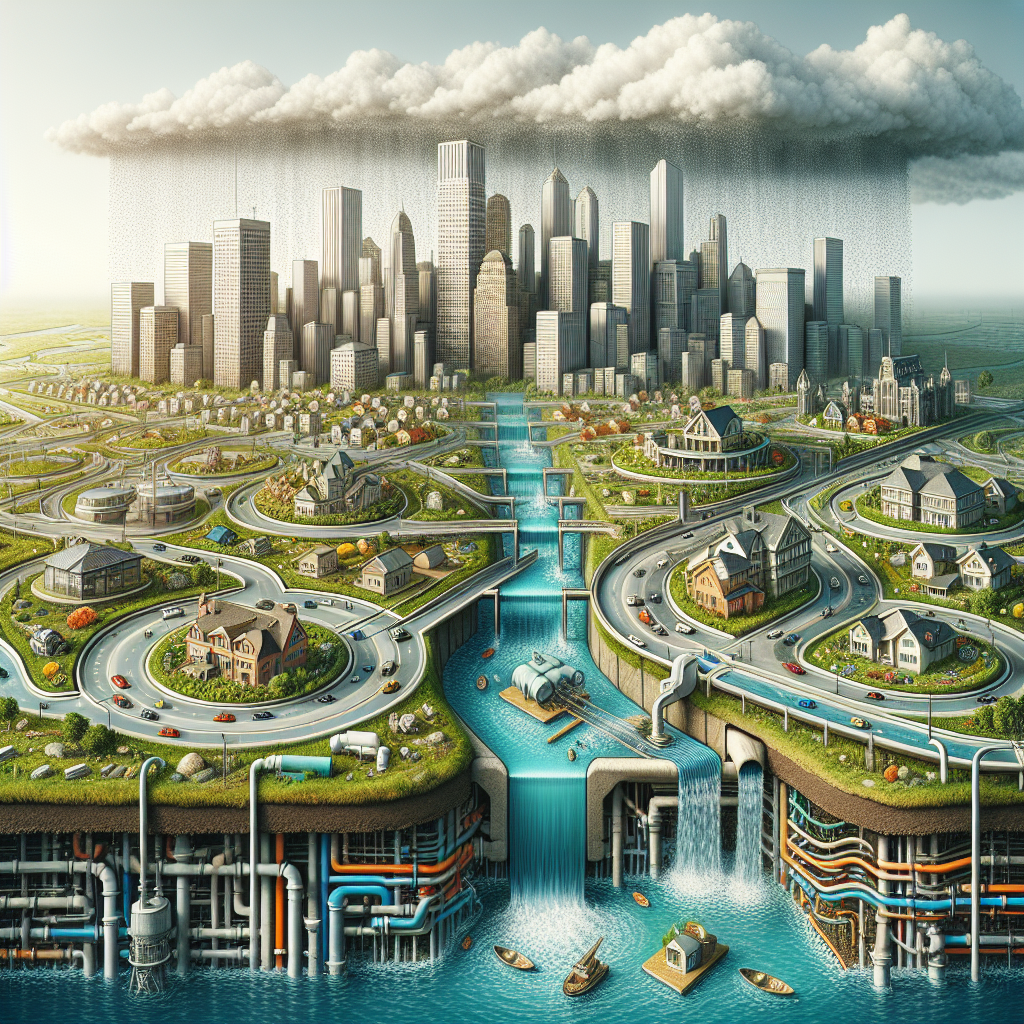
Innovation is essential for tackling complex urban water management challenges.
1. Smart Water Systems:
Smart water systems use real-time data and advanced analytics to monitor and manage resources effectively. Smart meters help detect leaks and reduce waste, while advanced sensors monitor water quality, enabling quick responses to contamination.
2. Green Infrastructure:
Green infrastructure—rain gardens, green roofs, and bioswales—manages water through natural systems. These features absorb and filter stormwater, reduce runoff, and enhance groundwater recharge. Incorporating green infrastructure into urban planning fosters resilience and improves city aesthetics.
3. Water Recycling and Reuse:
Technologies like greywater systems and advanced wastewater treatment enable water reuse for non-potable purposes such as irrigation and industrial processes. This reduces fresh water demand and supports sustainable urban water cycles.
Community Engagement in Water Management
Community involvement is vital for effective urban water management.
1. Public Awareness Campaigns:
Educating communities on water conservation fosters a culture of sustainability. Campaigns can highlight simple actions like fixing leaks, using water-efficient appliances, and adopting mindful water use practices.
2. Participatory Planning:
Engaging residents in planning processes ensures strategies align with community needs and preferences. Involving diverse perspectives enhances the acceptance and effectiveness of water management solutions.
3. Local Stewardship Initiatives:
Community-based groups can monitor and maintain water resources through activities like clean-ups, water quality testing, and advocacy. Empowering communities fosters ownership and responsibility for sustainable practices.
The Future of Urban Water Management
The future of urban water management hinges on integrating innovative technologies, sustainable practices, and collaborative approaches.
1. Climate Resilience:
Urban planners must address climate-related threats, including extreme weather events and sea-level rise. Flood-resistant infrastructure, enhanced drainage systems, and water source protection are critical components.
2. Water-Efficient Technologies:
Promoting water-saving devices, such as low-flow fixtures and smart irrigation systems, reduces urban water consumption. Advancing treatment technologies improves wastewater recycling and desalination, expanding potable water availability.
3. Multi-Sector Collaboration:
Collaboration among governments, private sectors, research institutions, and communities is crucial. Partnerships facilitate resource sharing and innovation, driving sustainable and resilient water management solutions.
Conclusion
Urban planning and water management are intrinsically linked, with planning shaping the sustainability and resilience of urban water systems. Addressing challenges like water supply, wastewater treatment, and stormwater management requires integrated, innovative approaches. Sustainable policies, green infrastructure, and community engagement are essential for comprehensive water management strategies.
As cities grow and face evolving challenges, the future of urban water management will depend on advanced technologies, sustainable practices, and collaborative efforts. By prioritizing resilience and sustainability, urban planners can create thriving urban environments that meet current needs and adapt to future uncertainties.
Frequently Asked Questions
1. What is the role of urban planning in water management?
Urban planning acts as a critical backbone in effective water management by ensuring that water-related infrastructure is strategically developed and optimized. At the core of urban planning is the creation of blueprints for cities and towns that seamlessly integrate water management systems. This encompasses the provision of clean drinking water to residents, which is a fundamental human right and crucial for maintaining public health. Planners must efficiently design the architecture of water distribution networks to minimize leaks and ensure reliable access for all urban dwellers.
A crucial aspect of urban planning in water management is planning for efficient wastewater treatment systems. These systems are designed to collect and purify water that has been used and contaminated. Without proper treatment, wastewater could pose severe health risks and environmental challenges. Effective urban planning ensures that these systems are strategically located and equipped with state-of-the-art technology to operate quietly and efficiently, even as populations grow.
Moreover, urban planners are also tasked with devising strategies for stormwater management. This involves creating systems to manage runoff from roofs, roads, and other surfaces, especially during heavy rainfalls. If not properly managed, stormwater can lead to flooding and the pollution of nearby water bodies. By incorporating green infrastructure like permeable pavements, rain gardens, and detention basins, urban planners significantly mitigate these challenges, enhancing the city’s resilience to climate change.
Furthermore, protecting water resources from contamination is another vital role. Urban planners need to consider zoning policies and land-use regulations that prevent industrial activities from compromising the quality of water resources. With such comprehensive oversight, urban planning significantly contributes to maintaining an adequate and sustainable water supply, fostering an environment that supports both human and ecological health.
2. How does urban planning support the sustainability of water resources?
Urban planning promotes the sustainability of water resources through a variety of approaches rooted in innovation, collaboration, and a deep understanding of local ecosystems. A primary goal of urban planning is to ensure efficient use of water resources by minimizing waste and optimizing water recycling processes. Urban planners often champion the adoption of water-saving technologies and practices, such as low-flow fixtures and smart irrigation systems, which reduce water consumption in residential and commercial areas.
In addition, urban planners work towards creating water-sensitive urban designs that have a minimal environmental footprint. This involves integrating natural features like waterways, wetlands, and green spaces into urban landscapes, which can naturally manage rainwater and enhance groundwater recharge. By crafting blueprints that preserve local hydrological cycles, planners protect the region’s natural water assets and ensure their vitality for future generations.
The involvement of urban planners extends to developing comprehensive regional water management plans that bring together stakeholders from various sectors. These collaborative efforts consider the broader ecological impact of urban development, ensuring that water withdrawal, use, and discharge are balanced with the capacity of natural systems. By doing so, urban planners help maintain ecological balance and long-term sustainability for all water resources.
3. How do urban planners address the challenges posed by climate change on water resources?
Climate change presents urban planners with multifaceted challenges that require proactive and adaptive water management strategies. Planners rely on predictive modeling and scenario planning to understand potential climate impacts like increased flooding, droughts, or changes in precipitation patterns. Armed with this knowledge, they can design robust infrastructures that are resilient to these changes.
Urban planners prioritize the deployment of green infrastructure solutions to buff climate impact. Such strategies involve the creation of rain gardens, green roofs, and constructed wetlands that absorb rainfall and reduce urban heat. These features not only mitigate flooding risk but also help in sequestering carbon and enhancing urban biodiversity.
Additionally, planners advocate for the decentralization of water management systems to increase resilience. By creating multiple, smaller, integrated systems, urban areas can more effectively handle localized climate impacts. This diversification ensures that, even if one system is compromised, others can maintain operations, providing a consistent water supply to the urban populace.
Through policy-making and partnerships, urban planners work to integrate climate adaptation into local regulations and building codes, ensuring new developments are resilient to climatic shifts. By doing so, they manage both immediate risks and long-term uncertainties posed by climate change to urban water resources.
4. Can urban planning improve water equity among different communities?
Absolutely. Through strategic planning and inclusive policies, urban planning plays a vital role in ensuring equitable water distribution among diverse urban communities, regardless of their socioeconomic status. Planners assess varying community needs and prioritize projects that will bridge gaps in water access and quality.
An essential task is identifying underserved or vulnerable areas that may lack basic water infrastructure. Urban planners advocate for and implement targeted interventions in these areas, focusing on installing reliable water distribution systems and easy access points.
Furthermore, planners work alongside stakeholders to ensure that water pricing policies are fair and do not disproportionately impact lower-income households. They strive to manage water tariffs that both reflect the cost of water provision and safeguard equitable access for all citizens.
Through participatory planning processes, urban planners empower communities to partake in decision-making. By listening to and incorporating the feedback of marginalized communities, planners can ensure that the policies and systems in place are effective and culturally sensitive, enriching the quality of life for all urban residents.
5. How do urban planners balance water use between human and environmental needs?
Urban planners employ a holistic approach to managing water resources, ensuring a fine balance between human consumption and the ecological requirements of the environment. This begins with the development of comprehensive water management plans that integrate sustainable water usage, efficient systems, and environmental protection measures.
To balance these needs, urban planners conduct thorough environmental impact assessments before embarking on new developments or water projects. These assessments help in predicting how human activities will affect local ecosystems and water bodies, guiding planners to mitigate potential negative impacts.
In their planning strategies, urban planners often incorporate environmentally friendly practices, such as protecting and restoring riparian buffers and wetlands that naturally purify water and provide essential habitats for wildlife. Ensuring these natural systems are undisturbed supports both biodiversity and maintains ecosystem services that humans indirectly benefit from, like water purification and flood mitigation.
Urban planners also promote integrated water resource management, where water use is optimized across sectors (agricultural, industrial, and municipal) to improve efficiency and reduce waste. They aim for a cooperative approach that aligns various stakeholders with conservation goals, fostering harmony between urban development and natural water cycles.


