

Urbanization is an ever-growing phenomenon touching all corners of the globe. As cities expand, the need for strategic land use planning becomes increasingly crucial. Effective land use planning fosters economic growth, social equity, and environmental sustainability. In essence, it creates welcoming, functional, and appealing living environments for urban populations. This article delves into the vital role land use planning plays in urban development, elucidating its significance, objectives, and various facets.
Introduction: Understanding Land Use Planning
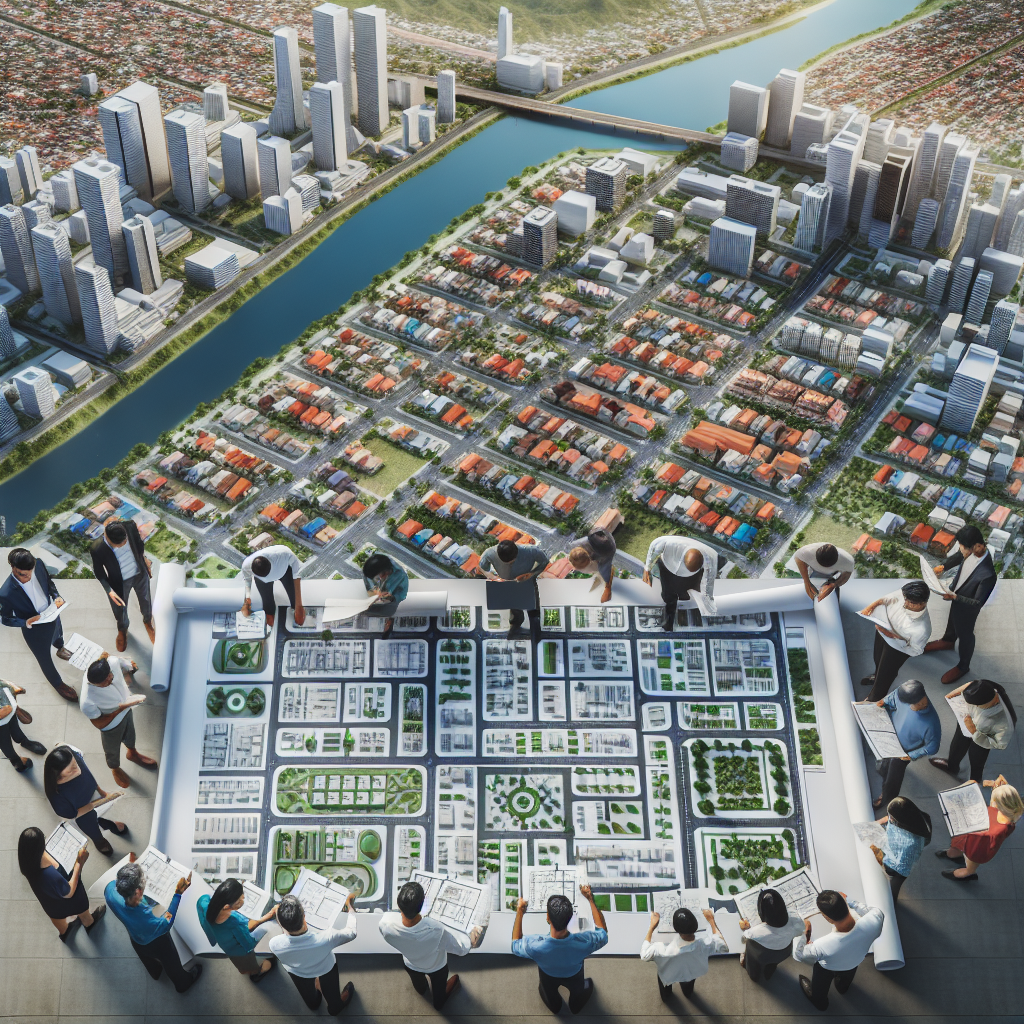
Land use planning plays a pivotal role in shaping urban landscapes. Essentially, it involves orchestrating the use and development of land in a way that balances the competing needs of residents, businesses, and the natural environment. Government authorities and city planners draft and implement these plans to ensure orderly development, synchronized with societal needs and environmental stewardship.
The importance of land use planning cannot be understated as it sets the groundwork for sustainable urban growth. With rapid urbanization, cities are facing challenges such as traffic congestions, pollution, and housing shortages. Efficient land use planning can address these issues by promoting balanced development—ensuring residential areas, green spaces, commercial zones, and public amenities are appropriately distributed.
Land use plans aren’t created in isolation. They are typically integrated with other urban development policies and strategies such as transportation planning, housing policies, and environmental conservation efforts. This holistic approach ensures cities grow in a sustainable manner that nurtures vibrant communities and robust local economies.
Moreover, land use planning has a long-term perspective, often spanning decades. It requires continuous monitoring and adjustments based on changing demographics, technological advancements, and economic shifts. This adaptability is crucial for maintaining the relevance and efficacy of land use plans amid evolving urban landscapes.
The Objectives of Land Use Planning
Several core objectives guide land use planning initiatives:
- Balanced Development: Ensuring an equitable distribution of residential, commercial, industrial, and recreational spaces is fundamental. It prevents overcrowding in certain areas while leaving others underutilized.
- Environmental Protection: Preserving green spaces, waterways, and other natural resources is key. This fosters biodiversity, enhances air quality, and provides residents with recreational spaces.
- Economic Growth: Strategic land use planning can attract businesses, create jobs, and catalyze economic development. It focuses on creating vibrant commercial zones and industrial areas.
- Infrastructure Development: Efficient land use planning coordinatively develops transportation networks, utilities, and public services, ensuring they effectively serve the population and accommodate future growth.
- Social Equity: It aims to create inclusive urban environments where all socioeconomic groups can thrive. This involves providing affordable housing and accessible public amenities.
By achieving these objectives, land use planning fosters the development of cities that are not only livable but also sustainable and resilient to future challenges.
Types of Land Use Planning
Land use planning is a multi-faceted field with various types and methodologies. Here are some prominent types of land use planning:
- Comprehensive Planning: This is an all-encompassing approach that considers various aspects such as residential, commercial, and industrial development, transportation, public services, and environmental protection. It typically involves creating a master plan, zoning regulations, and development controls.
- Strategic Planning: This type focuses on specific areas or issues within a city, such as revitalizing downtown areas or addressing traffic congestion in particular districts. Strategic plans are usually more flexible and can be adjusted based on emerging trends and challenges.
- Environmental Planning: Environmental planning prioritizes the preservation and sustainable management of natural resources. It involves creating policies and regulations that protect green spaces, reduce pollution, and promote energy efficiency.
- Urban Design: Urban design blends land use planning with architectural principles to create aesthetically pleasing and functional urban spaces. It focuses on elements such as building design, public spaces, and streetscapes to enhance the overall visual appeal and usability of urban areas.
Each type plays a crucial role in ensuring that land use planning aligns with the broader goals of urban development.
Challenges in Land Use Planning
Despite its importance, land use planning faces several challenges:
- Conflicting Interests: Balancing the various interests of stakeholders, such as residents, businesses, and environmental groups, can be challenging. Each group has its own priorities, making it difficult to create plans that satisfy everyone.
- Rapid Urbanization: The swift pace of urbanization can outstrip the capacity of land use planners to create and implement effective plans. This can lead to issues such as overcrowding, inadequate infrastructure, and strained public services.
- Limited Resources: Financial and human resources are often limited, making it challenging to conduct comprehensive land use planning and implement the necessary measures.
- Political Influence: Land use planning can be subject to political pressures and interests, which may not always align with the best outcomes for urban development.
- Technological Changes: Rapid advancements in technology can render existing land use plans obsolete. Planners need to continuously adapt their strategies to accommodate new technologies and trends.
Addressing these challenges requires a collaborative approach, involving all stakeholders and leveraging new technologies and methodologies.
Case Studies in Effective Land Use Planning
Several cities around the world have successfully implemented effective land use planning strategies. Here are a few examples:
Singapore
Singapore is renowned for its meticulous land use planning. The city-state has limited land resources, making efficient planning essential. Singapore’s Urban Redevelopment Authority (URA) has developed comprehensive land use plans that harmonize residential, commercial, industrial, and recreational areas. The city also prioritizes green spaces, with parks and gardens integrated into urban areas.
Curitiba, Brazil
Curitiba is often cited as a model for sustainable urban development. The city’s land use planning emphasizes public transportation, with an extensive and efficient bus rapid transit system. Curitiba also prioritizes green spaces and has developed several parks and nature reserves, enhancing the quality of life for its residents.
Vancouver, Canada
Vancouver’s land use planning focuses on creating compact, walkable neighborhoods. The city encourages mixed-use development, combining residential, commercial, and recreational spaces within the same area. Vancouver also places a strong emphasis on environmental sustainability, with policies aimed at reducing carbon emissions and promoting energy efficiency.
These case studies demonstrate the potential of effective land use planning to create vibrant, sustainable, and livable cities.
The Future of Land Use Planning
As cities continue to grow and evolve, the field of land use planning must adapt to new challenges and opportunities:
- Smart Cities: The rise of smart city technologies presents new possibilities for land use planning. Data analytics, IoT devices, and AI can provide real-time insights into urban dynamics, enabling more responsive and adaptive planning strategies.
- Climate Change: Land use planning must increasingly consider the impacts of climate change. This includes developing resilient infrastructure, protecting vulnerable areas, and promoting sustainable practices.
- Inclusive Planning: There is a growing focus on inclusive planning that considers the needs of all community members, including marginalized and underserved populations. This involves participatory planning processes and initiatives to ensure equitable access to resources and opportunities.
- Public Engagement: Engaging the public in the planning process is becoming more important. Innovative tools and platforms can facilitate greater citizen participation, ensuring that land use plans reflect the diverse perspectives and needs of the community.
By embracing these trends and innovations, land use planning can continue to play a critical role in shaping sustainable and resilient urban futures.
Conclusion: The Vital Role of Land Use Planning
Land use planning is a cornerstone of urban development. It provides a structured approach to managing the growth and transformation of cities, balancing the needs of residents, businesses, and the environment. Through effective land use planning, cities can achieve balanced development, promote economic growth, protect natural resources, and enhance the quality of life for their residents.
The challenges facing land use planning are significant, but they are not insurmountable. By adopting innovative approaches, leveraging new technologies, and fostering collaboration among stakeholders, urban planners can overcome these challenges and create vibrant, sustainable, and inclusive urban environments.
As we look to the future, the importance of land use planning will only grow. With the right strategies and a commitment to sustainable development, cities can thrive and become resilient to the challenges of the 21st century. Land use planning is not just about managing land; it’s about creating the foundations for a better urban future for all.
Frequently Asked Questions
1. What is land use planning, and why is it important in urban development?
Land use planning is a process that involves the management and regulation of land resources in an efficient and ethical manner to prevent land conflicts and promote the best use of land. It is essential in urban development because it helps balance the competing demands of different land users. Without strategic planning, city expansion might lead to disorderly development, congestion, and inefficient infrastructure. Land use planning ensures that the growth of urban areas is well-coordinated to support economic vitality, social inclusion, and environmental health. It shapes the physical layout of cities, deciding where residential, industrial, recreational, and commercial areas are located, ensuring the efficient use of resources and providing clarity on future urban growth.
2. How does land use planning contribute to economic growth in urban areas?
Land use planning plays a critical role in economic development by facilitating structured and predictable environments in which businesses and industries can thrive. It provides clear zoning laws that assure businesses of their operational legality and environmental compatibility. By designating areas for economic activities, it enables concentrated industrial growth and commercial opportunities, which in turn generates employment and attracts investment. Furthermore, organized urban settings with well-planned infrastructure attract new businesses and residents, ensuring a steady flow of economic activities. Additionally, effective land use planning incorporates transportation network improvements, making the movement of goods and people more efficient, further boosting economic growth.
3. In what ways does land use planning enhance social equity within urban environments?
Social equity in urban settings relates to the fair access to resources, opportunities, and services for all residents, irrespective of their background. Land use planning enhances social equity by ensuring that public amenities like schools, parks, and health facilities are equitably distributed throughout cities. This prevents the clustering of resources in affluent areas only, ensuring that less-privileged communities also benefit from essential services. It also involves designing inclusive urban spaces that cater to all demographics, including the elderly and differently-abled, promoting a sense of community and empowerment. Moreover, through mixed-use developments and affordable housing initiatives, land use planning can address disparities in living standards, preventing socio-economic segregation and improving overall quality of life.
4. What role does land use planning play in promoting environmental sustainability in cities?
Land use planning significantly contributes to environmental sustainability by guiding the development of green spaces and promoting sustainable infrastructure. It dictates how land is allocated for different uses, ensuring that natural landscapes are preserved and urban sprawl is minimized. Through initiatives like green corridors, urban planners can maintain biodiversity within cities. Also, by prioritizing public transport systems, non-motorized transit options, and energy-efficient building codes, land use planning reduces carbon footprints and mitigates adverse environmental impacts. It also promotes sustainable water management and stormwater systems to prevent pollution and manage urban flooding effectively. Ultimately, good land use planning aligns urban development with the principles of environmental stewardship, which is crucial for sustainable urban living.
5. How does land use planning prepare cities to address future challenges?
As cities grow, so do their challenges, related to population density, climate change, resource scarcity, and technological advancement. Land use planning prepares cities to adapt and prosper amidst these changes by creating flexible frameworks that accommodate growth and transformation over time. Forward-thinking planning anticipates urban needs decades ahead, incorporating resilience strategies to address climate risks such as sea-level rise or increased storm intensity. Additionally, it integrates smart city technologies and innovative solutions for transportation and utilities management. Land use planning also involves constant community engagement and policy adjustments to align with new challenges and opportunities, ensuring urban areas remain vibrant, sustainable, and responsive to the needs of their inhabitants in the long run.


