

Urban planning and policy shape the foundation of how cities evolve and adapt to changing needs. From transportation networks to housing developments, the decisions made today will impact future generations. As cities grow and face new challenges, urban planners must adopt emerging trends to create sustainable, livable environments. In this article, we’ll explore several key emerging trends in urban planning and policy that are set to redefine our cities.
The rapid pace of technological advancements, environmental concerns, and shifts in societal needs are key drivers of change in urban planning. Cities worldwide are already integrating innovative solutions to deal with challenges such as climate change, population growth, and the need for more inclusive public spaces. As urban planners navigate these complexities, they are increasingly relying on data-driven approaches and cross-disciplinary collaboration to shape the future landscape of cities.
As we delve deeper into these emerging trends, it’s essential to understand the underlying principles of urban planning. These principles ensure that cities are not only functional but also provide a high quality of life for their residents. Inclusive design, sustainability, and leveraging technology are some of the key tenets guiding modern urban planning.
Smart Cities and Technological Integration
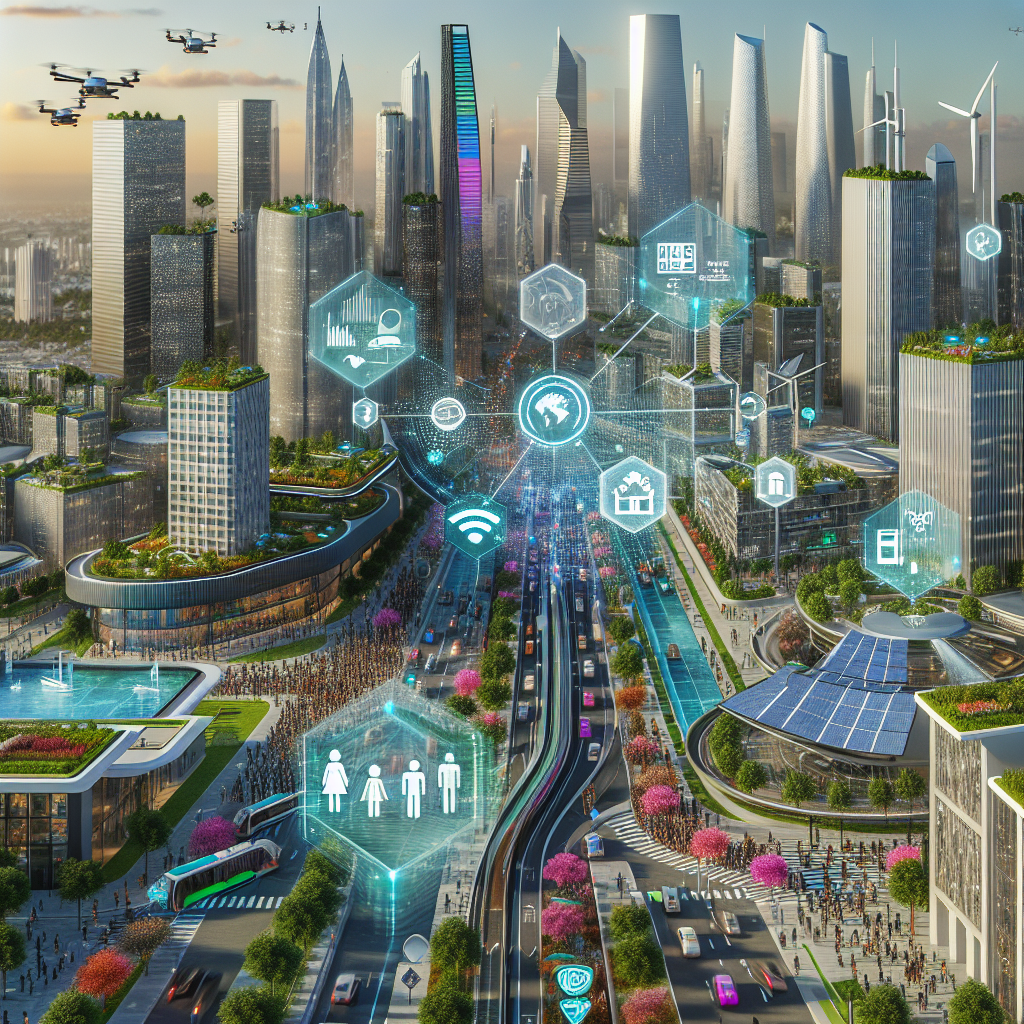
Smart cities utilize technology to improve the efficiency, sustainability, and livability of urban areas. Using the Internet of Things (IoT), big data, and other technologies, cities can optimize resource management, enhance public services, and improve the overall quality of life. For example, intelligent transportation systems can reduce traffic congestion and pollution. Similarly, smart grids can enhance energy efficiency, enabling cities to better respond to residents’ needs.
Implementation of smart city technologies is a comprehensive process that requires significant investment and coordinated efforts among various stakeholders. However, success stories from cities like Barcelona and Singapore demonstrate the potential benefits. These cities have implemented smart parking solutions, real-time public transit information systems, and expansive sensor networks to monitor environmental conditions and improve urban management.
As technology continues to evolve, urban planners must keep pace with these advancements. Embracing innovative technologies allows cities to adapt to new challenges and opportunities. Additionally, ensuring equitable access to these technologies is crucial. Digital inclusivity ensures that all residents, regardless of socioeconomic status, can benefit from smart city initiatives.
Sustainable Urban Development
Sustainability is at the forefront of contemporary urban planning. With increasing awareness of climate change and environmental degradation, cities are striving to reduce their carbon footprints and energy consumption. Sustainable urban development involves creating energy-efficient buildings, promoting the use of renewable energy sources, and implementing green infrastructure.
Green infrastructure, such as green roofs, urban forests, and rain gardens, play a significant role in mitigating the impacts of urbanization on the environment. These solutions help manage stormwater, reduce urban heat island effects, and provide essential habitat for wildlife within city environments. For instance, cities like Melbourne and Copenhagen have successfully incorporated urban greenery into their planning processes, resulting in improved air quality and enhanced urban resilience.
Additionally, promoting sustainable transportation options such as biking, walking, and public transit is crucial. Reducing reliance on cars not only decreases pollution but also fosters healthier lifestyles. Effective zoning policies and land-use planning that encourage mixed-use developments can also reduce the need for extensive commutes, thus contributing to environmental sustainability.
Affordable Housing Initiatives
Access to affordable housing remains a critical issue in many cities around the world. Rising property prices and rental costs often push low-income individuals and families to the outskirts of cities or into inadequate living conditions. In response, innovative affordable housing initiatives are emerging to ensure that cities remain inclusive and diverse.
Public-private partnerships and community land trusts are two approaches gaining traction. These models allow for the development of affordable housing while ensuring long-term affordability. For example, community land trusts separate the ownership of land from buildings, allowing homes to remain affordable for future generations. Cities such as Burlington, Vermont, and London have effectively implemented these models.
Additionally, policies like inclusionary zoning mandate that a certain percentage of new developments be designated as affordable housing. This approach helps integrate affordable units into diverse neighborhoods, promoting socioeconomic diversity and reducing segregation. Creative design solutions, such as modular housing and adaptive reuse of existing buildings, further contribute to meeting affordable housing demands.
Inclusive Public Spaces
Inclusive public spaces are essential for fostering community engagement and enhancing the quality of urban life. These spaces promote social interactions, cultural expressions, and physical activities. Planners are increasingly focusing on creating public spaces that are accessible, safe, and welcoming to all residents, regardless of age, gender, or ability.
An excellent example of inclusive public space design is the concept of “complete streets.” Complete streets are designed to accommodate all users, including pedestrians, cyclists, motorists, and public transit riders. They feature wide sidewalks, bike lanes, and safe pedestrian crossings, ensuring that every member of the community can navigate the space comfortably. Cities like New York and Minneapolis have adopted complete street policies, resulting in safer, more vibrant streetscapes.
Furthermore, public spaces must reflect the cultural and social diversity of the communities they serve. Involving residents in the planning process through participatory design ensures that public spaces meet the needs and desires of the community. Urban planners can host workshops, surveys, and public meetings to gather input and create spaces that truly resonate with local residents.
Resilience Planning for Climate Adaptation
With the increasing frequency of extreme weather events, cities must prioritize resilience planning to adapt to climate change. Resilience planning involves identifying vulnerabilities, assessing risks, and implementing strategies to mitigate the impacts of climate-related events such as floods, hurricanes, and heatwaves.
Coastal cities are particularly vulnerable to rising sea levels and severe storms. Innovative solutions like seawalls, flood barriers, and elevated infrastructure are crucial for protecting urban areas. Cities like Rotterdam and New Orleans have invested significantly in resilience infrastructure to safeguard their residents and properties.
In addition to physical infrastructure, resilience planning includes building social and economic resilience. Strengthening community networks, emergency response systems, and economic opportunities can help cities recover more quickly from disasters. Urban planners must work closely with local governments, businesses, and residents to develop comprehensive resilience strategies that address both immediate and long-term challenges.
Conclusion
The future of urban planning is dynamic, driven by emerging trends that address the diverse challenges cities face today. By integrating smart technologies, promoting sustainability, ensuring affordable housing, creating inclusive public spaces, and planning for climate resilience, urban planners can build cities that are not only functional but also resilient, inclusive, and sustainable.
As we look ahead, it’s crucial for urban planners to remain adaptable and innovative. Embracing change and leveraging new technologies will enable cities to thrive in the face of evolving challenges. Collaborative efforts among policymakers, communities, and private sectors are essential for implementing these emerging trends effectively.
Ultimately, the goal of urban planning is to improve the quality of life for all residents. By prioritizing inclusivity, sustainability, and resilience, urban planners can create cities that serve as thriving, vibrant environments for current and future generations. The trends outlined in this article provide a roadmap for achieving these goals, highlighting the importance of thoughtful, forward-thinking urban planning and policy development.
Frequently Asked Questions
1. What are some of the emerging trends in urban planning that are expected to shape the future of cities?
Urban planning is undergoing significant transformations to address the evolving demands of modern cities. Some of the emerging trends include the integration of smart technology, an increased emphasis on sustainability, and a focus on creating mixed-use developments.
Smart city technology is notable for incorporating IoT (Internet of Things) solutions to enhance city operations. This includes traffic management systems, energy-efficient buildings, and improved waste management processes that collectively reduce the ecological footprint of urban areas.
The push for sustainability manifests in the growing trend of green infrastructure. This covers green roofs, urban forests, and permeable pavements designed to minimize climate impact and improve urban biodiversity. Mobility as a Service (MaaS), an umbrella term for interconnected transportation networks, is another trend making urban life more sustainable by prioritizing shared, eco-friendly travel over personal vehicle use.
Mixed-use developments aim to create vibrant urban hubs by combining residential, commercial, and recreational spaces in a single area. This development model encourages walkability and reduces reliance on vehicles, leading to less congestion and healthier lifestyles for city dwellers.
2. How is urban planning addressing the challenges of housing affordability?
Urban planning is tackling the persistent problem of housing affordability through various strategies that focus on inclusivity and accessibility. Planners are promoting the development of affordable housing units integrated within new and existing urban landscapes.
Inclusionary zoning policies are becoming more prevalent. These require developers to include a portion of affordable homes in new residential projects. This policy not only integrates affordable housing but also ensures that different income groups are intermingled, fostering diverse communities.
Moreover, planners are emphasizing the need for increasing housing density. By creatively utilizing available land space and enhancing zoning regulations, cities can offer a greater variety and volume of housing options without sprawling outwards, preserving natural areas while addressing urban housing demands.
3. In what ways is technology revolutionizing urban planning?
Technology is a key driver in the evolution of urban planning, enabling planners to create more efficient, responsive, and adaptable urban environments. Digital tools such as Geographic Information Systems (GIS) and Building Information Modeling (BIM) are revolutionizing the planning process by providing sophisticated data analytics and visualization capabilities.
GIS allows planners to analyze spatial and demographic data in real-time, assisting in decision-making processes for land use, zoning, and infrastructure projects. BIM, on the other hand, enhances the planning and construction stages by offering detailed 3D models of buildings and spaces, which helps in project management and design accuracy.
Furthermore, artificial intelligence (AI) and big data analytics are being employed to predict urbanization trends and simulate potential future scenarios, making planning more proactive and resilient to unforeseen challenges like rapid population growth or climate events.
4. How is urban planning contributing to the mitigation of climate change and environmental sustainability?
Urban planning plays a crucial role in combating climate change and promoting environmental sustainability by integrating eco-friendly practices and policies into city development strategies. Sustainable urban design is at the forefront, focusing on reducing greenhouse gas emissions and promoting climate-resilient infrastructure.
Cities are increasingly investing in renewable energy projects, promoting the use of solar panels, wind turbines, and energy-efficient building designs. The development of urban green spaces, like parks and community gardens, not only absorbs carbon dioxide but also enhances urban biodiversity and improves the quality of life for residents.
Planners are also focusing on creating resilient infrastructure that withstands extreme weather events. This includes upgrading drainage systems to prevent flooding and ensuring that buildings are constructed to withstand natural disasters, which is essential as climate patterns become more unpredictable.
5. What role do urban planners have in ensuring equitable access to urban amenities and resources?
Urban planners hold a pivotal responsibility in ensuring equitable access to urban amenities and resources, which fosters inclusive and healthy communities. It involves strategically planning the distribution of public services and amenities—such as schools, hospitals, parks, and public transport—to be accessible to all demographics.
Equity-focused urban planning emphasizes the importance of involving community stakeholders in the planning process. By engaging with diverse community members and understanding their unique needs, planners can create tailored solutions that benefit those who are often underrepresented.
Additionally, planners are advocating for public transport systems that connect underserved areas with employment hubs and essential services. This level of connectivity not only democratizes opportunities but also reduces the carbon footprint by minimizing reliance on personal vehicles.
Overall, the future of urban planning is geared towards creating cities that are not only more efficient and sustainable but also inclusive and equitable for every resident.


