
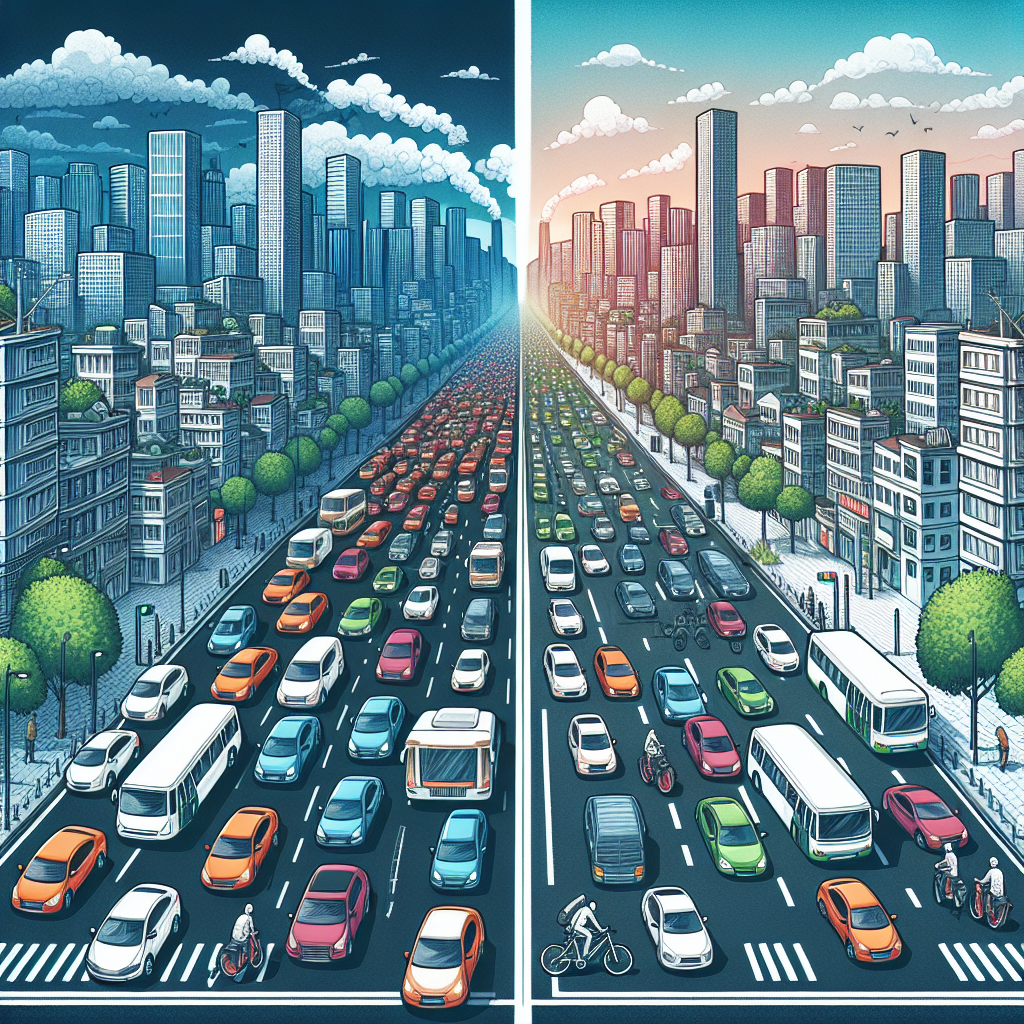
Urban planning is a multifaceted discipline that encompasses design, policy, and management efforts aimed at guiding the development of urban spaces in an orderly, sustainable, and efficient manner. One of the most pressing challenges for urban planners today is traffic congestion. As cities grow and the number of vehicles on the road increases, the issue of gridlock becomes more pronounced, affecting economic efficiency, environmental quality, and the overall quality of life for residents. This article explores the essential role of urban planning in mitigating traffic congestion and how thoughtful policies can lead to more manageable urban mobility.
Traffic congestion is defined as a condition characterized by slower speeds, increased trip time, and longer vehicular queueing. It is the result of a mismatch between the infrastructure’s capacity and the number of vehicles using it. Various factors contribute to this imbalance, including population growth, car-centric development, and insufficient public transport options. In many cases, the traditional approach of building more roads has proven to be an inadequate solution, often leading to induced demand and further congestion.
Urban planners have increasingly recognized the need for a more innovative and holistic approach to address this issue. By integrating land use planning, public transportation enhancements, and transportation demand management strategies, urban planners can significantly reduce traffic congestion. This article will delve into the specific techniques utilized by urban planners to tackle this pervasive problem, exploring how well-designed cities can keep traffic flowing smoothly and sustainably.
Smart Land Use Planning
One of the foundational principles of urban planning is the idea of establishing a harmonious balance between various land uses. Smart land use planning involves integrating residential, commercial, and recreational spaces in a way that minimizes the need for long-distance travel. By creating mixed-use developments, urban planners can reduce the dependency on private vehicles and encourage walking, biking, and the use of public transportation.
Zoning policies play a crucial role in promoting smart land use. For instance, transit-oriented development (TOD) focuses on developing areas around public transit hubs with higher density and mixed land uses. Such designs ensure that daily necessities and services are within easy reach, thereby reducing the need for automobile travel. Additionally, urban planners can incorporate greenbelts and open spaces strategically to prevent urban sprawl, further concentrating development in areas that are well-served by public transport.
Land use planning also involves rezoning efforts to accommodate the changing dynamics of urban populations. By planning for higher-density housing in areas that can support it, cities can make more efficient use of space and resources. This approach not only helps in reducing traffic congestion but also promotes more sustainable urban growth.
Enhancing Public Transportation
Public transportation is an essential component of any strategy to reduce traffic congestion. Effective public transport systems offer a viable alternative to private car use, alleviating the pressure on road networks. Urban planners have various tools and techniques at their disposal to enhance public transportation infrastructure and services.
One of the primary strategies is the development of high-capacity transit options such as bus rapid transit (BRT) systems, light rail, and commuter trains. These systems can move large numbers of people efficiently and reliably, making them attractive alternatives to driving. Investments in public transportation can be further supported by improving connectivity between different modes of transport, such as seamless transfers between buses and trains.
Urban planners also emphasize the importance of making public transport more attractive through improvements in service quality. This includes measures such as increasing frequency, reducing transit times, and ensuring reliability. Enhancements to passenger amenities, such as clean and well-maintained vehicles, real-time schedule updates, and safe, well-lit waiting areas, can further encourage the use of public transportation.
Additionally, urban planners advocate for fare integration and affordable pricing strategies to make public transport more accessible to a wider demographic, thereby widening its appeal and usage.
Implementing Transportation Demand Management
Transportation demand management (TDM) refers to strategies designed to optimize the use of existing transportation infrastructure and influence travel behavior to alleviate congestion. Urban planners administer several TDM measures to manage the demand for road space more effectively.
One common TDM strategy is congestion pricing, which involves charging drivers a fee to use certain roads during peak hours. This approach incentivizes travelers to adjust their travel times, shift to alternative transportation modes, or choose alternative routes, thereby reducing traffic during peak periods. Cities like London and Singapore have successfully implemented congestion pricing, demonstrating its effectiveness in reducing traffic volumes.
Carpooling and ride-sharing are other TDM measures that urban planners promote to reduce the number of vehicles on the road. By encouraging people to share rides, cities can lower the volume of traffic, decrease fuel consumption, and reduce emissions. Policies supporting carpool lanes, ride-sharing apps, and employer programs incentivizing shared commutes are instrumental in promoting these practices.
Moreover, telecommuting has gained significance as a TDM strategy, particularly in the wake of the COVID-19 pandemic. By allowing employees to work from home, companies can reduce the number of daily commuters, leading to less traffic congestion. Urban planners advocate for policies that support flexible work arrangements and the necessary infrastructure to facilitate remote working.
Promoting Active Transportation
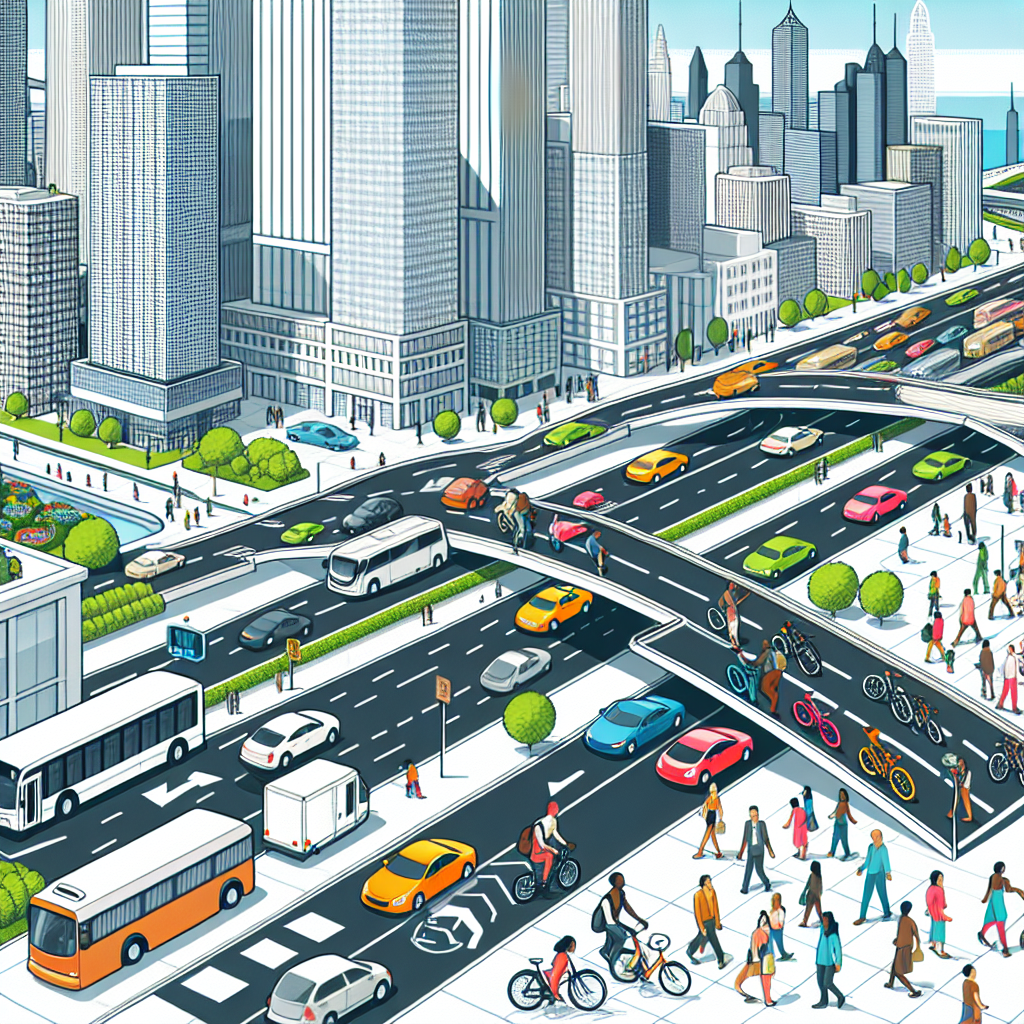
Active transportation, including walking and biking, represents a sustainable alternative to driving that can significantly reduce traffic congestion. Urban planners are instrumental in creating environments that are conducive to active transportation by designing infrastructure and policies that support these modes of travel.
The development of well-connected pedestrian and bicycle networks is a critical aspect of promoting active transportation. This includes the construction of sidewalks, bike lanes, and multi-use trails that provide safe and convenient routes for non-motorized travel. Urban planners also focus on creating safe intersections, pedestrian crossings, and traffic-calming measures to enhance safety for walkers and cyclists.
Urban planners also work on integrating active transportation with public transport systems. For example, providing bicycle parking facilities at transit centers, enabling bikes on public transport, and creating ‘last-mile’ solutions can encourage people to combine biking or walking with public transport for longer journeys.
Additionally, urban planners advocate for policies that support active transportation, such as Complete Streets policies, which ensure that streets are designed and operated to enable safe access for users of all ages and abilities, regardless of their mode of transportation. By creating an urban environment that prioritizes active transportation, cities can reduce reliance on private vehicles and alleviate traffic congestion.
Utilizing Technology and Data
The advent of technology and data analytics has provided urban planners with new tools to address traffic congestion. The use of Intelligent Transport Systems (ITS) and data-driven planning can enhance the efficiency and management of urban transportation networks.
Intelligent Transport Systems encompass a range of technologies designed to provide real-time information and improve the coordination of transportation networks. For instance, adaptive traffic signal control systems adjust signal timings based on real-time traffic conditions, reducing delays and improving traffic flow. Urban planners can also employ traffic management centers that use ITS to monitor and manage traffic incidents, ensuring quicker response times and minimizing disruptions.
Data analytics plays a crucial role in understanding traffic patterns and making informed planning decisions. Urban planners can leverage data from various sources, such as GPS devices, traffic sensors, and social media, to gain insights into travel behaviors and congestion hotspots. This information can be used to develop models and simulations that help in designing effective congestion mitigation strategies.
Moreover, technology can facilitate the implementation of demand-responsive transport services, such as on-demand shuttles and ride-hailing services, which provide flexible and efficient alternatives to private vehicle use. By integrating these services with existing transportation networks, urban planners can create a more dynamic and responsive urban mobility ecosystem.
Public Engagement and Policy Advocacy
Effective urban planning involves not only technical and infrastructural interventions but also strong community engagement and policy advocacy. Urban planners recognize the need to involve the public in the planning process to ensure that solutions to traffic congestion are community-driven and widely accepted.
Public engagement can take many forms, including town hall meetings, public surveys, workshops, and digital platforms for feedback. By actively involving residents in the decision-making process, urban planners can gather valuable insights, address community concerns, and build consensus around proposed traffic mitigation measures. This participatory approach increases the likelihood of successful implementation and fosters a sense of ownership among residents.
Policy advocacy is another critical aspect of addressing traffic congestion. Urban planners work closely with policymakers, government agencies, and other stakeholders to promote initiatives and policies that support sustainable urban mobility. This includes advocating for increased funding for public transportation, supportive zoning regulations, and incentives for active and shared transportation modes.
Moreover, urban planners play a key role in educating the public and raising awareness about the benefits of various traffic mitigation strategies. By highlighting the environmental, economic, and social advantages of reducing traffic congestion, planners can garner public support and encourage behavioral shifts towards more sustainable travel practices.
Conclusion
The role of urban planning in reducing traffic congestion is multifaceted and involves a comprehensive approach that integrates land use planning, public transportation enhancements, transportation demand management, active transportation promotion, technological innovations, and public engagement. By considering the interconnected nature of these elements, urban planners can create holistic solutions that address the root causes of traffic congestion and promote sustainable urban mobility.
Smart land use planning that prioritizes mixed-use development and high-density housing near transit hubs can significantly reduce the need for private vehicle travel. Enhancing public transportation systems provides reliable and efficient alternatives to driving, while transportation demand management strategies optimize the use of existing infrastructure and influence travel behavior.
Promoting active transportation and integrating it with public transport options encourages residents to adopt healthier and more sustainable travel modes. Leveraging technology and data analytics enables urban planners to make informed decisions and enhance the efficiency of transportation networks. Public engagement and policy advocacy ensure that traffic mitigation efforts are community-driven and widely supported.
Ultimately, reducing traffic congestion requires a collaborative effort involving urban planners, policymakers, and the public. By embracing innovative approaches and fostering a culture of sustainable mobility, cities can alleviate traffic congestion, enhance the quality of life for residents, and create more livable and resilient urban environments.
Frequently Asked Questions
1. What is the role of urban planning in managing traffic congestion?
Urban planning plays a crucial role in managing traffic congestion through a wide array of strategies aimed at creating an efficient urban environment. Urban planners utilize comprehensive analysis to design road networks that prioritize smooth traffic flow and reduce bottle-necks. They also work on integrating public transportation systems that can alleviate the pressure on roadways by offering viable alternatives to private vehicle use. This includes developing metro lines, bus rapid transit systems, and cycling infrastructure, all designed to provide efficient, sustainable, and convenient transportation options for residents. Moreover, urban planning involves land use zoning that encourages mixed-use developments. This approach reduces the need for long commutes as residential areas are often placed within walking distance to commercial, recreational, and employment centers. Moreover, urban planning encompasses policy making that promotes carpooling, staggered work hours, and congestion pricing—tools that can significantly reduce the number of vehicles on the road during peak hours.
2. How can public transportation improvements reduce traffic congestion?
Improving public transportation is one of the most effective ways to reduce traffic congestion. When public transportation systems are well-designed and efficiently managed, they provide a reliable and convenient alternative to driving. This can lead to a decrease in the number of private vehicles on the roads. Urban planners focus on expanding the service reach, frequency, and high capability of public transit options such as buses, trams, and subways, thus making them more appealing to a larger portion of the populace. Additionally, integrating technologies like real-time tracking and mobile platforms for ticketing and schedule viewing enhances user experience, making public transit more accessible and attractive. Investments in infrastructure, such as dedicated bus lanes and priority signaling systems, help increase the efficiency and effectiveness of public transit services. With fewer cars on the road, the remaining traffic moves more smoothly, decreasing overall congestion levels.
3. How does mixed-use development contribute to less traffic congestion?
Mixed-use development is an urban planning strategy that integrates residential, commercial, cultural, and recreational spaces into a single area or community. This approach significantly contributes to reducing traffic congestion by minimizing the need for long-distance commuting. When people can live, work, and play in the same area, they are less likely to rely heavily on motor vehicles. Instead, there is an increase in walking, cycling, and short transit trips. Mixed-use developments often incorporate pedestrian-oriented layouts and cycling infrastructure, further encouraging non-motorized modes of transport. The concept behind mixed-use zones is to create vibrant communities where inhabitants can easily access a wide range of services and amenities without needing to drive. This not only reduces traffic congestion but also promotes a more sustainable, healthier urban lifestyle by fostering active travel behaviors and reducing the overall environmental footprint of urban transportation.
4. What are some innovative urban planning strategies that address traffic congestion?
Beyond traditional road widening and public transit improvements, urban planners are utilizing a number of innovative strategies to tackle traffic congestion. One such strategy is the implementation of smart traffic management systems that use real-time data to optimize traffic light patterns and adjust to current traffic conditions, improving flow and reducing congestion. Another approach is transit-oriented development (TOD), which focuses on creating high-density communities centered around transit hubs, reducing dependency on private vehicles. Furthermore, the use of congestion pricing—charging fees for driving in certain areas during peak hours—is gaining popularity as a method to control and manage traffic volumes. Urban planners are also promoting shared mobility solutions, such as car-sharing and bike-sharing programs, which decrease individual car ownership and use. Additionally, embracing new technologies such as autonomous vehicles and integrated mobility platforms holds the potential to further alleviate congestion by providing smarter and more efficient traffic solutions.
5. How does urban planning address the environmental impacts of traffic congestion?
Urban planning addresses the environmental impacts of traffic congestion primarily by promoting sustainable and efficient transportation systems. Traffic congestion contributes to increased vehicle emissions, which not only degrade air quality but also contribute to climate change. By encouraging the use of public transportation, which generally emits less pollution per passenger, and designing cities to be more walkable and cyclable, urban planning helps reduce the overall carbon footprint of urban areas. Planners also incorporate green infrastructure, such as green belts and urban parks, which absorb pollutants and improve urban air quality. Policies that incentivize the use of electric vehicles, support in reducing emissions from the personal vehicle fleet. Moreover, smart growth principles, which aim to create more compact and connected urban areas, emphasize reducing sprawl and preserving natural habitats, contributing to a healthier and more sustainable urban environment. Through these strategies, urban planning not only reduces traffic congestion but also safeguards the environmental integrity and livability of cities.


