
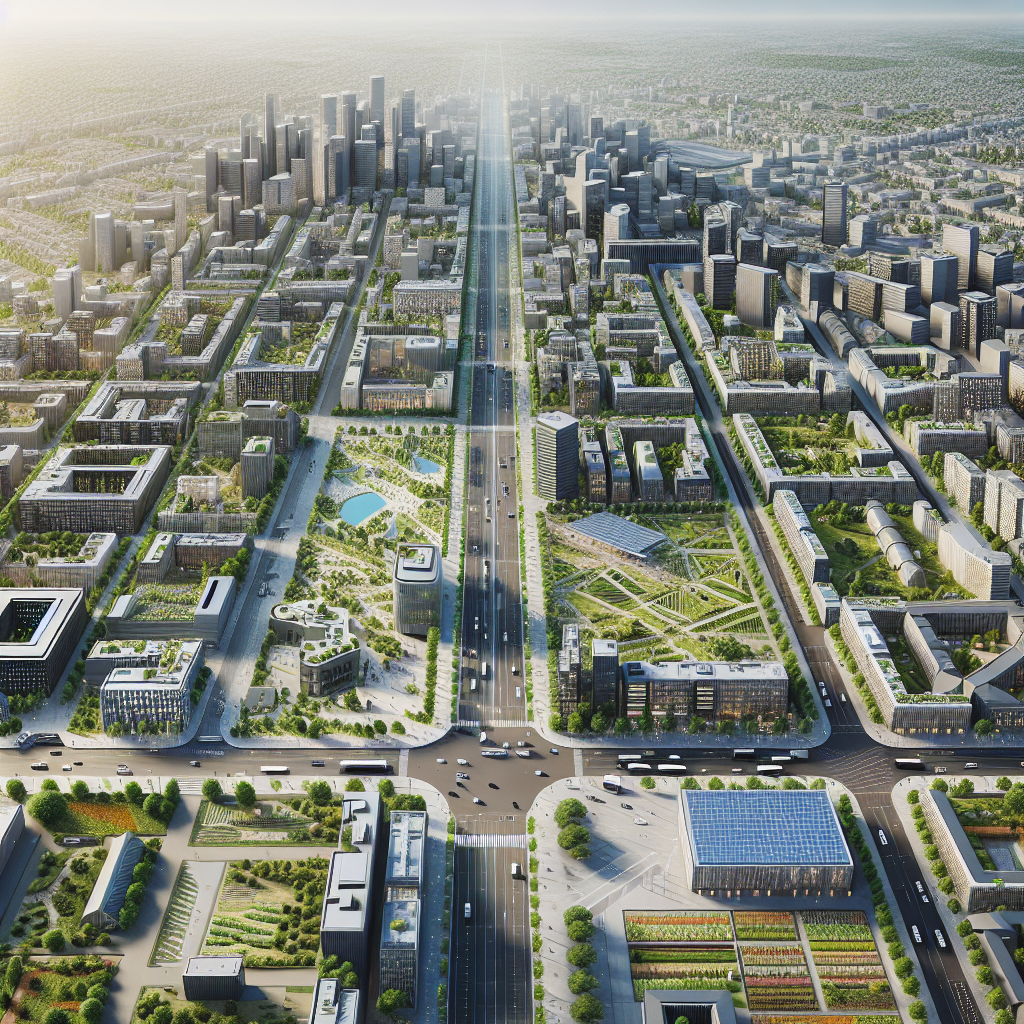
Urban planning is a critical factor in determining the livability and sustainability of our cities. While it encompasses various aspects such as zoning, infrastructure, and community development, a lesser-discussed yet equally critical area is its impact on air quality. This article delves into how urban planning decisions can dramatically influence the air we breathe and what can be done to make our urban environments healthier.
Introduction
In recent years, there has been a growing concern over environmental pollution and its subsequent effects on public health. One of the most significant contributors to air pollution is urbanization. Rapid urban growth, characterized by increased vehicle emissions, industrial activities, and densely populated areas, often leads to poor air quality. While technological advancements have provided solutions for air monitoring and purification, it is crucial to recognize that urban planning and policy play a fundamental role in shaping air quality. Thus, our understanding of urban planning’s impact on air quality must evolve alongside our urban landscapes.
The historical context of urban planning and its relationship with air quality dates back to the Industrial Revolution. During this period, cities expanded rapidly with little regard for environmental consequences. Today, however, we are more informed about the adverse effects of air pollution, making it imperative for modern urban planning to prioritize sustainability. Sustainable urban planning can serve as a powerful tool for improving air quality, as it considers the environmental impact of urban development and seeks to mitigate harm.
Before diving into the specifics of how urban planning influences air quality, it is essential to understand what constitutes air pollution. Air pollution occurs when harmful substances, including particulate matter (PM), nitrogen dioxide (NO2), sulfur dioxide (SO2), and volatile organic compounds (VOCs), enter the atmosphere. These pollutants can stem from various sources, such as vehicle emissions, industrial processes, and residential heating. Consequently, urban planners must integrate strategies that address these sources to reduce pollution levels and improve air quality.
Zoning and Land Use
One of the primary tools urban planners use is zoning. Zoning laws dictate how specific areas of a city can be used, which directly impacts air quality. For example, ensuring that industrial zones are adequately distanced from residential areas can minimize residents’ exposure to industrial pollutants. Conversely, mixed-use zoning encourages community-centered development, where residential, commercial, and recreational spaces coexist. This mixed-use approach not only reduces the need for long commutes but also promotes walking and cycling, thereby lowering vehicle emissions.
The concept of green zoning is another innovative urban planning strategy aimed at improving air quality. Green zones are areas designated for green spaces, such as parks, gardens, and urban forests, which are essential for mitigating air pollution. Vegetation in green spaces acts as natural air purifiers by absorbing pollutants and releasing oxygen. Moreover, green zones provide recreational spaces for residents, enhancing the overall quality of urban life.
Transportation planning is equally significant in zoning and land use. By designing cities that prioritize public transportation, urban planners can significantly reduce the number of vehicles on the road, leading to lower emissions of harmful pollutants. Efficient public transportation systems, such as buses, trams, and trains, offer an environmentally friendly alternative to private car use. Additionally, planning for pedestrian pathways and bike lanes can further reduce the reliance on cars for short trips, contributing to better air quality.
Ultimately, the way land is used within urban areas has a profound impact on air quality. Thoughtful zoning and land use planning can help create healthy, livable cities by reducing pollution sources and providing green spaces for communities.
Green Infrastructure: A Breath of Fresh Air
Green infrastructure refers to the network of natural and semi-natural areas within urban environments, designed to deliver ecological, economic, and social benefits. From urban forests to green roofs, green infrastructure plays a significant role in urban planning aimed at improving air quality.
Urban forests and tree-lined streets are among the most effective green infrastructure elements for air purification. Trees and plants act as natural air filters by absorbing pollutants such as CO2, NO2, and particulate matter. Moreover, the presence of urban greenery can reduce the urban heat island effect, whereby city areas are significantly warmer than their rural counterparts due to human activities. Cooler temperatures can lower energy consumption for air conditioning, resulting in fewer emissions from power plants.
Green roofs and walls are other promising green infrastructure components. Green roofs are vegetated layers grown on rooftops, which can help reduce air pollution by capturing airborne particles and absorbing gaseous pollutants. Similarly, green walls (or vertical gardens) provide the dual benefit of improving air quality and enhancing urban aesthetics. These installations can be particularly effective in densely populated areas where space for traditional green spaces is limited.
Wetlands and rain gardens are additional examples of green infrastructure that support air quality improvement. These features help manage stormwater, reducing the risk of flooding and waterlogging. Through phytoremediation, plants within these systems can also absorb and break down pollutants, preventing them from entering the atmosphere.
The integration of green infrastructure in urban planning not only improves air quality but also contributes to climate resilience and enhanced quality of life. By fostering green spaces and vegetation in urban areas, cities can create healthier environments for their inhabitants.
Transportation and its Role in Urban Air Quality
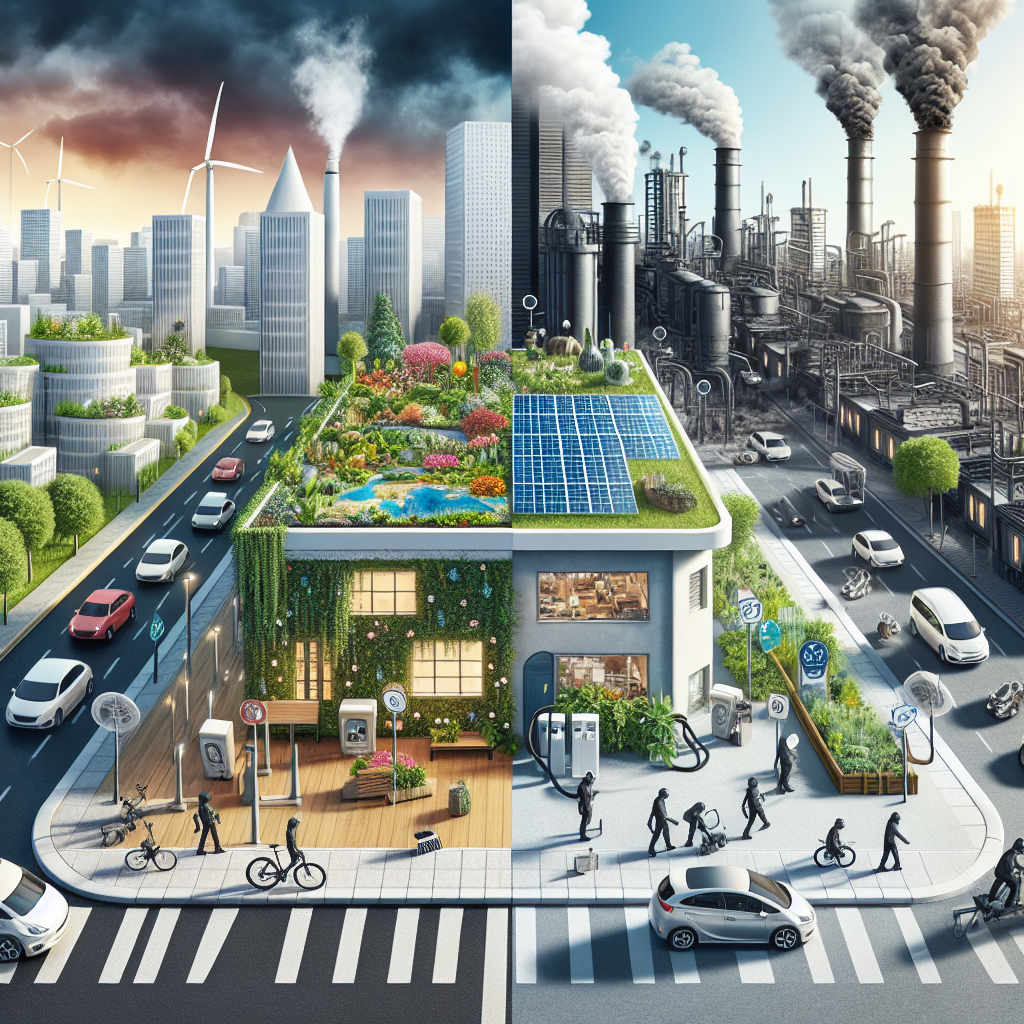
Transportation is a major source of air pollution within urban areas. Vehicle emissions release a variety of harmful pollutants, including carbon monoxide (CO), nitrogen oxides (NOx), volatile organic compounds (VOCs), and particulate matter (PM). Consequently, transportation planning is a critical aspect of urban planning that influences air quality.
To mitigate transportation-related pollution, urban planners must prioritize sustainable transportation options. This involves designing cities in a way that encourages public transit use while also integrating infrastructure for non-motorized modes of transport like walking and cycling. A well-connected public transportation network, coupled with convenient and safe pedestrian and cycling pathways, can reduce the reliance on personal vehicles, leading to lower emissions.
Electric and hybrid vehicles are emerging as vital components of sustainable urban transportation. By incorporating policies and infrastructure that support electric vehicle (EV) adoption, such as charging stations and incentives for EV purchases, cities can significantly reduce air pollution. Some cities have even introduced low-emission zones, where entry is restricted to vehicles meeting specific emission standards, further minimizing transportation-related pollution.
Car-sharing and ride-hailing services can also contribute to improved air quality by optimizing vehicle usage. Shared mobility solutions reduce the need for private car ownership, ultimately decreasing the number of vehicles on the road and lowering overall emissions. Additionally, integrating technology to maximize the efficiency of public transit systems can reduce wait times and enhance the appeal of using public transportation.
The promotion of active transportation modes, such as walking and cycling, offers a dual benefit of reducing emissions while promoting healthier lifestyles. Urban planners should prioritize the development of safe, accessible, and attractive paths for pedestrians and cyclists. Encouraging workplaces and schools to adopt flexible commuting times can also distribute traffic more evenly, decreasing congestion and associated emissions.
Policy and Regulation: Setting the Foundation
Effective urban planning hinges on robust policies and regulations that guide the development and implementation of sustainable practices. Policies at the local, national, and international levels play a pivotal role in shaping urban environments and influencing air quality.
National environmental regulations set the framework for permissible emission levels, air quality standards, and pollutant monitoring. These regulations provide urban planners with clear guidelines and objectives to achieve. For instance, the Clean Air Act in the United States establishes air quality standards and regulates emissions from both stationary and mobile sources.
Local governments can implement specific policies tailored to their unique urban contexts. These may include restrictions on industrial activities in city centers, mandatory use of cleaner technologies, and incentives for businesses and residents to adopt sustainable practices. Local policies can also mandate green space incorporation in new developments and ensure adherence to environmental standards.
International agreements, such as the Paris Agreement, influence national climate and environmental policies, promoting a global effort to reduce greenhouse gas emissions and improve air quality. Urban planners must stay informed about international commitments and align local planning practices with broader global objectives.
Community engagement and public participation in policy development are crucial for ensuring policies are effective and well-received. Urban planners should facilitate open discussions, workshops, and consultations with residents, businesses, and stakeholders to gather input and address concerns. This collaborative approach fosters a sense of ownership and accountability, encouraging communities to actively contribute to air quality improvements.
Monitoring and enforcement mechanisms must accompany policies to ensure compliance and measure progress. Transparent reporting systems and regular assessments help identify areas needing improvement and allow urban planners to adapt strategies accordingly. Effective policy and regulation provide the foundation upon which sustainable urban planning practices can thrive, ultimately leading to enhanced air quality.
Conclusion
Urban planning and air quality are intricately linked, with thoughtful planning playing a pivotal role in creating healthier, more sustainable cities. From zoning and land use to green infrastructure, transportation planning, and robust policies, urban planners have numerous tools at their disposal to improve air quality.
By prioritizing green spaces and optimizing land use, planners can mitigate pollution sources and enhance residents’ quality of life. The integration of green infrastructure not only improves air quality but also provides ecological and social benefits, contributing to climate resilience and community well-being.
Sustainable transportation planning is essential for reducing vehicle emissions, a major contributor to urban air pollution. By encouraging public transit, electric vehicles, and active transportation modes, cities can significantly lower their pollution levels and promote healthier lifestyles.
Effective policies and regulations provide the framework for sustainable urban planning. National, local, and international policies must align to achieve air quality standards and support urban development that prioritizes environmental health. Community engagement and transparent monitoring ensure policies are well-received and successful in their implementation.
In conclusion, urban planning must continually evolve to address the challenges of air pollution. By integrating sustainable practices and leveraging innovative infrastructure, cities can pave the way for a future where clean air is a reality for all residents. Urban planners, policymakers, and communities must work together to build cities that are not only vibrant and dynamic but also environmentally resilient and healthy.
Frequently Asked Questions
1. How does urban planning directly impact air quality?
Urban planning plays a pivotal role in shaping the air quality of a city through decisions about land use, transportation systems, and green spaces. When planners prioritize compact and mixed-use development, it reduces the need for vehicle trips, thereby lowering emissions from cars and trucks. Well-thought-out public transport systems alleviate congestion and minimize pollution by reducing reliance on individual car travel. Additionally, integrating green spaces such as parks and trees into urban designs helps filter air, decrease heat island effects, and absorb CO2. Urban planning that encourages energy-efficient buildings also lessens pollution from power plants. The cumulative effect of these strategies is cleaner air and better public health.
2. What role does transportation planning have on urban air quality?
Transportation planning is crucial for air quality as it determines the mode, efficiency, and emissions of transit options in urban areas. Cities designed with efficient public transportation systems—such as subways, buses, and bike lanes—promote fewer car trips, directly reducing vehicle emissions, which are a major source of urban air pollution. Moreover, by including electric vehicle infrastructure, planners support a shift from gasoline-powered cars, further minimizing pollutants. Rigorous regulations that restrict heavy vehicles’ entry during peak hours can also help manage emissions levels. Initiatives like carpool lanes and high-occupancy vehicle (HOV) lanes encourage ride-sharing which contributes to better air quality.
3. Can green spaces in urban areas improve air quality, and if so, how?
Yes, green spaces significantly enhance urban air quality. Trees and plants absorb carbon dioxide and release oxygen, acting as natural air purifiers. They filter pollutants such as sulfur dioxide, ammonia, and particulate matter from the air. An increase in urban vegetation can moderate temperatures, decrease heating and cooling demands, and thereby reduce power plant emissions indirectly. Beyond air quality, green spaces improve moisture, reduce erosion, and promote biodiversity, all of which contribute to environmental health. Urban planners aiming to improve air quality are increasingly valuing the integration of expansive, well-maintained green areas—and even green rooftops—into their designs.
4. How does zoning affect urban air quality?
Zoning is a core tool in urban planning that dictates how land within a city can be used, separating residential areas from industrial ones to manage and reduce pollution sources. Effective zoning can mitigate air pollution by minimizing exposure to emissions from factories, waste disposal sites, and other high-polluting activities. Mixed-use zoning, which distances pollutant-emitting industries from residential zones while encouraging walkable, multi-use neighborhoods, fosters better air quality. Furthermore, zoning laws can also stipulate standards for green building practices and mandate the inclusion of air-purifying vegetation. Thus, good zoning practices are indispensable in reducing residents’ exposure to air contaminants and enhancing air quality.
5. What urban planning policies can cities adopt to fight air pollution?
To combat air pollution, cities can adopt numerous urban planning policies. Promoting the development of low-emission zones restricts high-polluting vehicles and improves air quality in critical areas. Implementing and expanding public transportation infrastructure to ensure it’s accessible, efficient, and cost-effective encourages residents to opt for eco-friendlier travel alternatives. Policies supporting urban agriculture and expanding green infrastructure help trap pollutants and reduce heat islands. Energy-efficiency codes for construction can minimize emissions from heating and cooling needs, while smart zoning practices keep residential areas away from pollution-heavy industries. Lastly, cities can encourage car-free zones and pedestrian-friendly designs to promote healthier, habitable urban environments with superior air quality.


