Introduction to Public Monuments and Their Importance
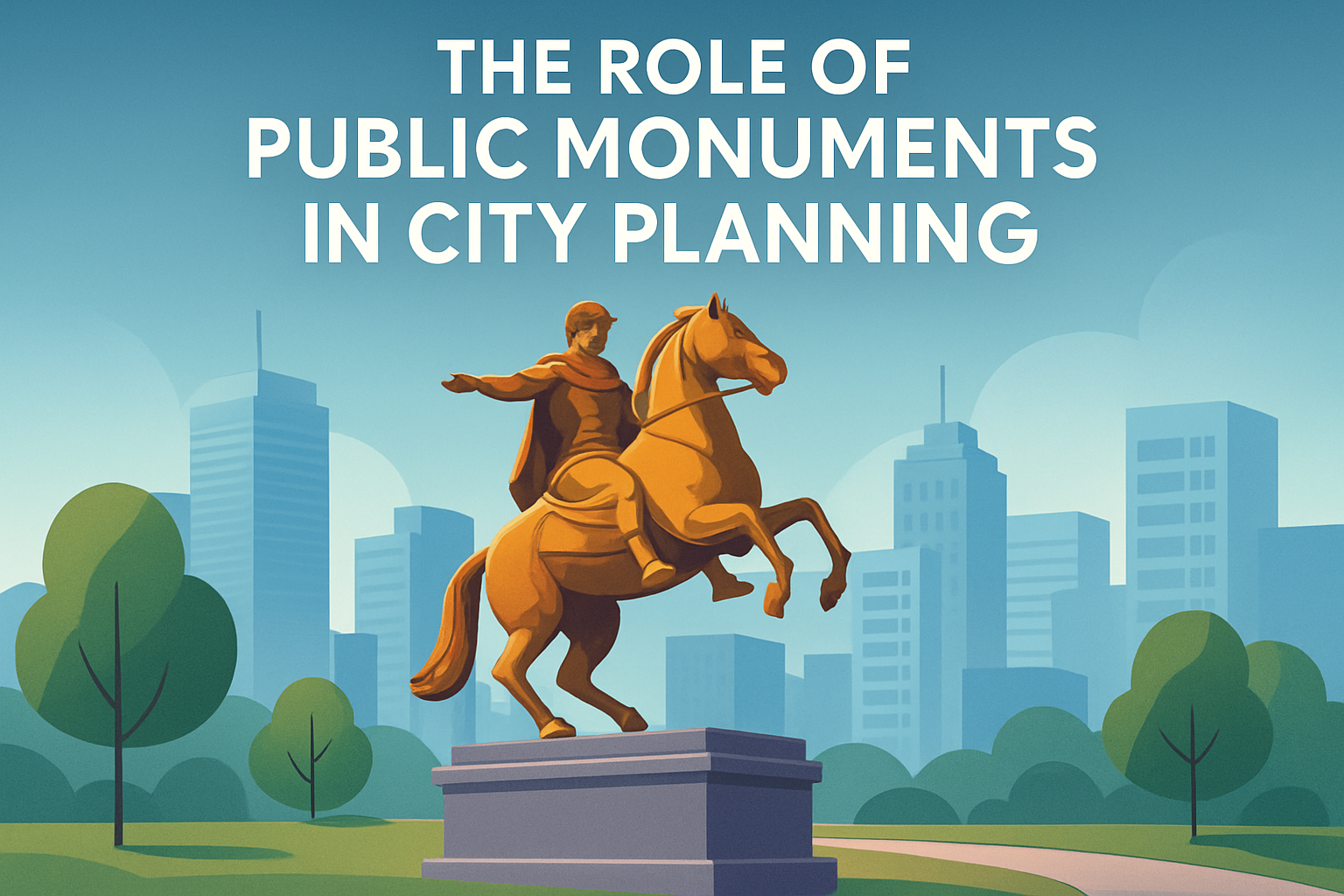
Public monuments are integral fixtures in urban landscapes, serving as cultural landmarks that encapsulate a city’s history, values, and artistic aspirations. These statues, sculptures, and commemorative structures offer more than aesthetic pleasure; they are pivotal in city planning, shaping the social and physical dimensions of urban space. In essence, public monuments are strategic elements that reflect societal identity and influence urban development.
The term ‘public monument’ refers to any man-made structure or sculpture designed to commemorate a person, event, or concept that is situated in a public space accessible to all. What makes these monuments pivotal is not merely their historical or artistic significance but also their role as focal points for civic engagement, tourism, and local pride. City planners and cultural historians emphasize the critical function these structures play in maintaining a city’s cultural heritage and identity.
The relevance of public monuments in city planning cannot be overstated. They offer economic benefits by drawing tourists, educational opportunities through the preservation of history and culture, and social advantages by becoming venues for community gatherings. As cities evolve, the thoughtful integration of public monuments in urban planning becomes essential in fostering a cohesive and engaging environment for residents and visitors alike.
The Historical Context and Evolution of Public Monuments
Public monuments have been a part of urban design since ancient times. Historical governance would commission grand structures celebrating victories or honoring deities. For instance, the Roman Empire famously erected monuments like the Arch of Titus, which commemorated military triumphs and showcased the empire’s strength and technological capabilities of the era.
As societies evolved, so did the function and design of public monuments. During the Renaissance, there was a resurgence in classical themes, with a focus on artistry and humanism. This era saw the commissioning of statues that not only celebrated achievements but also served as public art meant to inspire and educate the citizenry.
In the modern context, public monuments continue to evolve, reflecting current values and technological advancements in design and construction. The Vietnam Veterans Memorial in Washington D.C., created by Maya Lin, exemplifies contemporary monument design. It is noted for its minimalistic approach that contrasts with traditional grandiose designs, yet powerfully evokes reflection and mourning. Thus, the evolution of public monuments mirrors shifts in societal values and technological capabilities.
Impact on City Planning and Community Engagement
Public monuments play a significant role in city planning by influencing spatial configurations and community interactions. They serve as anchor points in urban layouts, often becoming central pieces around which plazas, parks, and public squares are designed. This strategic placement can enhance accessibility and facilitate the flow of pedestrian traffic.
By situating monuments in strategic locations, city planners can encourage civic engagement and community interaction. The monument becomes a gathering place for events or protests, a point of reference for navigation, and a catalyst for social interaction. One notable example is the Statue of Liberty in New York, which is not only a symbol of freedom but a prominent tourist attraction that draws people from around the globe, boosting local economic activities in its vicinity.
Furthermore, public monuments foster community pride and identity. Local residents often feel a sense of ownership and connection to these structures, which can translate into active participation in their preservation and upkeep. This community involvement enhances social cohesion and strengthens the local cultural fabric, making public monuments critical assets in holistic urban planning.
Design and Artistic Considerations in Monumental Architecture
The design of public monuments involves a delicate balance between artistic expression and functional urban planning. A successful monument not only fulfills its commemorative purpose but also integrates seamlessly into its surroundings, enhancing the overall aesthetic and spatial experience. Monumental architecture must consider factors such as scale, visibility, material durability, and symbolic relevance.
One exemplary monument that integrates these considerations is the Gateway Arch in St. Louis, Missouri. Designed by architect Eero Saarinen, the arch’s elegant curvature and towering height make it a prominent landmark. Its stainless steel facade reflects changing light conditions, making it visually dynamic throughout the day. This thoughtful design underscores its symbolic significance as a “Gateway to the West” while complementing the city skyline.
Artistic considerations also entail choosing appropriate themes, motifs, and stylistic elements that resonate with the intended audience. The objective is to create a lasting impact, evoking emotion, reflection, or a sense of wonder. Engaging local artists and historians can enhance the creative process, ensuring that the monument embodies the cultural and historical ethos of the community it represents.
Challenges and Controversies Surrounding Public Monuments
Despite their many benefits, public monuments can be sources of contention and controversy. Issues often arise concerning the interpretation of historical events, representation, inclusivity, and the ethical considerations of whom or what is commemorated. In many cases, monuments reflecting outdated or discriminatory values face scrutiny and calls for removal or reinterpretation.
The debate surrounding Confederate statues in the United States, for instance, illustrates the complexities faced by city planners and communities. Critics argue that these monuments perpetuate racial inequalities and glorify a divisive past. Consequently, some cities have opted to remove such statues, while others have reframed them to provide historical context. This ongoing discourse highlights the need for inclusive and representative monument designs that align with contemporary values.
Moreover, the cost of erecting and maintaining public monuments can strain municipal budgets. Funding for such projects often requires careful planning, public support, and sometimes private donations. Overcoming these financial hurdles necessitates transparent decision-making processes that involve community input, ensuring that the monuments reflect the collective will of the populace.
Real-World Example of Public Monument Integration in City Planning
A noteworthy example of integrating public monuments into city planning is found in Barcelona, Spain, with its iconic Park Güell. Designed by architect Antoni Gaudí, Park Güell is renowned for its fusion of natural and architectural elements, creating a harmonious public space. The park features vibrant mosaics, organic forms, and whimsical structures that embody Gaudí’s artistic vision.
The success of Park Güell lies in its design, which seamlessly incorporates various art forms, landscape designs, and functional urban elements. Its strategic location atop Carmel Hill provides panoramic views of the city, making it a popular destination for tourists and locals alike. The park’s unique combination of art and nature exemplifies how public monuments can enhance the character and functionality of urban spaces.
- Location: Seamlessly incorporates into the city landscape, enhancing visibility and accessibility.
- Artistry: Utilizes innovative artistic techniques that appeal to a broad audience.
- Community Engagement: Serves as a venue for cultural activities and community events.
- Tourism: Attracts visitors worldwide, contributing to the local economy.
This case study illustrates the potential for public monuments to transform urban spaces into vibrant, multifaceted environments. By prioritizing design, community involvement, and integration with the surrounding landscape, city planners can create monuments that are not only artistically significant but also functionally valuable.
Conclusion: Embracing Public Monuments in Future City Planning
Public monuments are instrumental in shaping the cultural and physical landscape of cities. Their role transcends mere ornamentation, offering economic, educational, and social benefits that enhance urban living. As cities continue to grow and diversify, the thoughtful integration of public monuments into city planning becomes increasingly essential.
The key takeaway is that public monuments should be designed with consideration for their historical accuracy, artistic value, community relevance, and financial sustainability. By engaging local communities and stakeholders, city planners can ensure that these structures resonate with contemporary values and contribute positively to urban development.
As a call-to-action, city planners, artists, and communities are encouraged to collaborate in the creation of new monuments that reflect the diverse fabric of modern society. By prioritizing inclusivity, sustainability, and innovation, future public monuments can become enduring symbols of unity and progress within the urban landscape.
Frequently Asked Questions
What is the significance of public monuments in city planning?
Public monuments play a crucial role in city planning because they are more than just decorative elements; they are cultural symbols that reflect a city’s history, values, and identity. These structures help to define the character and narrative of an urban area. When city planners incorporate monuments into their designs, they are shaping both the social and physical dimensions of the city’s spaces. Monuments can also serve functional purposes, such as acting as focal points in plazas or landmarks that aid in navigation throughout the city. They contribute to placemaking and provide citizens and visitors with a deeper understanding of the locale’s ethos, often becoming central parts of public ceremonies and gatherings.
How do public monuments influence the social dynamics of a city?
Public monuments offer communal spaces that encourage social interactions and public discourse. By acting as gathering spots, they foster community cohesion and dialogue around shared histories and collective memory. For instance, a monument honoring historical events or figures can invite discussions on the past, present, and future paths of the community, contributing to a broader understanding and acceptance among different societal groups. Additionally, monuments often symbolize the collective values of a community, thereby reinforcing a sense of belonging and shared identity. By providing venues for cultural expression and public events, these structures also help in nurturing social connections and cultural festivals.
What criteria do city planners use when deciding the location for a public monument?
City planners consider several factors when determining the location of a public monument to ensure it serves its purpose effectively. Visibility is key, as monuments are intended to be seen and acknowledged by the public. They are often placed in prominent locations such as city squares, parks, or near significant civic buildings where they can engage the maximum number of people. The site needs to be accessible and integrated with urban infrastructure, such as transportation routes and pedestrian paths. Planners also consider the historical and cultural context of a site, ensuring the monument complements or enhances the significance of its surroundings. Lastly, practical considerations such as space availability, environmental impact, and maintenance are also accounted for during the planning phase.
Can public monuments be controversial, and how do cities handle such scenarios?
Yes, public monuments can indeed be controversial, particularly when they reflect values or histories that are contentious or painful to certain groups of people. As societal values evolve, monuments that were once seen as symbols of pride may be reassessed and become points of debate. Cities handle such situations through public consultations, discussions, and by engaging historians, artists, and community leaders to reassess the monument’s relevance. Some cities opt to add informational plaques to provide context, relocate monuments to museums, or commission artworks that address and balance diverse perspectives. Transparent and inclusive dialogue is crucial in handling controversies related to public monuments, as it helps to work through differences and find solutions that honor multiple viewpoints.
How do public monuments contribute to the artistic vibrancy of a city?
Public monuments significantly enhance the artistic landscape of a city by infusing spaces with creativity and expression. They serve as outdoor galleries, allowing art to be accessible to everyone and encouraging public engagement with artistic forms. Through their design, materials, and placement, monuments can bring beauty and a sense of awe to everyday environments, enriching the lived experiences of residents and visitors alike. As cultural artifacts, they often involve collaborations with artists and sculptors, infusing cities with contemporary or traditional artistic styles and celebrating diverse cultural expressions. Additionally, monuments can stimulate cultural discourse and influence the design of other urban elements, like architecture or public space layouts, further contributing to the dynamic urban aesthetic.