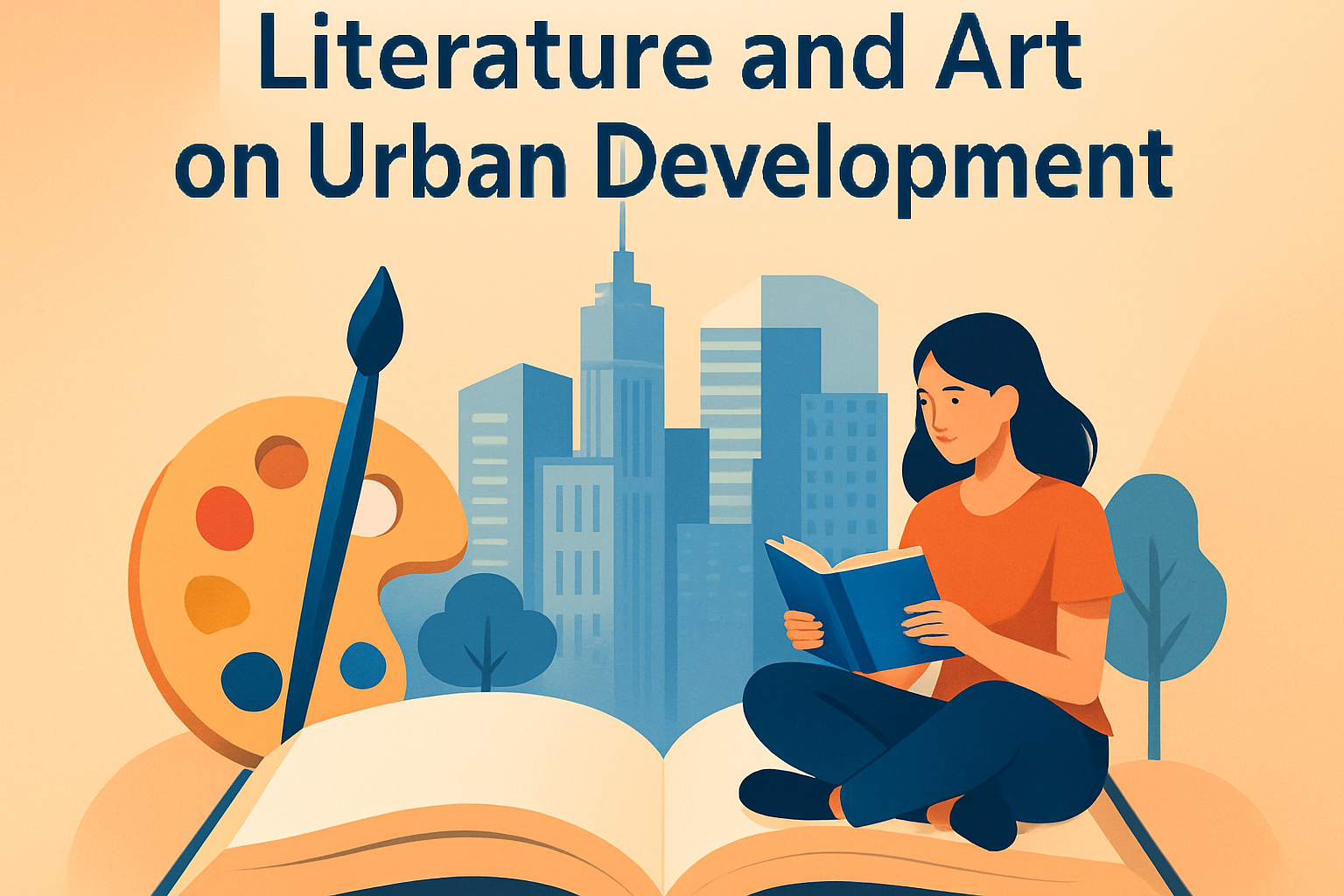
In the sprawling growth of cities and the structures that define them, the subtle yet profound influences of literature and art often go unacknowledged. These creative mediums do more than embellish; they shape perceptions, values, and cultural identities that influence urban development in both tangible and intangible ways. As urban planners sketch skylines and cityscapes, the narratives spun by novelists and the visions seen through an artist’s brush serve as silent architects. Understanding this undercurrent can lead to more vibrant, culturally enriched urban spaces that resonate with the human experience. In what ways, then, do literature and art intersect with urban planning, and why does it matter? This article seeks to explore the multifaceted roles that literature and art play in the evolution of cities, shaping not just their physical layout but also their cultural and social fabrics. Recognizing the impact of these creative forces highlights the importance of integrating artistic and literary insights into urban development strategies for cities that are not only functionally sound but also culturally resonant.
The Role of Literary Imagery in Urban Design
Literary works, through their vivid descriptions and engaging narratives, have a profound impact on urban planning. They not only depict cities but also project visions of urban life that can inspire and inform the physical development of spaces. Authors like Charles Dickens have offered vivid portrayals of cities, notably London, where the social disparities and crowded streets often depicted in his novels stirred public consciousness about urban living conditions and the need for reform. Such literary imagery can influence planners to integrate elements of historical or cultural significance into modern urban design.
An exemplary case is Edinburgh, where literary festivals and historical narratives have shaped its reputation as a city where literature thrives. The UNESCO designation of Edinburgh as the first City of Literature reflects its commitment to fostering literature as a key component of its cultural and urban identity. As a result, the city has invested in public spaces, libraries, and facilities that reflect this literary lineage, thereby enhancing its cultural magnetism and urban appeal.
Art Movements and Their Impact on Urban Architecture
Art movements have historically played a significant role in the architectural styles adopted within urban settings. From the Gothic Revival to Art Deco, each movement has left a distinct mark on the urban landscape. A striking example is the Art Nouveau movement, characterized by its organic forms and ornate detailing, which swept across Europe in the late 19th and early 20th centuries. This movement influenced the design of numerous urban structures and public spaces, emphasizing harmony with the natural environment.
Barcelona serves as a quintessential example, where the architectural work of Antoni Gaudí—most notably seen in the Sagrada Família and Park Güell—demonstrates how art and architecture can merge to create a cityscape that captivates both residents and tourists. Gaudí’s work is imbued with a unique artistic vision that has become emblematic of Barcelona, underlining how art can define a city’s identity and influence its development.
Public Art and Community Engagement
Public art installations are another conduit through which art contributes to urban development. These installations can transform mundane city spaces into vibrant cultural hubs, attracting both locals and visitors. Effective public art serves not only as an aesthetic enhancement but also as a medium for community engagement and social dialogue.
Consider the case of Philadelphia’s Mural Arts Program, which has become a model of how public art can galvanize community involvement. By encouraging local artists to create murals that reflect community values and history, the city has successfully repurposed numerous blighted areas into spaces of pride and cultural conversation. These transformations have contributed to neighborhood revitalization, increased tourism, and greater social cohesion, illustrating the potential of public art to directly influence urban development.
Table: Types of Artistic Influence on Urban Spaces
| Type of Influence | Examples | Impact on Urban Development |
|---|---|---|
| Literary Narratives | Edinburgh’s literary festivals | Cultural identity and tourism enhancement |
| Art Movements | Gaudí’s architecture in Barcelona | Distinctive urban aesthetics and global recognition |
| Public Art Installations | Philadelphia’s Murals | Community engagement and urban revitalization |
Literature as a Reflection and Predictor of Urban Trends
Literature not only encapsulates the state of urban environments but often predicts emerging trends and societal shifts. Dystopian novels, for example, like George Orwell’s “1984” or Aldous Huxley’s “Brave New World,” have offered cautionary tales about urbanization and societal structure that resonate with real-world developments. These narratives challenge readers and urban developers to consider the impacts of certain planning decisions, such as surveillance in public spaces and the loss of community centers.
Similarly, contemporary works focusing on themes like gentrification and sustainability bring to the forefront the challenges faced by modern cities. For instance, novels that elucidate the displacement issues caused by urban renewal projects can influence policies to be more considerate of vulnerable populations. Through these stories, literature urges urban planners to create spaces that are inclusive and sustainable, based on lessons learned from imagined urban futures.
The Synergy Between Art, Literature, and Technological Innovation
The emergence of digital technology has created new forums for art and literature to influence urban development. Virtual reality (VR) and augmented reality (AR) allow urban planners to visualize and test new urban concepts informed by literary and artistic narratives. Artists and writers are now collaborating with technologists to create immersive experiences that inspire innovative urban designs.
An example of this synergy can be found in smart cities, where technology seamlessly integrates with artistic design to enhance urban living. Cities like Singapore are pioneering the integration of advanced technology with art in urban planning, using digital tools to create responsive and flexible urban environments. These innovations point to a future where art and literature not only inspire but also actively shape the technological infrastructures that underpin modern urban life.
Conclusion: Integrating Art and Literature into Urban Development
The influence of literature and art on urban development is both profound and multifaceted. These creative disciplines permeate urban design, enhancing cultural identity, fostering community engagement, and inspiring architectural innovation. By carefully considering the narratives and aesthetics provided by literature and art, urban developers can design cities that are not only functional but also enrich the human spirit.
In summary, recognizing the pivotal roles of art and literary narratives can lead to more holistic urban planning approaches that honor cultural heritage while embracing modern advancements. As cities continue to grow and evolve, integrating literary and artistic insights offers a pathway to creating dynamic, inclusive, and sustainable urban environments. For city planners, architects, and policymakers, the next step involves cultivating these creative influences to build cities that are as culturally vibrant as they are structurally sound.
Frequently Asked Questions
1. How does literature influence urban development?
Literature has a significant impact on urban development by influencing public perception and policy-making. Through storytelling, novelists and poets can encapsulate the essence of a city, highlighting its unique characteristics and issues. Books that depict urban life often bring to light societal concerns such as poverty, inequality, and environmental degradation, influencing public discourse and prompting changes in urban planning. Literary works also inspire architectural designs and urban layouts. For instance, the dystopian environments described in science fiction novels can guide urban planners to avoid those pitfalls, while utopian literature can serve as a blueprint for more harmonious urban living spaces. Furthermore, literature immortalizes cities, making them iconic; places like Paris and New York often become intrinsic to narratives, attracting tourism and cultural investments that shape urban landscapes.
2. In what ways does art contribute to the shaping of cities?
Art contributes profoundly to urban development by transforming cityscapes into vibrant hubs of culture and innovation. Murals, sculptures, and public installations not only beautify spaces but also reflect the collective identity and aspirations of a city’s inhabitants. By integrating art into public spaces, cities can foster community engagement and pride. Art installations can serve as landmarks, influencing city layouts and pedestrian pathways. Furthermore, art districts can stimulate local economies by attracting visitors, businesses, and real estate investments. The presence of thriving art scenes often signals an urban renaissance, inviting creativity and diversity into neighborhoods and leading to regeneration projects that can revitalize underdeveloped areas.
3. Can you provide examples of cities where literature and art have played a pivotal role in their development?
Several cities around the world showcase the profound impact of literature and art on their development. Paris, often dubbed the “City of Light,” is a prime example. Its rich literary history, with figures like Victor Hugo and Ernest Hemingway, has shaped its image as a haven for intellectuals, artists, and romantics, influencing urban policies aimed at preserving its historic and cultural landmarks. Similarly, Barcelona’s urban development has been significantly influenced by Antoni Gaudí’s architectural masterpieces, which draw millions of tourists annually and have prompted preservation efforts and modern traffic solutions in the city. Another example is London, where the literary works of Charles Dickens and others have highlighted the social issues of their time, influencing urban reforms and the development of public services. These cities are exemplary in demonstrating how literature and art can be integral to their identity and growth.
4. How do urban planners incorporate literary and artistic elements into their projects?
Urban planners incorporate literary and artistic elements into their projects through various innovative approaches. They often collaborate with artists and authors to create spaces that resonate with cultural narratives and aesthetic values. Public art installations and literary references in the design of parks, squares, and buildings are common practice. For instance, planners may use themes from local literature to name streets or neighborhoods, fostering a sense of historical and cultural continuity. In addition, projects might include murals or sculptures that encapsulate the essence of literary works significant to the city’s heritage. Urban planners may also design public spaces that encourage artistic performances or book fairs, integrating cultural activities into the urban fabric. Through these efforts, planners ensure that cities not only function efficiently but also promote cultural and artistic expression.
5. What challenges do cities face in balancing urban development with the preservation of cultural and artistic heritage?
Cities face several challenges in balancing urban development with the preservation of cultural and artistic heritage. One of the primary challenges is economic pressure, as rapid urbanization often prioritizes commercial and residential real estate over cultural sites. This can lead to the displacement of artist communities and the destruction of historic neighborhoods. Furthermore, cities need to contend with limited public funding, which can hamper efforts to preserve and sustain cultural sites. Balancing modernization with conservation requires careful policymaking and community involvement to ensure that development projects respect and integrate cultural heritage. Another challenge is maintaining the relevance of these sites to contemporary audiences, necessitating adaptive reuse of historic structures while retaining their cultural significance. Addressing these challenges requires a thoughtful approach that values both economic progress and cultural preservation.