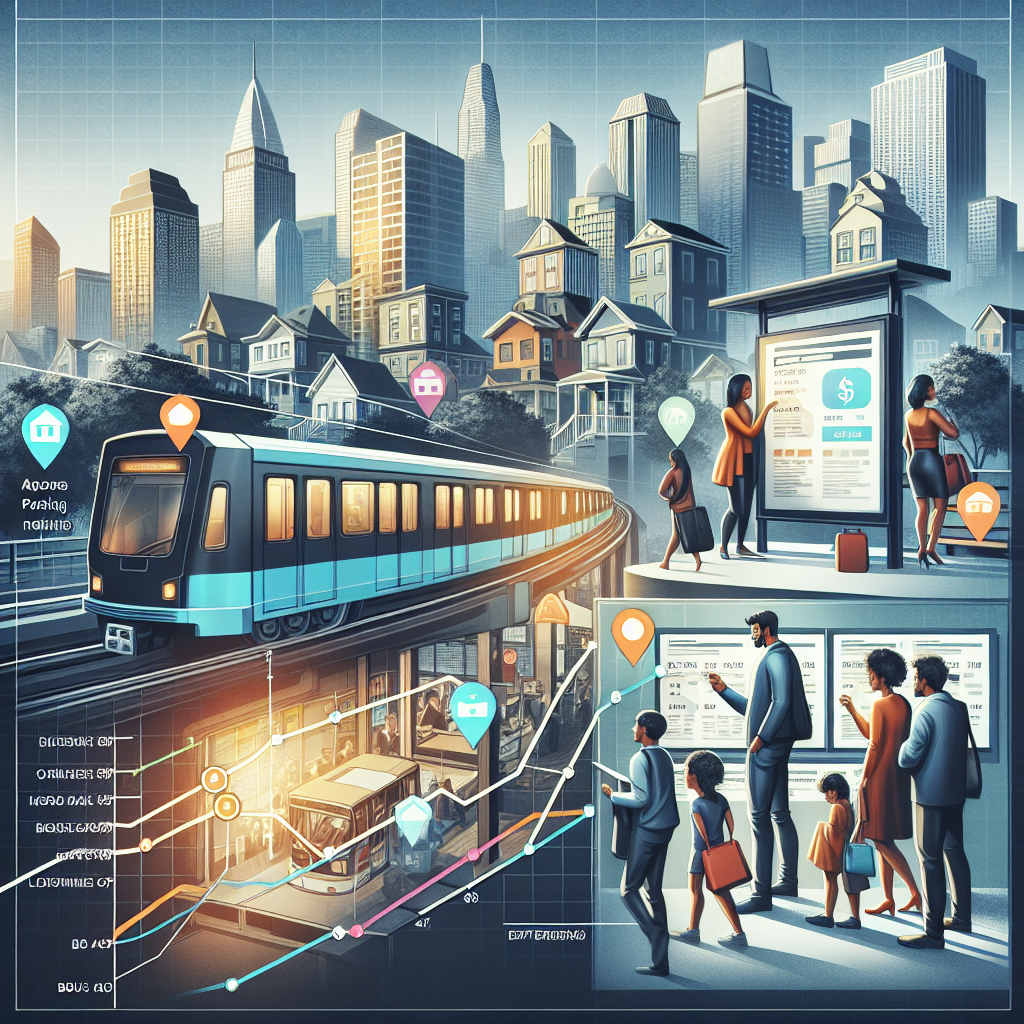
The dynamics of the housing market are influenced by innumerable factors, including but not limited to economic conditions, regulatory policies, and social trends. Among these, one of the most powerful influencers is the accessibility and efficiency of public transportation. This factor is critically shaping housing market preferences, driving demand in certain areas while simultaneously impacting property values. Given our increasingly urbanized world, the link between public transportation and housing is more pronounced than ever before. Homebuyers and renters alike have started prioritizing proximity to public transit systems when making their housing decisions, fundamentally altering the housing market landscape.
In the past, the American Dream was synonymous with suburban homes, car ownership, and spacious yards. Today, however, lifestyle shifts and environmental consciousness are steering many to seek homes within walking distance of reliable public transportation. These shifts are driven by evolving work patterns, affordability concerns, and a growing awareness of sustainable living. Cities worldwide are investing significantly in modernizing and expanding their public transportation networks, aiming to create more liveable, connected urban environments. This investment is not just transforming urban mobility but is also reigniting interest in urban living.
Clearly, the nexus between public transportation and housing market preferences is salient and multifaceted. Exploring how public transportation influences where people choose to live, the prices they’re willing to pay, and the overall desirability of neighborhoods can provide invaluable insights for homebuyers, real estate professionals, and policymakers alike. This article delves into the myriad ways public transportation exerts its influence on housing market preferences, examining empirical data, market trends, and expert analyses to paint a comprehensive picture of this pivotal relationship.
Public Transportation Accessibility and Property Values
It is well-documented that public transportation accessibility directly influences property values. Homes located near efficient public transit systems, such as subway stations, bus rapid transit lines, and light rail systems, typically enjoy higher property values compared to those lacking such access. The rationale behind this is simple: easy access to public transportation reduces the time and cost associated with commuting, enhancing the overall quality of life for residents.
Various studies have demonstrated the positive correlation between proximity to public transportation and property values. For instance, a study conducted by the American Public Transportation Association found that properties located near public transit enjoyed a significant value premium compared to those in car-dependent areas. This premium was particularly pronounced in metropolitan regions where commutes via private vehicles are often time-consuming and cumbersome.
Moreover, the type of public transportation also plays a crucial role. High-capacity, reliable systems like subways and commuter rail services tend to have a more substantial impact on property values compared to bus services, as they offer faster and more predictable travel times. However, recent innovations such as Bus Rapid Transit (BRT) systems are gaining traction and starting to rival the impact of traditional rail systems, thanks to dedicated lanes and improved service regularity.
While the positive relationship between public transportation and property values is apparent, it’s also essential to consider the potential for disparities and inequities. Neighborhoods with excellent transit access often become highly desirable, driving up prices and sometimes leading to gentrification. Hence, the challenge for urban planners and policymakers is to create inclusive, equitable transit-oriented developments that benefit a broad spectrum of residents, ensuring the advantages of accessible public transit are widespread and not confined to the affluent.
The Impact on Housing Choices and Preferences
The influence of public transportation extends beyond property values to significantly affect housing choices and preferences. In an era where remote work is increasingly common, the rigid necessity of living near one’s workplace is receding, and the importance of being close to reliable public transportation remains crucial. Many individuals and families prioritize areas with excellent public transit, recognizing that it offers flexibility, reduces reliance on personal vehicles, and supports a more sustainable lifestyle.
Young professionals, in particular, exhibit strong preferences for neighborhoods with robust public transportation options. They often opt for smaller, more affordable urban apartments that allow them to enjoy the vibrant city life without the burden of extensive commuting or the need for car ownership. Similarly, retirees often choose to downsize and move to transit-rich neighborhoods, seeking convenience and easy access to amenities and healthcare services.
Furthermore, public transportation accessibility plays a significant role in the rental market. Renters, who typically have higher mobility than homeowners, tend to favor properties near public transit lines. Numerous studies indicate that proximity to public transportation can command higher rental prices, as tenants are willing to pay a premium for the connectivity and convenience it offers.
Thus, real estate developers are increasingly focusing on transit-oriented developments (TOD) – walkable, mixed-use communities centered around high-quality public transportation systems. These developments are designed to maximize access to public transport, thereby fostering sustainable urban growth, reducing traffic congestion, and enhancing the overall quality of urban living. The growing popularity of TOD reflects a broader shift in housing preferences driven by public transportation and its associated benefits.
Environmental Benefits and Sustainability Concerns
The relationship between public transportation and housing market preferences is also closely tied to growing environmental consciousness. As climate change becomes an urgent global issue, both consumers and policymakers are seeking eco-friendly solutions, with public transportation emerging as a critical component of sustainable urban development.
Public transportation significantly reduces greenhouse gas emissions compared to private vehicles. A single bus can replace up to 50 individual cars, dramatically lowering carbon footprints. Consequently, living near public transit options is seen as an environmentally responsible choice, appealing to those who prioritize sustainability in their housing decisions. The reduced need for extensive parking spaces further encourages the development of green spaces and pedestrian-friendly zones, enhancing urban ecology and resident well-being.
In addition, cities are increasingly investing in eco-friendly public transportation systems, such as electric buses and trains powered by renewable energy sources. These initiatives amplify the environmental benefits of public transit, making urban living more attractive to environmentally conscious individuals. Green building certifications, like LEED, also encompass proximity to public transportation as a criterion, underscoring the importance of transit options in sustainability assessments.
Moreover, the integration of public transportation with cycling and pedestrian infrastructure fosters a holistic approach to sustainable mobility. Cities like Copenhagen and Amsterdam serve as prime examples, where seamless connectivity between various modes of transport creates a model of sustainable urban living that is being emulated globally. Thus, the influence of public transportation on housing market preferences is intertwined with broader sustainability goals, driving demand for transit-rich, eco-friendly communities.
Case Studies: Urban Success Stories
Examining case studies of cities that have successfully integrated public transportation with housing development can provide valuable insights into best practices and the tangible impact on housing market trends. Tokyo, Japan, serves as an exemplary model where an extensive and highly efficient public transportation network has significantly shaped housing preferences and urban planning.
Tokyo’s integrated transit system, which includes subways, trains, and buses, enables seamless mobility across the metropolis. The city’s emphasis on transit-oriented development has led to the creation of thriving neighborhoods that offer a blend of residential, commercial, and recreational spaces. Proximity to transit stations is a key factor in property desirability and pricing, reflecting the high value residents place on accessibility and convenience.
Similarly, Portland, Oregon, has garnered attention for its commitment to sustainable urban development, supported by a robust public transportation system. The city’s light rail and streetcar networks, combined with a bike-friendly infrastructure, have spurred the development of vibrant, walkable neighborhoods. Portland’s focus on mixed-use developments near transit hubs demonstrates how smart urban planning can promote sustainable living and enhance the quality of life.
Another noteworthy example is Hong Kong, where the Mass Transit Railway (MTR) system plays a pivotal role in urban development. The MTR’s integration with residential, commercial, and recreational spaces has transformed Hong Kong into a model of seamless urban connectivity. The high value attached to properties near MTR stations underscores the influence of public transportation on housing market preferences.
These case studies illustrate that strategic investments in public transportation and transit-oriented development can yield substantial benefits, including enhanced property values, vibrant communities, and sustainable urban growth. They serve as tangible evidence of the significant impact of public transportation on housing market preferences and underscore the importance of transit accessibility in contemporary urban planning.
Challenges and Opportunities
While the influence of public transportation on housing market preferences is evident, it is not without challenges. One of the primary challenges is ensuring equitable access to public transportation across diverse communities. Inequities in transit access can exacerbate social and economic disparities, limiting opportunities for mobility and connectivity for marginalized populations. Thus, urban planners and policymakers must prioritize inclusive transit solutions that benefit all residents, regardless of socioeconomic status.
Another challenge is balancing development pressures with the preservation of community character. Transit-rich neighborhoods often experience increased development activity, leading to concerns about gentrification and displacement of long-standing residents. Implementing policies that promote affordable housing, community engagement, and inclusive development can help mitigate these challenges and ensure that the benefits of public transportation are shared equitably.
At the same time, there are numerous opportunities to leverage public transportation to enhance housing market preferences and urban planning. Innovative transit solutions, such as autonomous vehicles and on-demand transit services, hold the potential to revolutionize urban mobility and reshape housing choices. By incorporating these technologies into public transportation systems, cities can offer more flexible, efficient, and sustainable mobility options for residents.
Furthermore, fostering public-private partnerships can play a crucial role in advancing transit-oriented development. Collaborations between transportation agencies, real estate developers, and community organizations can drive the creation of mixed-use, transit-friendly neighborhoods that enhance connectivity and quality of life. Incentives for green building practices, affordable housing development, and community engagement can further support these efforts.
In conclusion, while challenges exist, the opportunities to harness public transportation as a catalyst for positive urban transformation are immense. With thoughtful planning, strategic investments, and inclusive policies, cities can create thriving, transit-oriented communities that meet the evolving housing preferences of residents while promoting sustainability and equity.
Conclusion
The influence of public transportation on housing market preferences is a multifaceted and dynamic phenomenon that continues to shape urban landscapes worldwide. As cities invest in expanding and modernizing their public transportation networks, the impact on property values, housing choices, and sustainability becomes increasingly apparent. Homebuyers and renters are placing a premium on transit accessibility, recognizing the convenience, cost savings, and environmental benefits it offers.
This article has explored the intricate relationship between public transportation and housing market preferences, highlighting key trends, empirical data, and case studies that underscore the significance of transit access in contemporary urban planning. From the positive correlation between transit proximity and property values to the growing demand for transit-oriented developments, it is clear that public transportation plays a pivotal role in shaping housing preferences.
Moreover, the environmental benefits of public transportation, coupled with the rising awareness of sustainability, further reinforce its importance in housing decisions. As cities embrace eco-friendly transit solutions and integrate them with cycling and pedestrian infrastructure, the appeal of transit-rich neighborhoods continues to grow. These developments demonstrate that public transportation is not just a means of mobility but a cornerstone of sustainable, livable communities.
While challenges such as equitable access and gentrification exist, they also present opportunities for innovative, inclusive urban planning. By prioritizing inclusivity, fostering public-private partnerships, and exploring new transit technologies, cities can harness the transformative potential of public transportation to create vibrant, connected, and sustainable urban environments.
Ultimately, the influence of public transportation on housing market preferences underscores the interconnectedness of mobility, quality of life, and urban development. As we move forward, it is imperative for urban planners, policymakers, and real estate professionals to recognize and embrace the pivotal role of public transportation in shaping the future of our cities and housing markets.
Frequently Asked Questions
1. How does public transportation impact housing market trends?
Public transportation has a significant influence on housing market trends due to its ability to shape people’s lifestyle and work choices. When a particular area has a reliable and efficient public transportation system, it becomes more attractive to residents seeking convenience and accessibility. This increases demand for housing in such neighborhoods, often leading to an appreciation in property values. Conversely, areas lacking in public transport infrastructure may experience stagnation or even decline in housing demand. Furthermore, public transport helps reduce traffic congestion and environmental impacts, which are important considerations for homeowners. The accessibility of buses, trains, and other forms of public transit can expand housing market options, allowing people to live further away from city centers while still being connected to employment hubs, schools, and entertainment venues.
2. Why do property values tend to rise near public transportation hubs?
Properties located near public transportation hubs tend to see a rise in value due to several factors. First, they offer the convenience of easy access to public transit, which can be a major selling point for potential buyers or renters who prefer to avoid the hassles of driving and parking in busy urban areas. Second, being near public transportation can reduce commuting times and costs, making these properties more appealing to a wider range of people, including young professionals and students. Third, public transport links often contribute to the economic development of an area, attracting businesses and amenities that further enhance the neighborhood’s desirability. Finally, as cities continue to grow and urbanize, the demand for accessible locations near transit hubs is expected to increase, creating competitive real estate markets in these areas.
3. Can improved public transportation affect rental prices, and if so, how?
Yes, improved public transportation can significantly affect rental prices. When a new transit line or station is introduced, it can lead to a surge in demand for rental properties in that vicinity. Renters tend to flock to areas with superior transit options because they offer an affordable and convenient lifestyle, reducing the need for car ownership and the associated costs. As demand rises, landlords may increase rents due to the heightened competition for these desirable locations. Additionally, improved public transportation can attract a more diverse demographic, including students, young professionals, and families who value accessibility. This increased competition among different demographic groups can drive up rental prices over time. On the flip side, for neighborhoods away from main transit lines, the lack of public transport development may cause a slump in rental demand and prices.
4. How does the proximity to public transportation influence urban development patterns?
Proximity to public transportation significantly influences urban development patterns by encouraging higher density and mixed-use developments. In areas near transit hubs, there’s often a greater emphasis on combining residential, commercial, and recreational spaces to create vibrant, walkable communities. This approach not only maximizes land use but also supports sustainable growth by reducing reliance on cars and promoting eco-friendly lifestyles. Furthermore, developers are often keen to build near public transportation because these areas hold the potential for increased property values and better return on investment. Cities might prioritize these regions for infrastructure improvements, promoting further development. Additionally, public transportation can carve out new urban corridors, potentially revitalizing underdeveloped areas by making them more attractive for residential and commercial investments.
5. What role do government policies play in influencing the relationship between public transport and housing markets?
Government policies play a pivotal role in shaping the relationship between public transport and housing markets. Policies regarding urban planning, zoning laws, and transportation funding can directly affect how transportation infrastructure is developed and expanded. For example, governments can incentivize transit-oriented development through tax credits or grants, encouraging developers to build residential and commercial projects near transit lines. Additionally, resolving policy challenges such as regulatory bottlenecks and land use restrictions can expedite infrastructure development, influencing housing patterns to adapt to improved transit access. Moreover, government decisions on budget allocations and subsidies for public transportation can determine the quality and extent of transportation networks, thereby affecting the attractiveness of certain residential areas. Overall, strategic policy-making is essential to ensure that public transportation effectively contributes to desired housing market outcomes, including affordability, accessibility, and sustainability.