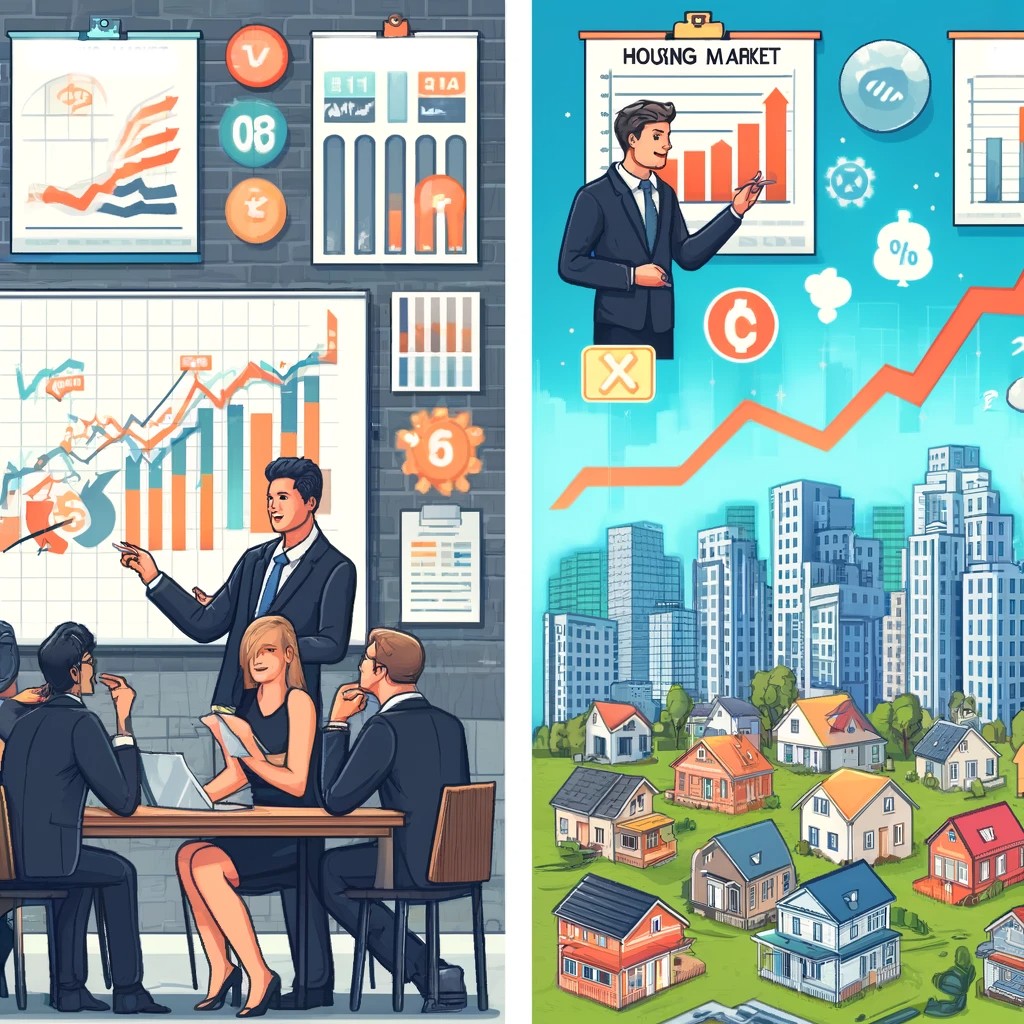
The landscape of housing and urban planning is constantly changing, shaped by economic conditions, technological advancements, and societal preferences. In recent years, one of the most significant influencers has been the growing emphasis on health and wellness. This shift has altered not just the way we think about housing but has also driven new trends in urban development that prioritize the well-being of individuals and communities.
Health and wellness trends are no longer confined to our diets or exercise routines; they have permeated nearly every aspect of our lives, including our homes and neighborhoods. This holistic approach to well-being considers mental, physical, and emotional health, affecting how homes are designed and what features are included. From air purification systems to well-equipped fitness centers, the demand for healthy living spaces is influencing market trends significantly.
The COVID-19 pandemic further accelerated these trends, as people became more conscious of their living environments due to increased time spent at home. This has led to a spike in demand for homes with features that support a healthier lifestyle, such as access to outdoor spaces, enhanced building materials, and smart home technology designed to monitor and improve air quality.
As we delve deeper into the topic, we will explore how health and wellness trends have impacted various components of the housing market. We’ll examine new building designs, neighborhood planning, and the incorporation of wellness amenities. Furthermore, we’ll look at the sustainability aspects and how they contribute to health-oriented housing. Whether you’re a homeowner, a prospective buyer, or an urban planner, understanding these trends can offer valuable insights into the future of housing.
New Building Designs Focused on Wellness
One of the most evident impacts of health and wellness trends on housing is the innovation in building designs. Modern homes are now being constructed with a clear focus on promoting the well-being of their occupants. This involves a comprehensive approach that considers air quality, natural lighting, materials used, and spatial design.
Air quality is a crucial factor in the design of health-oriented homes. Poor indoor air quality can lead to various health issues, including allergies and respiratory conditions. To combat this, builders are incorporating advanced air purification systems and using non-toxic building materials. These materials, often referred to as “green” or “eco-friendly,” are free from harmful chemicals and promote a healthier indoor environment.
Another significant trend is the emphasis on natural lighting. Research has shown that natural light is beneficial for both physical and mental health. It helps regulate our circadian rhythms, improves mood, and boosts productivity. As a result, modern homes are designed with large windows and open floor plans that allow for maximum sunlight.
Spatial design also plays a crucial role. Homes are now being designed with flexible spaces that can easily be adapted to serve various functions, from home offices to yoga studios. This flexibility supports a healthy work-life balance, a concept that has gained particular importance in the age of remote working. Homes with open spaces that facilitate movement and exercise are becoming increasingly popular.
Neighborhood Planning for Healthier Communities
The impact of health and wellness trends extends beyond individual homes to the planning of entire neighborhoods. Creating communities that promote healthy living involves thoughtful urban planning that considers accessibility, green spaces, and community engagement.
Accessibility is a key component in neighborhood planning. It involves designing walkable neighborhoods where essential services, such as grocery stores, schools, and healthcare facilities, are within easy reach. Walkability not only encourages physical activity but also reduces reliance on vehicles, contributing to better air quality.
Green spaces are another vital aspect. Parks, community gardens, and recreational areas provide residents with opportunities for outdoor activities, reducing stress and promoting physical well-being. These spaces also foster social interactions, strengthening community bonds.
Community engagement initiatives focus on creating a sense of belonging and encouraging residents to take part in communal activities. This can include everything from farmers’ markets to fitness classes and community events. Social connections are a significant factor in overall well-being, and neighborhoods designed with this in mind tend to be more vibrant and cohesive.
Wellness Amenities in Modern Housing Developments
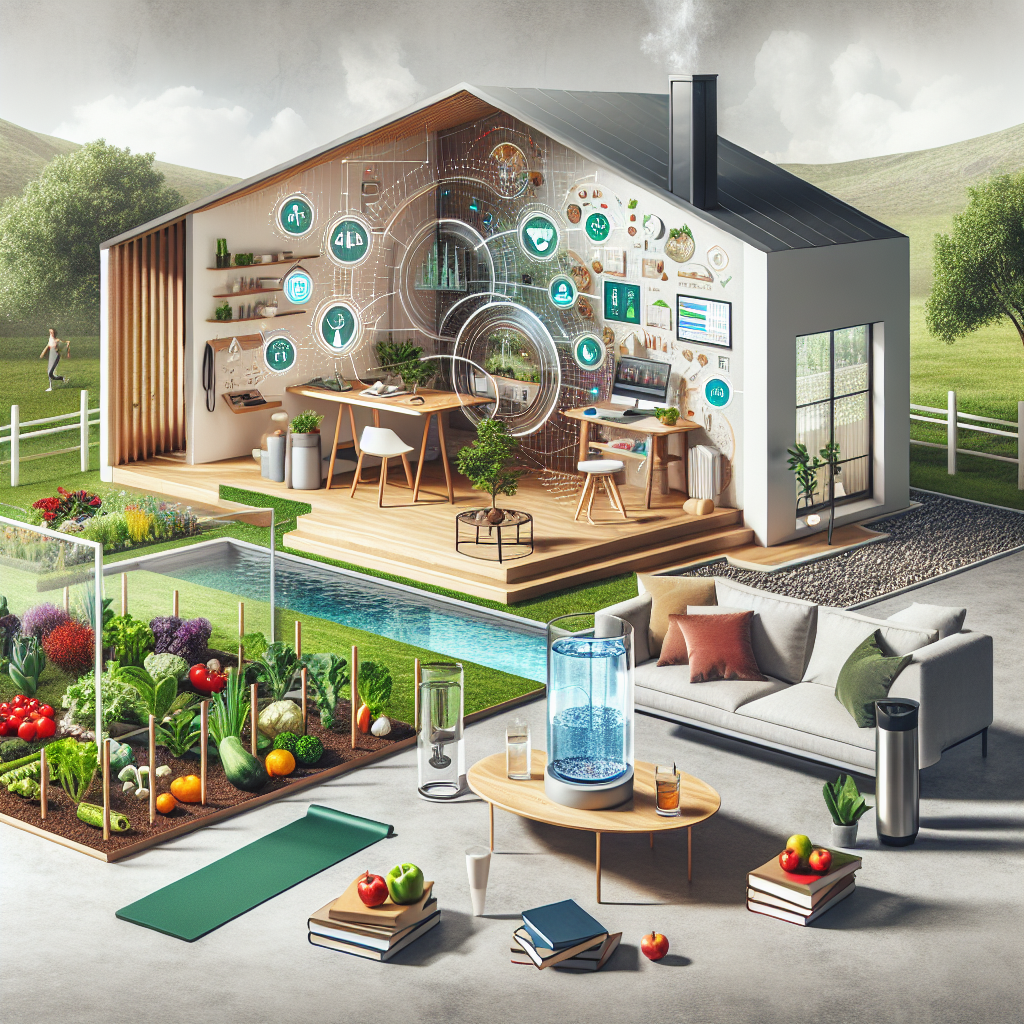
Wellness amenities are becoming a standard feature in modern housing developments, reflecting the increasing demand for health-oriented living spaces. These amenities go beyond traditional fitness centers to include a wide range of features designed to enhance the well-being of residents.
One of the most popular wellness amenities is the inclusion of fitness centers within housing complexes. These centers are often equipped with state-of-the-art exercise equipment, swimming pools, and spaces for group fitness classes such as yoga and Pilates. By providing easy access to fitness facilities, housing developments make it convenient for residents to maintain an active lifestyle.
Wellness rooms are another trend, offering spaces dedicated to relaxation and mental health. These rooms may include features such as meditation spaces, massage therapy areas, and even sensory rooms designed to reduce stress and promote calmness.
Outdoor wellness amenities are also highly sought after. These can include rooftop gardens, walking trails, and outdoor fitness stations. Access to these spaces allows residents to enjoy fresh air and sunlight, which are essential for physical and mental well-being.
Lastly, many modern housing developments are incorporating wellness technology. This can include smart home systems that monitor air quality, provide lighting that mimics natural daylight, and even offer personalized wellness recommendations based on the resident’s lifestyle. The integration of such technology ensures that residents can maintain a healthy living environment with ease.
Sustainability and Its Link to Health-Oriented Housing
Sustainability and health-oriented housing are closely intertwined. Sustainable building practices not only benefit the environment but also contribute to the well-being of residents. This relationship is becoming increasingly recognized and is driving changes in both housing designs and urban planning.
Energy efficiency is a fundamental aspect of sustainable housing. Homes that are designed to be energy-efficient reduce the reliance on non-renewable resources, resulting in lower utility bills and a smaller carbon footprint. These homes often incorporate features such as solar panels, energy-efficient windows, and advanced insulation. By reducing energy consumption, residents enjoy a healthier indoor environment with consistent temperatures and lower emissions of pollutants.
Water conservation is another critical element. Sustainable homes often include low-flow fixtures, rainwater harvesting systems, and xeriscaping (landscaping with drought-resistant plants). These features not only save water but also promote a connection with nature, contributing to residents’ overall sense of well-being.
The use of sustainable materials in construction is also essential. Materials such as recycled steel, bamboo, and reclaimed wood reduce the environmental impact of building new homes. Moreover, these materials are often free from harmful chemicals, which improves indoor air quality and contributes to the health of the occupants.
Finally, sustainable housing developments often include community features such as shared gardens, composting facilities, and recycling programs. These features foster a sense of community and environmental responsibility, encouraging residents to live more sustainably.
The Future of Health and Wellness in Housing
As we look to the future, it’s clear that health and wellness trends will continue to shape the housing market. The demand for homes that support a healthy lifestyle is likely to increase, driving further innovation in building designs, urban planning, and amenities.
One area that is expected to see significant growth is the integration of technology. Smart home systems that monitor and improve indoor air quality, provide energy-efficient solutions, and offer wellness recommendations will become more advanced and accessible. These technologies will make it easier for residents to maintain a healthy living environment.
The concept of biophilic design, which seeks to connect occupants more closely with nature, is also expected to gain traction. This approach includes incorporating natural elements such as plants, water features, and natural materials into the design of homes and communities. Biophilic design has been shown to reduce stress and improve overall well-being.
Furthermore, as remote working becomes more common, there will be an increased focus on creating homes that support a healthy work-life balance. This includes flexible living spaces, home offices designed with ergonomics in mind, and amenities that encourage physical activity and relaxation.
Finally, the trend towards sustainability will continue to influence the housing market. As awareness of environmental issues grows, more consumers will seek out homes that are designed to be energy-efficient and environmentally friendly. This shift will drive further innovation in sustainable building practices and community planning.
Conclusion
The impact of health and wellness trends on the housing market is profound and far-reaching. From innovative building designs to thoughtful neighborhood planning, these trends are reshaping our living environments in ways that prioritize the well-being of individuals and communities.
Modern homes are now being designed with a holistic approach to well-being, considering factors such as air quality, natural lighting, and flexible spaces. These designs not only improve the physical health of occupants but also contribute to their mental and emotional well-being.
On a larger scale, urban planning initiatives are creating healthier communities by prioritizing accessibility, green spaces, and community engagement. These efforts result in neighborhoods that support active, connected, and environmentally responsible lifestyles.
The inclusion of wellness amenities in housing developments reflects the growing demand for health-oriented living spaces. From fitness centers to wellness technology, these features make it easier for residents to maintain a healthy lifestyle.
As the focus on sustainability continues to grow, it is increasingly recognized that environmentally friendly building practices also benefit residents’ well-being. Energy-efficient designs, water conservation measures, and the use of sustainable materials contribute to healthier living environments and a smaller environmental footprint.
Looking to the future, the trends driving health and wellness in housing are set to continue evolving. Technological advancements, biophilic design, flexible living spaces, and sustainable practices will further enhance our homes and communities. By understanding and embracing these trends, we can create living environments that support a healthier, more balanced lifestyle for all.
Frequently Asked Questions
1. How are health and wellness trends affecting the design of new homes?
The impact of health and wellness trends on home design is both profound and widespread. Builders and architects are increasingly incorporating elements into homes that promote physical and mental well-being. For example, there’s a growing emphasis on natural lighting as exposure to natural light is known to improve mood and productivity. You’ll find more homes incorporating larger windows, skylights, and open floor plans that enhance the flow of natural light.
In addition to lighting, air quality is a central focus. Many new homes are being equipped with advanced filtration systems that improve indoor air quality by reducing pollutants, allergens, and toxins. Features like these are particularly appealing to families with young children or individuals with respiratory concerns.
Moreover, homes are now being designed with more flexible spaces that adapt to health-focused activities like yoga, meditation, or home gyms. Smart home technology is also making it easier for people to monitor and manage aspects of their health, from sleep patterns to exercise routines, all within the comfort of their own homes.
2. What role does urban planning play in supporting health and wellness?
Urban planning is a critical component in advancing health and wellness trends, as it lays the foundation for how communities live, work, and play. A significant shift is being seen towards creating more walkable neighborhoods that encourage physical activity. This includes designing pedestrian-friendly streetscapes, adding bike lanes, and ensuring easy access to parks and recreational areas.
Furthermore, urban planners are prioritizing green spaces because they offer numerous health benefits. Access to parks and natural environments can reduce stress, anxiety, and depression while providing a space for physical activities like jogging or picnicking. These green spaces also contribute to improved air quality and biodiversity.
Another trend is the development of mixed-use zones where residential, commercial, and public spaces coexist harmoniously. This reduces the need for long commutes, thereby decreasing vehicular emissions and promoting community interactions, which are crucial for mental well-being.
3. Are smart home technologies a part of this health and wellness trend?
Absolutely, smart home technologies are integral to the movement towards healthier living environments. These technologies offer a wide array of benefits that cater to both physical and mental health needs. For instance, smart thermostats can maintain optimal indoor temperatures that promote better sleep and comfort, while intelligent lighting systems can emulate natural sunlight patterns to regulate circadian rhythms.
Smart appliances and devices are also increasingly being used for health monitoring. From refrigerators that suggest healthy recipes based on stored ingredients to fitness-tracking systems that synchronize with home gym equipment, smart home devices provide users with real-time data to support their health objectives.
Furthermore, the integration of voice-activated assistants allows for greater ease in controlling home environments, reducing stress, and streamlining daily routines. These advancements make it easier for homeowners to live healthier, more balanced lifestyles.
4. How do wellness trends influence the materials and construction methods used in housing?
In response to health and wellness trends, there is an increasing demand for sustainable and non-toxic building materials. Homebuilders are opting for materials like low-VOC (Volatile Organic Compounds) paints and finishes, which reduce harmful emissions that can compromise indoor air quality and cause health issues.
Materials such as bamboo, recycled steel, and reclaimed wood are gaining popularity due to their sustainability and lower environmental impact. These materials are not only friendlier to the planet but also contribute to an overall aesthetic that many people find calming and conducive to relaxation and well-being.
Modern construction methods are also aligning with wellness trends. They include advanced insulation techniques that improve energy efficiency and acoustic comfort, helping maintain a tranquil household environment free from external noise distractions.
5. In what ways are community amenities evolving to align with these health and wellness trends?
Community amenities have seen significant evolution to better align with health and wellness trends. Many new housing developments now feature a variety of amenities that prioritize residents’ well-being. Fitness centers and outdoor gym setups are becoming standard offerings, promoting physical health and social interaction among residents.
Some communities go beyond the basics to offer spa-like amenities, meditation gardens, or even on-site health professionals such as nutritionists or personal trainers. Additionally, tech-integrated spaces such as virtual fitness classes or health workshops provided in shared community areas are growing popular.
Furthermore, many communities are investing in sustainable infrastructure, like community gardens that provide fresh produce to residents while encouraging environmental stewardship. These gardens not only supply healthful foods but also serve as a social hub where community members can volunteer, grow, and share in their collective health journey.