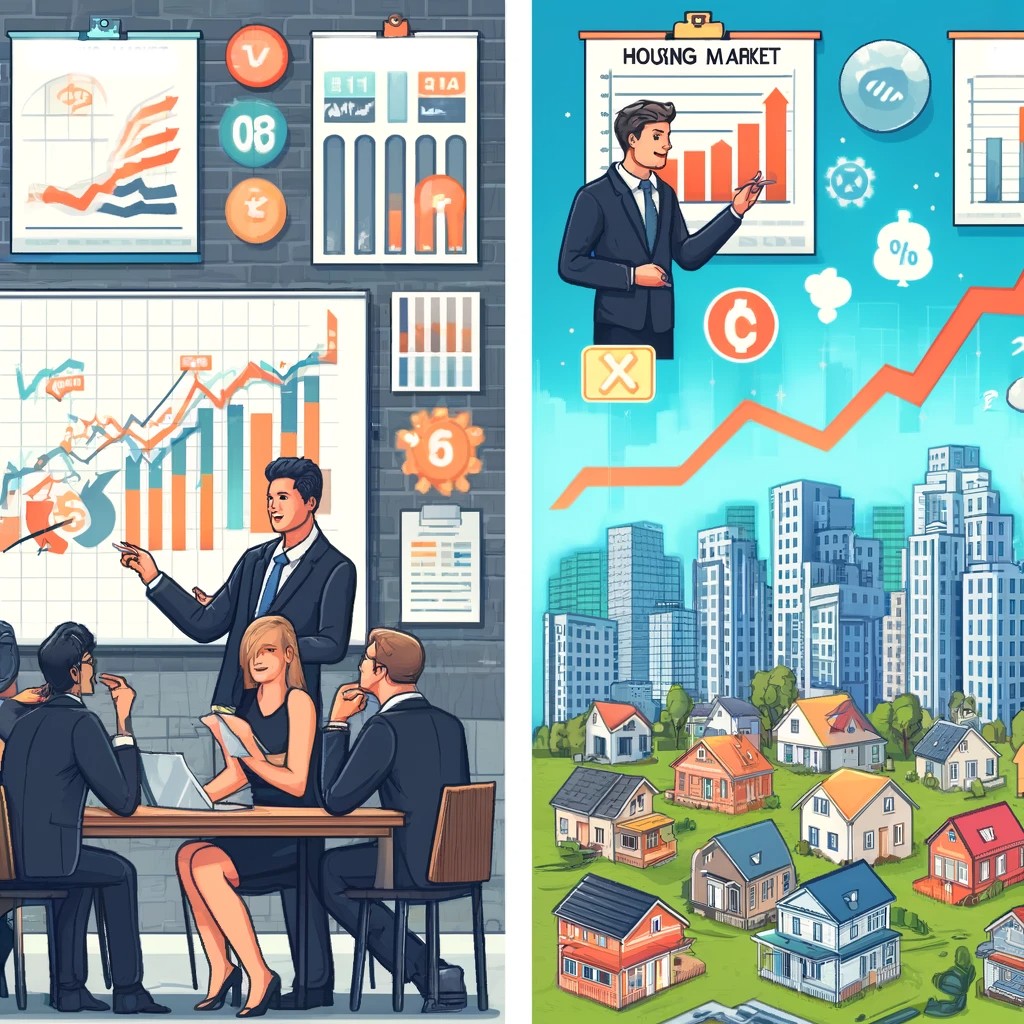
Gentrification has become a prevalent topic of discussion in urban planning and housing markets across the globe. This phenomenon involves the transformation of neighborhoods through the influx of more affluent residents, often leading to an increase in property values and rent prices. While gentrification is often associated with economic revitalization, it also brings about significant social and demographic shifts. Understanding the impact of gentrification on housing market trends is crucial for policymakers, real estate investors, and community stakeholders to navigate the associated challenges and opportunities. In this comprehensive article, we will delve deep into the various facets of gentrification, exploring its causes, consequences, and the intricate ways it shapes housing markets.
Gentrification typically begins with a combination of factors such as economic investments, infrastructural developments, and cultural shifts. Governments and private entities often invest in urban renewal projects to revitalize derelict neighborhoods, attract businesses, and enhance public amenities. This influx of resources makes these areas more appealing to higher-income individuals and families, thus accelerating the pace of gentrification. However, the resulting increase in demand for housing in these newly desirable neighborhoods can lead to substantial fluctuations in property values and rental rates.
The socioeconomic dynamics triggered by gentrification have far-reaching implications. On one hand, there are positive outcomes like increased property values, reduced vacancy rates, and improved quality of life. On the other hand, long-term residents may face displacement due to rising housing costs. This conflicting narrative makes gentrification a complex topic that requires careful scrutiny. Throughout this article, we will explore how gentrification influences housing market trends, from property price escalation to shifts in rental dynamics, and consider both the benefits and drawbacks experienced by different community members.
Historical Context of Gentrification
To grasp the current impact of gentrification on housing markets, it is essential to understand its historical roots. Historically, gentrification has been closely linked to urban renewal programs initiated in the mid-20th century. In response to deteriorating urban centers, governments around the world began investing in redevelopment projects aimed at revitalizing these areas. These initiatives often included improving infrastructure, promoting economic development, and beautifying public spaces.
Early examples of gentrification can be traced back to cities like London and New York in the 1960s and 1970s. In these cities, formerly neglected neighborhoods saw an influx of middle and upper-middle-class residents, leading to significant changes in the urban landscape. This period marked the beginning of a trend that would later spread to cities worldwide, from Berlin to San Francisco. As these neighborhoods transformed, property values soared, and rental markets shifted to accommodate the demands of the new arrivals.
Over the decades, gentrification has evolved in response to changing economic conditions and urban policies. The rise of the tech industry, for instance, has played a pivotal role in shaping modern gentrification patterns. Cities with thriving tech sectors, such as Seattle and Austin, have experienced rapid gentrification driven by an influx of highly-paid tech professionals. This historical context helps us understand the primary drivers behind contemporary gentrification and its effects on housing markets.
Economic Factors Driving Gentrification
Gentrification is fundamentally influenced by a range of economic factors. Understanding these drivers is crucial for comprehending how gentrification shapes housing market trends. One of the key factors is the availability of capital for investment in urban areas. As investors identify opportunities in undervalued neighborhoods, they infuse capital into real estate development, leading to the renovation and construction of residential properties.
The transformation of neighborhoods often goes hand in hand with improved amenities and services. Upgraded infrastructure, new retail and dining options, and enhanced public transportation are common features of gentrifying areas. These improvements attract more affluent residents who are willing to pay a premium for convenience and a higher quality of life. As a result, property values and rental prices in these neighborhoods experience significant appreciation.
Another economic factor contributing to gentrification is the shift in employment patterns. Cities with booming job markets, especially in industries like technology, finance, and healthcare, tend to attract a skilled and well-paid workforce. These professionals seek proximity to their workplaces and amenities, driving up demand for housing in adjacent neighborhoods. The increase in demand leads to competition for housing, further spurring property price escalation.
Social and Cultural Impacts of Gentrification
While gentrification brings about economic revitalization, it also has profound social and cultural impacts on communities. These changes influence the housing market in multiple ways. One significant outcome is the displacement of long-term residents. As property values and rental prices rise, many long-time residents, often from lower-income backgrounds, find it increasingly difficult to afford staying in their homes. This displacement can lead to the loss of community ties and cultural heritage.
In gentrifying neighborhoods, there is often a visible shift in the demographic composition. New residents, typically younger and more affluent, bring with them different lifestyles and preferences. This cultural shift can result in changes in the types of businesses and services that cater to the new demographic. Traditional local businesses may be replaced by upscale cafes, boutiques, and entertainment venues catering to the tastes of the new residents.
Additionally, gentrification can lead to changes in the social fabric of a neighborhood. As the demographic profile shifts, long-standing community networks may erode, impacting social cohesion. The influx of new residents with different socioeconomic backgrounds can create tension and alter the sense of community. These social and cultural transformations contribute to the evolving dynamics of the housing market in gentrifying areas.
Housing Market Trends: Property Values and Rent Prices
One of the most evident impacts of gentrification on housing market trends is the significant increase in property values. As neighborhoods undergo revitalization and attract more affluent residents, demand for housing in these areas rises. This surge in demand often outstrips supply, leading to upward pressure on property prices. Homeowners in gentrifying neighborhoods might see their property values skyrocket, providing them with substantial equity gains.
However, while rising property values can benefit homeowners, they can also create challenges for potential buyers. First-time homebuyers and individuals from lower-income backgrounds may find it increasingly difficult to enter the housing market in gentrifying areas. The competition for limited housing inventory can lead to bidding wars and inflate prices beyond the reach of many aspiring homeowners.
Rent prices in gentrifying neighborhoods also experience upward pressure. As demand for rental properties increases, landlords capitalize on the opportunity to raise rents. This can lead to significant rent hikes, making it challenging for existing renters to afford their homes. The phenomenon of “rent burden” becomes more pronounced, where a substantial portion of a renter’s income is allocated to housing expenses, leaving less for other necessities.
Regulatory and Policy Responses
The complexities and multifaceted impacts of gentrification necessitate thoughtful regulatory and policy responses. Policymakers play a critical role in balancing the positive aspects of urban revitalization with the need to protect vulnerable populations from displacement. One approach to mitigating the negative impacts of gentrification is the implementation of affordable housing policies.
Inclusionary zoning policies, for instance, require developers to include a percentage of affordable housing units in new residential projects. These policies aim to ensure that a portion of the housing stock remains accessible to lower-income residents. Additionally, rent control measures can help stabilize rental prices and prevent abrupt rent hikes that could displace existing tenants.
Community land trusts (CLTs) and land banking are other strategies employed to counteract the displacement effects of gentrification. CLTs involve the community ownership of land, which is then leased to residents at affordable rates. Land banking involves the acquisition and management of vacant or underutilized properties, with the goal of using them for affordable housing and community development.
Case Studies: Gentrification in Action
Examining specific case studies can provide valuable insights into the impact of gentrification on housing markets. Take, for instance, the transformation of Brooklyn’s Williamsburg neighborhood. Once an industrial area with affordable housing, Williamsburg underwent rapid gentrification beginning in the early 2000s. The influx of artists and young professionals, coupled with the development of luxury residential properties, led to significant increases in property values and rent prices.
Similarly, San Francisco’s Mission District has experienced intense gentrification driven by the city’s tech industry boom. The proximity to tech offices and the allure of urban living attracted many high-income tech workers to the area. As a result, long-term residents faced displacement, and rents skyrocketed, leading to protests and calls for stronger tenant protections.
In contrast, cities like Barcelona have implemented measures to manage gentrification more effectively. The city has pursued strict regulation of short-term rentals, aiming to prevent housing from being converted into tourist accommodations. Additionally, Barcelona has focused on preserving public spaces and cultural heritage, ensuring that gentrification does not erode the city’s unique identity.
Conclusion
Gentrification is a complex and multifaceted phenomenon that has profound implications for housing market trends. While it can lead to economic revitalization and increased property values, it also presents challenges such as displacement, affordability issues, and shifts in the social fabric of communities. Understanding the causes, consequences, and dynamics of gentrification is essential for stakeholders, including policymakers, real estate professionals, and community advocates, to navigate its impact effectively.
As we have explored in this comprehensive article, gentrification is influenced by various factors, including economic investments, demographic shifts, and policy responses. The historical context of urban renewal programs, coupled with the economic drivers of capital inflows and employment patterns, sets the stage for gentrification’s effects on housing markets. Social and cultural impacts further underscore the need for a nuanced approach to managing this phenomenon.
To address the challenges posed by gentrification, proactive regulatory and policy measures are essential. Policymakers can implement affordable housing policies, rent control measures, and community-oriented strategies to mitigate displacement and promote inclusive development. Case studies from different cities illustrate both the positive and negative outcomes of gentrification, highlighting the importance of context-specific solutions.
Ultimately, achieving a balanced approach to gentrification requires collaboration and a commitment to preserving the diverse fabric of urban communities. By understanding the intricate interplay between gentrification and housing market trends, stakeholders can work towards more equitable and sustainable urban development. The future of our cities depends on our ability to harness the benefits of gentrification while ensuring that its transformative power benefits all residents.
Frequently Asked Questions
1. What exactly is gentrification and how does it affect housing markets?
Gentrification is a complex process where neighborhoods undergo transformation due to an influx of wealthier individuals. This typically leads to an increase in property values and rent prices. As more affluent residents move in, they often invest in renovating properties and businesses in the area, which can enhance the overall appeal of the neighborhood. This, in turn, attracts more investment, further driving up property values. Consequently, this can create a ripple effect in the housing market, where increased demand alongside limited supply continues to push prices upward.
However, the impact is not limited to economic aspects alone; there are significant social implications. Original residents, often those from lower-income households, might find themselves priced out as their once-affordable rents escalate. This demographic shift can alter the cultural fabric of the community, sometimes even leading to displacement. Gentrification might improve infrastructure and amenities, but the housing market changes often leave a dichotomy between revitalization and the risk of exclusion for long-standing residents.
2. How do gentrification-related trends affect first-time homebuyers and renters?
First-time homebuyers and renters are significantly impacted by gentrification. As neighborhoods become more desirable, the competition for buying or renting property intensifies. For first-time homebuyers, this can mean bidding wars and higher purchase prices, creating significant barriers to entry into the housing market. For renters, gentrification can quickly lead to increased rent prices as landlords capitalize on the rising demand. This can make it challenging for both groups, particularly those without substantial disposable income, to afford housing in gentrified areas.
In areas where gentrification is prominent, there’s often a push for luxury developments and upscale amenities. While these might improve the standard within the community, they can further escalate housing costs, marginalizing those who can’t keep pace with the rising expenses. This cycle can inhibit young professionals and others with moderate incomes from establishing themselves in certain urban neighborhoods, limiting their options to outer areas where gentrification hasn’t yet taken hold.
3. Can gentrification actually be beneficial for a neighborhood and its housing market?
Gentrification can indeed bring several benefits to a neighborhood, often presented as a double-edged sword. It can lead to increased investment in local infrastructure, improved safety, and a wider array of services and businesses that cater to the needs of residents. The infusion of capital can rejuvenate parks, schools, and public transport, making the area more attractive to live in and enhance the overall quality of life.
From a housing market perspective, gentrification can increase property values, which some view as a positive development for existing homeowners who see their home equity grow. This increase in value can open financial opportunities for these individuals, such as obtaining favorable terms on home equity loans. Additionally, higher property values can also expand the tax base, potentially providing more funding for local government services. Yet, these benefits are frequently realized by the new demographic influx rather than long-term residents, highlighting the mixed implications of gentrification.
4. What strategies can cities implement to address the negative impacts of gentrification on housing?
Cities can pursue several strategies to balance the revitalization efforts with the needs of existing residents. One common approach is implementing rent control policies that limit the rate at rent can increase, providing some stability for longtime residents in areas experiencing rapid pricing shifts. Inclusionary zoning is another tool where developers are required to provide a certain percentage of affordable housing within new projects, promoting diversity in housing options.
Community land trusts, where the land is owned collectively by a trust, can help maintain affordability by removing the land from the traditional speculative market. Additionally, cities can focus on preserving existing affordable housing stock through retrofitting and grants, ensuring these dwellings remain accessible to current residents. Continuous community engagement and direct stakeholder involvement in urban planning can also ensure that redevelopment plans align with the community’s needs and mitigate adverse effects.
5. How does gentrification influence demographic trends within a neighborhood?
Gentrification typically reshuffles the demographic composition of a neighborhood. Initially, an area might see an influx of younger professionals, often referred to as “urban pioneers,” who are attracted by lower relative housing costs and the potential for transformative development. These newcomers often bring higher income levels and educational attainments, aligning culturally and economically with new businesses and amenities being introduced.
This demographic shift can result in a change in the social tapestry, sometimes diluting the identity of historically diverse neighborhoods. Long-term residents may be displaced due to escalating costs, while family structures and community networks can be disrupted. Schools and local services might also become tailored to the needs and expectations of the new residents, sidelining the requirements or preferences of the original inhabitants.
Ultimately, the alteration in demographics can spark both a loss and a gain. New cultural dynamics and economic vitality might emerge, yet the loss of community heritage and socio-economic diversity can be an enduring concern. Balancing these demographic dynamics requires careful urban policy planning and community engagement to ensure gentrification doesn’t erase the rich, established history and identity of neighborhoods.