Urban planning has been a critical consideration for societies throughout history. From ancient cities to modern metropolises, the need to efficiently manage urban growth, optimize land use, and ensure sustainable development has been paramount. Today, technological advancements have introduced new tools and concepts that are rapidly transforming the way we approach urban planning. Among these innovations, the concept of the “Digital Twin” stands out as a groundbreaking technological paradigm. A Digital Twin is essentially a virtual representation of a physical entity, which can be continually updated with real-time data to accurately reflect its physical counterpart’s current state. When applied to urban environments, Digital Twins offer unparalleled insights and can dramatically enhance the efficiency, effectiveness, and sustainability of urban planning processes.
The advent of Digital Twins marks a new era of urban planning by providing city planners, architects, and policymakers with highly detailed, accurate, and actionable insights into the various facets of urban environments. By integrating real-time data, predictive modeling, and advanced simulations, Digital Twins facilitate more informed decision-making processes, offering a real-time view of the city’s pulse. This capability is reshaping our understanding of urban spaces, ensuring that planning is more data-driven, responsive, and adaptive to both current and future challenges. The impact of Digital Twins on urban planning can be observed in several key areas, notably in enhancing city infrastructural planning, improving environmental sustainability, optimizing resource management, and elevating citizen engagement.
As the concept of Digital Twins became more widely adopted, its applications began to broaden significantly, enabling a revolution in urban planning methodologies. This revolutionary shift not only allows for more efficient urban space management but also paves the way for smarter and more sustainable cities. Urban planners now have access to unprecedented levels of detail about city structures, utilities, transportation systems, and even the citizens themselves. Whether it’s about understanding traffic patterns, energy consumption, pollution levels, or public transport usage, Digital Twins provide a comprehensive, dynamic picture of urban life. In this article, we explore the multifaceted impact of Digital Twins on urban planning, delving into the potential and challenges this digital innovation brings to the sphere of city development, and how it lays the groundwork for tomorrow’s urban landscapes.
Enhancing Urban Infrastructure Planning
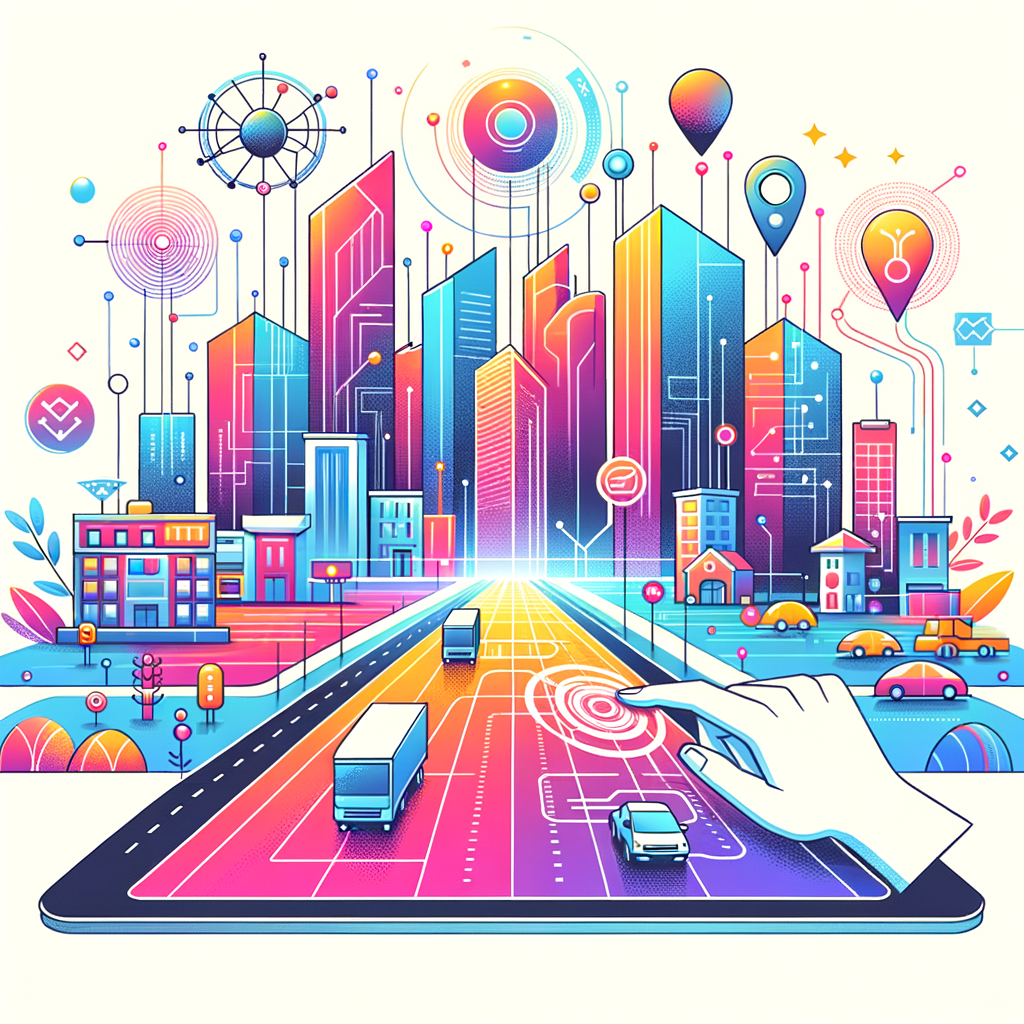
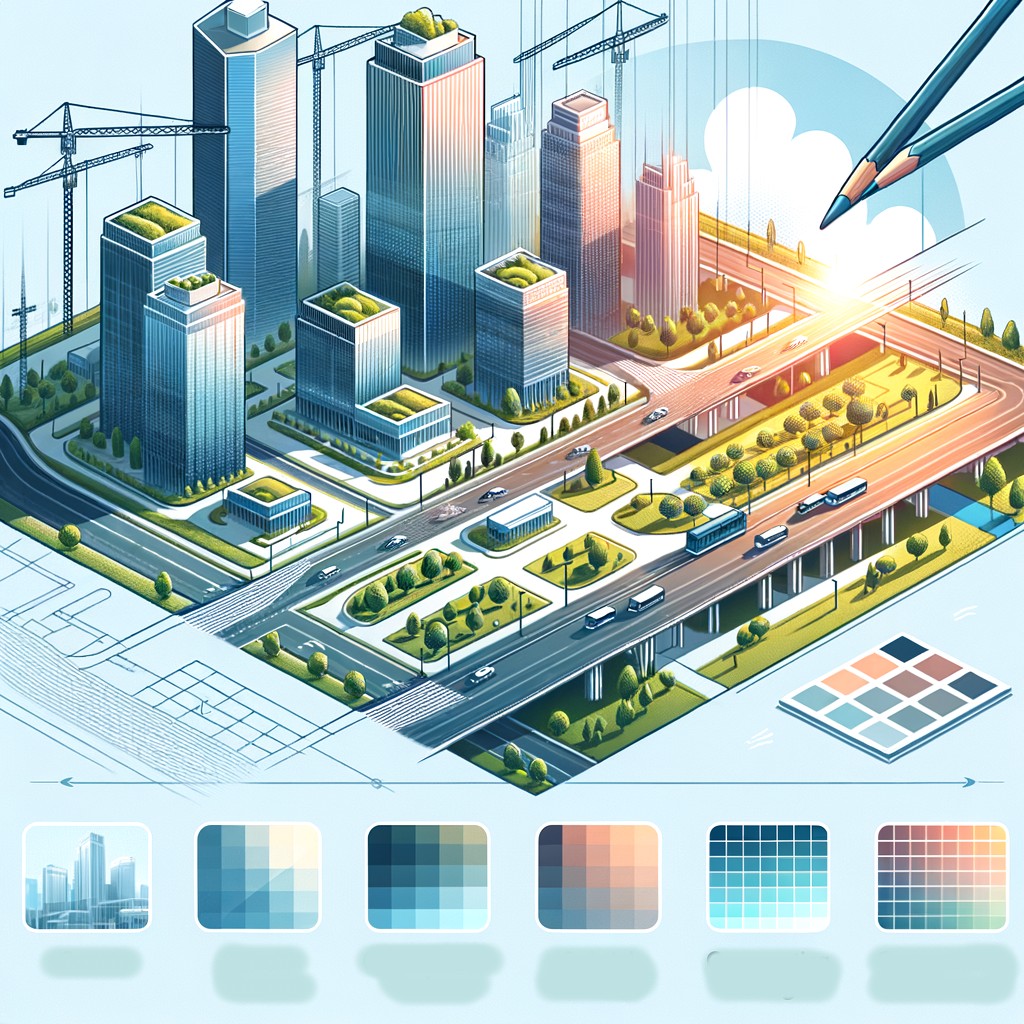
One of the primary applications of Digital Twins in urban planning is in enhancing infrastructure planning and development. By representing urban environments in a virtual form, city planners can better visualize and strategize infrastructural projects. This includes road networks, bridges, public buildings, and utilities. For instance, a Digital Twin can simulate traffic flows during different times of day or after new developments, helping to optimize road designs and traffic signals, to improve the overall traffic management system. It allows city planners to predict the effects of a new infrastructure project before any physical changes are made, identifying potential issues and testing solutions in a risk-free virtual environment.
Beyond roads and transportation, Digital Twins are vital in planning public utilities and ensuring the efficient distribution of electricity, water, and waste management. By modeling energy consumption patterns and utility networks, city planners can ensure that new developments do not strain existing resources while optimizing the placement of utility assets to serve the community more effectively. The virtual models can simulate peak usage times, allowing planners to make informed decisions about where to build new infrastructure and how to improve existing systems. This leads to significant cost savings and enhances the reliability of urban services.
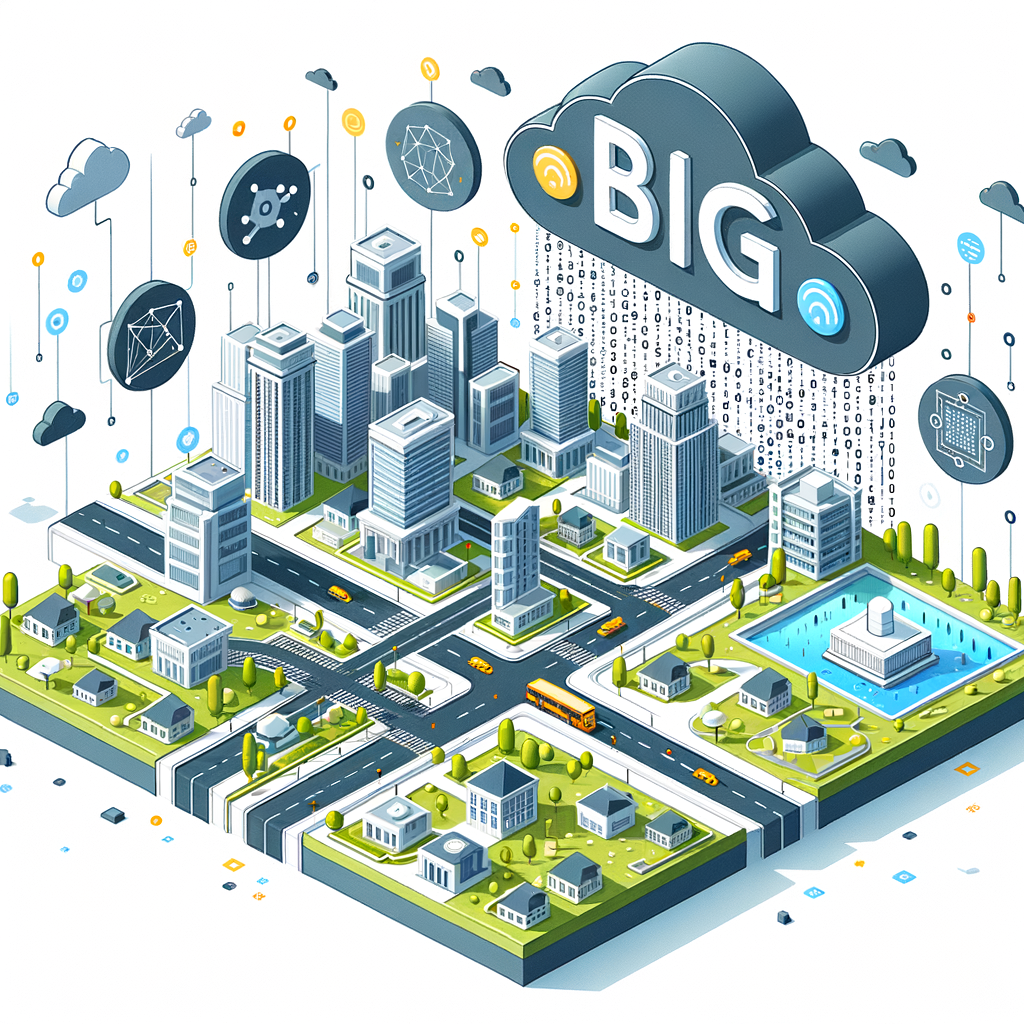
Moreover, the integration of IoT devices with Digital Twins supplies real-time data from critical city infrastructure. Sensors installed in roads, bridges, public transport, and utility systems feed live data into the Digital Twin system. This capability means that any wear and tear can be monitored in real-time, allowing for predictive maintenance – a strategy that can save substantial resources and prevent sudden infrastructure failures. Such foresight drastically reduces the shocks associated with unexpected infrastructure breakdowns and provides city managers with the ability to plan maintenance activities proactively, thus ensuring urban infrastructure is safer and more reliable for residents.
Promoting Environmental Sustainability
Digital Twins hold transformative potential for promoting environmental sustainability within urban planning. The ability to simulate different environmental scenarios allows city planners to test the ecological impact of various urban designs and policies before implementing them. Urban ecosystems can be visualized in terms of flora, fauna, terrain, and climate conditions, letting planners explore how different factors impact the environment. For instance, by testing various orientations and placements of buildings and green spaces, planners can determine the most efficient ways to decrease urban heat islands or improve air flow and quality.
Energy efficiency is another domain where Digital Twins play a crucial role. Simulations of energy use in buildings help in optimizing architectural designs to maximize natural lighting and ventilation. Energy consumption can be monitored and modelled at macro and micro levels, giving insight into peak usage periods and guiding the development of more sustainable energy practices. Furthermore, Digital Twins can assist in the integration of renewable energy sources such as solar and wind into existing city systems, predicting their impact and ensuring that city energy networks can accommodate fluctuating input from these cleaner sources without jeopardizing stability or reliability.
The application of Digital Twins also fosters a sustainable approach in water resource management. By modeling water catchments, distribution, and usage, urban planners can effectively manage water resources, preventing leaks and ensuring efficient water use. These models help synchronize the supply with demand and carefully monitor and control water quality, mitigating the risk of shortages and promoting conservation. Urban planning thus becomes not just about expansion and efficiency but about creating systems that reduce environmental footprints and promote ecological stability.
Optimizing Resource Management
Digital Twins are integral in optimizing resource management within cities through a more nuanced understanding and management of urban resources. By providing detailed insights into urban systems, they enable a more efficient allocation of resources, such as labor, materials, and time, ensuring that cities are not just larger but smarter. Urban growth until now has often been driven by demands, with cities expanding infrastructurally to meet the needs of increased populations. However, such growth has at times been inefficient, leading to waste.
Digital Twins allow for an anticipatory approach by utilizing predictive analytics and simulations to predict resource demands. For example, waste management services can utilize Digital Twins to plan more efficient routes, reducing fuel consumption, and improving service efficacy. Transportation fleets can be managed in a similar fashion, optimizing schedules and routes based on real-time traffic data to ensure minimal fuel consumption and emissions. The insights gained also translate into better preparedness for natural disasters or sudden demand changes, ensuring resources are allocated where they are most needed swiftly.
Moreover, resource management also involves the prudent management of human resources. By simulating labor demands and workflows in various city departments, Digital Twins help city planners allocate human resources effectively, preventing under-utilization or overstraining of city workforce capacities. The ability to foresee the need for manpower in specific scenarios allows for flexible human resource management, ensuring departments are adequately staffed to respond to both routine and emergency situations. This leads to enhanced productivity and operational readiness across city services.
Elevating Citizen Engagement
Beyond logistical and infrastructural optimization, Digital Twins have a significant role in enhancing citizen engagement within urban planning processes. In traditional urban planning approaches, citizen involvement has often been limited to static feedback sessions or public hearings, typically held at late stages of the planning process. Digital Twins, however, open up new avenues for active citizen participation in the formation and development of their urban spaces.
Through Digital Twins, urban planners can use virtual platforms to present proposed changes to city landscapes in immersive, interactive ways. Citizens can then experience potential changes through virtual environments, providing feedback based on personal firsthand experiences with the proposed models, rather than relying solely on plans and maps. This interactive engagement fosters a more inclusive planning process, allowing for more accurate consideration of community needs and desires. Digital Twins also enable scenario testing, where residents can visualize and understand the potential impact of urban planning decisions on their daily lives.
Furthermore, by connecting citizens to real-time city data through apps or interfaces linked to the Digital Twin, cities encourage ongoing engagement. Individuals can monitor the status of urban projects, track progress, and even report issues such as potholes or environmental hazards, directly affecting their neighborhoods. This empowers citizens by giving them a voice and a role in the continuous improvement of their local environment, fostering a sense of community ownership and responsibility. Overall, the enhanced transparency in urban planning facilitated by Digital Twins strengthens trust between citizens and city planners, leading to urban environments that are more attuned to the needs of their inhabitants.
Conclusion
The advent and integration of Digital Twins in urban planning signify a transformative leap towards more sustainable, efficient, and inclusive urban development. By providing real-time data analytics, advanced modeling, and predictive capabilities, Digital Twins equip urban planners with powerful tools that were previously unavailable. They enhance urban infrastructure development, lead to more environmentally sustainable practices, optimize resource allocation, and fundamentally change the way cities engage with their citizens. As such, Digital Twins are not just improving urban living standards but are laying a robust foundation for future smart cities.
However, the journey towards widespread adoption of Digital Twins is not without challenges. The integration of such sophisticated technology requires significant investment in infrastructure, training, and policy development. Additionally, there are concerns about data privacy and the ethical use of the vast amounts of data generated by urban environments. As cities look to become more digitized, comprehensive regulations and frameworks governing data privacy and security will be essential to safeguard citizens’ interests.
Looking forward, collaboration among technologists, urban planners, policymakers, and communities is crucial in realizing the full potential of Digital Twins in urban planning. By fostering an environment of innovation and collaborative policymaking, cities across the globe can effectively leverage Digital Twin technology to navigate the complex challenges of modern urbanization. In doing so, they stand poised to create urban spaces that not only respond to the demands of today but also anticipate and adapt to the needs of tomorrow.
In conclusion, Digital Twins offer a compelling vision for urban futures, creating cities that are more livable, sustainable, and inclusive. They represent a critical evolution in the field of urban planning, empowering cities to transform challenges into opportunities for growth and development. As this transformative technology continues to evolve, it holds the promise of guiding urban environments towards a future where progress and sustainability move in harmonious tandem.
“`